Why do we have the urge to decorate our homes with greenery during the holiday season?
We put out wreaths and hang mistletoe. We bring a tree, in its entirety, into the living room for a month or more. Then, sometime in January, we drag it out into the cold and try to figure out what to do with it. If you are like me, you probably have that one secluded corner of your yard behind some bushes where the trees accumulate. Why don’t they rot?
For a spell, my dear mama kept a tree in the house year-round. Instead of taking the tree down, she would replace the adornments with seasonally appropriate things. Eggs during Easter. Flags on the Fourth. Pumpkins for Halloween. You get the picture.
Perhaps we do these things because we need green, living reminders of the outdoors and wide-open spaces to help mentally remove us from a conversation with stuffy, old Aunt Beatrice and her incessant yammering about how her deadbeat son (who was a no-show once again this year) has “really turned his life around.” Maybe the sights and smells of fresh, evergreen clippings provide a festive feeling of joy. Maybe it brings life and brightness into our homes when the days are short and cold. Who knows? Motivations aside, we use a plethora of vegetation to set the holiday scene, and I wouldn’t have it any other way. Decorating is deeply important to us, and several plant species are so ingrained within the holiday realm that they deserve an honorable mention.
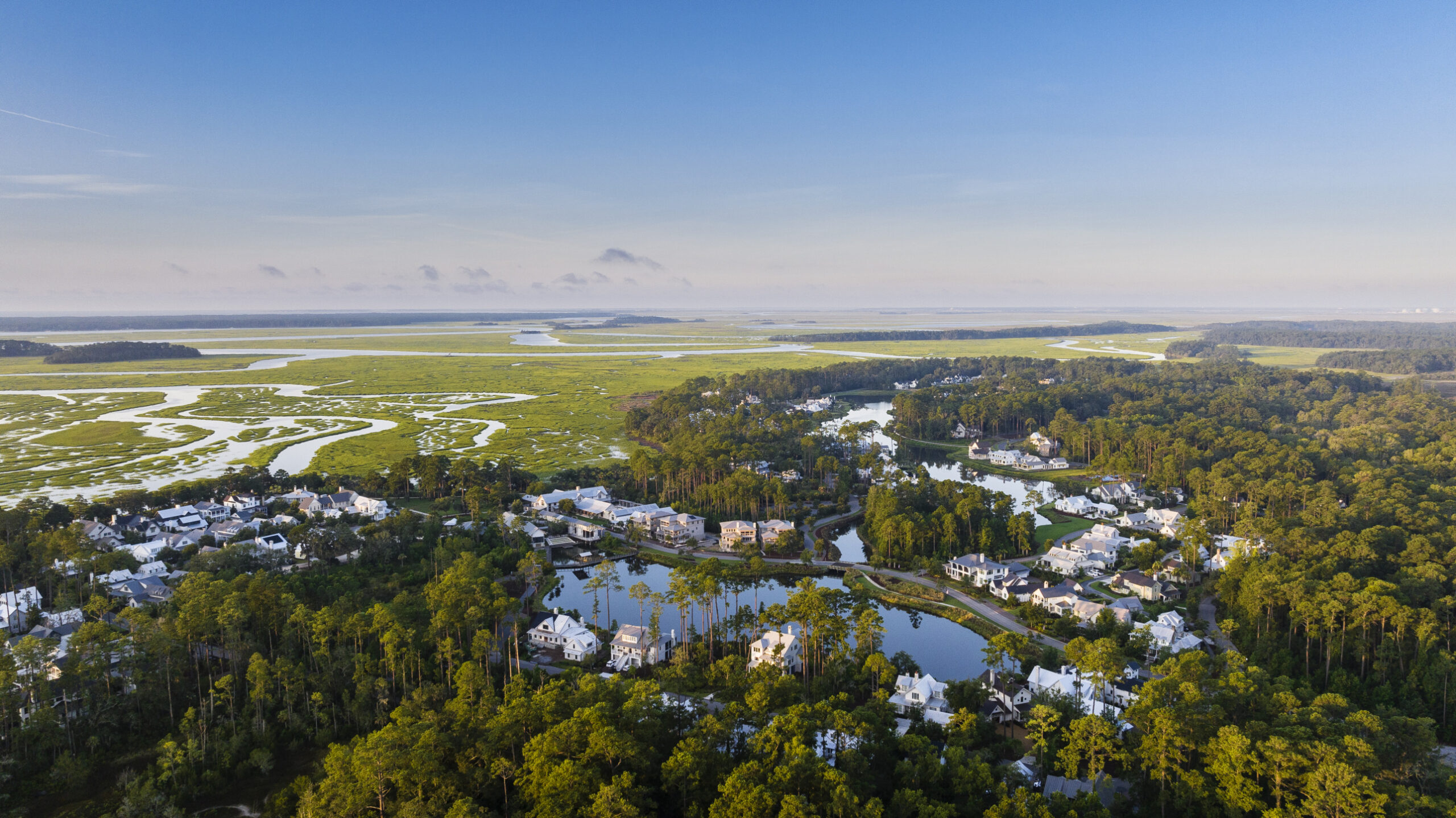
Burl Ives said it best: “Have a holly, jolly Christmas. It’s the best time of the year.” Did he use the word holly because it rhymes with jolly, or did he use it because American holly (Ilex opaca) is a staple in holiday decorating? We may never know. What we do know is that American holly is beautiful. It is a native to the southeastern United States and extremely common in the maritime forests of Palmetto Bluff.
The bark is paper white. The leaves are bright, evergreen, and waxy, which gives them an almost shiny appearance. The leaves are also toothed. This means that along the edges of each leaf, there are tiny spikes. If you were to bump into a holly tree, it would be quite painful, much like being seated next to Aunt Beatrice. The berries produced by a holly are as red as Rudolph’s nose, and fortunately for us, they show in winter months. Red, white, and green. That is as festive as it gets. (But also, who names their child “Burl”?)
The Southern Magnolia (Magnolia grandiflora) is also commonly used in holiday décor. The big, dark-green leaves, brown cones filled with red berries, and giant white flowers make it an obvious choice. It is recommended, however, that you go with an artificial arrangement. For one thing, magnolias bloom in May.
There is another issue that may give pause to bringing in the real deal. Magnolias are an ancient species (much like Aunt Beatrice). They evolved in a time before bees and many other flying pollinators. The only pollinators that existed at that time would have been roaches and roachesque beetles. Who wants those things crawling around on Santa’s cookies?
Speaking of Santa, I wonder if he has ever laid eyes on an organic magnolia flower. I would assume he has not because he lives at the North Pole, and he doesn’t really leave the house until December. He seems like the type who would vacation in Florida though. They have magnolias down there. Hmm . . . I’ll definitely make an inquiry at the end of this year’s wish list.
Anytime you visit Aunt Beatrice during the holiday season, she always puts out a bowl of potpourri. Potpourri is a French word that loosely translates to “bowl of old pine cones and junk with synthetic scent sprayed on it.” Actually, potpourri has a fairly deep history. The original stuff would’ve been made up of a collection of herbs, sea salt, and clippings that had a beautiful natural aroma. Aunt B does not use that kind though. She uses pine cones with an apple/cinnamon twist.
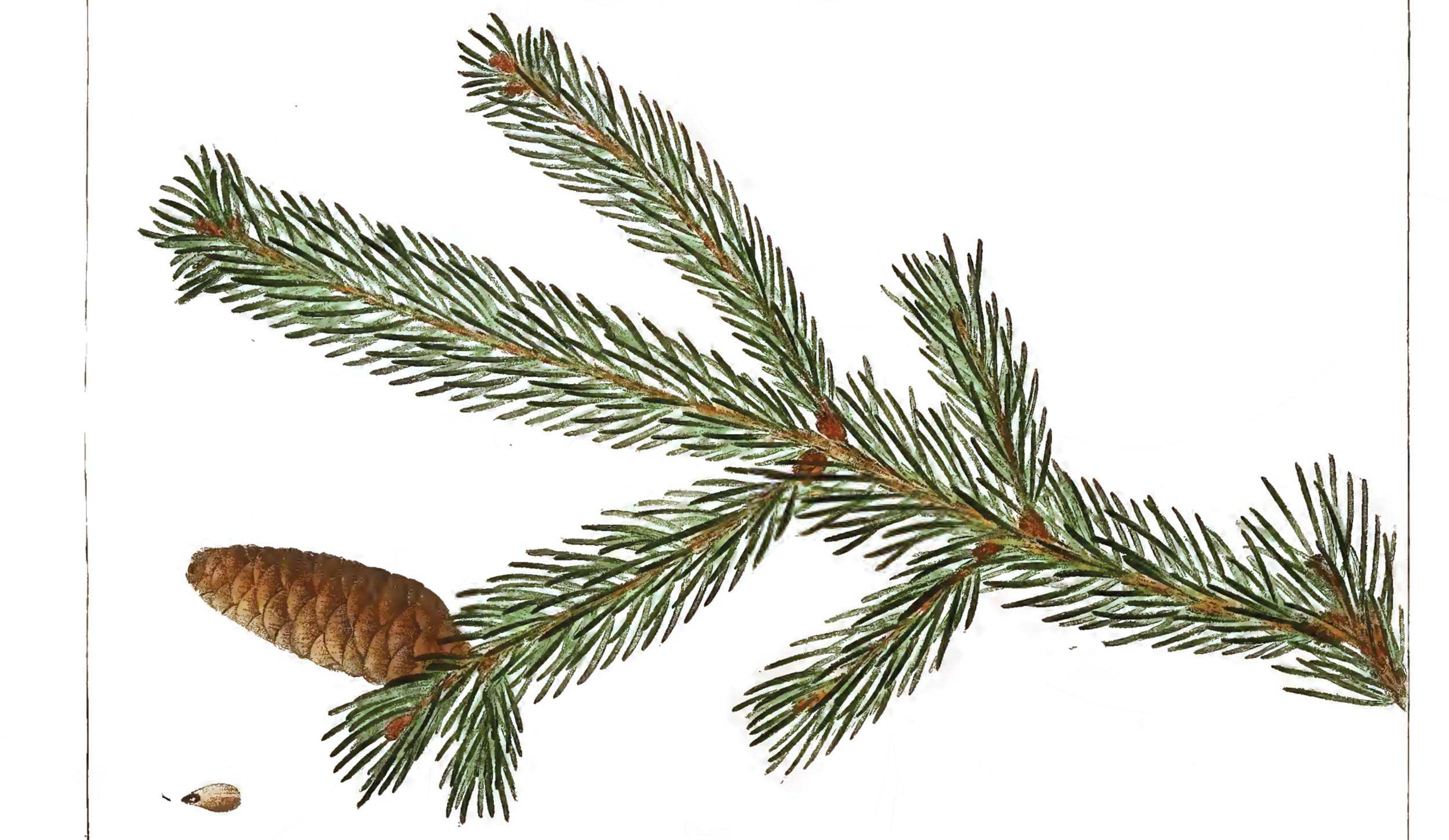
Pine cones (Pinus taeda) have many uses during the holiday season. As a child, we all made ornaments with them. I’ll bet you have probably made a miniature Christmas tree out of them as well. You know. You glue those little fuzzy balls all over it, put some tinsel on there, maybe spray it with just a little bit of white paint so that it looks all snowy. Ain’t it precious?
Poinsettias (Euphorbia pulcherrima) are vastly popular holiday decorations. They are native to Mexico and Central America.
In Mexican folklore, a little girl named Pepita was sad because she had nothing to leave at the altar on Christmas Eve. Her brother reminded her that any little thing would be sufficient. With that, she picked a poinsettia and left it at the altar as a gift for the baby Jesus.
Mr. Joel Poinsett is responsible for popularizing and naming the plant within American culture. He was the US minister to Mexico in the 1820s. More recently, I grew up attending First Methodist Church in Eastman, Georgia. Every year, the church would sell the congregation poinsettias to be placed at the altar. After the Christmas Eve service, you could go up to the altar and collect one to take home.
I distinctly remember one year when my grandmother, we called her Gammy, asked me to go collect hers. “Make sure you grab a pretty one,” she said. I felt a heavy burden when I attempted to choose one from the many beautiful plants up there. Reverend Jean Cochran saw the befuddled look on my face, pointed at one, and winked. That was the one. If you can’t trust the preacher’s judgment, then then whose can you trust?
I am not a scrooge. I love plants and holidays. I just think it is fun to pick apart our human quirks and cast a holly, jolly laugh at them. This doesn’t stop our quirks, however, from being deeply important to us and our cultures. The holiday season is a time for celebration. We have made it through another year, and it is time to give thanks.
We can be thankful for a colorful world filled with beautiful flora.
It only makes sense to bring it into our most sacred place, home.
Be sure to hug Aunt Beatrice tightly this year.
Merry Christmas.
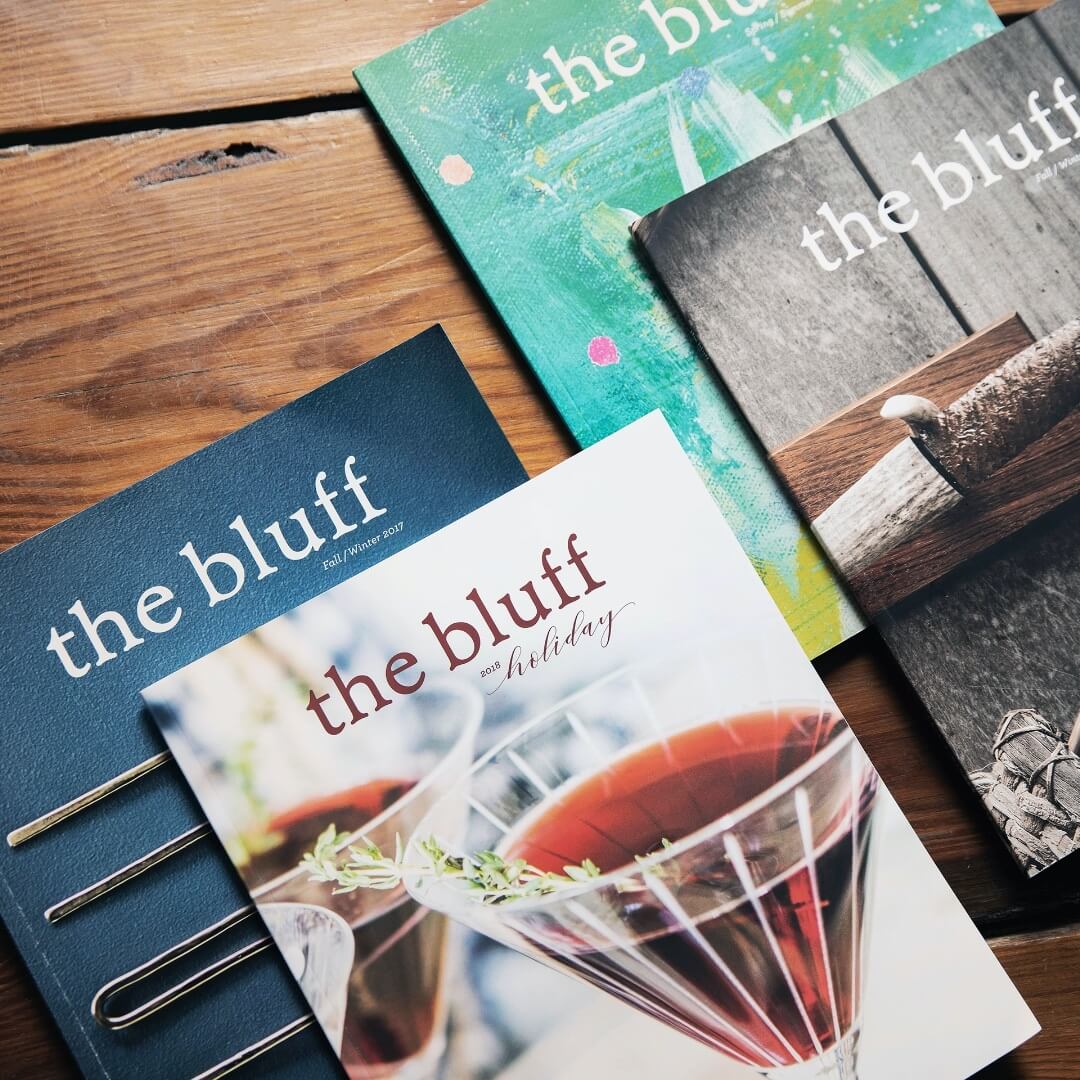
Read the original story in the Holiday edition of The Bluff magazine.