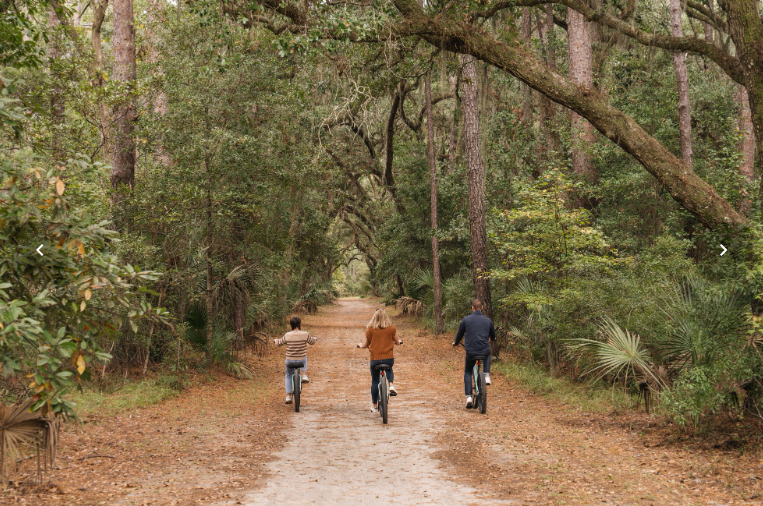
Experience Winter Wildlife This Season at Palmetto Bluff
The Lowcountry is a wondrous place to live, not only for its breathtaking scenery and historical significance but also for the wildlife that inhabits it. Winter wildlife in South Carolina includes a wide variety of flora and fauna, as well as many rare and endangered species. Because of the year-round subtropical weather, winter wildlife thrives in the rich environment Palmetto Bluff strives to conserve.
As the most unique and enchanting region on the East Coast, the Lowcountry is home to wildlife you will not find anywhere else. Continue reading for a list of the best places in South Carolina to visit winter wildlife.
1. River Road Preserve
River Road Preserve is a serene haven for nature lovers, offering some of the most picturesque landscapes in the Lowcountry. Situated within Palmetto Bluff, this 120-acre preserve features winding trails that lead you through a rich tapestry of maritime forest, wetlands, and open meadows. Winter is the perfect season to explore this hidden gem, as the cooler temperatures bring out a variety of wildlife.
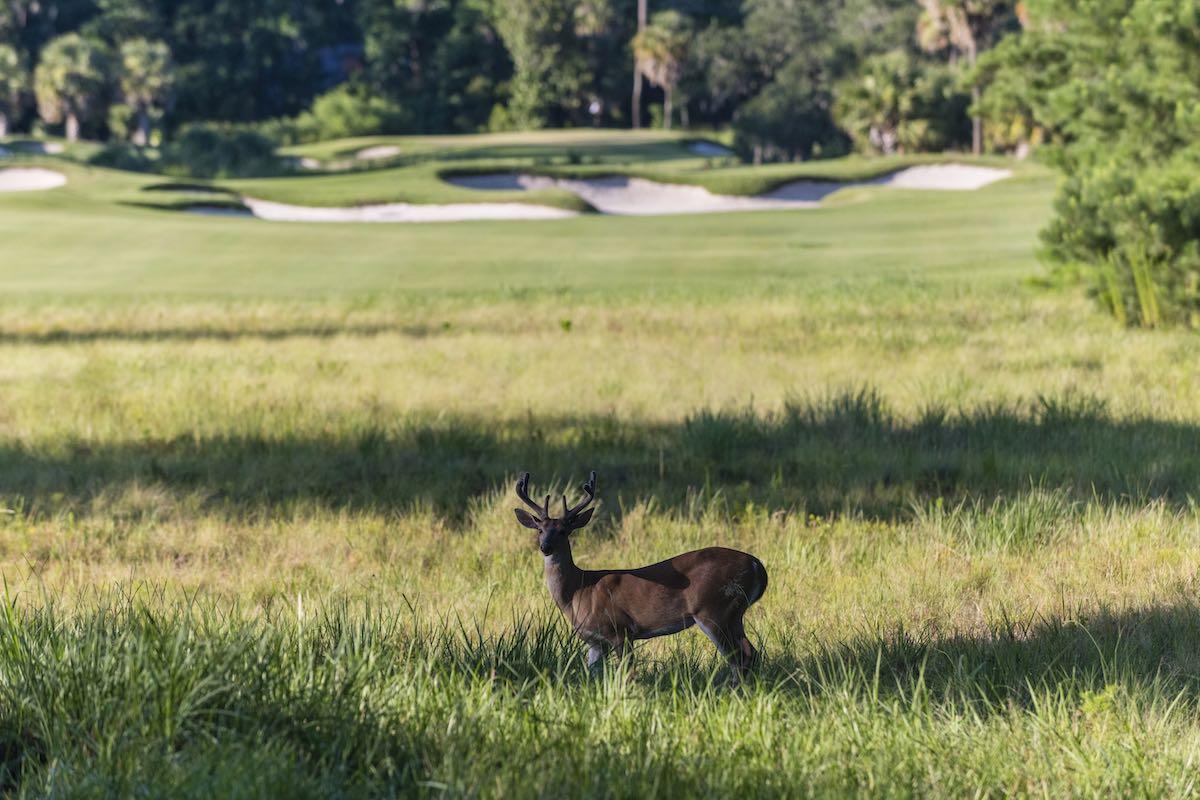
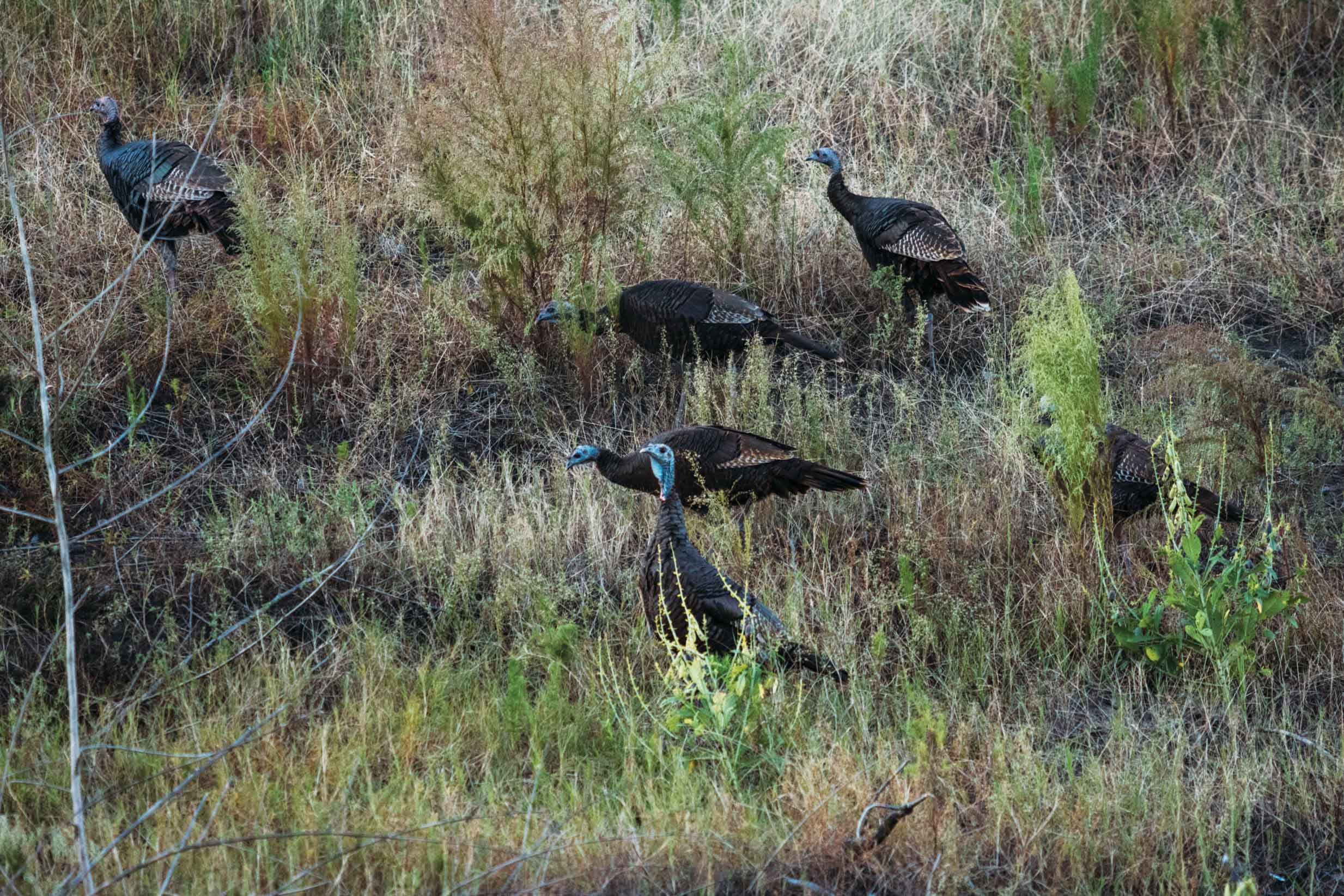
As you stroll the preserve, you’ll encounter white-tailed deer grazing in the tall grasses, turkeys scurrying through the underbrush, and numerous species of wintering birds flitting among the trees. The River Road Preserve is a shining example of Palmetto Bluff’s commitment to preserving the natural beauty and biodiversity of the Lowcountry.
2. New River Trail
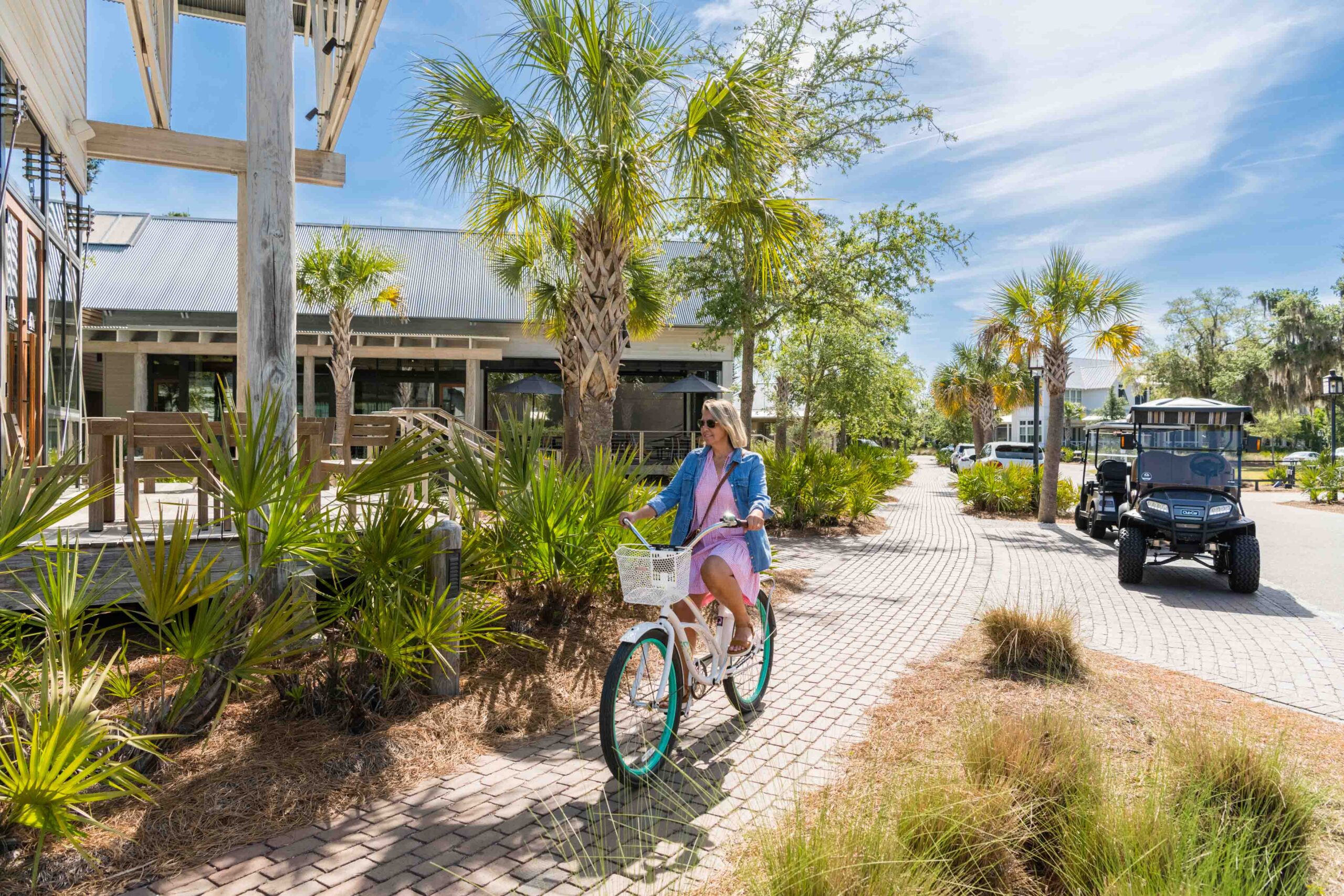
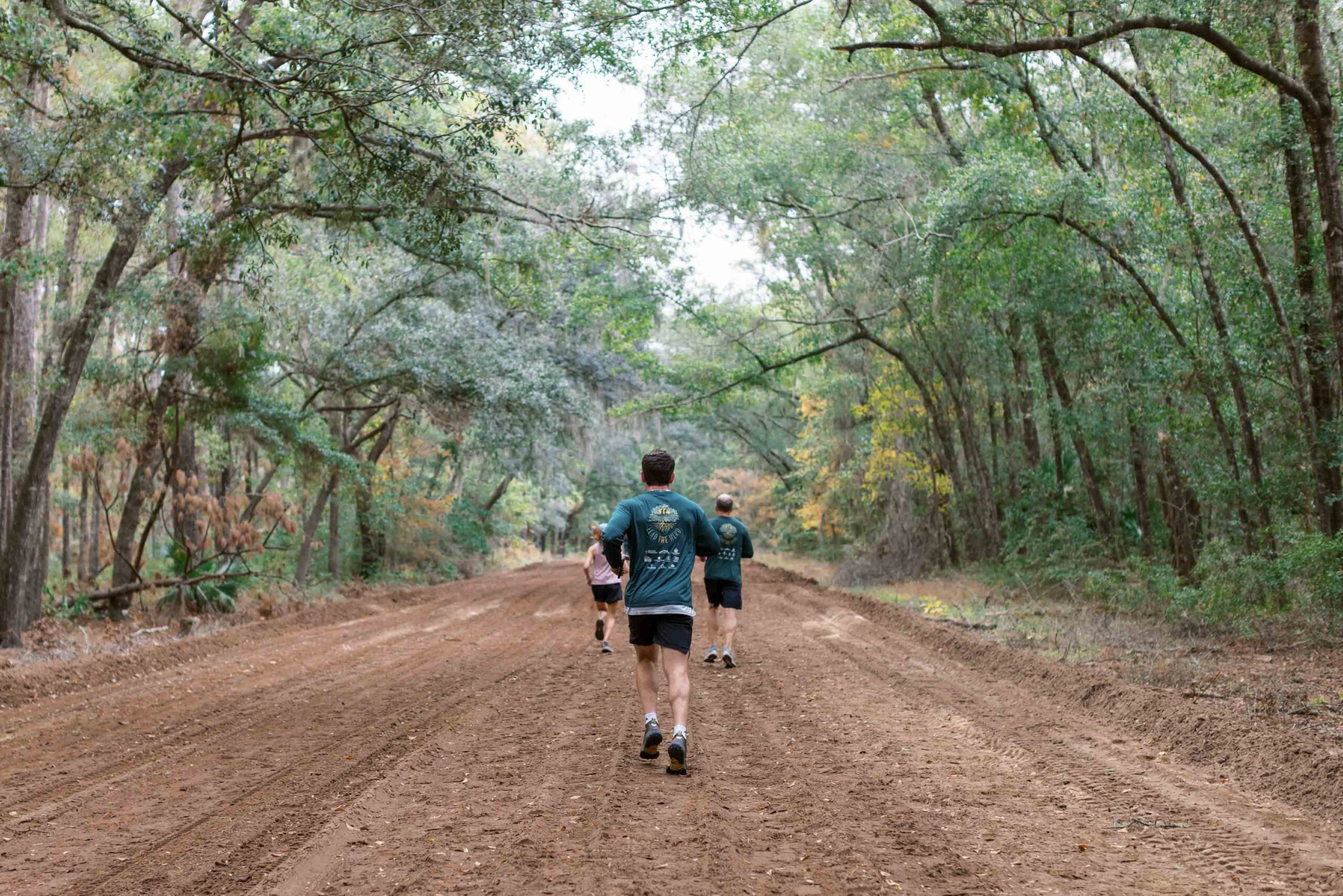
Nestled along May River Road, the New River Trail is a striking route perfect for biking, jogging, and strolling. As part of the East Coast Greenway, this 5.2-mile pathway follows an old railroad bed that originally supported the Seaboard Air Railway.
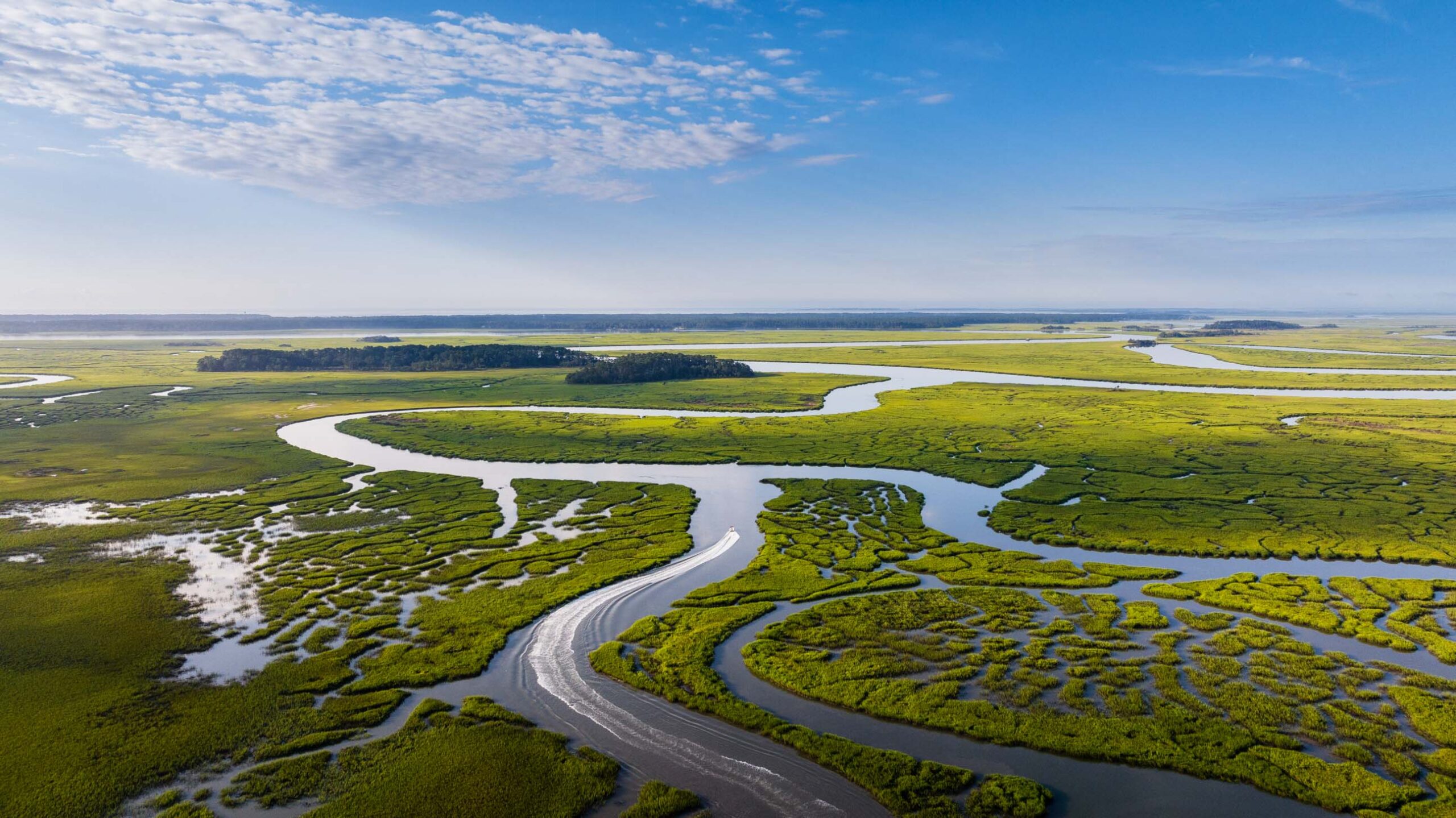
As you traverse grassy trails and woodlands, the fading grid of waterways and clay dams is notably visible, especially during the winter. However, that is not the only wonder you will discover. The flat terrain gives you an up-close view of winter wildlife, such as turkeys, white-tailed deer, and waterfowl.
3. Sea Pines Forest Preserve
The hidden gem of the Sea Pines Forest Preserve is the largest area of untouched property on Hilton Head Island. Spanning more than 600 acres, it winds through lush coastal woods and beneath a high canopy of emerald trees.
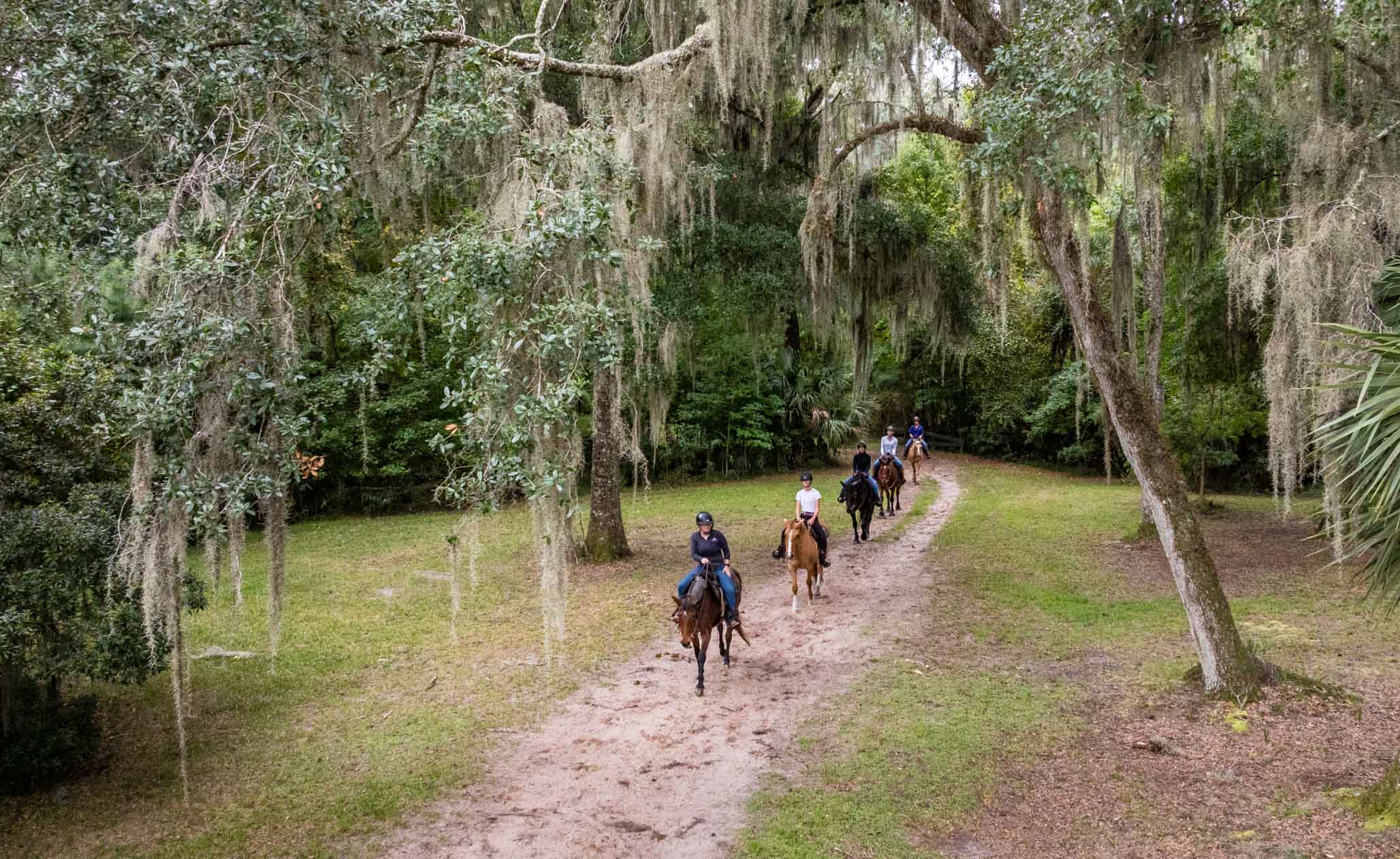
The historical site provides visitors with many opportunities to explore through its meandering paths, guided boat excursions, and horseback riding. As you wander along the preserve, you’ll see freshwater lakes and secluded wetlands that are abundant with diverse wildlife. Migratory ducks flutter throughout the glistening waters while Hilton Head white-tailed deer skip among the tall grass.
Learn More: 4 Reasons to Visit Hilton Head in the Winter
4. Buckwalter Place Greenway Trail
Both locals and tourists are drawn to exploring the Buckwalter Place Greenway Trail. The 1.35-mile picturesque trail is located in a wetlands buffer, with natural elements such as mesic and bottomland hardwoods, calming waterways, man-made lagoons, and planted coniferous forests.
As you journey through the greenway, you’ll hear the sounds of nature as wildlife rustles through the surrounding wooded area. Through the pine timber, deer and other fauna prance while aquatic creatures such as frogs, sirens, and salamanders, among the rarest amphibians in the Lowcountry, swim in the marshlands.
5. Audubon Newhall Preserve
Off Palmetto Bay Road, the Audubon Newhall Preserve is a natural wonder owned and managed by the Hilton Head Audubon Society. Winding through 50 acres, the refuge is home to many unique coastal environments. Outdoor enthusiasts and local birdwatchers frequent the preserve, as it is a stop on the Hilton Head Island Birding Trail.
Along with the diverse selection of birds, you will also see owls, mallard ducks, wood storks, and snowy egrets. The Hilton Head Audubon Society protects precious wildlife and strives to conserve nearby communities and the larger ecosystem through advocacy, educational initiatives, and community research.
6. Pinckney Island National Wildlife Refuge
The 4,053-acre Pinckney Island National Wildlife Refuge features various ecosystems, such as tidal salt marshes, woodlands, meadows, and freshwater ponds, that allow a variety of bird and plant species to thrive. However, animals such as red foxes, alligators, white-tailed deer, and river otters also make up the refuge’s habitat.
Additionally, mountain lions, also known as Carolina cougars, stroll through the expansive sand flats that lead to quiet marsh areas with abundant winter wildlife. Wading birds, such as snowy egrets and white ibis, paint a picture of beauty and tranquility. Pinckney Island National Wildlife Refuge is just as charming as it is dedicated. Their mission is to ensure the survival of native wildlife species by protecting and preserving wildlife and their habitat.
Related: Explore the Pinckney Island Wildlife Refuge
Join the Conservation Community at Palmetto Bluff
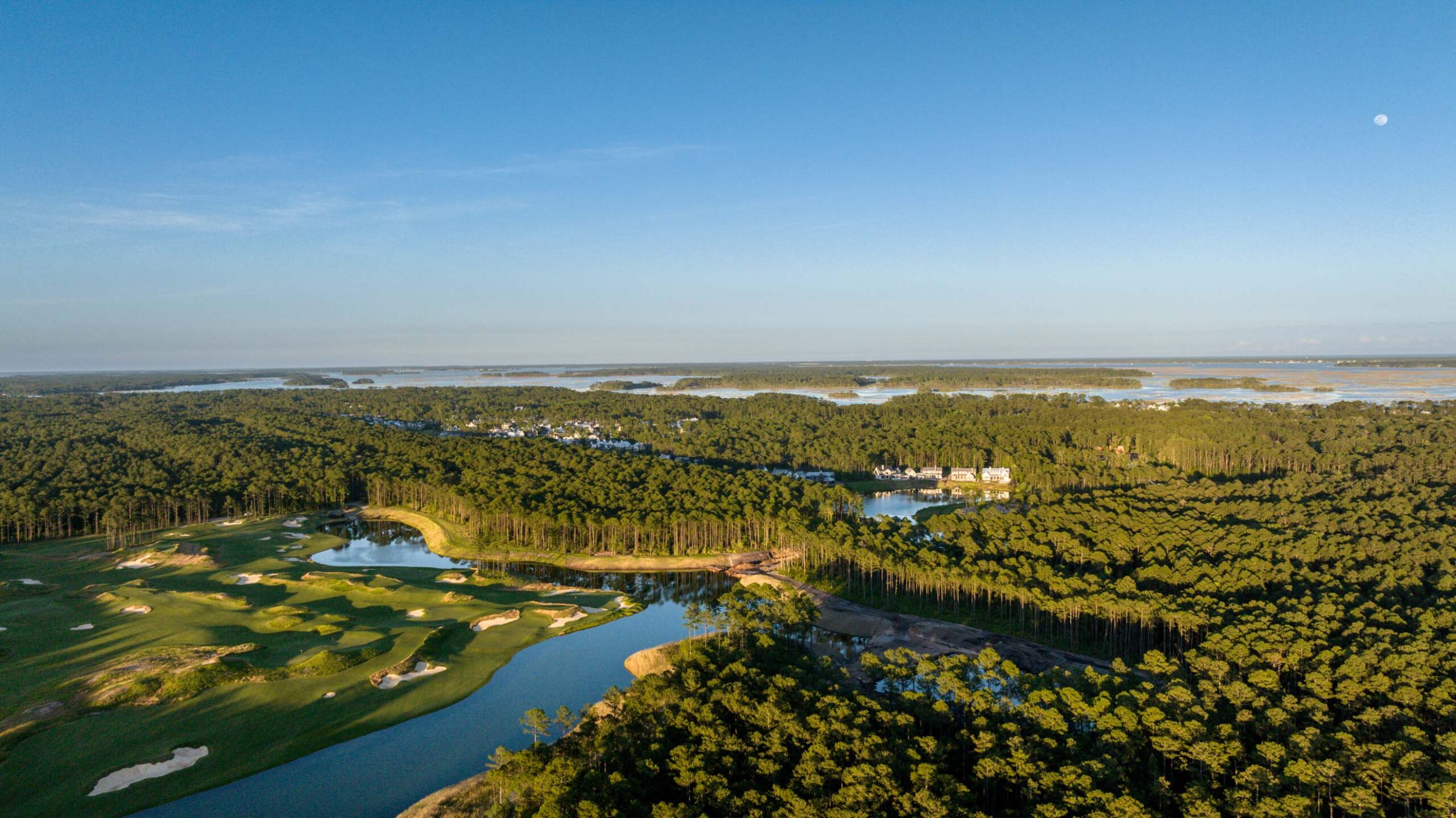
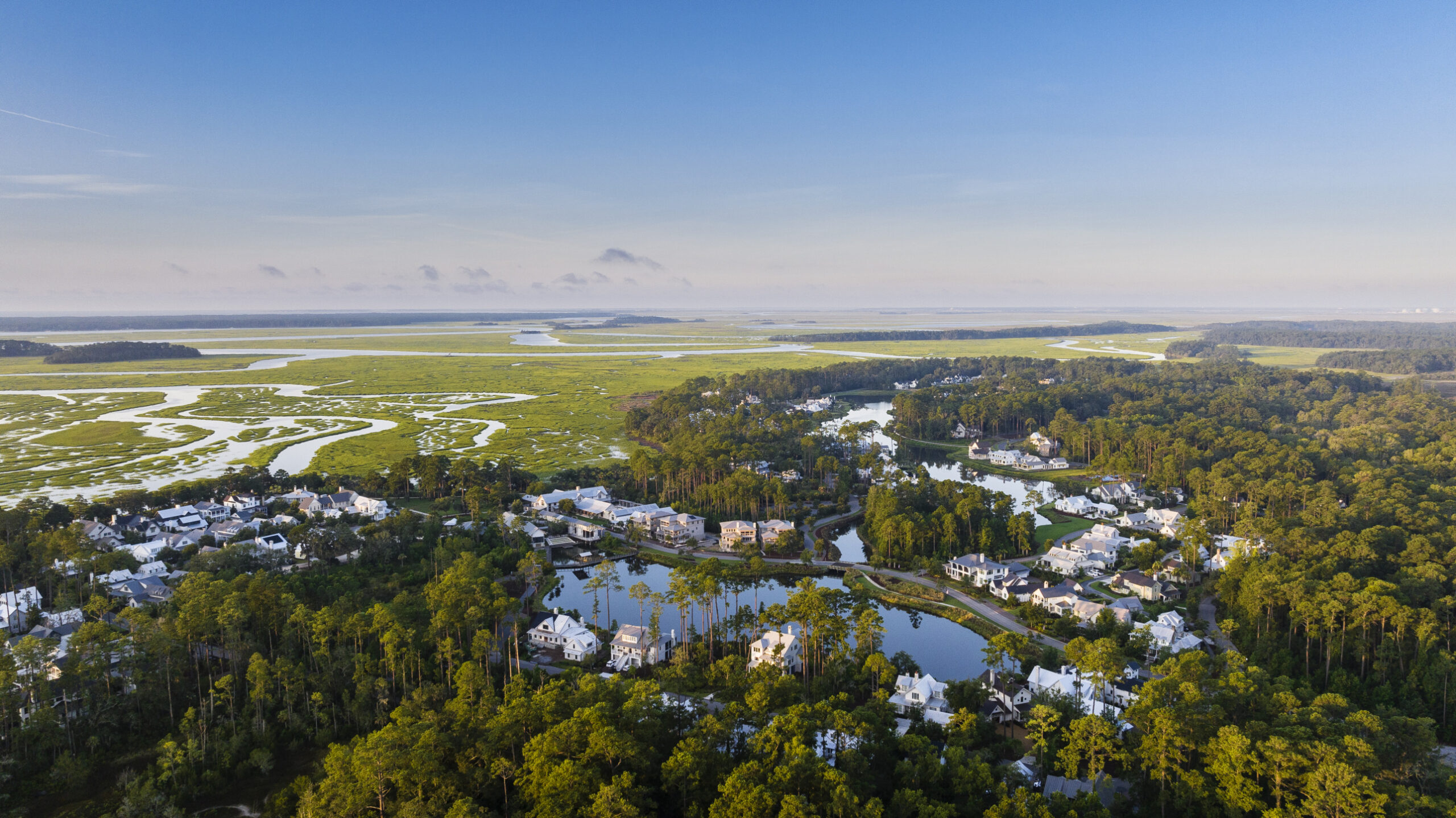
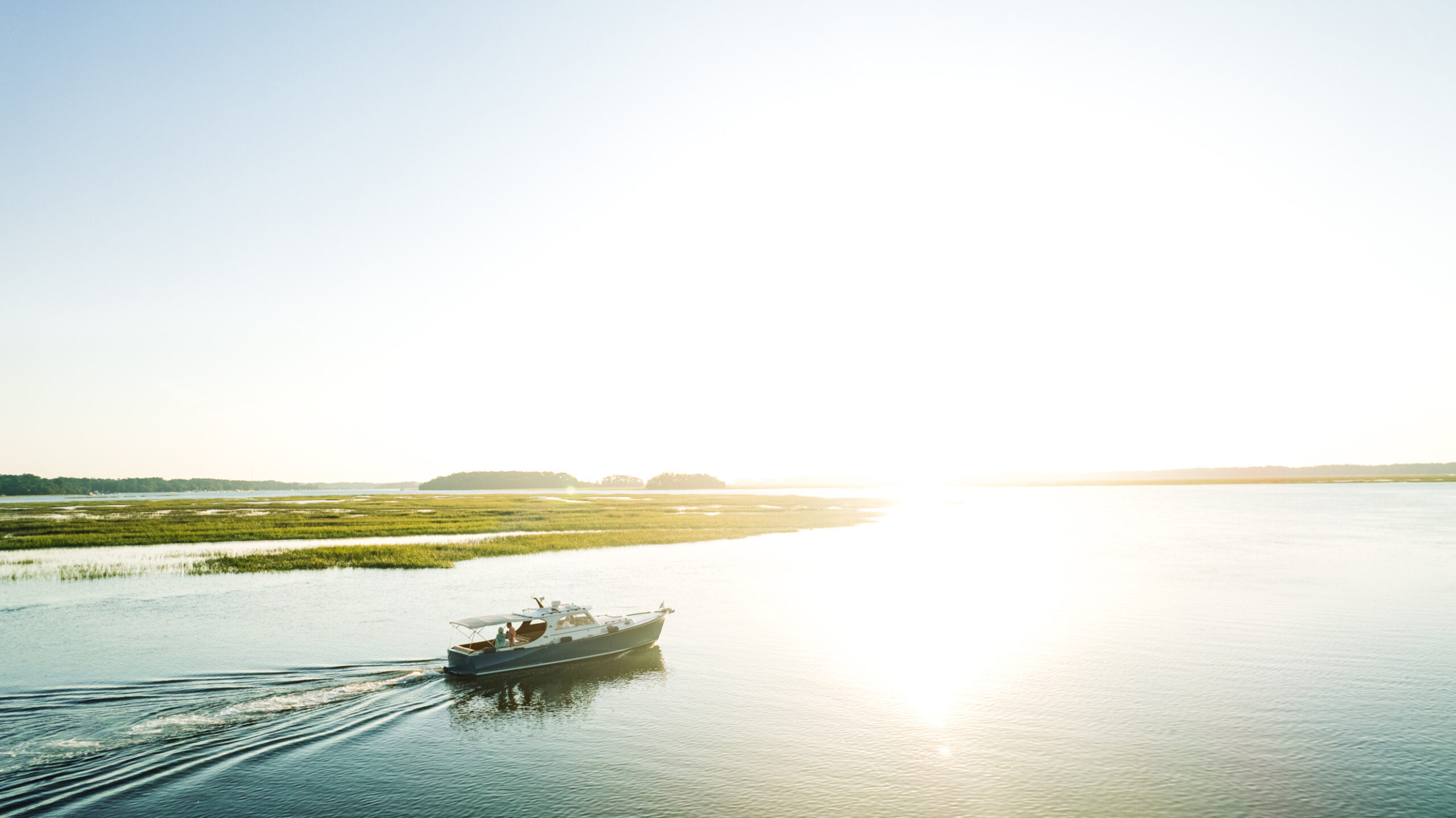
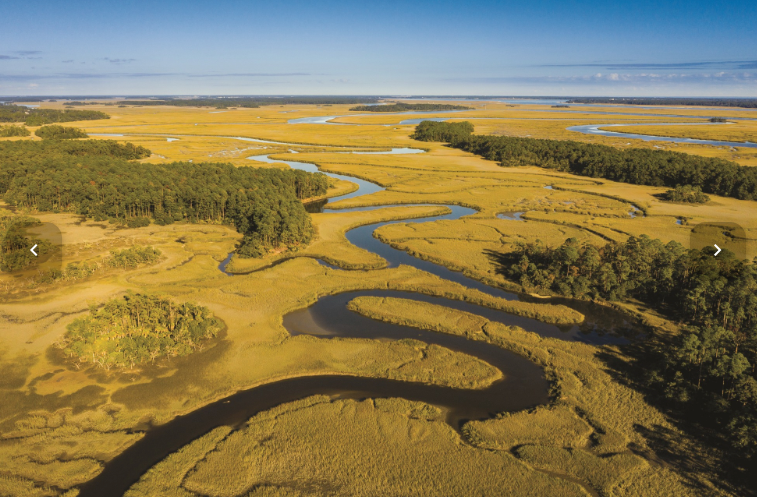
Palmetto Bluff is no exception to the list of places to see winter wildlife. Throughout our 20,000 acres of property, hidden maritime forest trails and winding tidal creeks allow for an intimate view of wildlife. However, the Bluff is not only a place to witness rich wildlife but also to get involved in conserving its environment.
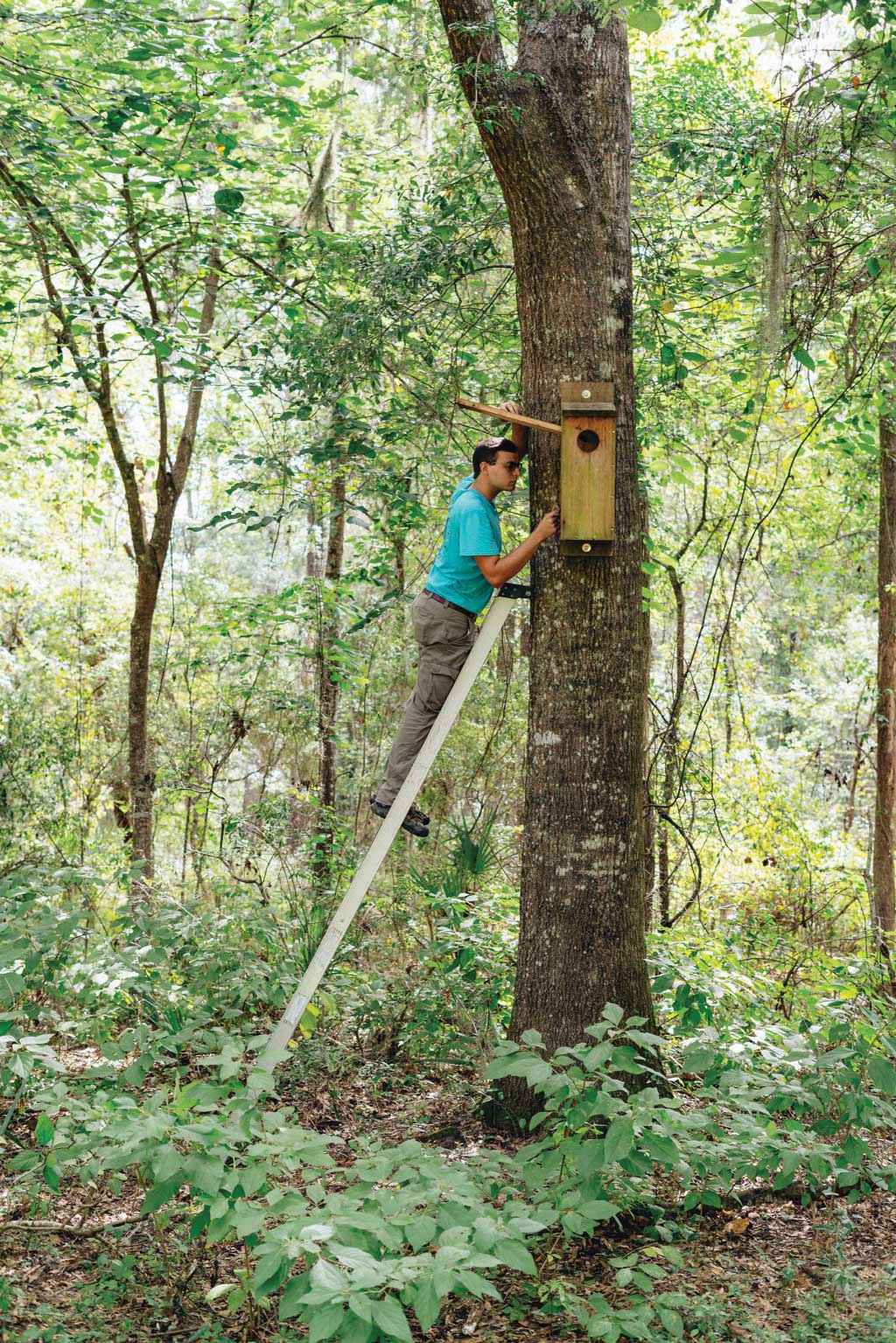
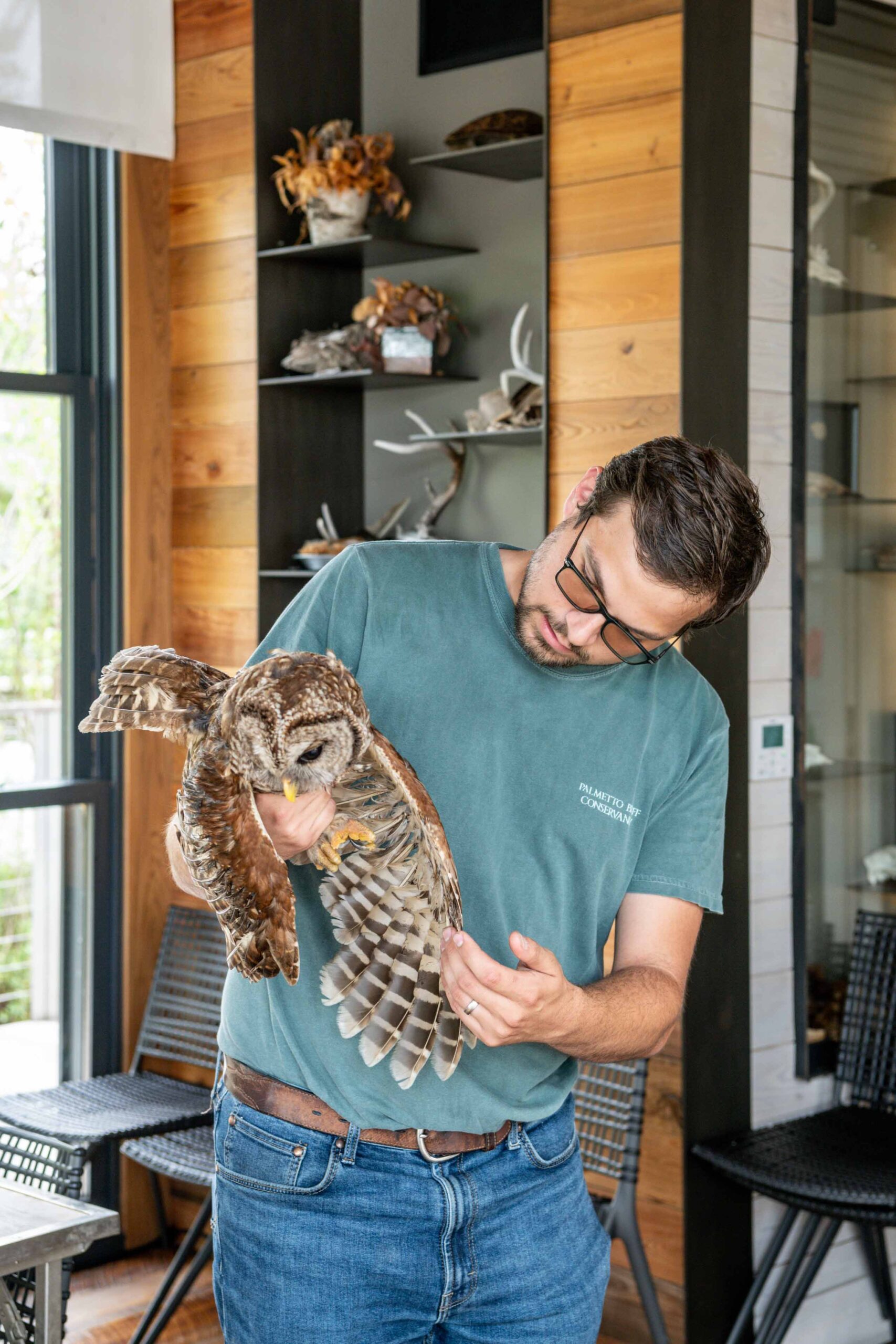
The Palmetto Bluff Conservancy provides endless opportunities to partake in the Bluff’s conservation efforts through environmental educational programs, workshops, field trips, and other events. Experience the Lowcountry’s diverse flora and fauna while learning about preserving the local wildlife and seeing our Conservancy’s efforts come to fruition. To explore Palmetto Bluff properties and experience the best of the Lowcountry, contact a member of our team by clicking the button below.