Written by Palmetto Bluff
Aug 08, 2022
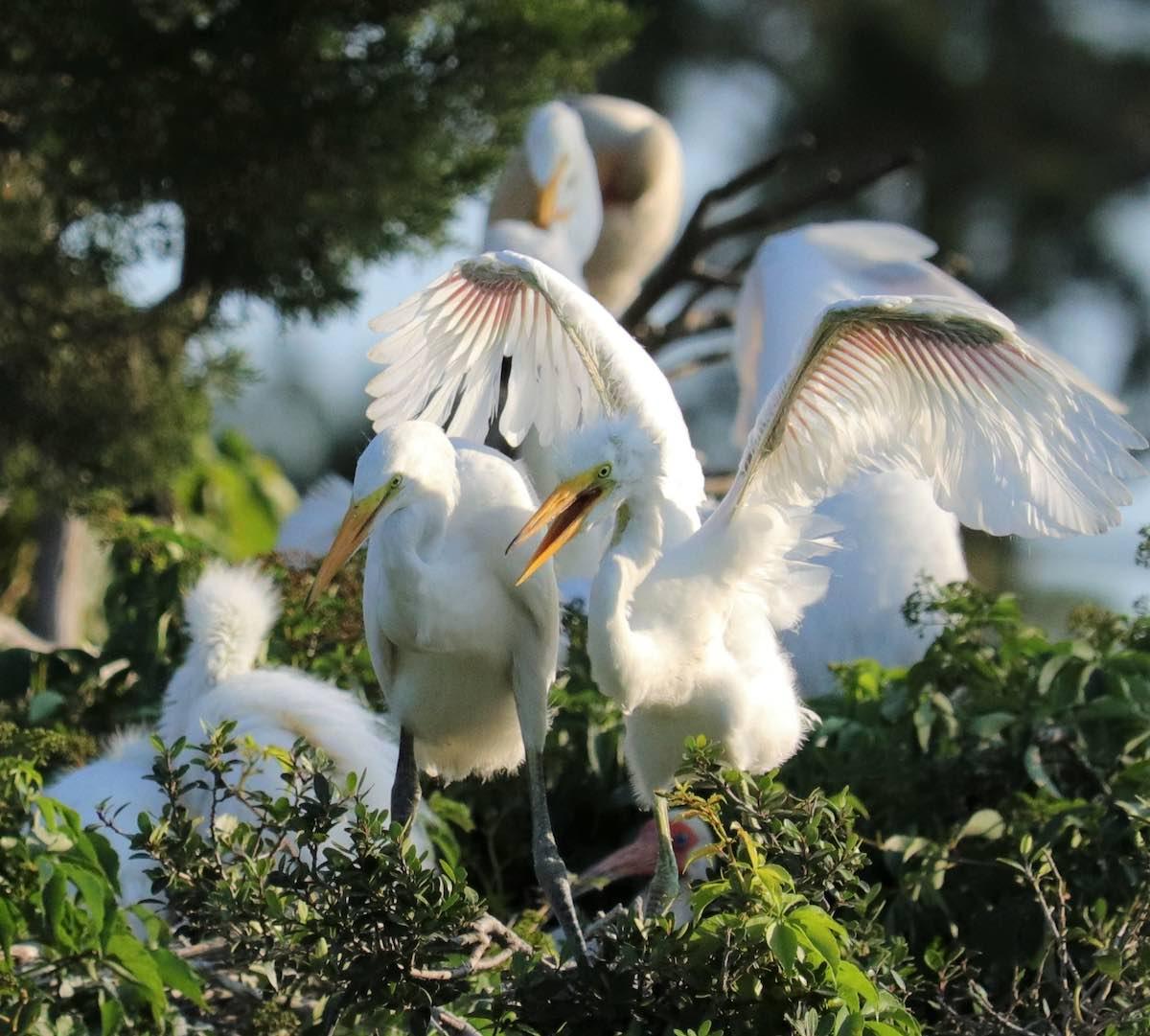
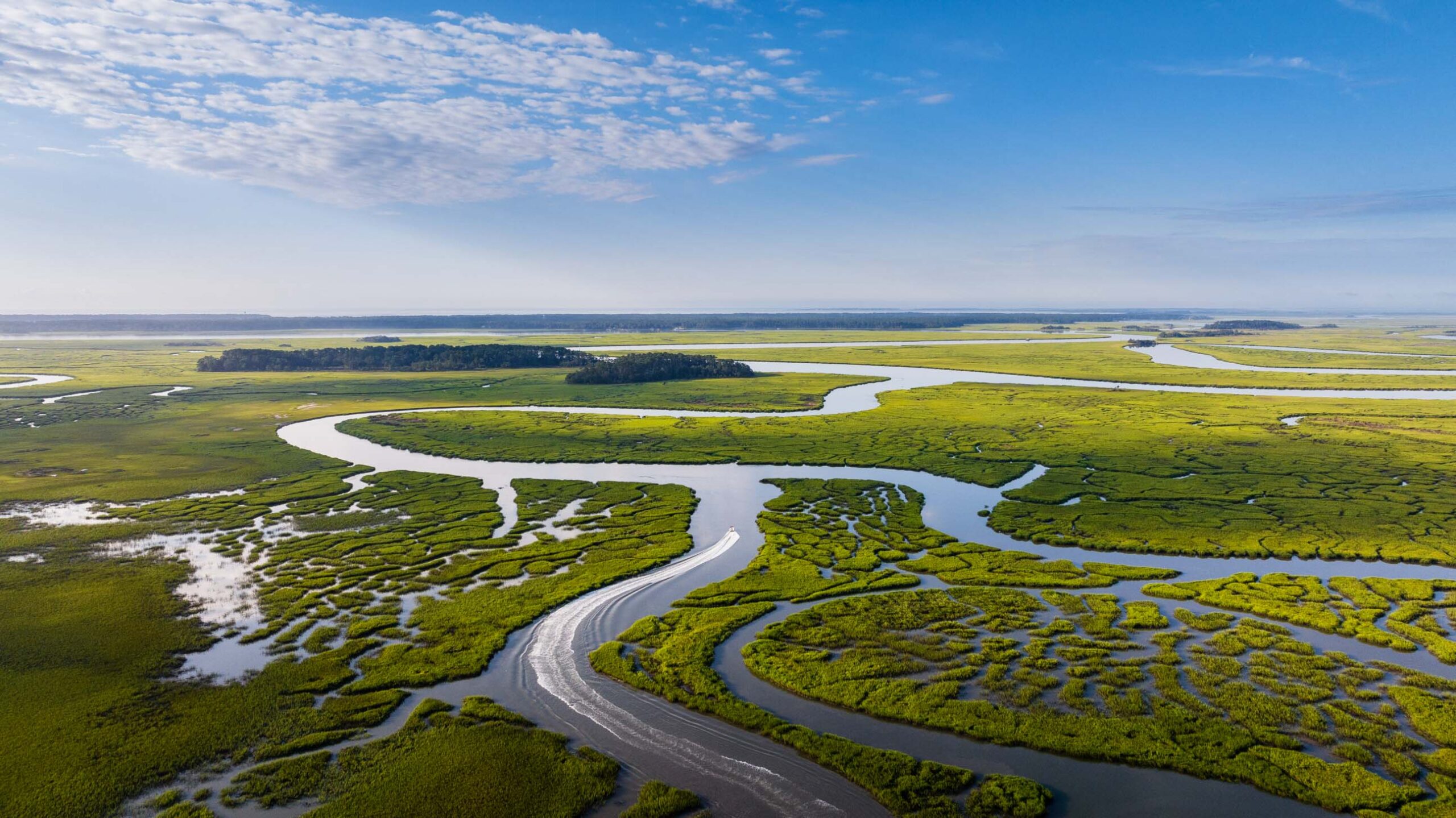
When it comes to going outdoors and enjoying nature, the Pinckney Island National Wildlife Refuge provides the ideal setting. It is a natural oasis that offers a wide range of activities and a number of opportunities to engage with nature. The picturesque scenery will engulf you and provide you with an experience unlike any other.
Read on to learn everything you need to know about the Pinckney Island Wildlife Refuge and what you can do to get involved in the conservation of wildlife.
Despite the fact that the refuge was officially established on December 4, 1975, its history dates go back decades. All of the islands that make up the Pinckney Island National Wildlife Refuge were purchased by Charles Cotesworth Pinckney in 1736. Serving as a commander during the Revolutionary War, Pinckney signed the Constitution and was even a candidate for president in 1804 and 1808.
For more than 200 years, the Pinckney family owned and operated the islands as a plantation before selling them to Ellen Bruce, the wife of a New York banker. During this time, pine trees and other vegetation were planted, and irrigation ponds were constructed to attract waterfowl. Until 1975, the islands were maintained as a game preserve before being officially donated to the U.S. Fish and Wildlife Service to serve exclusively as a national wildlife refuge.

Pinckney Island Wildlife Refuge serves as an ideal destination for tourists and locals alike to delve into nature and experience the true oasis that is the Lowcountry. As with any refuge dedicated to preserving wildlife, there comes a mission statement, as well as a management and conservation plan.
“as a wildlife refuge and as a nature and forest preserve for aesthetic and conservation purposes, without disturbing the habitat of the plant and animal populations except as such disturbance may be necessary to preserve the use of the real property for the purposes above mentioned” and “for use as an inviolate sanctuary, or for any other management purpose, for migratory birds”
In addition to protecting and preserving all threatened and endangered species, this refuge also provides nesting habitat for migratory and resident birds.
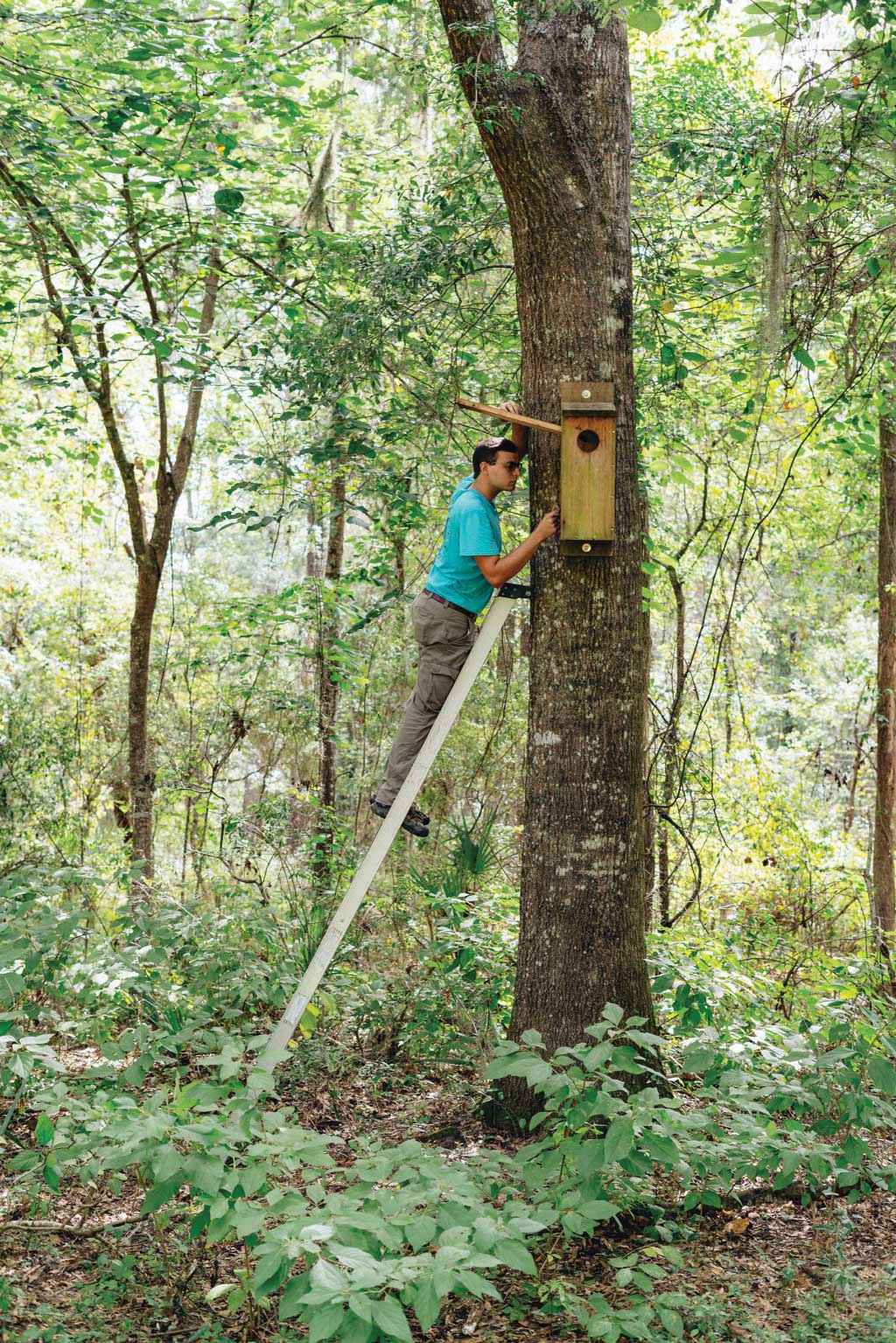
The mission statement as well as a few management objectives will help us to understand what land management and conservation look like for this natural habitat. The island does not have direct staff members, however, the responsibility is shared among the Savannah Coastal Refuge Complex, which extends throughout Georgia. Along with the Savannah Coast staff, many dedicated volunteers help to maintain the efforts.
Pinckney Wildlife Refuge encourages both interpretive and recreational activities, including hunting, fishing, observation, and photography, each with its own rules and regulations. Conservation efforts depend on public use and education, so the role that visitors play in conservation is significant.
Related: Our Promise to Keeping Palmetto Bluff Wild & Beautiful
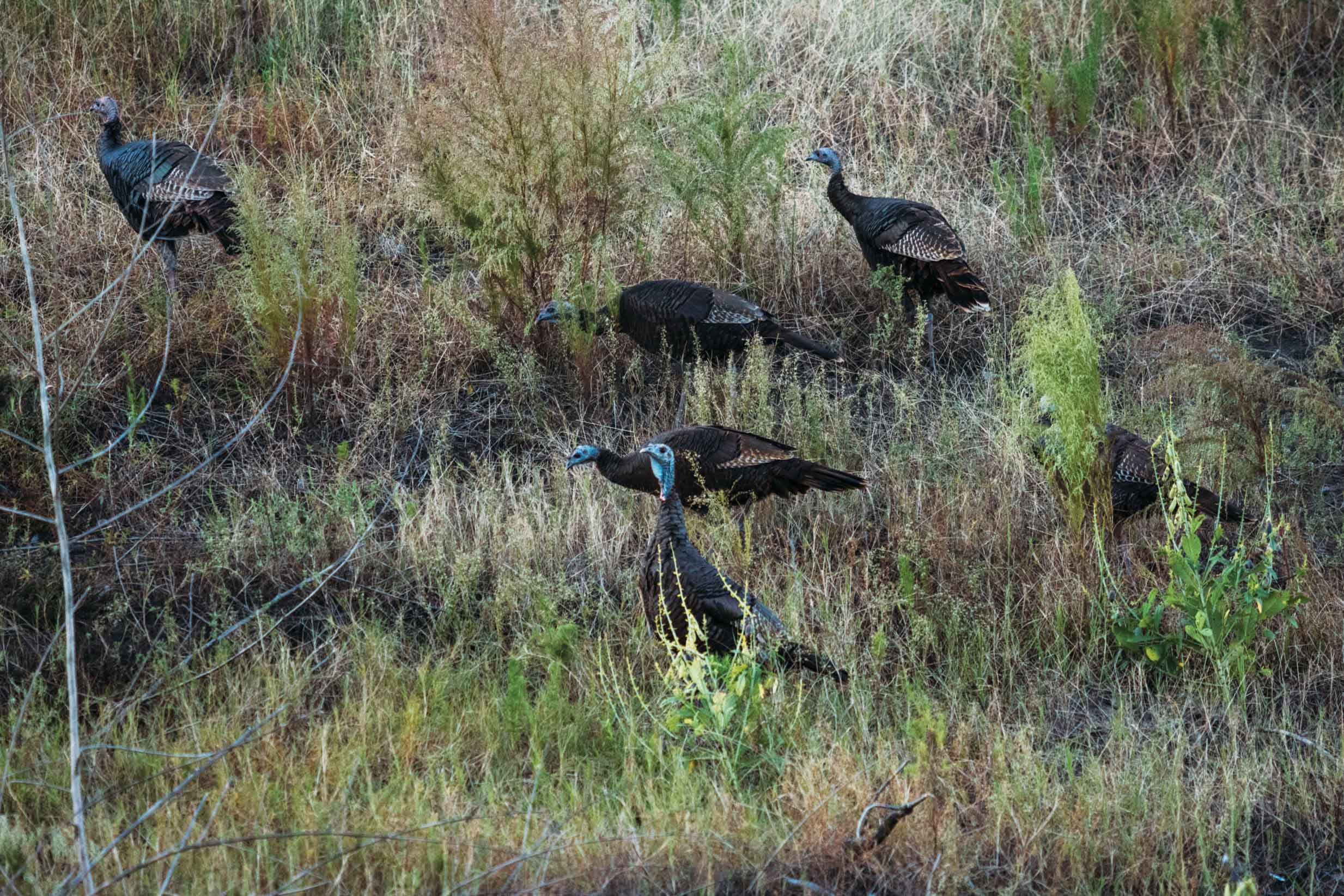
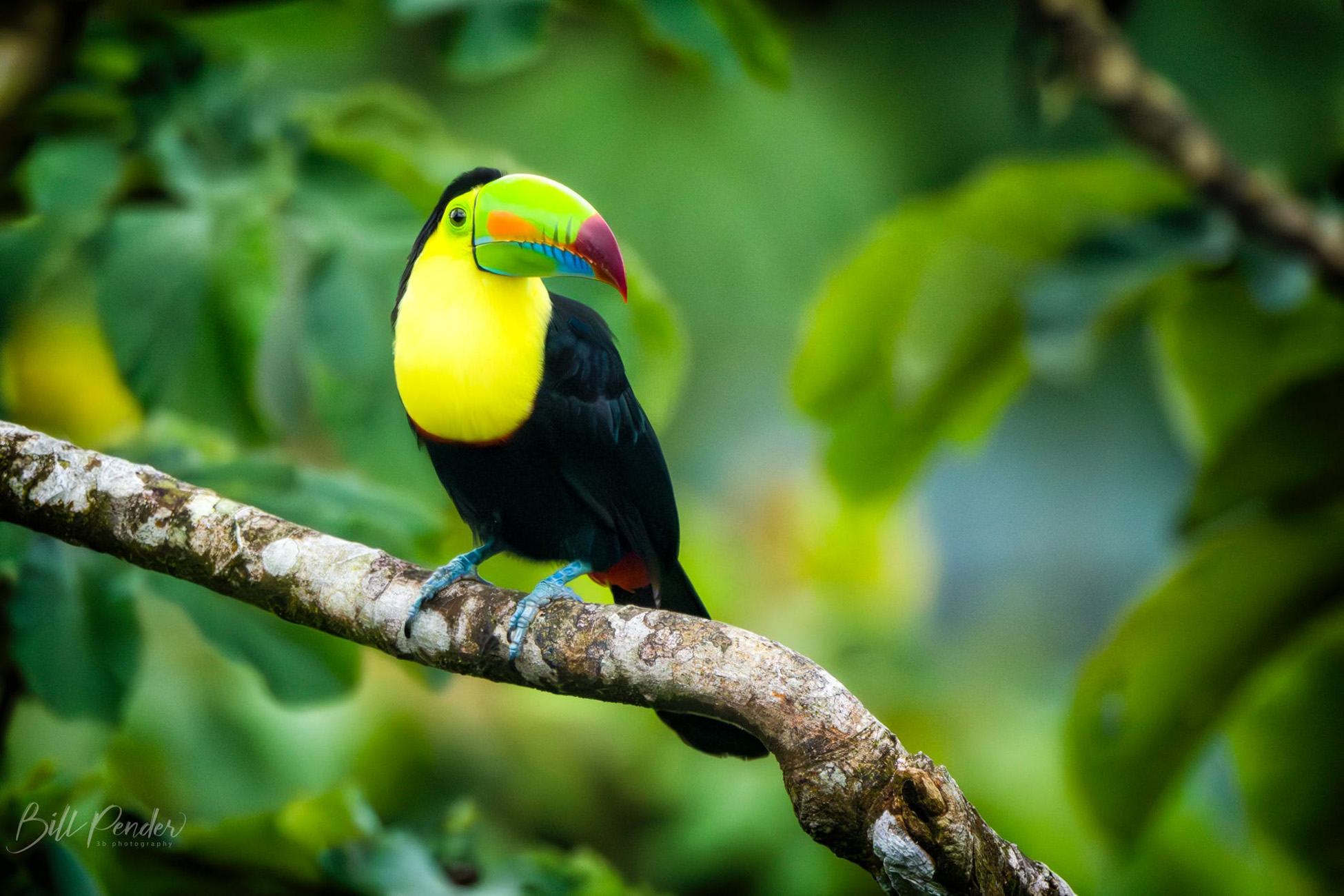
At the refuge, you can observe over 250 different species. Throughout the area, wading birds such as tricolored herons, snowy egrets, and non-breeding wood storks can be seen. Other critters you may observe include:
Cottonmouth snakes
White-tailed deer
Bobcats
Fox squirrels
River otters
Red foxes
During your visit to this natural oasis, you will be observing and protecting many species, some of which may be endangered. Despite the fact that you should always be cautious and keep your distance when interacting with wildlife, you will be able to have a first-hand experience like no other.

You have a wide variety of options when it comes to getting involved and contributing to conservation efforts at Pinckney Island Wildlife Refuge. Landowners and locals can help the Fish and Wildlife Service by restoring land and educating the community about the local environment.
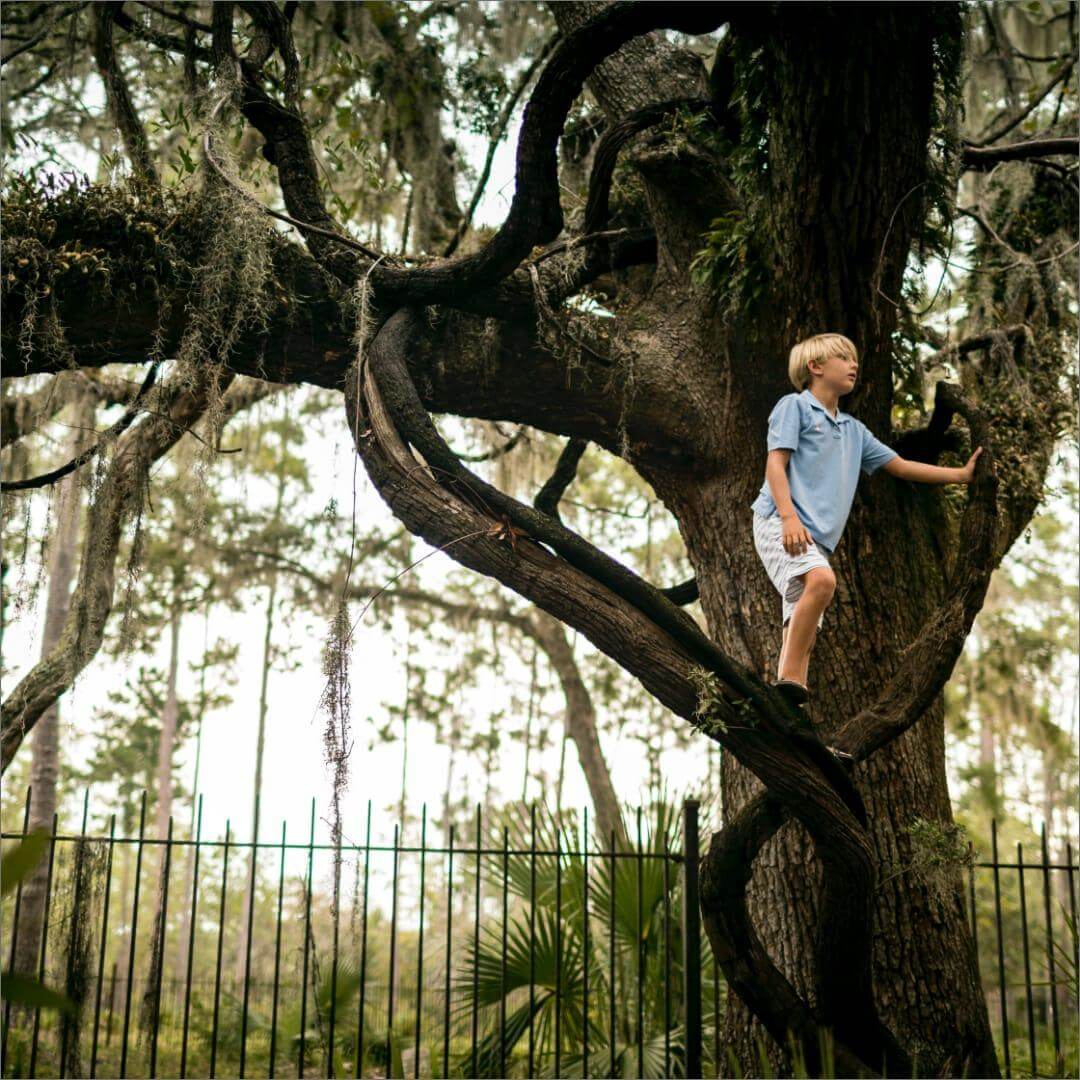
In addition, both paid and unpaid leadership opportunities are available for youths to learn and develop their skills. In addition to gaining new skills, volunteers will be able to build new relationships within the community, and enjoy contributing to generations of effort.
Please visit Volunteer.gov to begin your journey and contribute to Pinckney Island Wildlife Refuge conservation efforts.
The Pinckney Island Wildlife Refuge offers visitors the opportunity to explore the most natural aspects of the Lowcountry. Visitors and Lowcountry natives alike will enjoy the many trails and maps available for exploration.
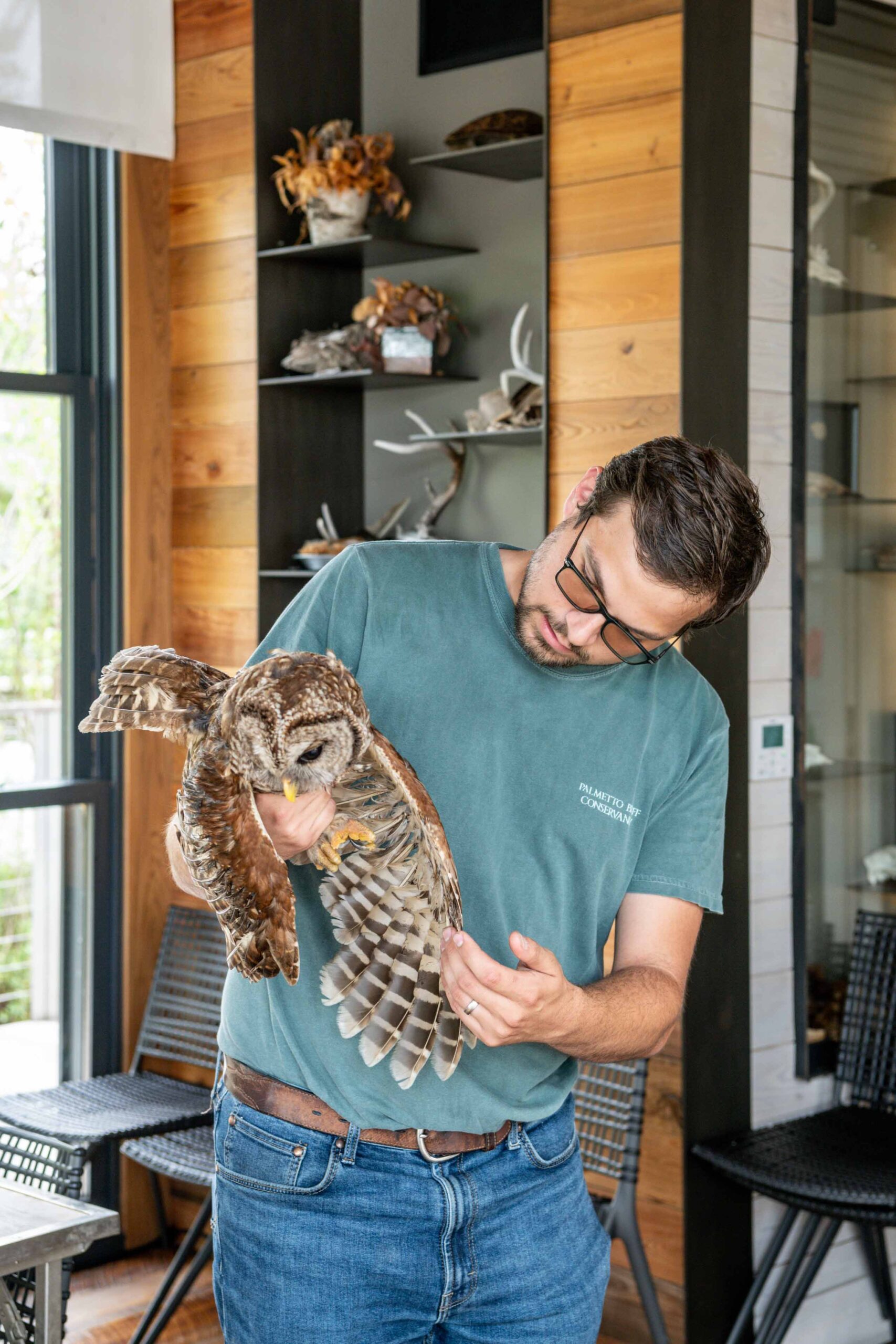
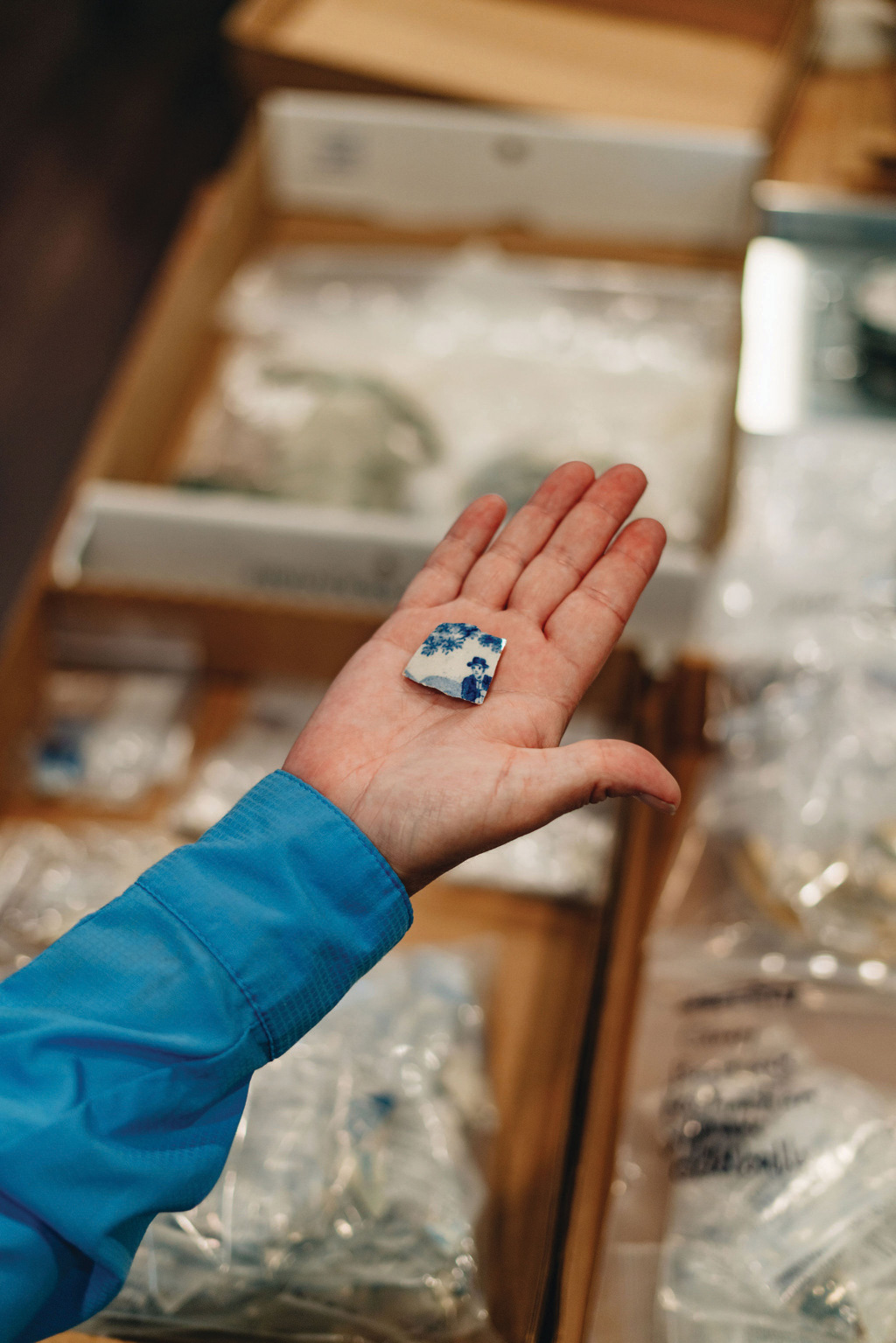
A hands-on experience is available at the Conservancy at Palmetto Bluff, which showcases the community’s conservation efforts. The sustainability and conservation efforts are demonstrated through educational workshops, bird watching events, and live demonstrations such as fire management. In addition to learning about the wildlife of the area, you’ll get a chance to see endangered species. Click the button below to visit Palmetto Bluff and start your next adventure.