Conservation // 7 min Read
Lowcountry Canvas

Written by Palmetto Bluff

Visionary land planner Mark Permar reflects on Palmetto Bluff’s rich history and its enduring connection to the land. With Anson on the horizon, the legacy of designing with nature lives on.

How did you first get involved with Palmetto Bluff?  

I believe it was the fall of 2000. Crescent Resources purchased the holdings from Union Camp and my wife Diana was involved in that transition. At the time, the Crescent team was led by Jim Mozley. He conducted a tour of Lowcountry communities and when he came to Kiawah, we gave him the grand tour. After that visit, Jim reached out to me and asked if I would like to be part of the team that was evolving a new concept for Palmetto Bluff. And, of course, I said yes.

Tell me about your first visit. 

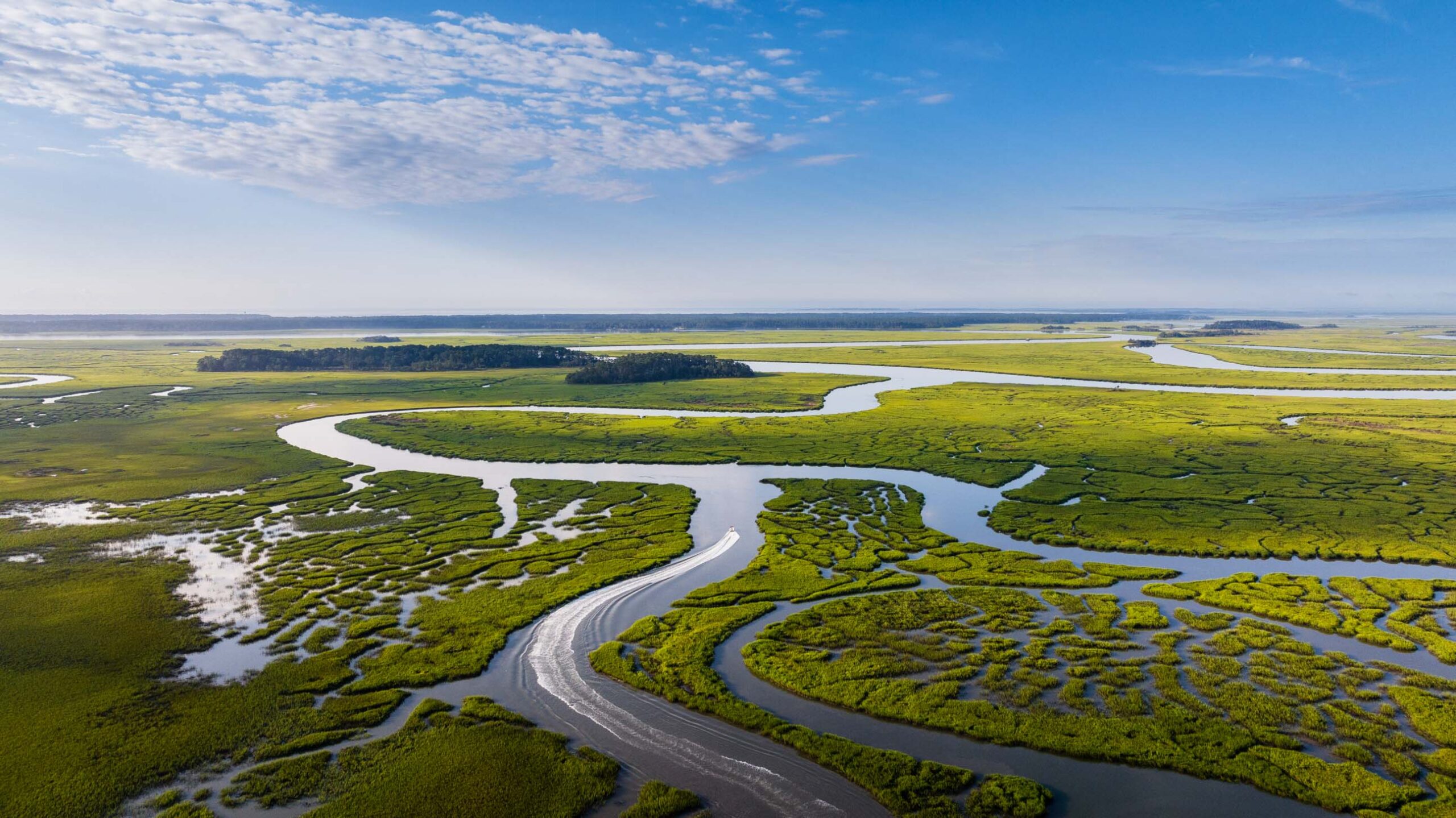
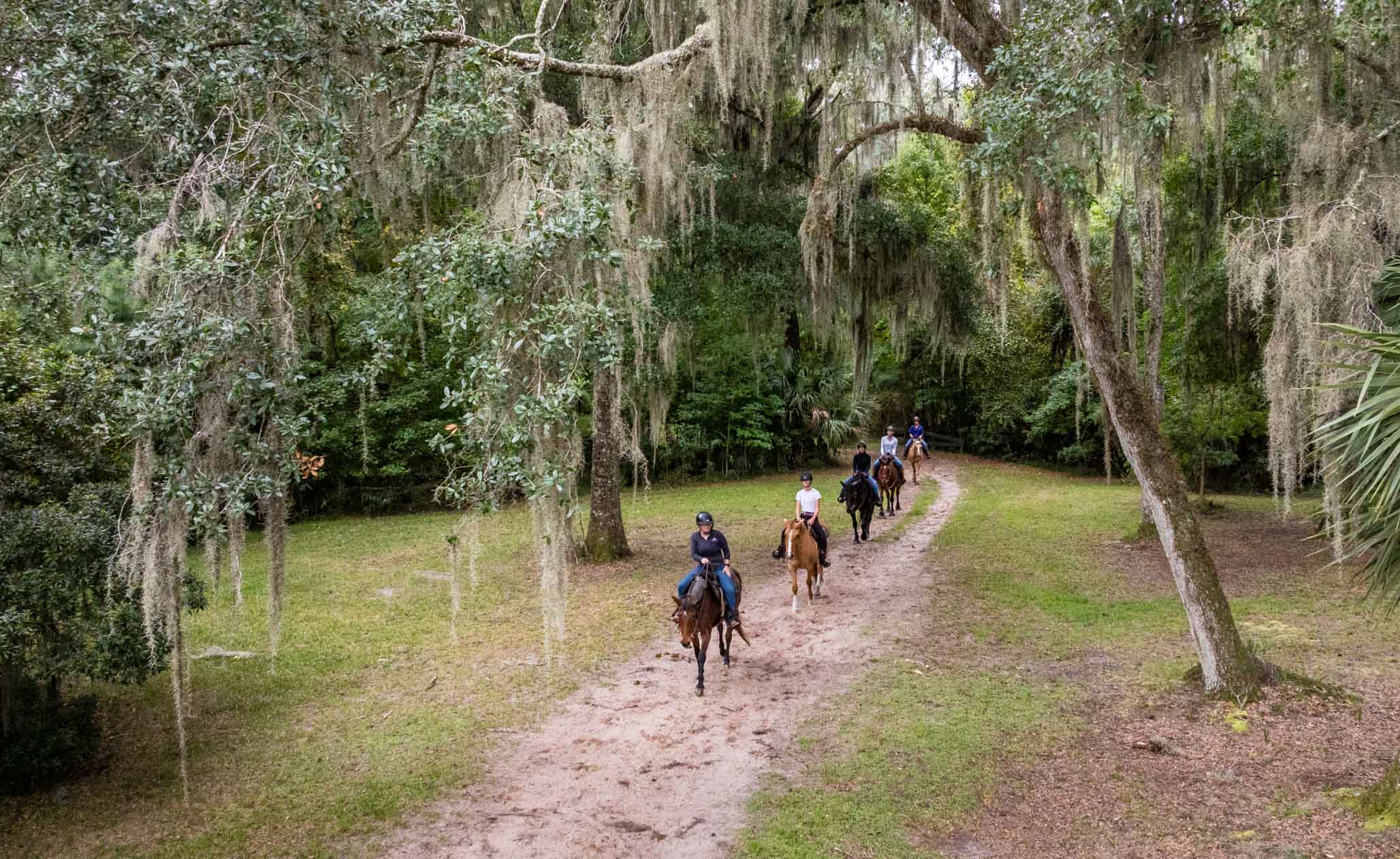
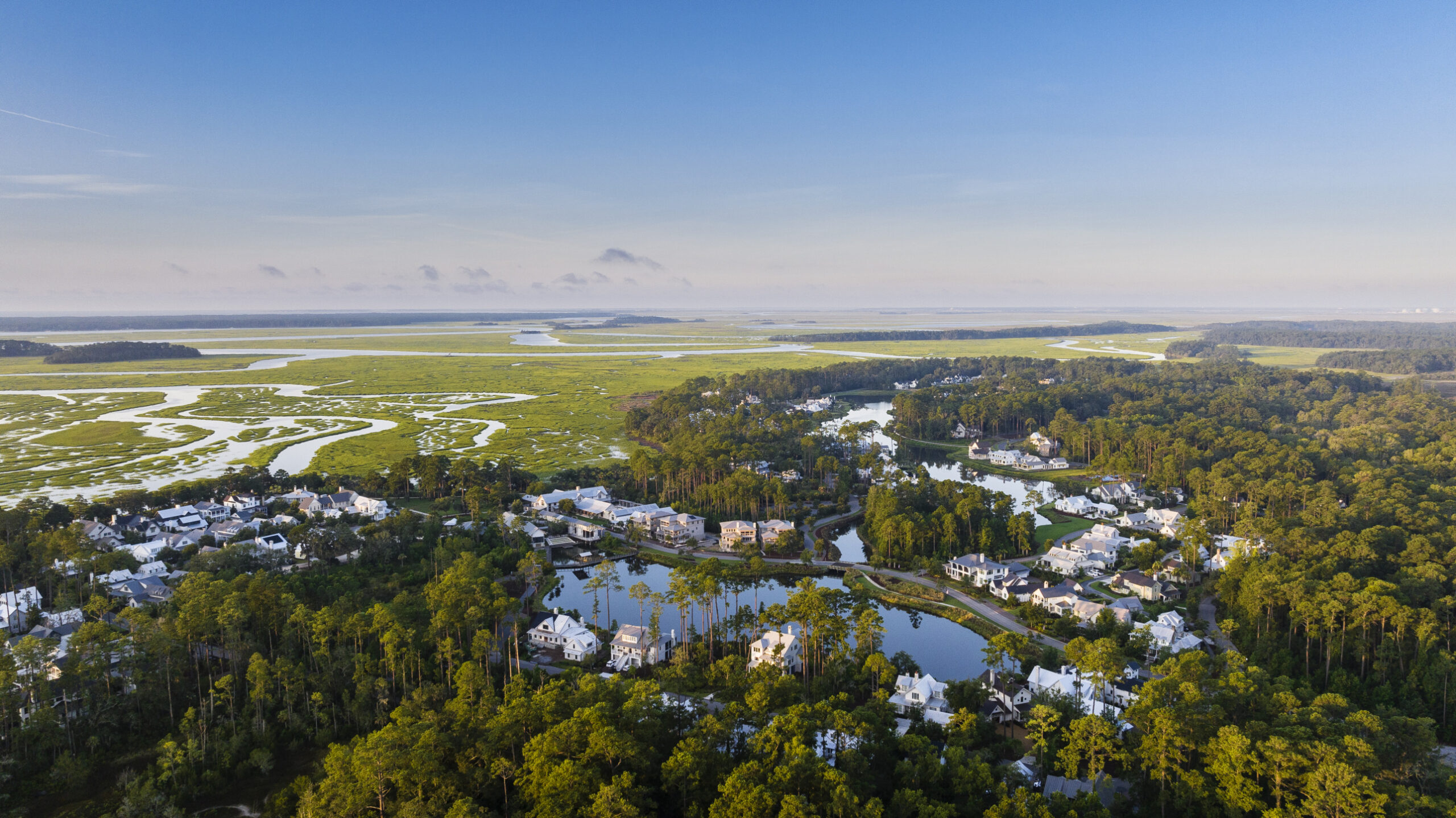
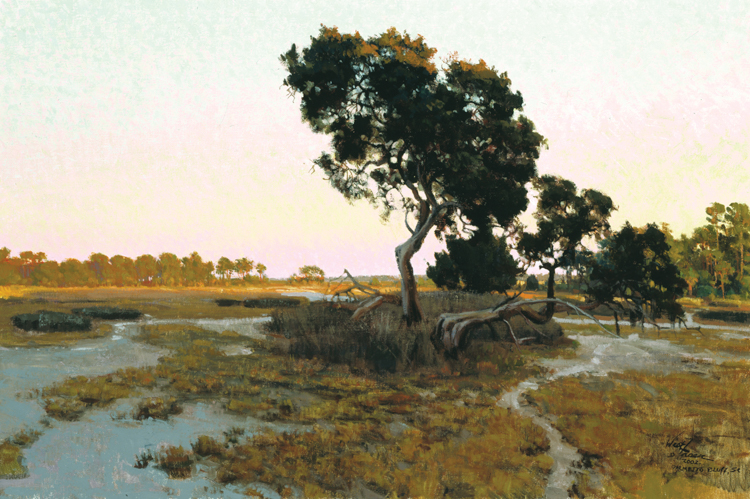
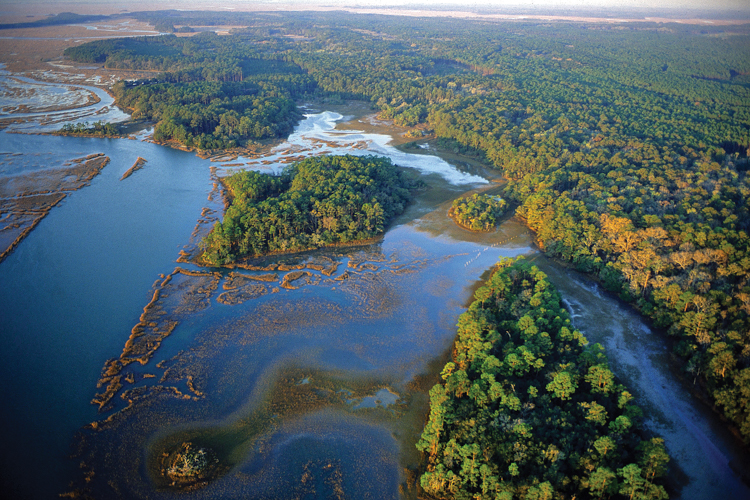
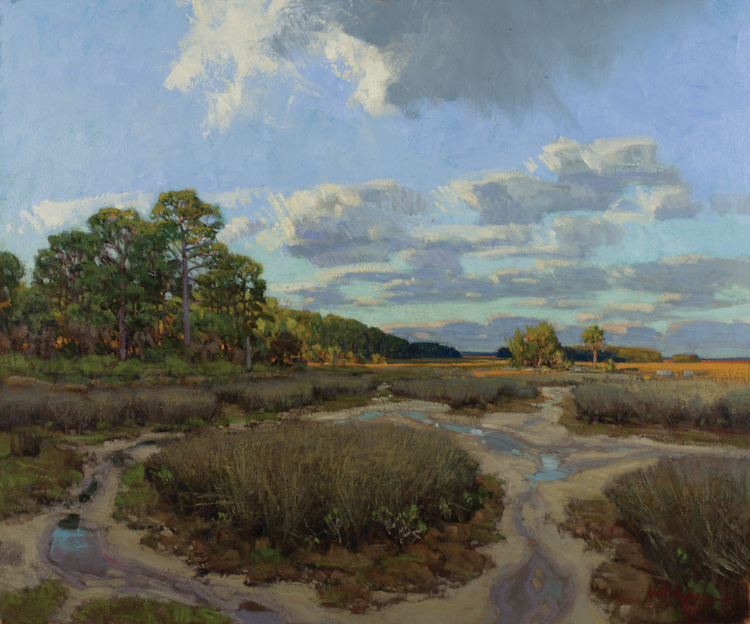
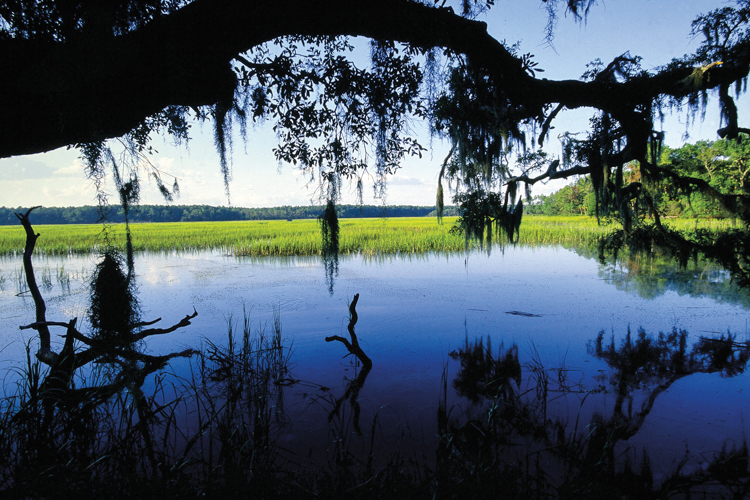
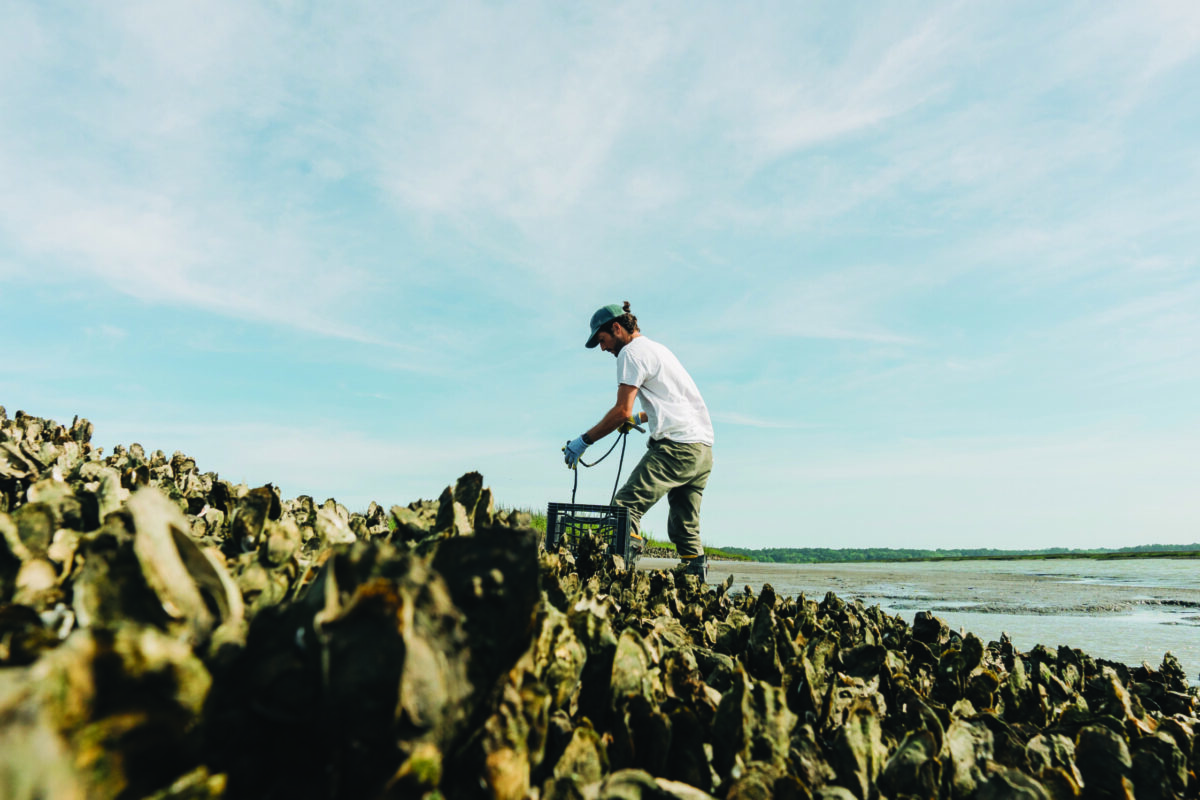
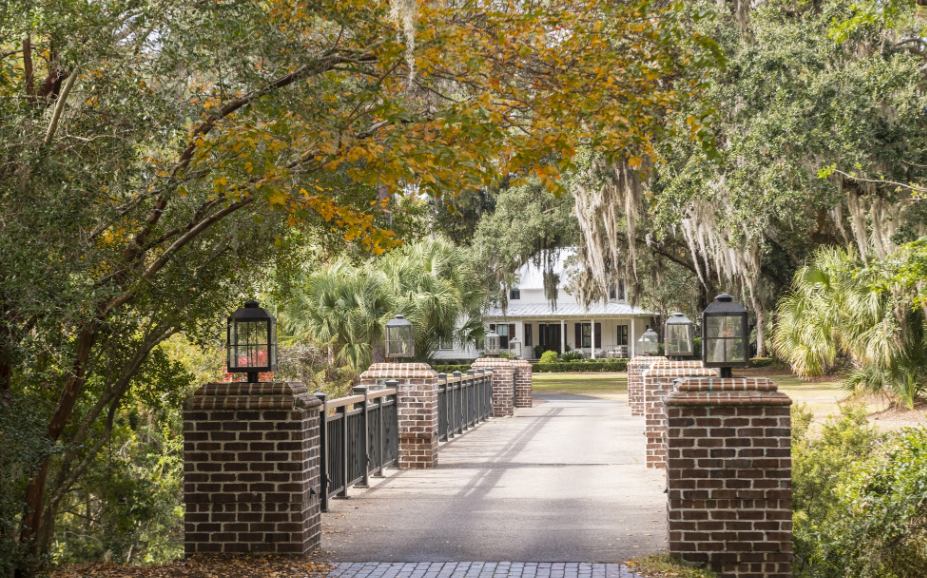
I had heard a lot about the property, mostly from Diana, but seeing it with my own eyes—it took your breath away. It was quintessential Lowcountry land—the vastness of it and its relationship to the surrounding riverine and marshland. It was Fall and the Lowcountry is very unusual during the transition of the marsh grasses, from rich green to golden, almost like wheat. And so it was a powerfully visual day. The sun was right, the breeze was right, the temperature, the humidity. You’re first in a dense maritime forest laden with oaks and pines and magnolias with occasional open savannas, then you bump out to the marsh edge and look over the May River. The contrast in micro environments was compelling, but also the seamlessness of the natural environment—it was very stirring. 
What was the vision for Palmetto Bluff?

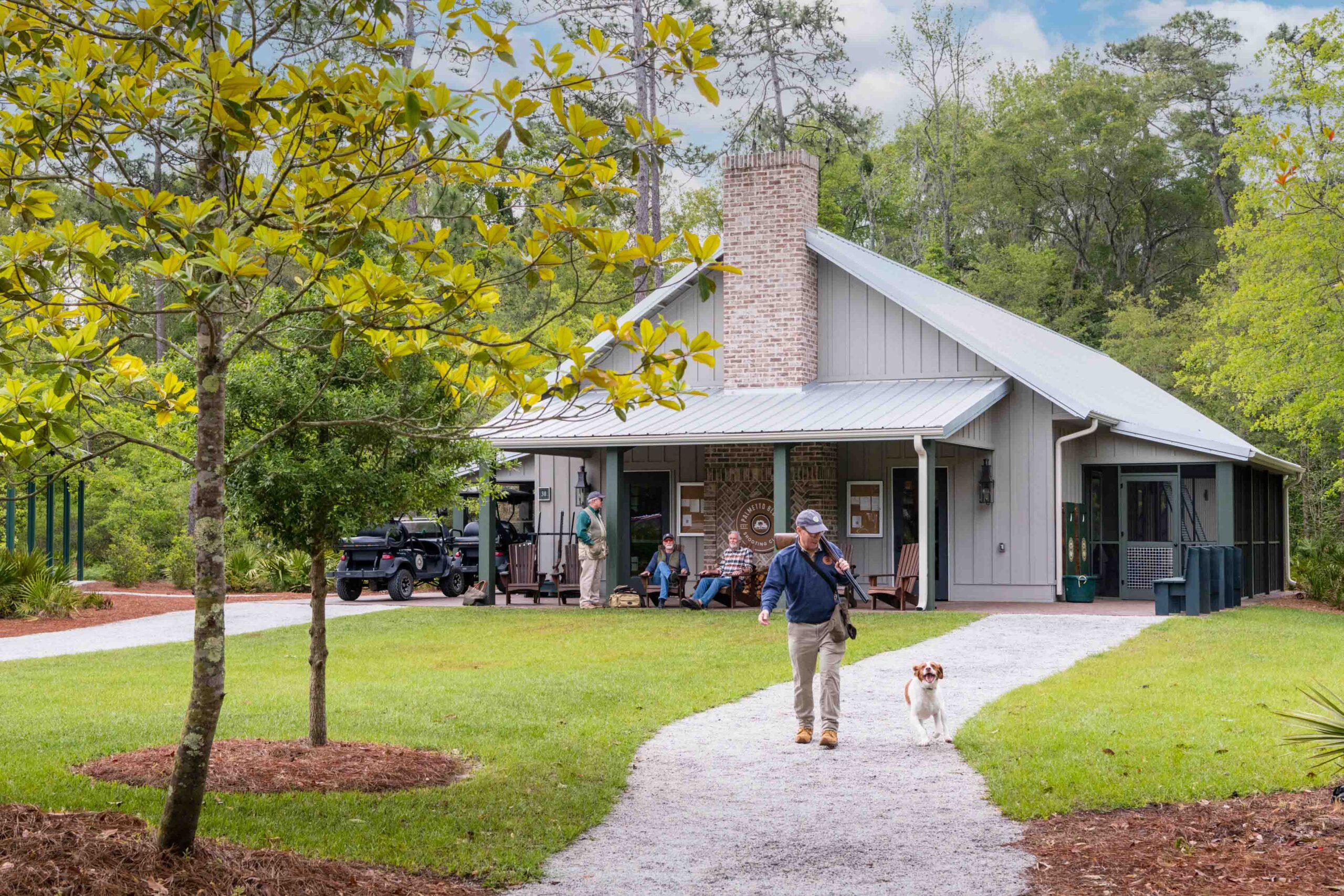
Mozley assembled an internal team of experienced professionals and brought in Dave Howerton [of Hart Howerton]. We were charged with developing a comprehensive plan. From the beginning the mantra was that this is a place not a project. Jim consistently reminded us that it all begins with the land. At the outset, the highest priority was to assess the natural features of the land through a lot of intense analysis. Through that analysis the team identified the best areas for “settlements”. Wilson Village was the first, Moreland Village was second. And Anson was to be the potential third. The choice to start with Wilson Village was logical because there was already evidence of settlement there—the ruins of the Wilson mansion. 

What set the comprehensive plan apart during that era of development?

From the beginning, it was really important that future settlements within Palmetto Bluff be modest in scale and woven with the natural environment. The team conducted a lot of studies of coastal communities such as Beaufort, Bluffton, Rockville and the old village of Mt. Pleasant, as well as the northeast. We wanted to look at how these settlements evolved over time. The scale, buildings, and roadway system of Wilson Village borrows from this history. And that was really different from what other developments were focused on in the eighties and nineties. At that time, there was a lot more intense development, more commercial and resort activity, and more density. But that wasn’t the kind of buyer Palmetto Bluff wanted to appeal to. 

How did the look and feel of Wilson Village evolve? 

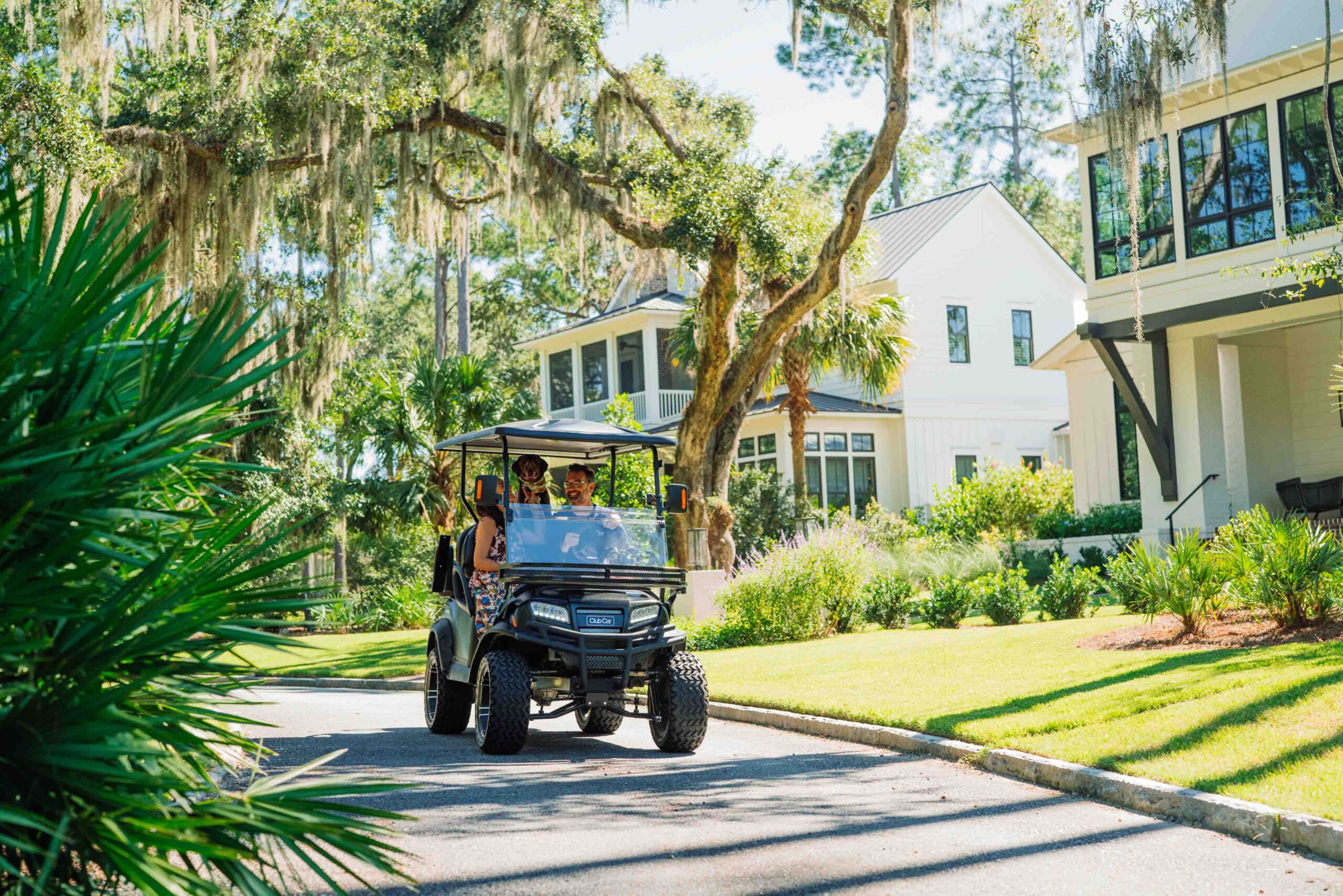
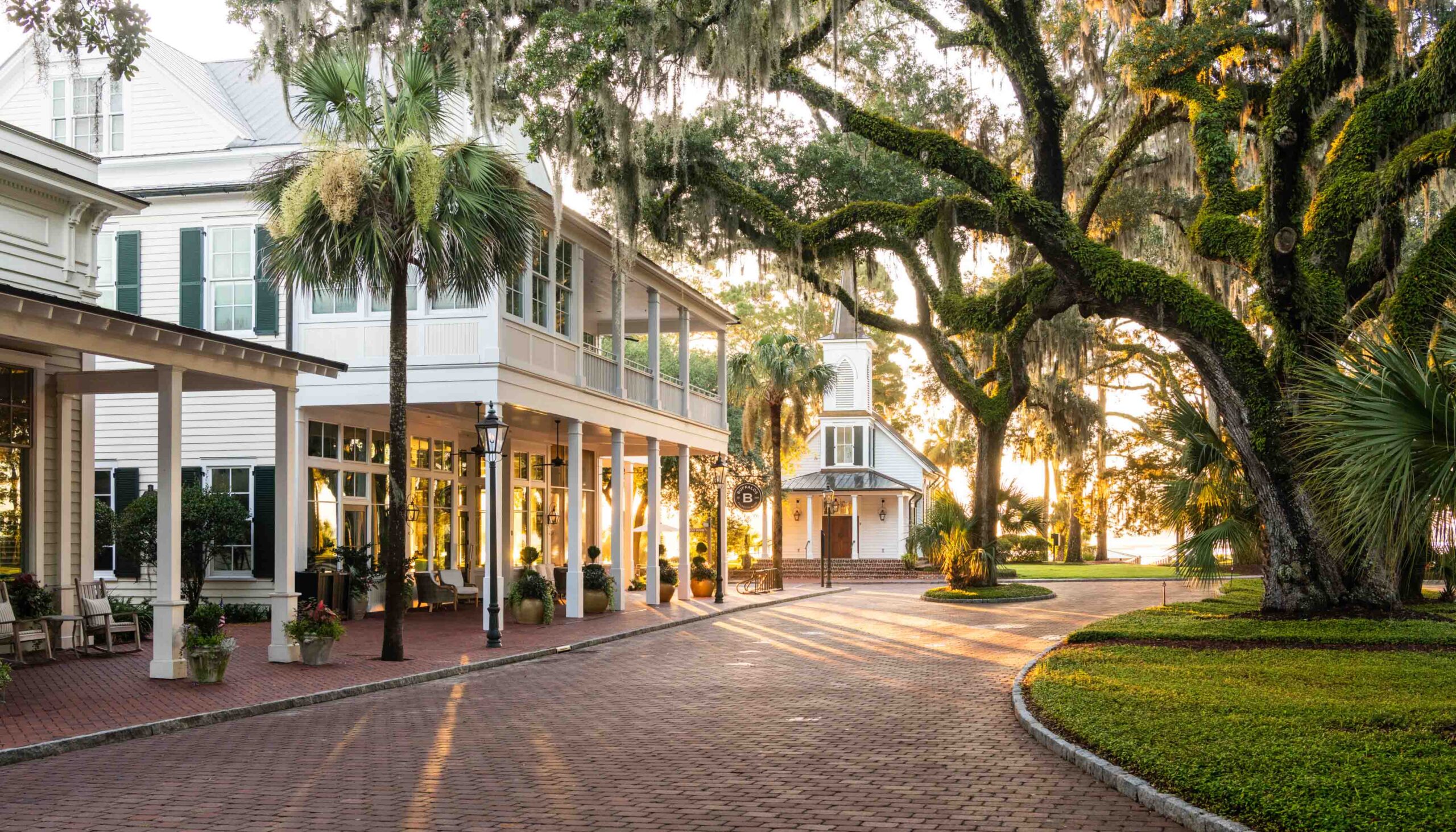
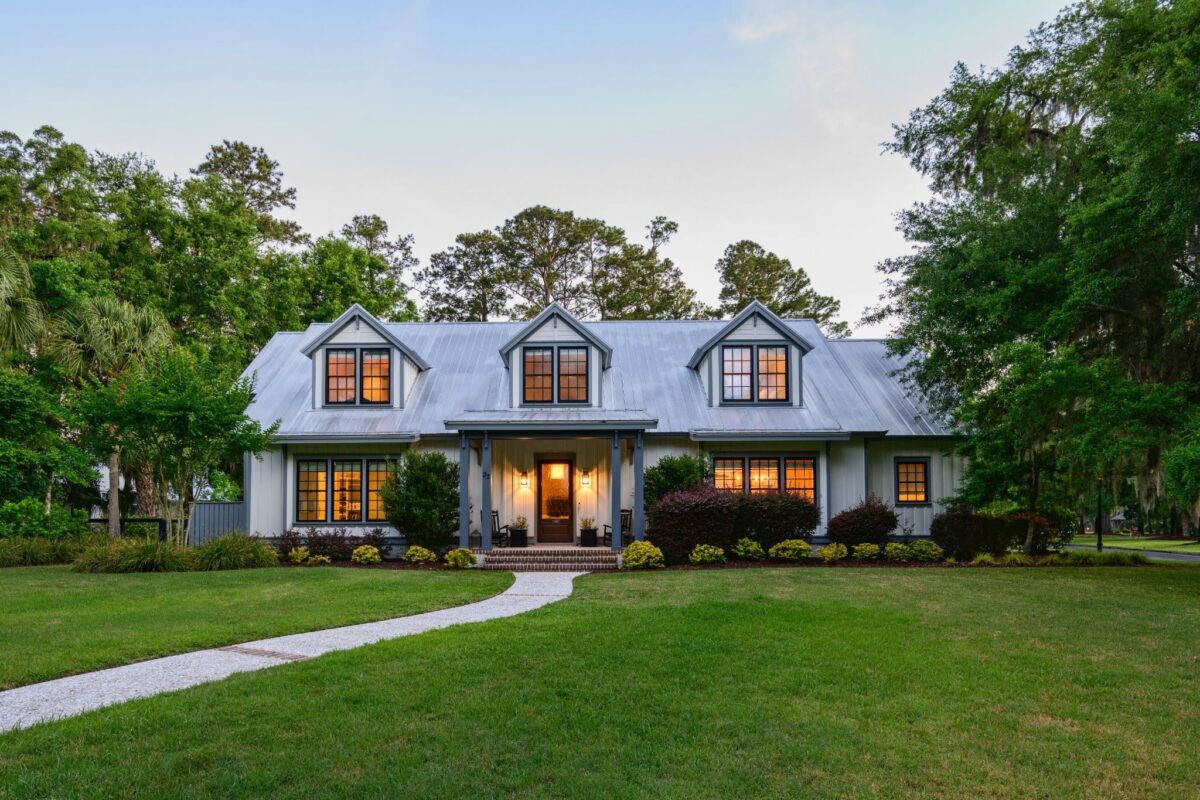
The idea was to develop settlement areas that were appropriately scaled for the natural features, that retain as much of the natural setting as possible. We wanted the siting of homes to be such that it looked like they had been there for a lot longer than they had, woven into the tree canopy. We did three dimensional surveys—with topography and tree forms—and those were used as the basis for how to shape a house to a site. The team was fortunate to work with skilled and experienced architects who found ways to snuggle the homes within the natural setting. It was challenging and fun at the same time. So now Wilson Village looks like it’s been there a lot longer than it has. It appears that it has grown up with the trees. Then it became more intuitive. The team didn’t over-analyze it, we just tipped toward a subtle and elegant scale.

What is it like to be working on this project again after so many years?  

I have had the luxury of being involved in community development projects continuously, like I am at Kiawah Island. But it’s been really interesting to reconnect to Palmetto Bluff and look at it with fresh eyes. I can see how each setting has matured and what lessons we can learn from their evolution. I feel very fortunate to reconnect with the Hart Howerton team and continue the community development work with South Street Partners. I can’t think of a better team to carry the vision forward.

How does that inform the development of Anson? 

Now we are thinking about how to transfer the original philosophy to Anson—recognizing that the natural conditions are subtly different. It’s not on a bluff, it’s closer to the natural elevations of the marshlands. So we’re looking at the prior studies of Anson from the early 2000s with the Hart Howerton team and making adjustments and refinements based upon experience. Site analysis and assessment is a continuous responsibility. 

Tell me about the vision for Anson?

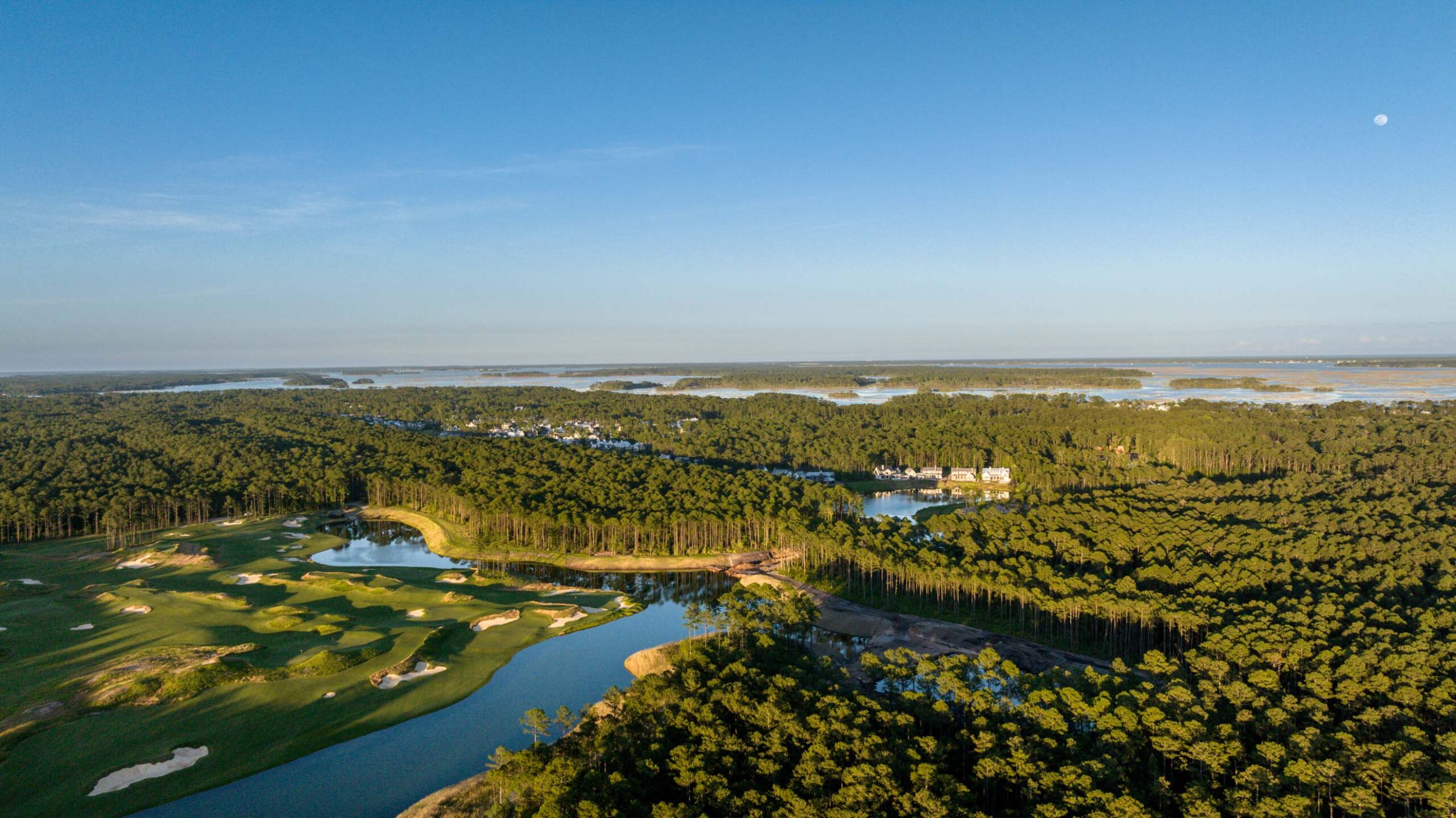
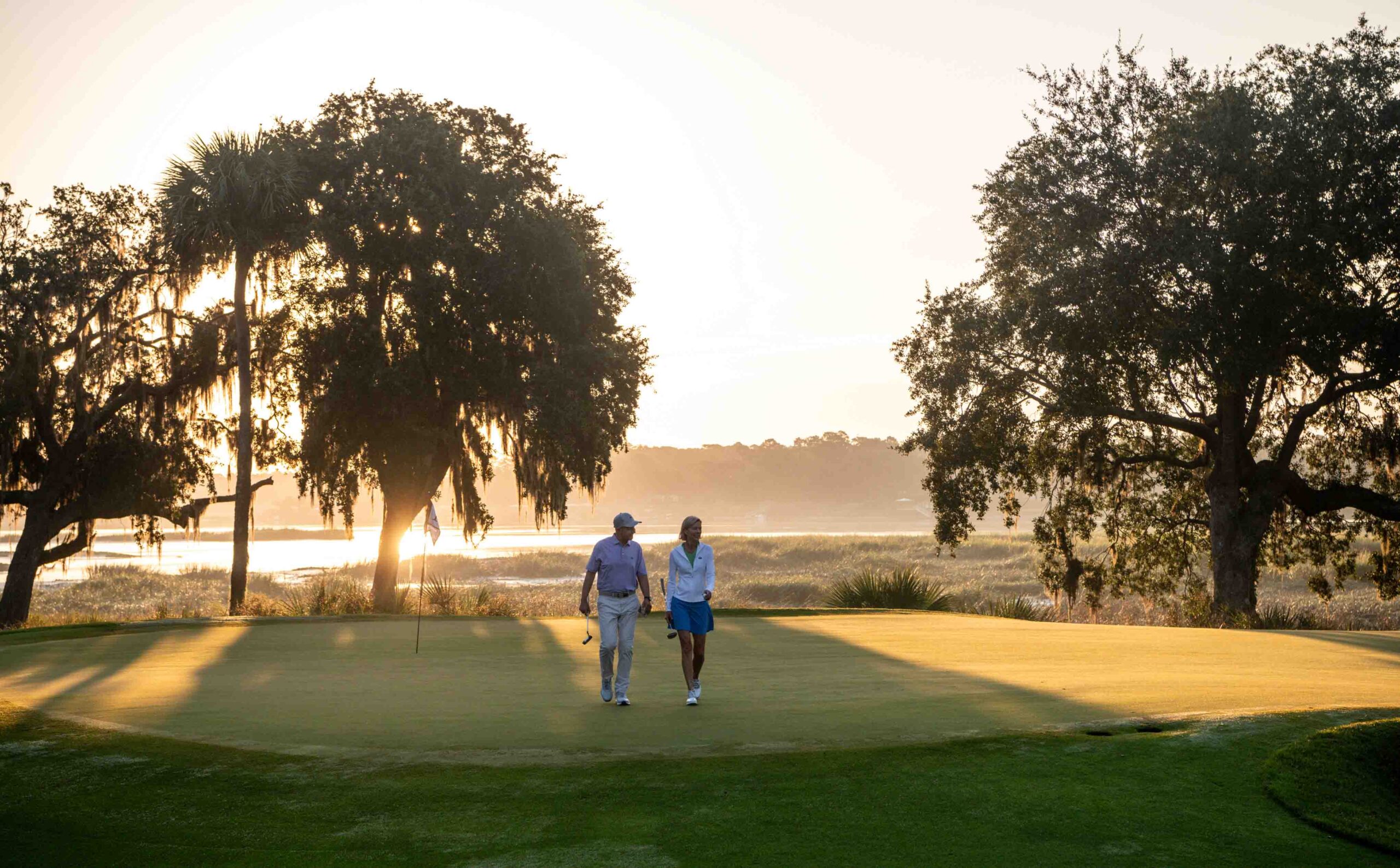
Anson will be scaled appropriately for its setting and will continue the concept of Designing With Nature. Right now, the focus is how best to integrate the planned wet and dry marina operation on the New River and construction of the golf course. Walking the golf course site now, you can begin to clearly visualize the rhythm of play and how the course will connect to the natural framework. Coore and Crenshaw have such a respect and soft touch to the existing conditions. They don’t excessively alter the topography, they work with existing natural features. In a certain way they do not create the place, they reveal the place that exists. Within a short time the course will feel like it has been there much longer than its true age. It will be a beautiful compliment to the May River and Crossroads courses and will provide members diversity in play. 

How does Anson feel different from Wilson or Moreland?

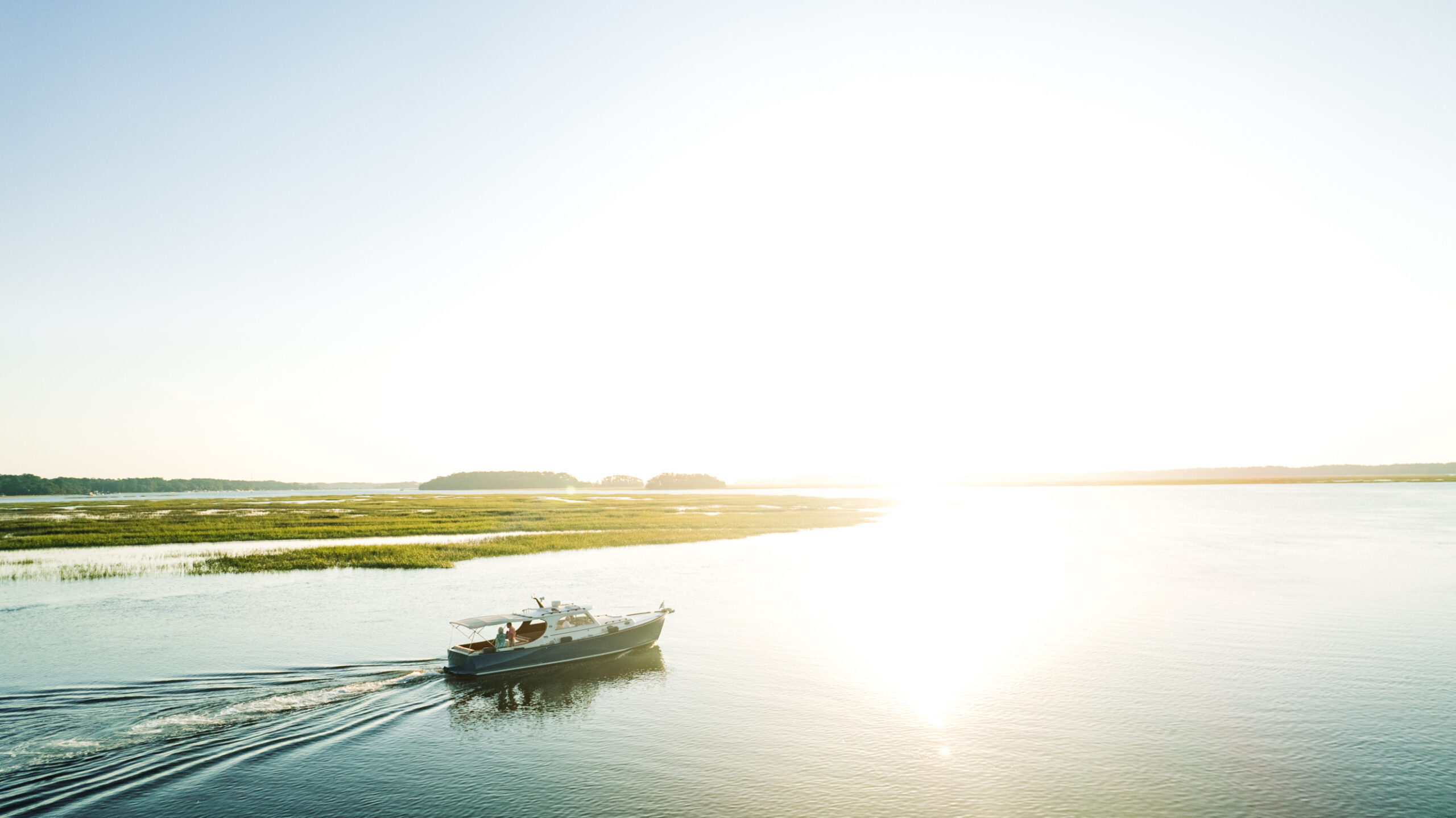
There are more opportunities to connect to the vast Savannahs and marshlands that surround that part of Palmetto Bluff. The vistas are greater—it’s a bigger American landscape, if that makes sense. And so the scale and magnitude of the open vistas, either from the golf course or certainly from the marina location, are going to be much broader. And it’s closer to the open coastline. It’s kind of intangible, but when you’re driving toward the coast, you start to feel the atmosphere change, the humidity creeps up a little higher, you smell the salt air, the breezes have more energy. 

What about the built environment? 

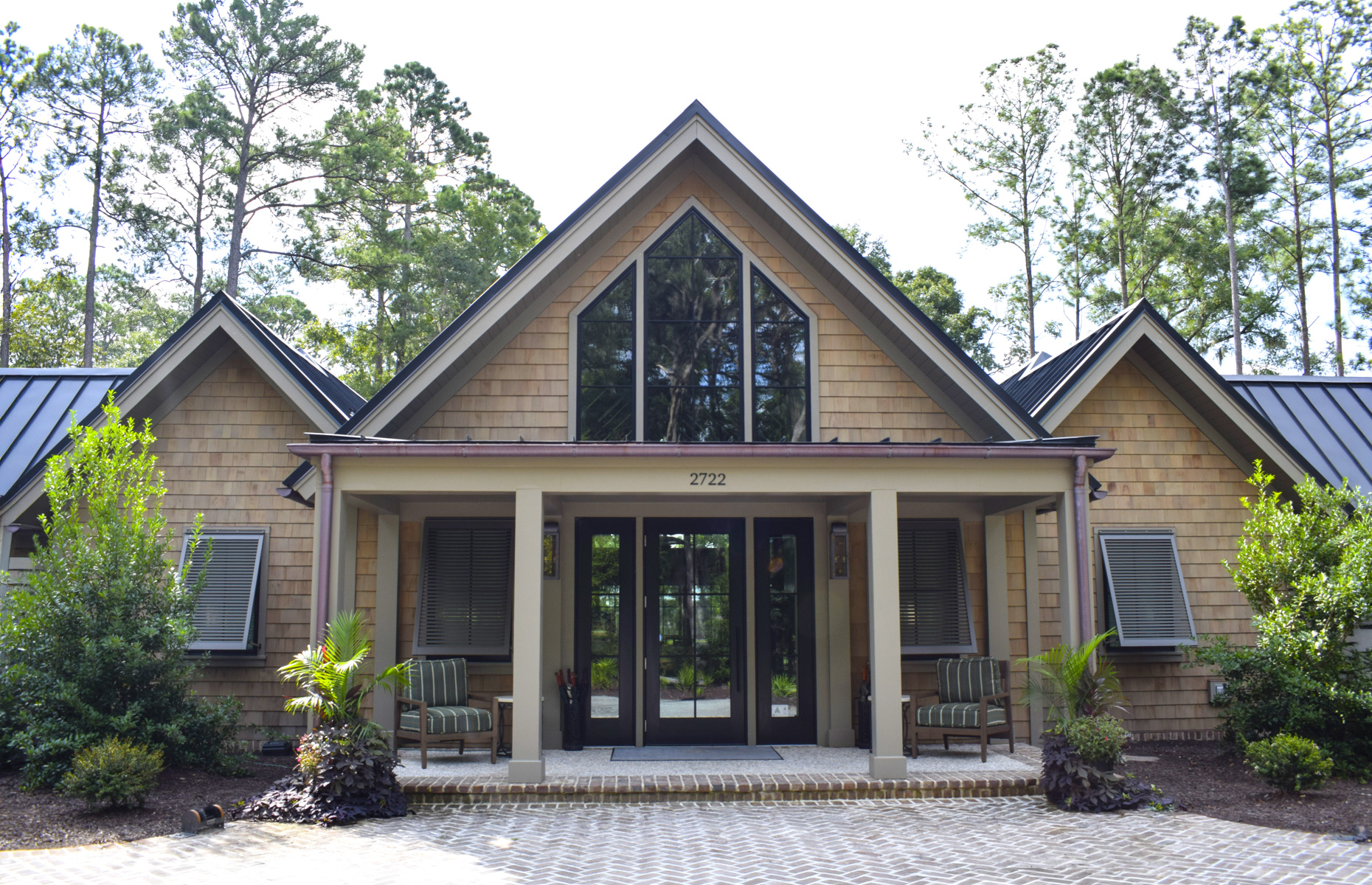
It is definitely a work in progress.  The partners and team are currently assessing the aesthetic expression. But the scale and massing will be consistent with Wilson and Moreland Villages. The architects will continue to use the same tools to articulate form. And the natural framework—the topography, tree canopies, and wind patterns—will continue to lead.

Lastly, what is your favorite place at Palmetto Bluff? 

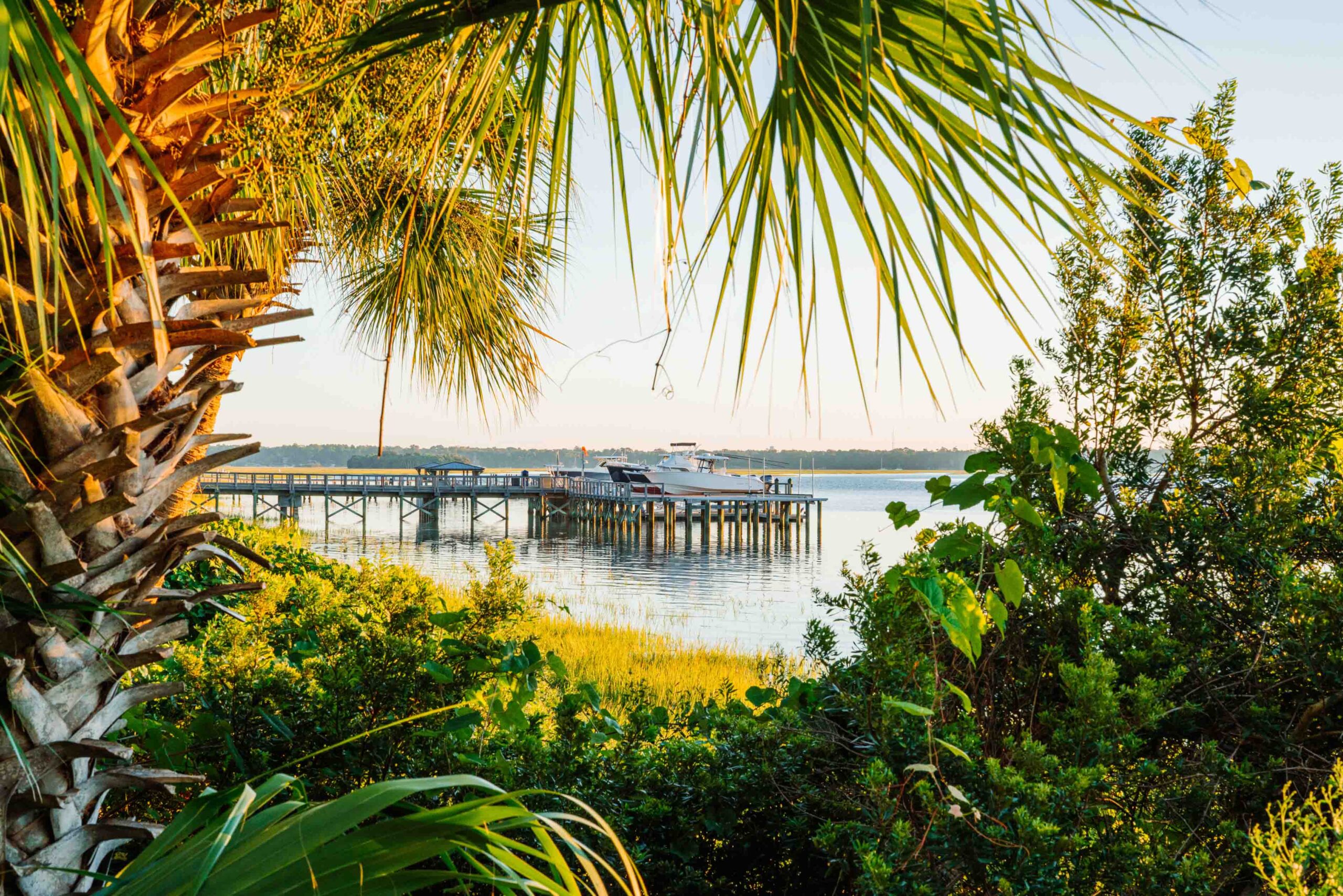
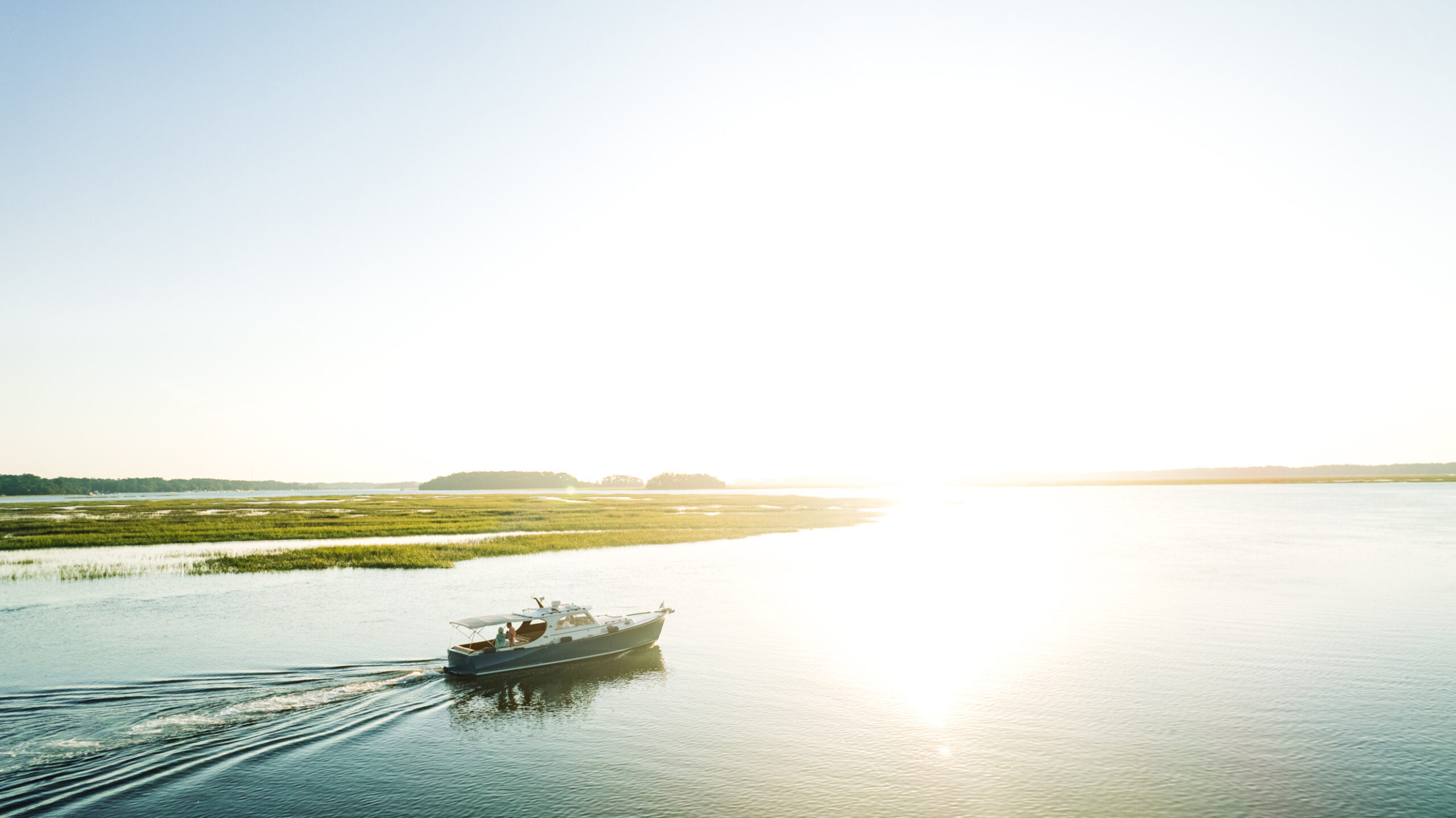
It’s different places during different times of the year and different times of day, if that makes sense. I have a strong affinity for marshland areas. The site of the new Anson Clubhouse has beautiful southern exposure with long distance views. The other place that I find interesting is the collision of the high ground, marsh, and river where the marina is. I’m not a boater, but the idea of being pulled to the shoreline in this active riverine system—it’s cool. And there are a collection of island hummocks down there—they all feel like members of a family. They’re all unique. And maybe that’s the best way for me to describe what Anson will become. Another member of the family. 

bramble park palmetto bluff

Real Estate
Bramble Park: New Palmetto Bluff Homes for Sale

Inside Bramble Park: Palmetto Bluff’s Newest Neighborhood in Moreland Forest  Neighborhoods in Palmetto Bluff feel less like new additions and more like places that have always been there, waiting to be discovered. Bramble Park is the latest community to take...

Jul 2026
Waterways in south carolina

Waterways
The Waterways That Define Life at Palmetto Bluff

Exploring the South Carolina Waterways of Palmetto Bluff Water surrounds Palmetto Bluff on three sides. The May River wraps the north and northeast, while the Cooper River runs along the east and southeast, and the New River borders the south and southwest. A...

Jul 2026

Club Life
PBGO: Where Childhood Grows at Palmetto Bluff

At Palmetto Bluff, some of childhood's best moments begin outside. Days are measured by muddy shoes, saltwater adventures, and the excitement of discovering something new just beyond the next trail.That spirit is at the heart of PBGO (Palmetto Bluff Growing Ou...

Jul 2026

Food & Wine
Chef Beth Cosgrove’s Sun-Ripened Tomato and Rich Ricotta Tart

This simple tomato and ricotta tart recipe from Palmetto Bluff Club Executive Chef Beth Cosgrove is the perfect summertime dish for your next gathering. The flaky puff pastry crust is topped with a creamy ricotta mixture along with fresh herbs and sun-ripe...

Jul 2026

Real Estate
Contemporary Classics: Three Homes With a Modern Take on Lowcountry Architecture

Timeless Lowcountry architecture has always been defined by its connection to the landscape. Wide porches invite conversation and capture cool coastal breezes, while natural materials and sunlight filled interiors blur the line between indoors and out. As life...

Jul 2026

Club Life
Hampton Watts: Painting the South to Life

This August, Savannah-based painter Hampton Watts will join us at the Bluff to share his contemporary Southern art celebrating the landscapes, traditions, and enduring spirit of the South. Drawing inspiration from generations of Southern heritage, Hampton c...

Jul 2026

Food & Wine
Home Grown

From weekly harvests to farmers markets and seasonal dinners, The Farm plays a central role in Palmetto Bluff’s culinary program. Story by Joanny Palsson | Photographs by Summer Pagatpatan Most mornings at Palmetto Bluff begin at sunrise, before the kitche...

Jul 2026
Palmetto Bluff Real Estate

Real Estate
Inside 20 Butterweed Road: A New Moreland Forest Home Built for Lowcountry Living

Palmetto Bluff Real Estate: 20 Butterweed Road, Moreland Forest  Moreland Forest sits a short walk or ride from Moreland Village and Crossroads, Palmetto Bluff’s nine-hole reversible course. Moreland Forest centers around an intricate trail system and an ...

Jul 2026
Palmetto bluff golf

Club Life
Behind the Bluff: A Conversation with an Anson Point Golf Pro

Palmetto Bluff Golf: A Pro’s View of Anson Point   Anson Point doesn’t look as if it were man-made. The rolling dunes and sandy areas look as though they settled into the Lowcountry on their own, and the fairways follow the ground rather than fighting it. Thi...

Jul 2026
things to do in Palmetto Bluff

Culture
Summer at the Bluff: How Members and Residents Spend the Season

Things to Do in Palmetto Bluff: A Coastal Summer on the May River  Summer comes on slowly at Palmetto Bluff, and most of it happens on the water. The May River warms through June, the tide pulls in and out twice a day, and the hours stretch long enough for a ...

Jul 2026

CURIOUS ABOUT LIFE AT THE BLUFF?

Sign up for our newsletter

LIVE
Community Villages
Experience
Palmetto Bluff Club
On The Water
The Arts Initiative
Events
Conserve
About Us