Written by Palmetto Bluff
Mar 06, 2024
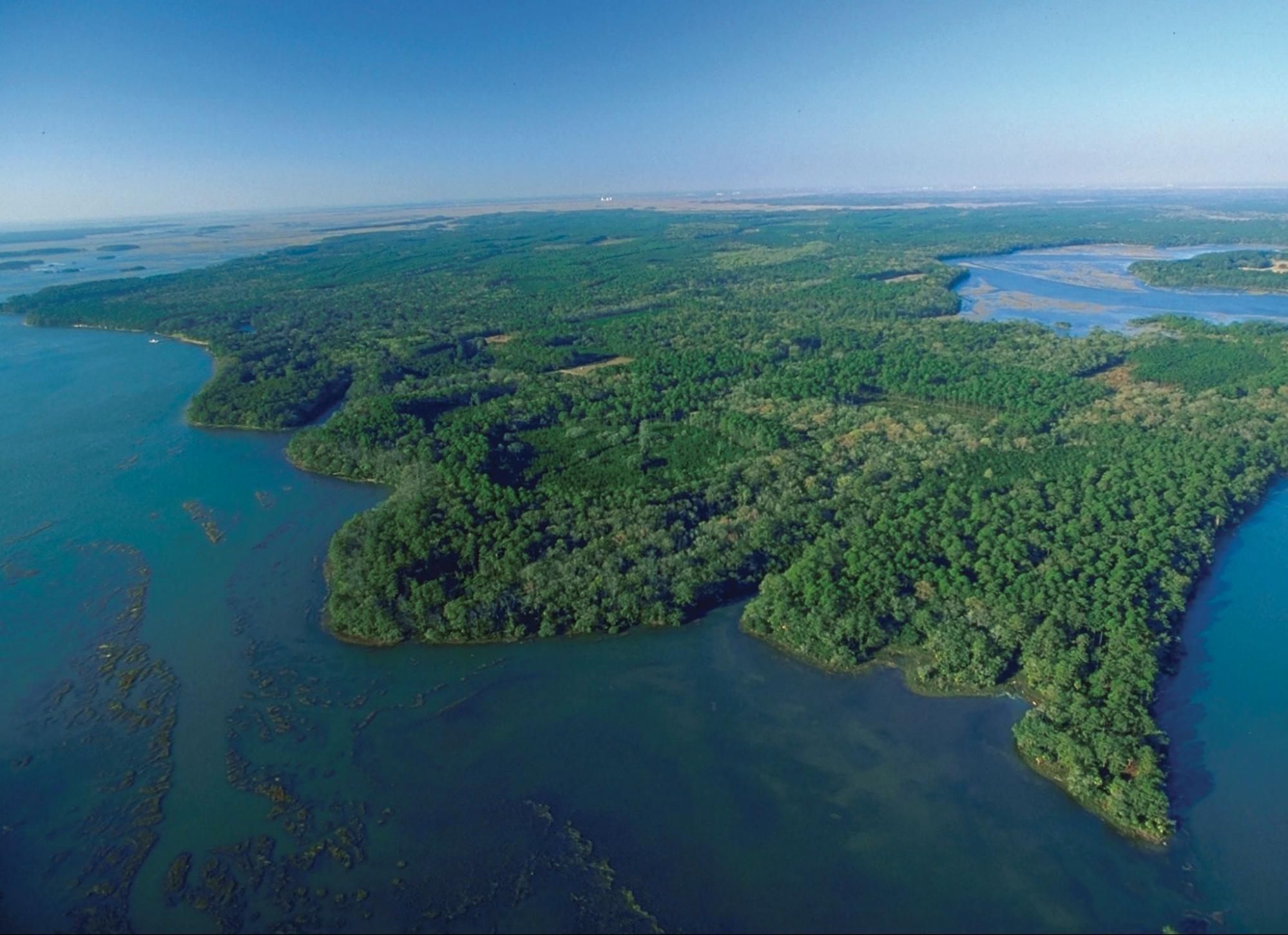
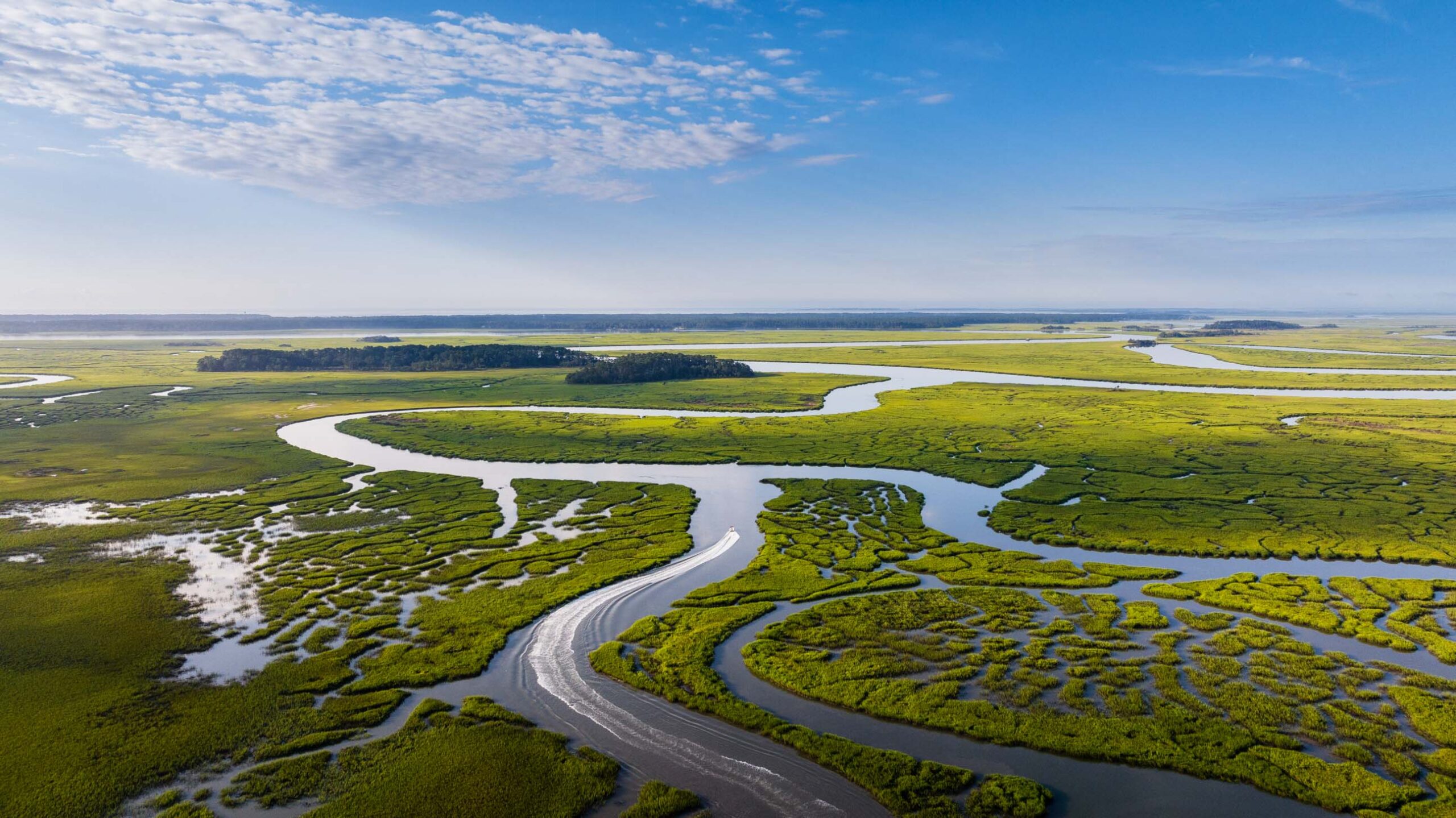
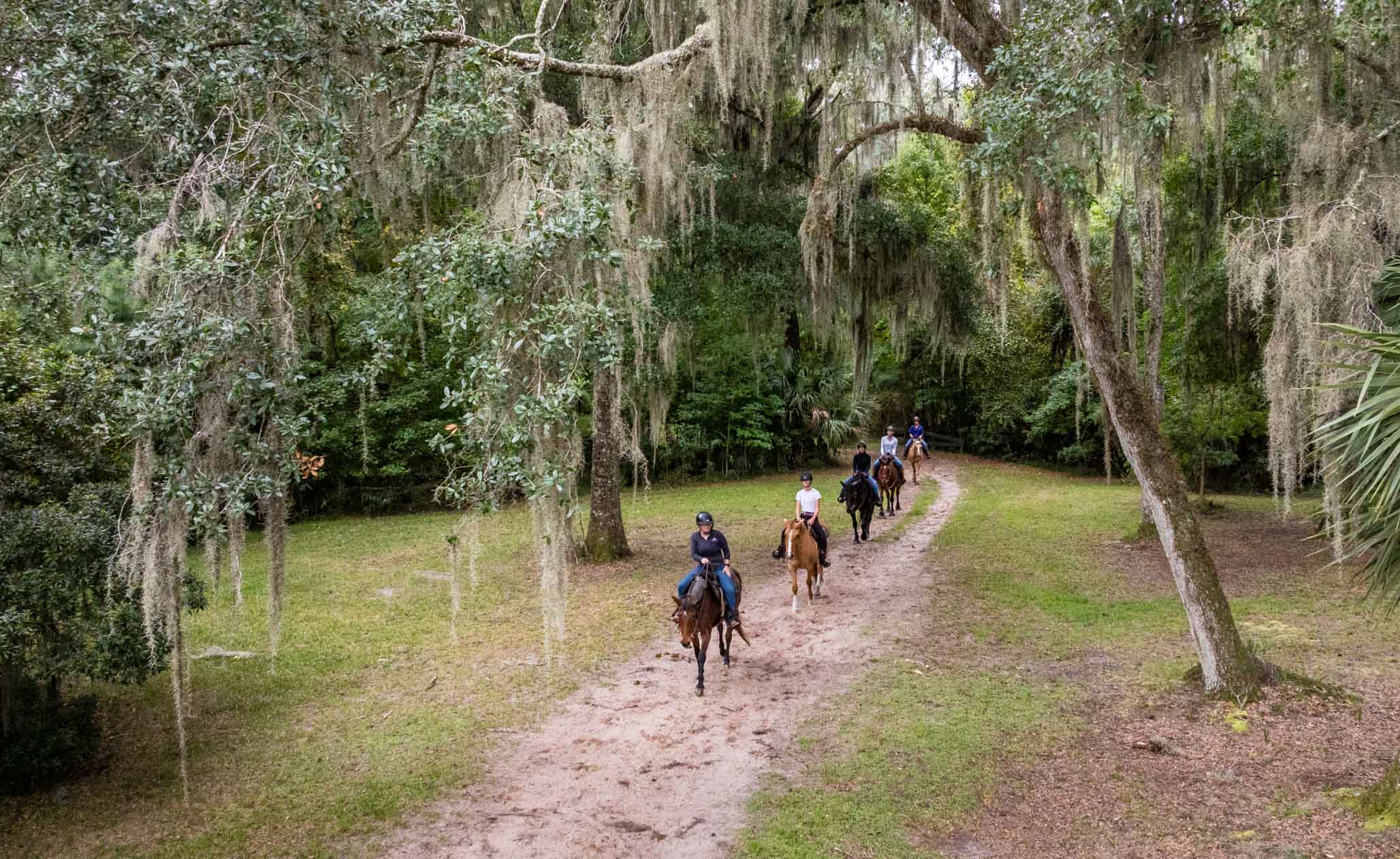
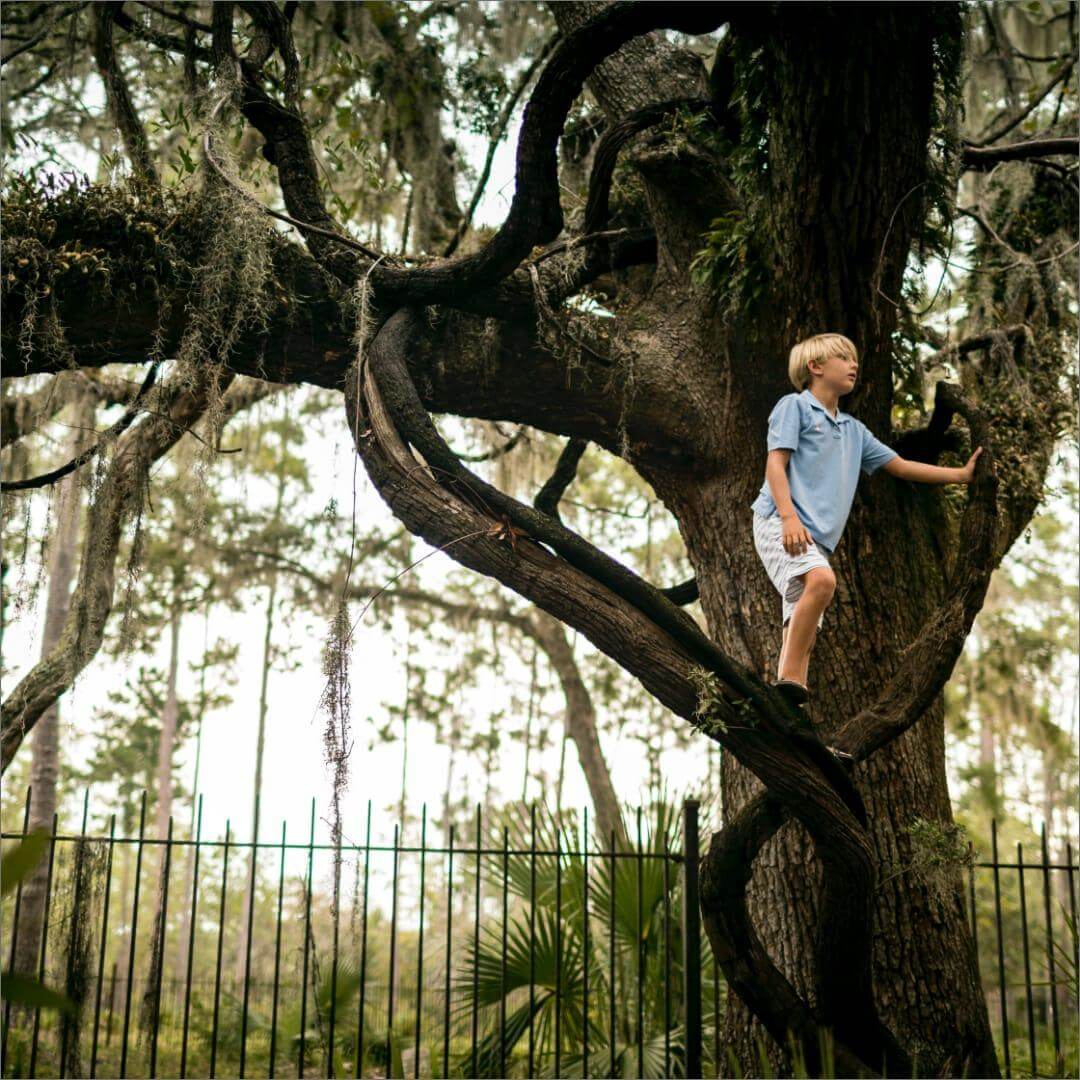
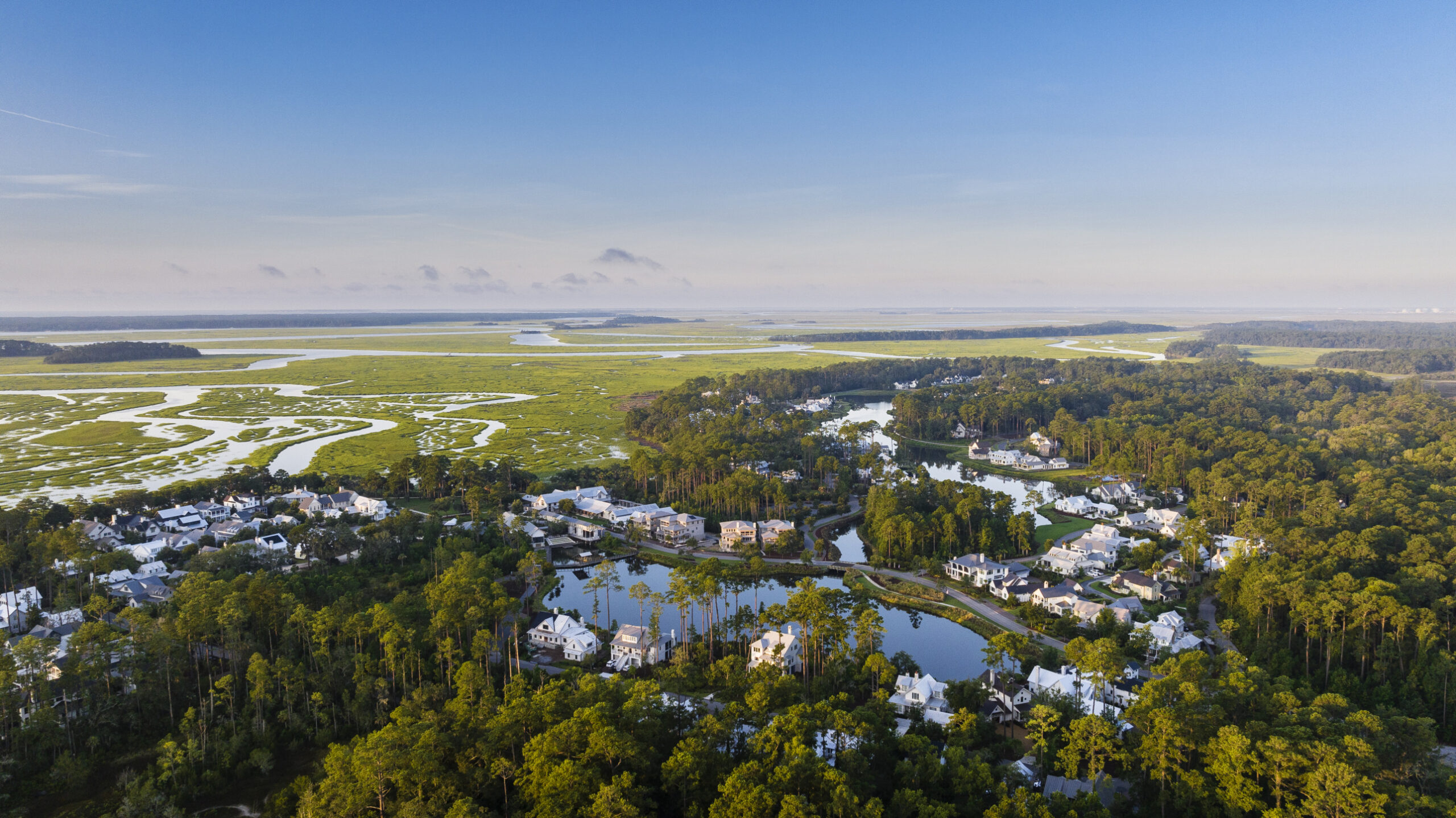
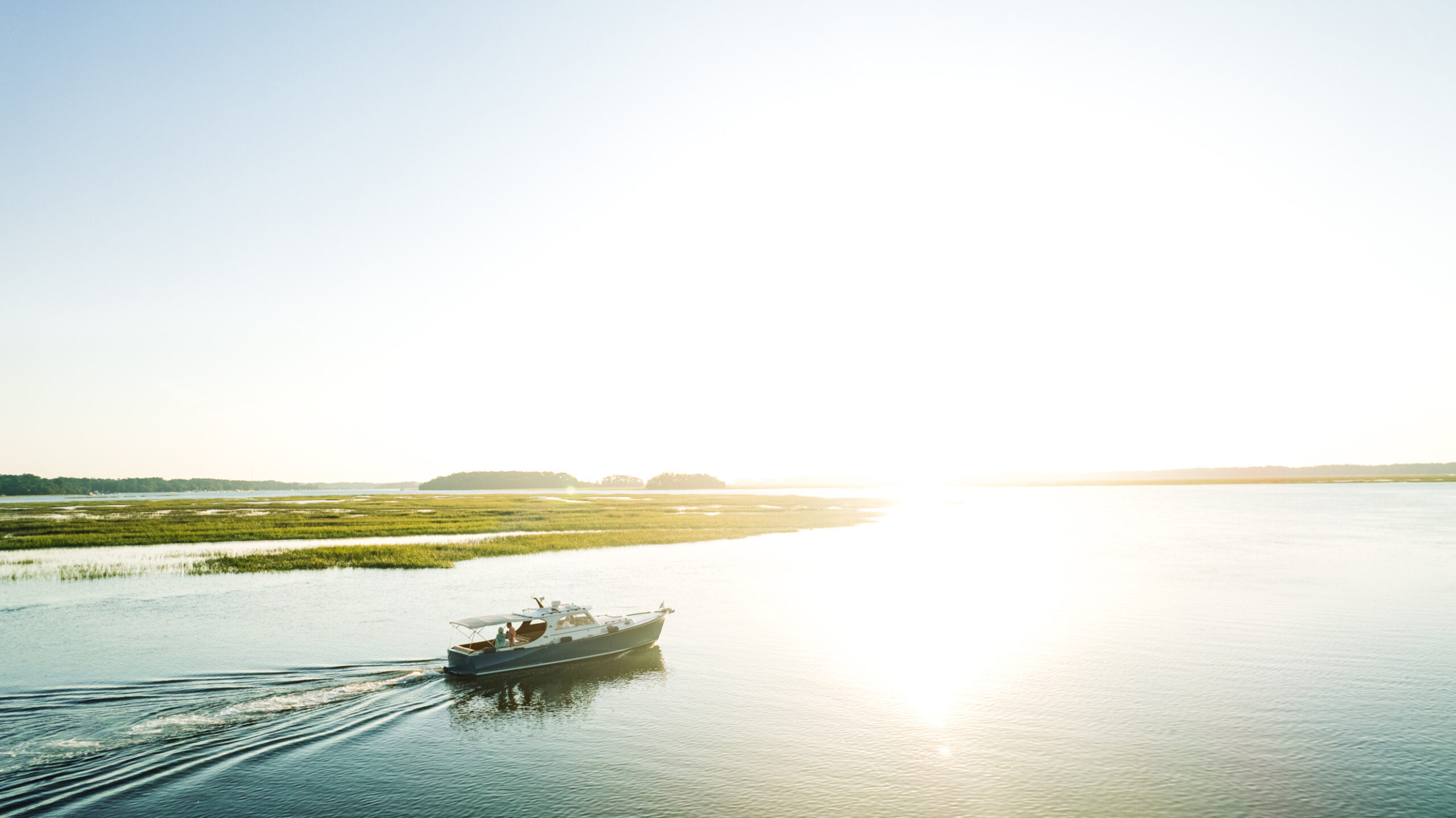
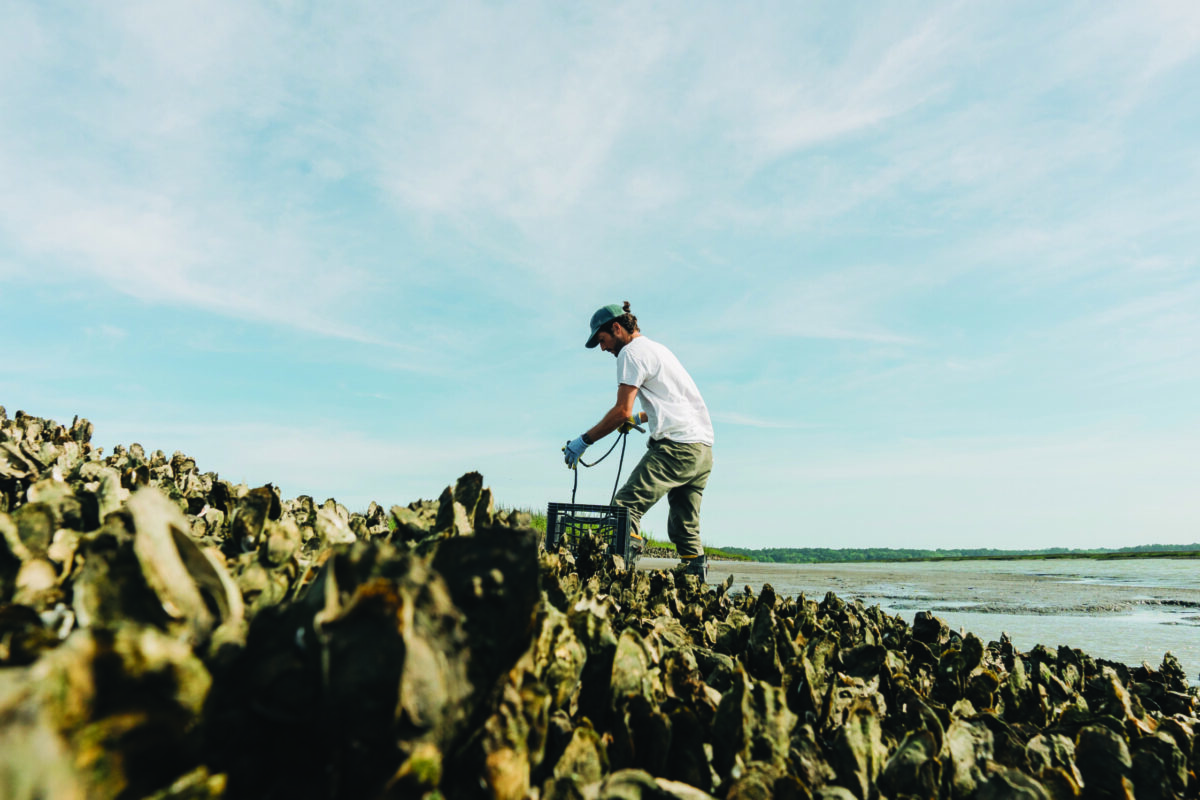
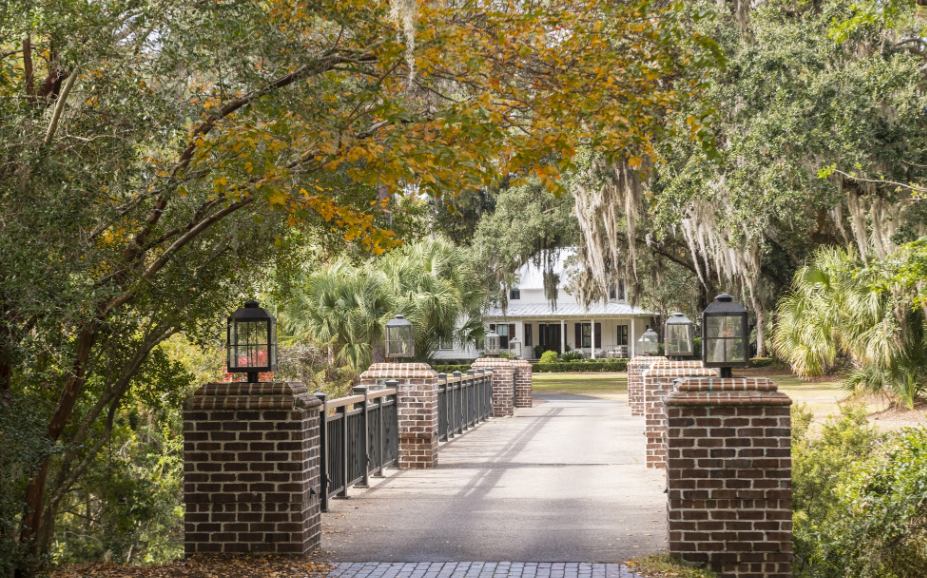
Everyone talks about the drive into Palmetto Bluff, the miles of shady pavement, the dense maritime canopy, crossing over the headwaters of the May River, and the alligator forever sunning at the causeway. It’s an iconic section of road. People say their shoulders relax; they feel a weight lifted as they drive into Palmetto Bluff. It’s often described as pristine, serene, and outside of time. And it is. The natural beauty of this place is something out of a storybook—long graceful arms of a live oak draped with Spanish moss, the intricate tidal creeks alive with the pops and snaps of bivalves and blue crabs, the sultry maritime breeze buffeting the shoreline.
At the outset, there was an inherent responsibility to this landscape, to work in concert with nature. The early development team was composed of visionary land planners Jim Mozley and Dave Howerton, brilliant minds that understood the value of this fairy-tale landscape. What they set in motion in the early 2000s created a groundbreaking philosophy for development and the very culture that still defines this exceptional community today.
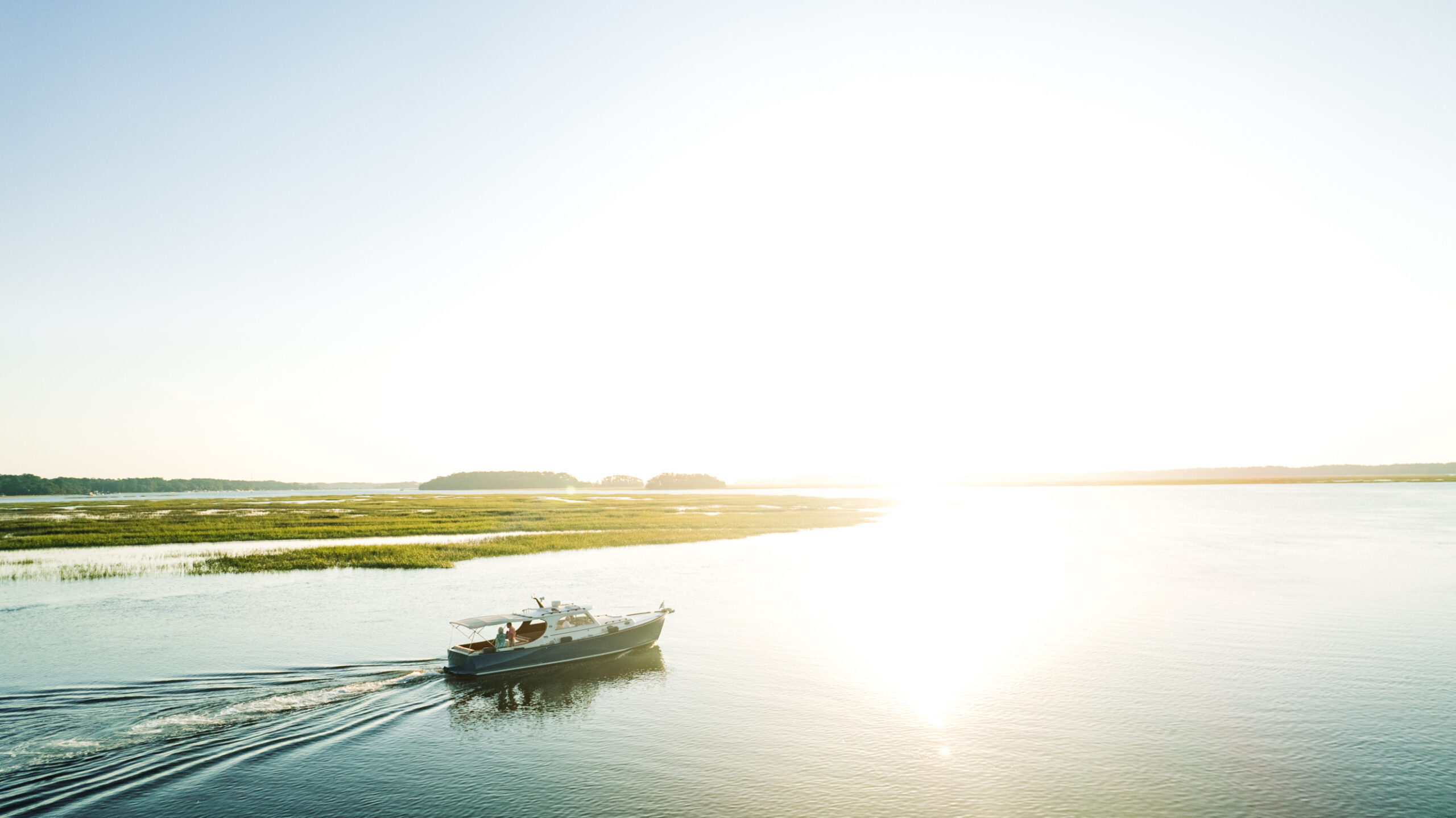
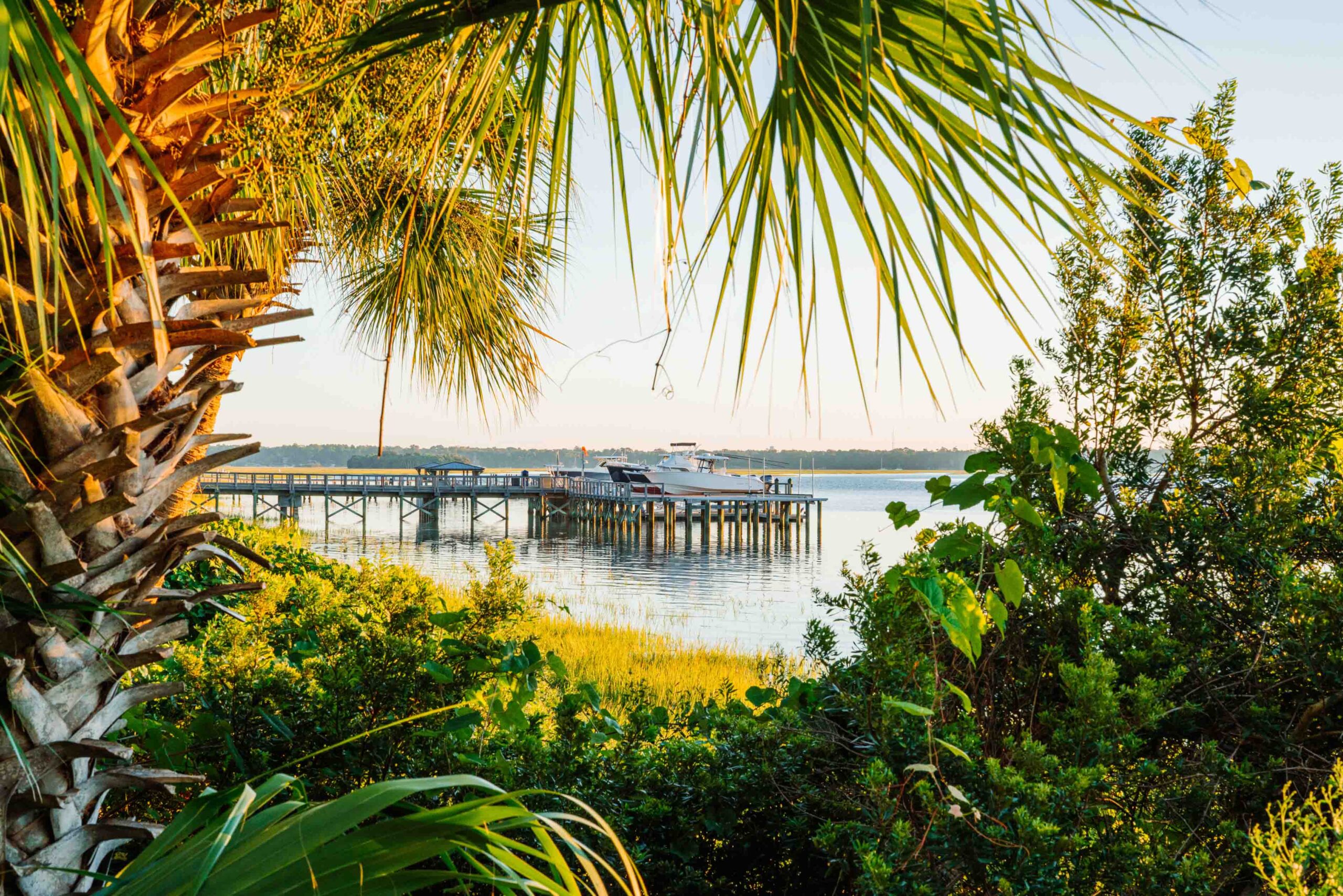
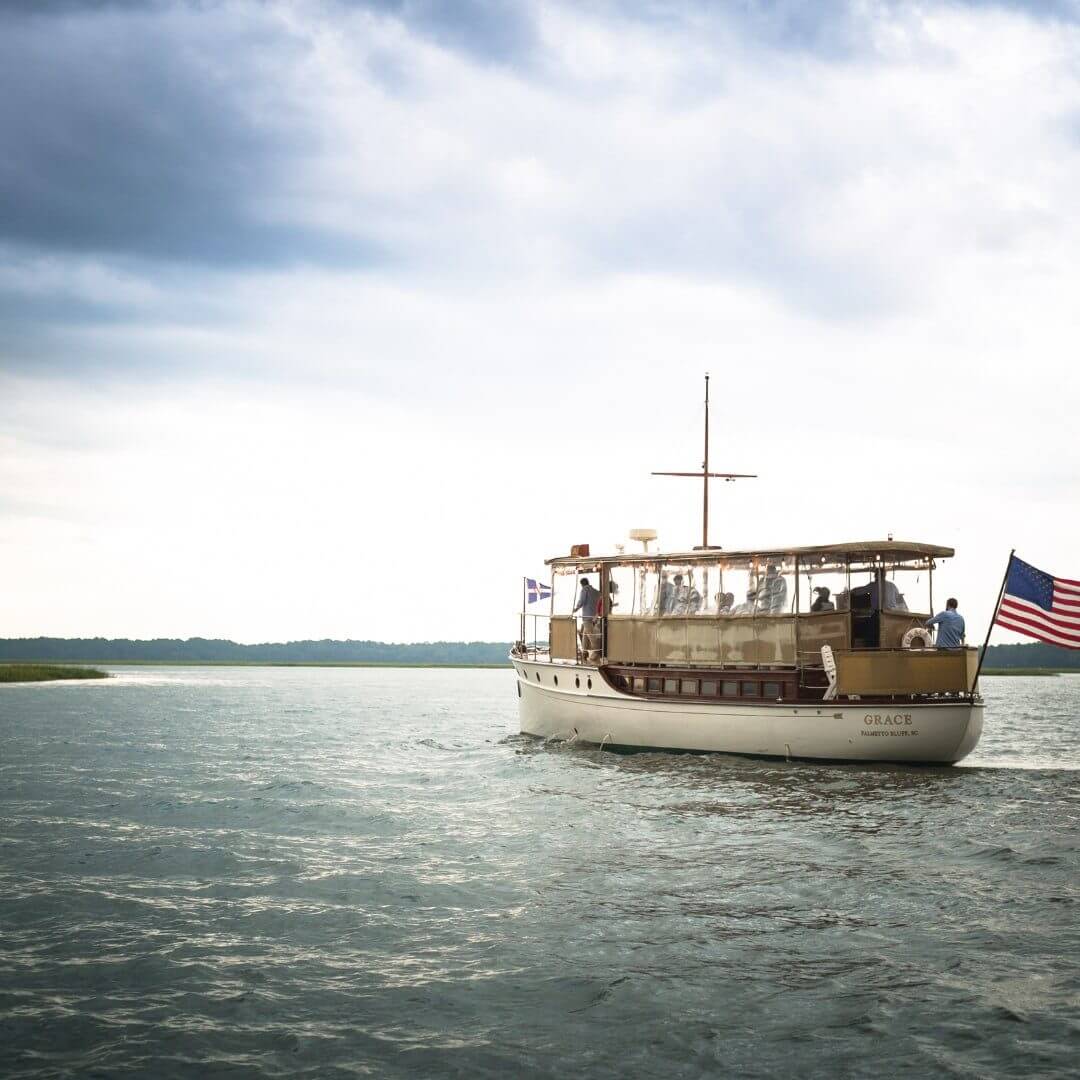
The stage was set when Palmetto Bluff was annexed by the Town of Bluffton in 1998. The town established rigorous protections—capacious setbacks from the river that increased in environmentally sensitive areas and a ban on private docks. For the average development team, this would have been a colossal albatross, a perceived handicap, and a tank on property values. But Mozley and the team saw things differently. “They decided to use these intense restrictions as an asset,” says Patty Kennedy, an early manager on Mozley’s team and later executive director of the Palmetto Bluff Conservancy. “Jim wanted to build on this idea of authenticity and protecting natural resources. He wanted to make that our whole identity.” Rather than individual docks, the team built a boat club with a dock and storage facility. “It wasn’t like we were telling people they couldn’t have a dock,” remembers Kennedy. “The tone was more like, Of course you can’t have docks—we have to protect the natural environment! Here’s a boat club.”
The first neighborhood developed was Headwaters. The land is situated at the headwaters of the May River, an incredibly sensitive resource. The six hundred-acre parcel was zoned for ninety homes. Mozley and the team put the whole thing in a conservation easement and carved out ten lots—about a tenth of the original entitlement. Working with the North American Land Trust, they donated a conservation easement and created an organization to own it. And so, in 2003, the Palmetto Bluff Conservancy was born.
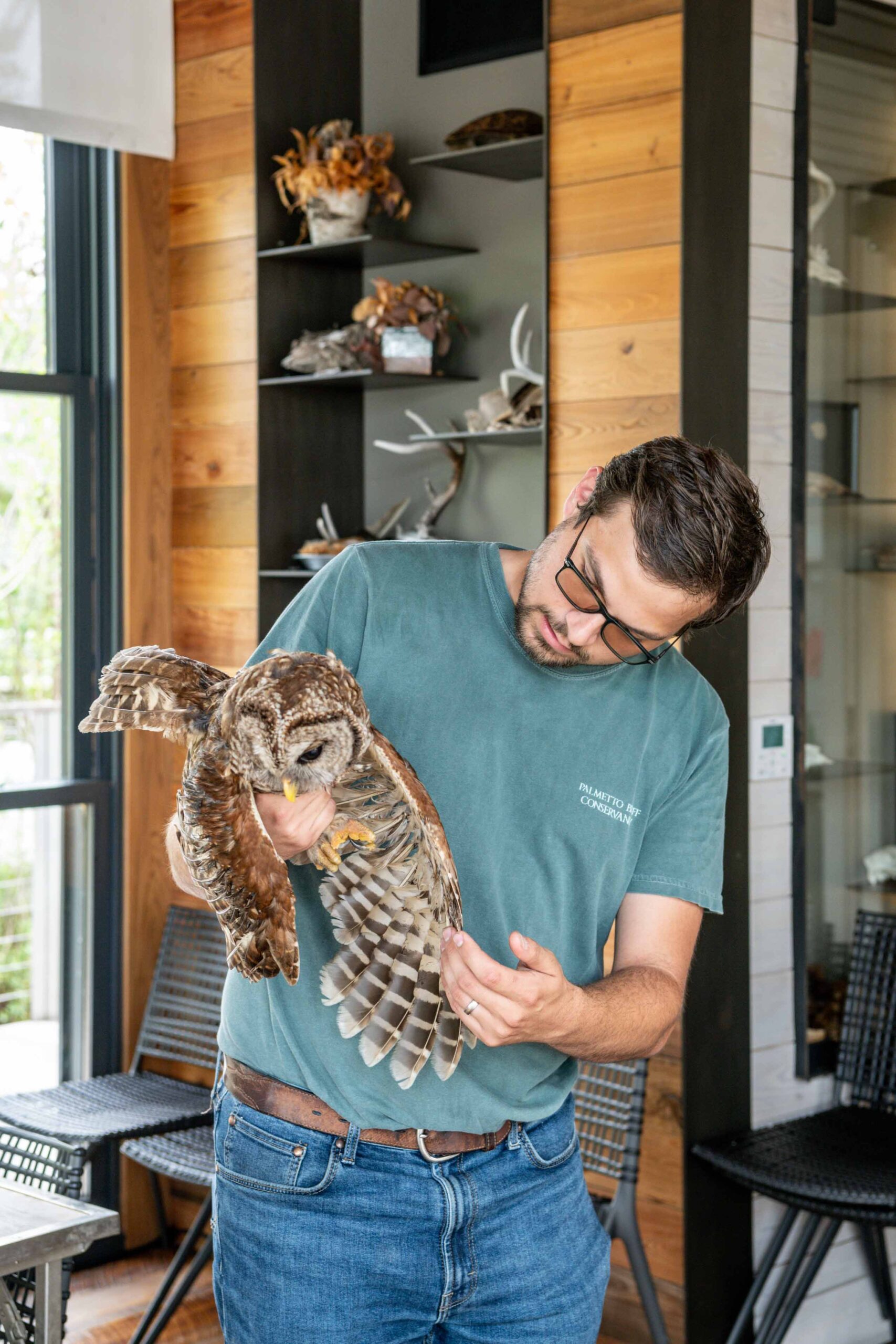
The vision for the Conservancy quickly expanded. The team saw the organization as a body for education to fully engage with the natural and cultural resources on the property. “They could have just given the easements to a land trust,” says Kennedy. “But we wanted to use Palmetto Bluff as an outdoor classroom, to participate in actual research, and to relate global concepts to the community.” And so very early on, the Conservancy was a vehicle for education, experiences, and stewardship. And this shaped the culture of the community, cementing a kind of philosophy for living and relating to the natural environment.
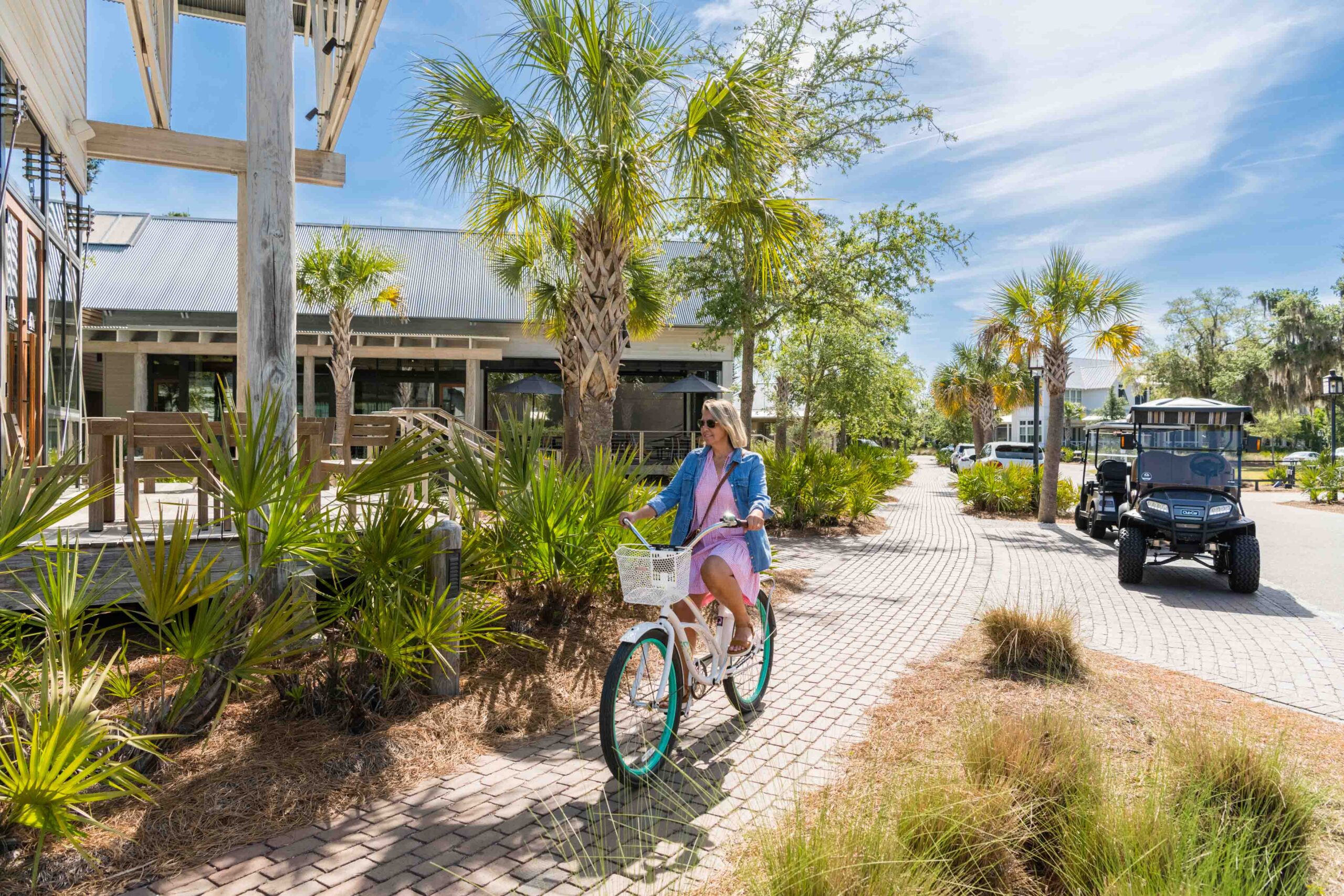
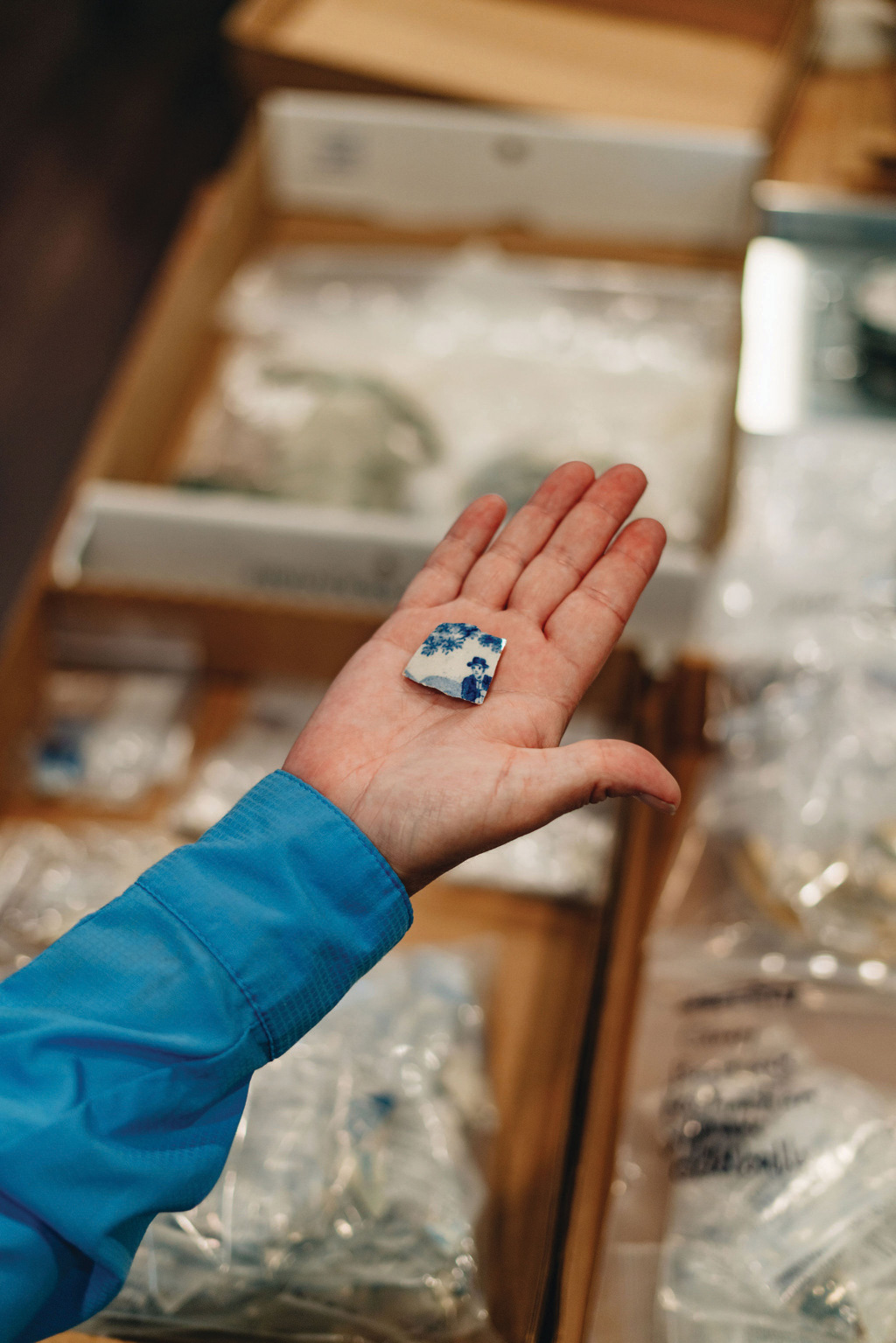
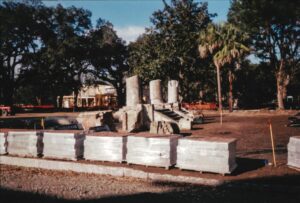
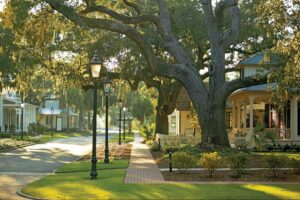
There was also great consideration of cultural resources, remembers Mark Permar, land planner and early member of Mozley’s development team. Palmetto Bluff’s rich history set a precedent for development. It felt appropriate to build around and in harmony with the relics of past habitation. Working with a mandate for minimal impact on the natural environment, the team wanted to develop in areas that had already been impacted. And so the concept of Wilson Village was founded on this idea of a new-traditional neighborhood design, high-density clusters with a historic ruin as a focal point and gathering place. “There was a lot of careful attention to weaving those homes into the natural environment,” says Permar. “You’ll notice that Wilson Village feels mature, feels integrated within its environment.”
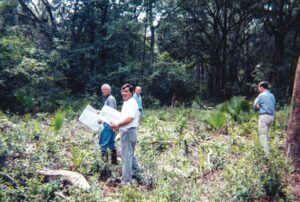
The May River Forest neighborhood was created next. Kennedy remembers walking the land with Mozley and the team. “Every single one of those lots was mapped out in the field. We took copious notes—accounting for natural resources, specimen trees, topography, everything.” This careful development set the tone for a new way of living and connecting to the environment. “It was nature first; that was our product,” Kennedy says. “It was so real, that commitment to doing something different.” In 2008 the development team formed the Design Review Board (DRB) to guide and oversee the built environment. The DRB was created to work in concert with the developer and the Conservancy, a trifecta to hold the vision for Palmetto Bluff and a commitment to Designing with Nature.
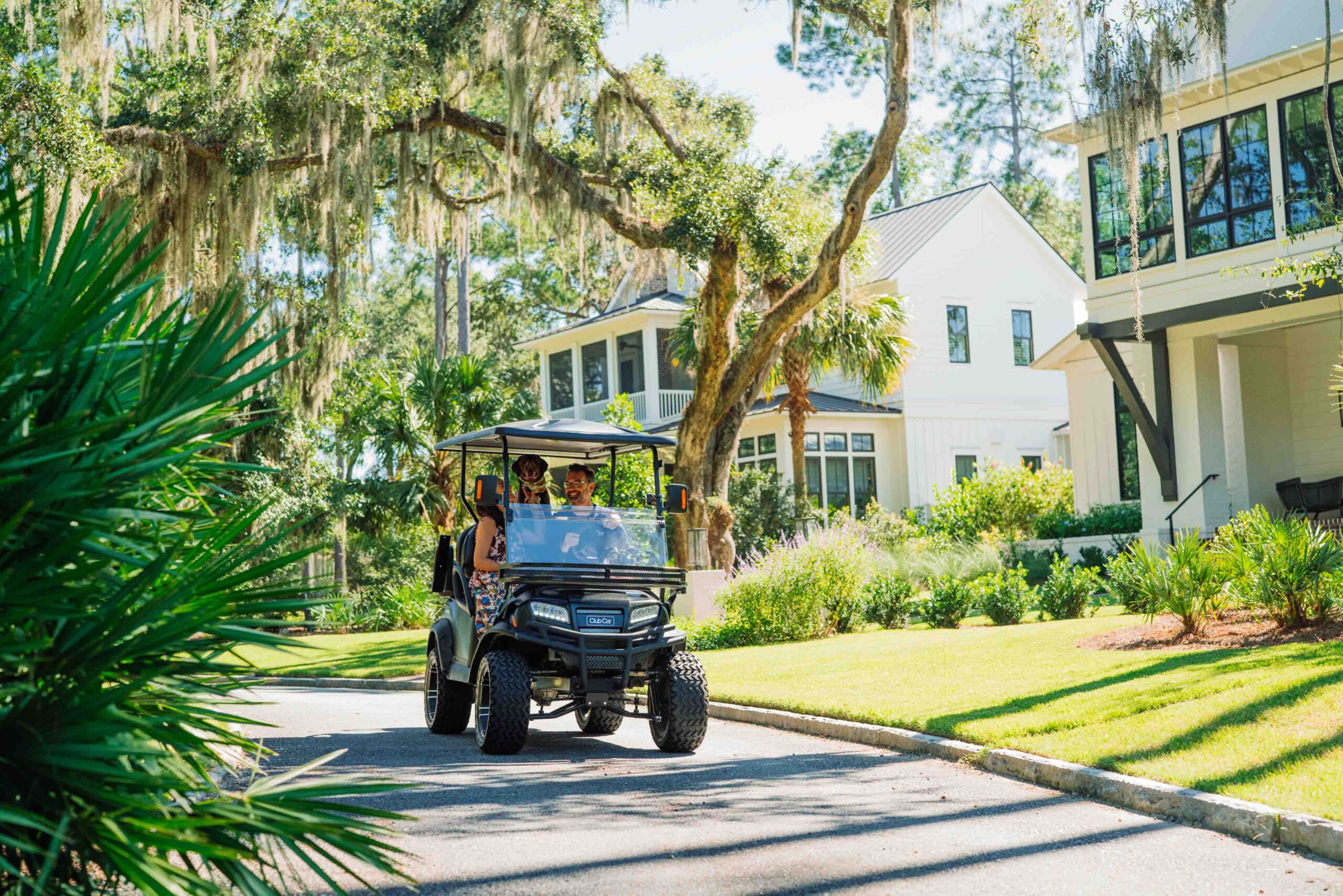
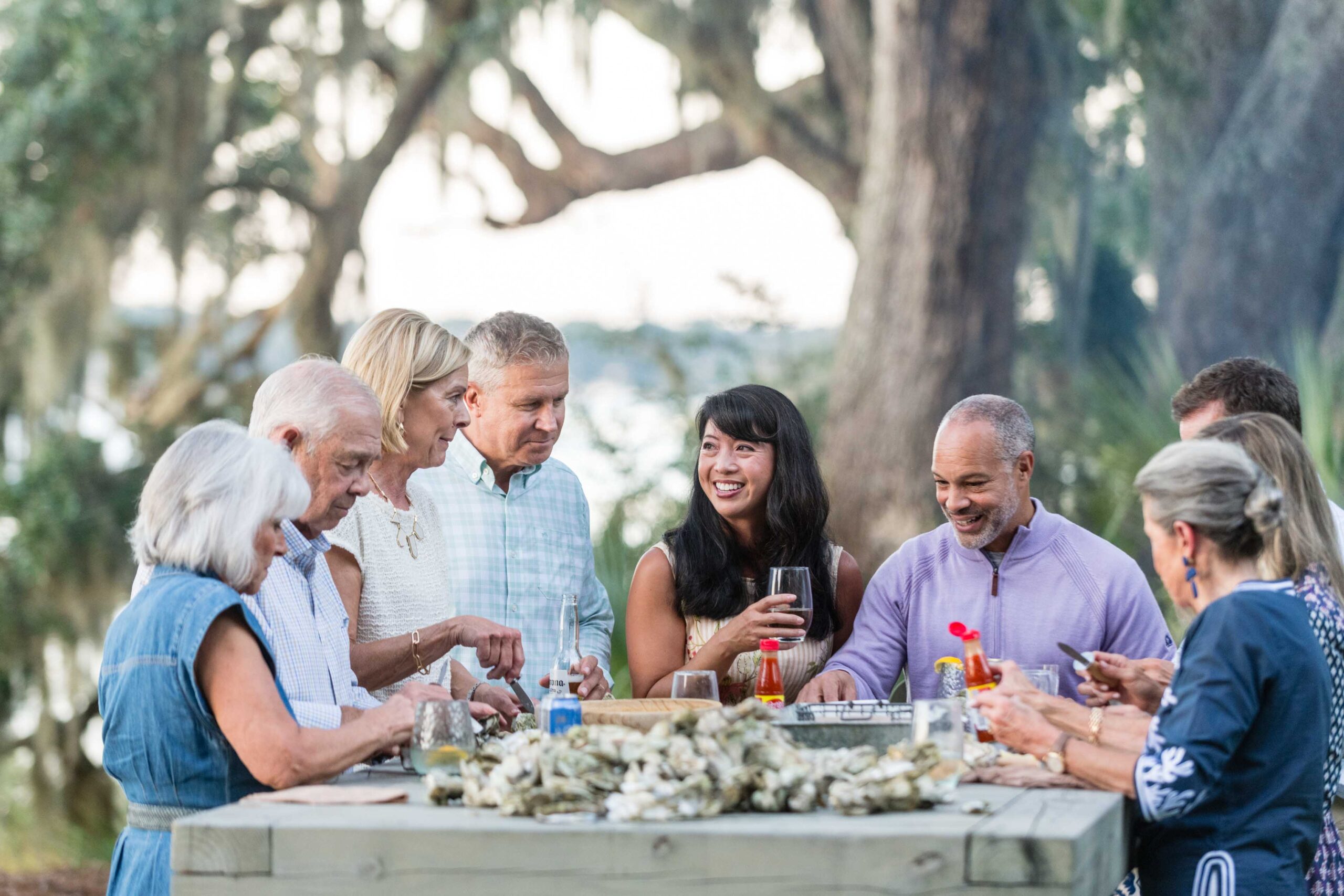
Today the legacy of Mozley’s vision is alive and well. When South Street Partners acquired the property in 2022, they brought Hart Howerton and Mark Permar back. Their working partnership with the Palmetto Bluff Conservancy and DRB informs every aspect of development. Back on the scene after nearly twenty years away, Permar brings new clarity to Designing with Nature as an architectural ethos. He often talks about bringing the outside in, connecting living spaces with the surrounding natural environment, playing to maritime breezes, and planning for architectural massing that meanders through the landscape. The built world should be in relationship with the natural environment—the creeks, marshland, and tree canopy. “When you talk to people who live here, it’s always about getting out on the water, dinners outside, sitting around a fire pit,” says Permar. “These are daily experiences that build a sense of relationship to the place.”
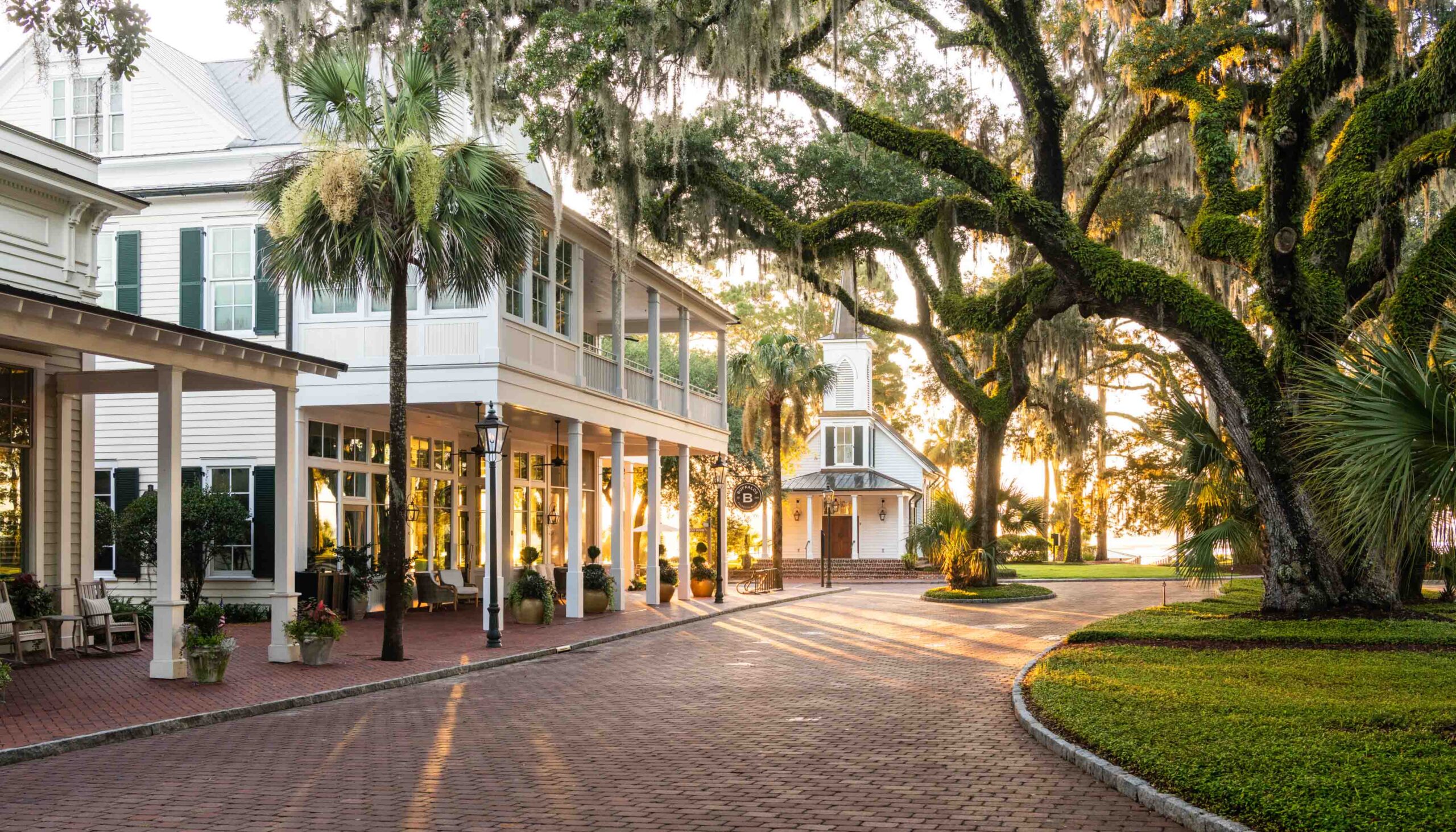
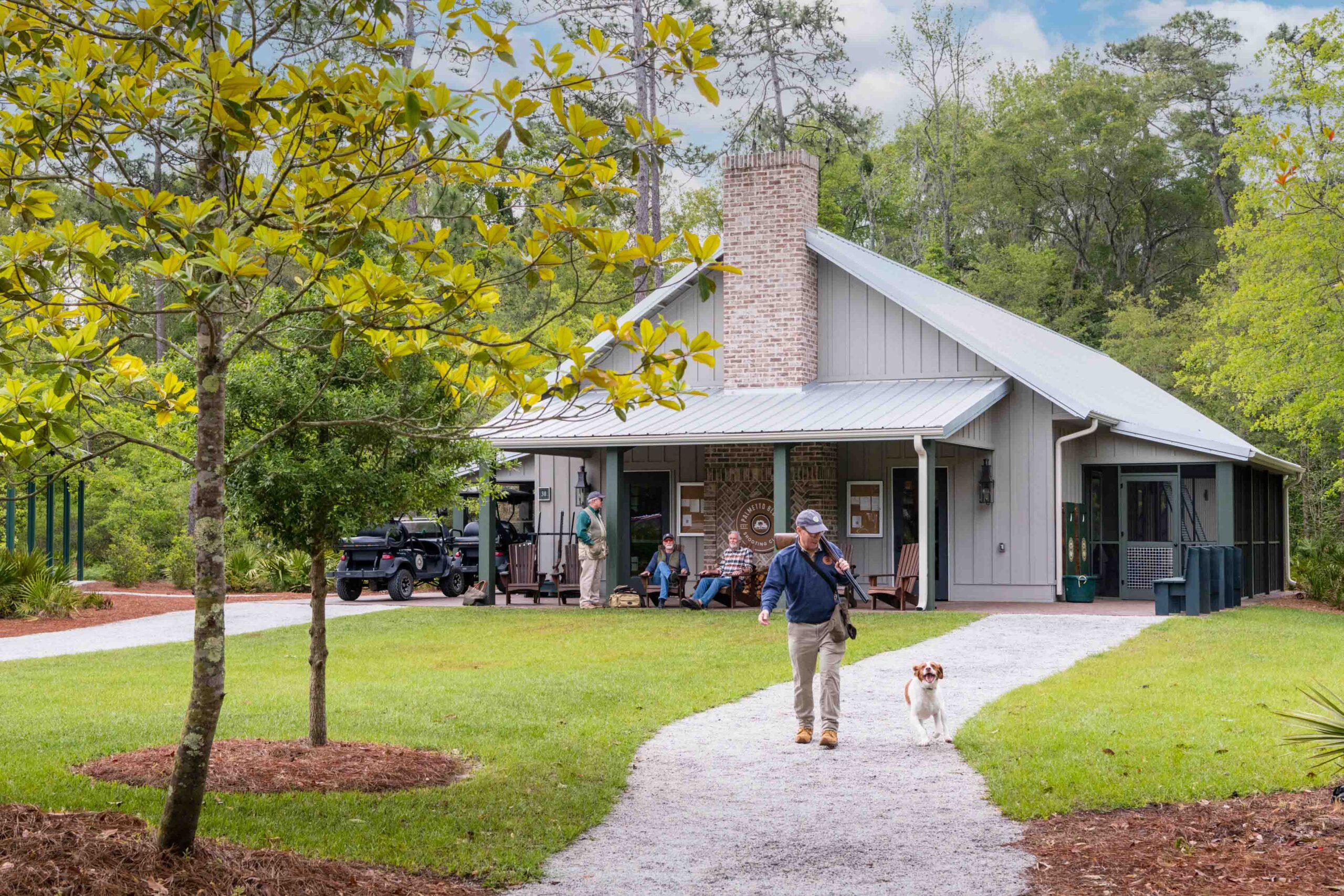
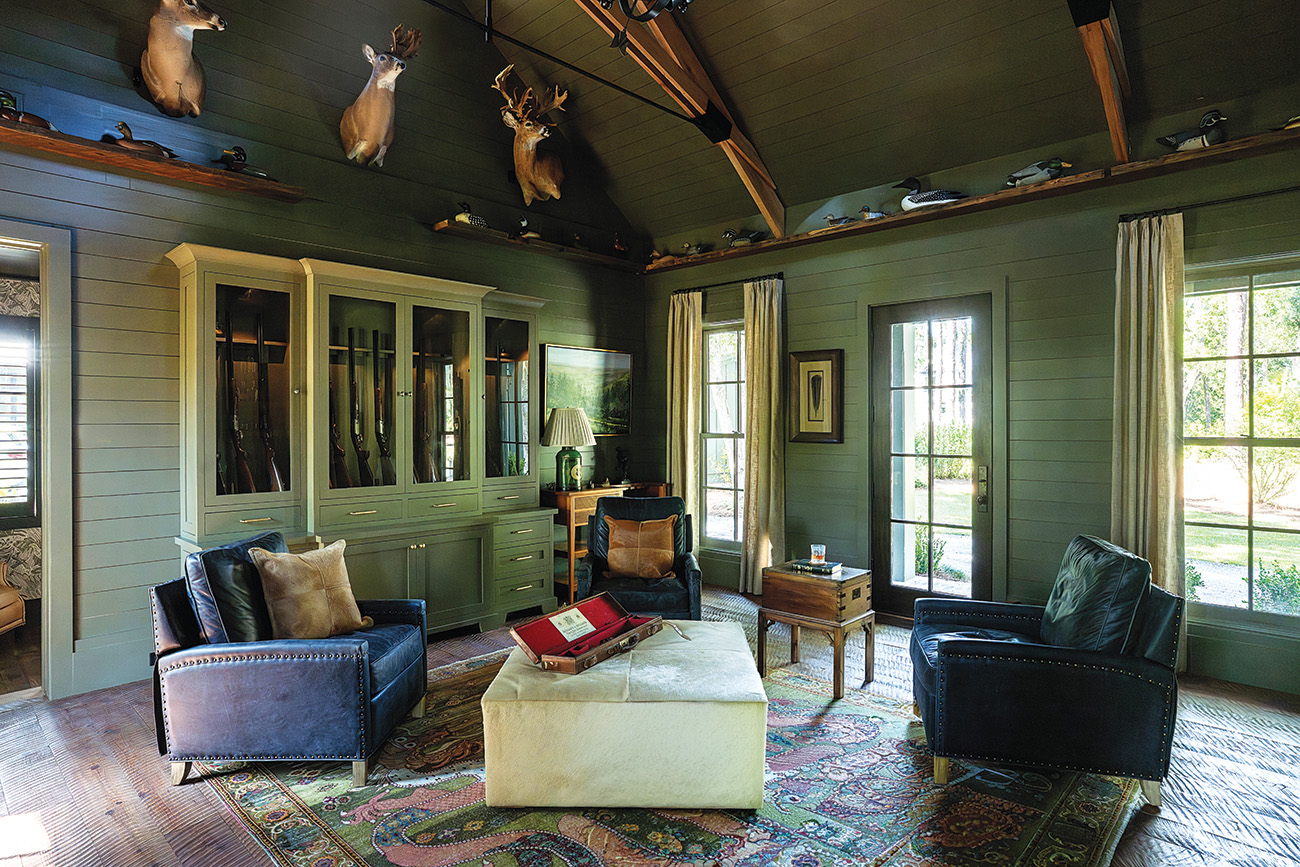
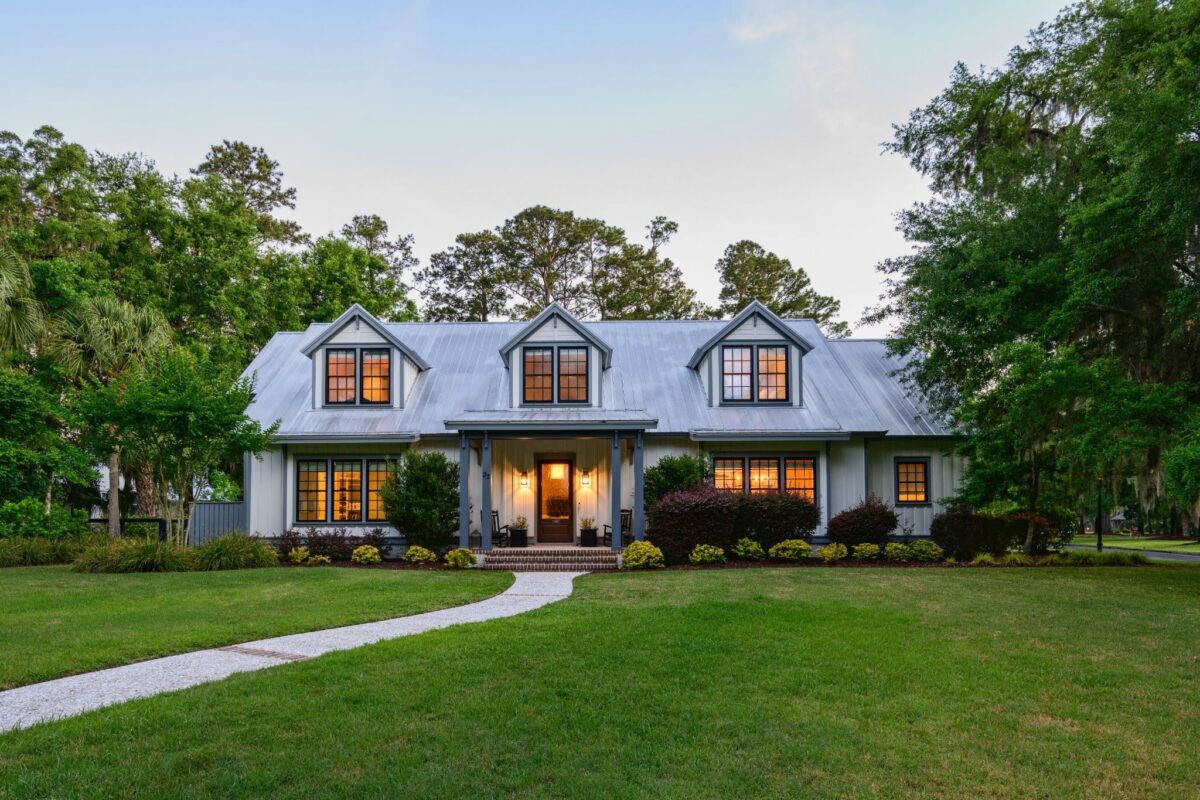
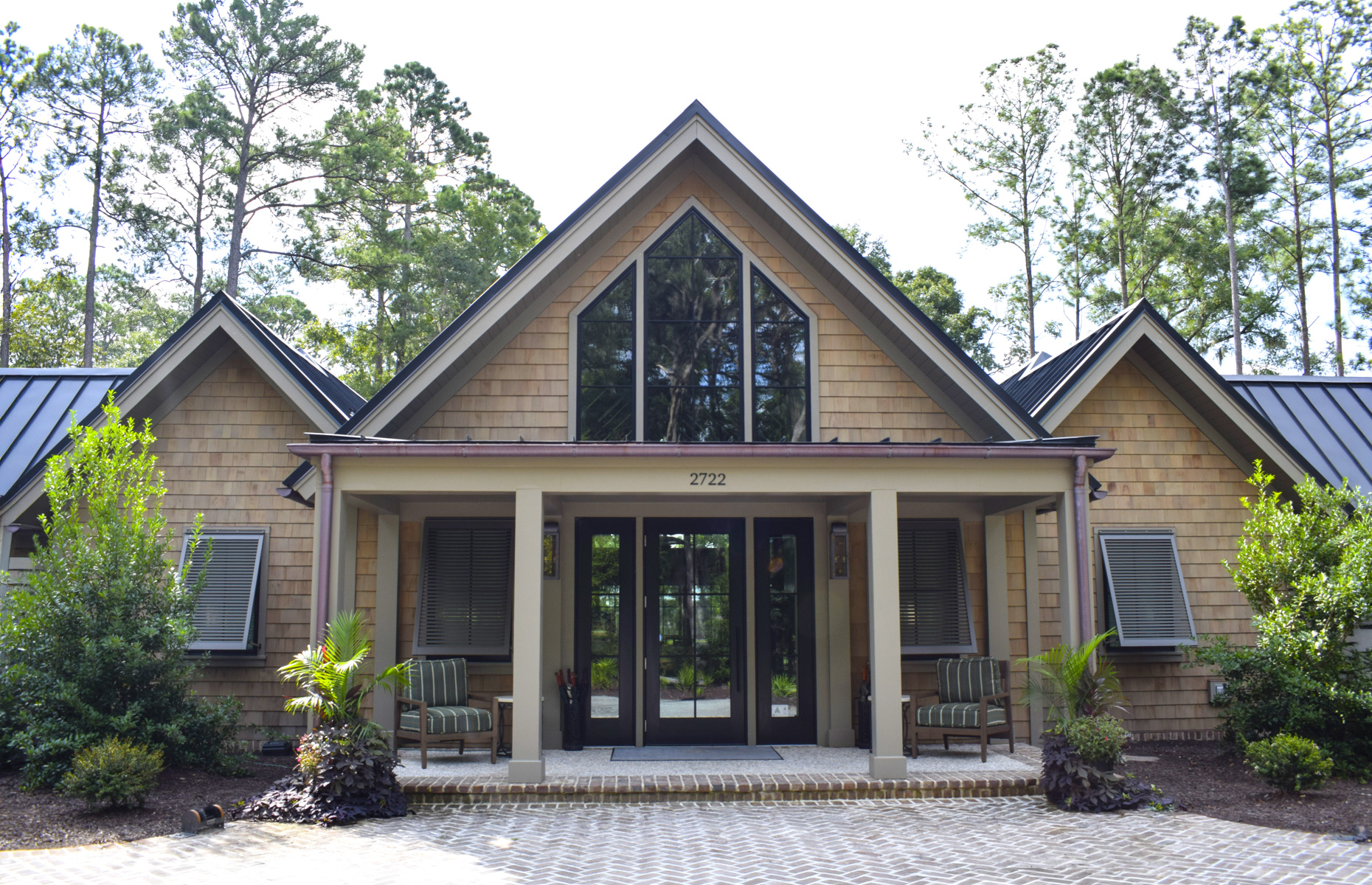
Palmetto Bluff’s homes and community spaces are governed carefully to protect and enhance this relationship. “We want a house to look like it has been there for quite some time,” explains Stephanie Gentemann, Director of Design at Palmetto Bluff and supervisor of the DRB. “Like nature has grown up around it.” Working closely with the Conservancy, the DRB team uses a series of benchmarks and approvals for every new build on the property. Owners must submit an arborist report, a comprehensive assessment of the tree canopy and how a building will affect its root structure. The Conservancy team has to approve the removal of any trees. The DRB also requires landscape design that includes native plants and blends seamlessly into the natural Lowcountry environment. Architecturally, the DRB encourages design that reflects the landscape and traditional Lowcountry vernacular. Gentemann talks about generational massing, the deconstruction of a single large building into smaller structures connected by porches and breezeways. “By unbundling the massing, you’re framing the natural environment with the build,” she explains.
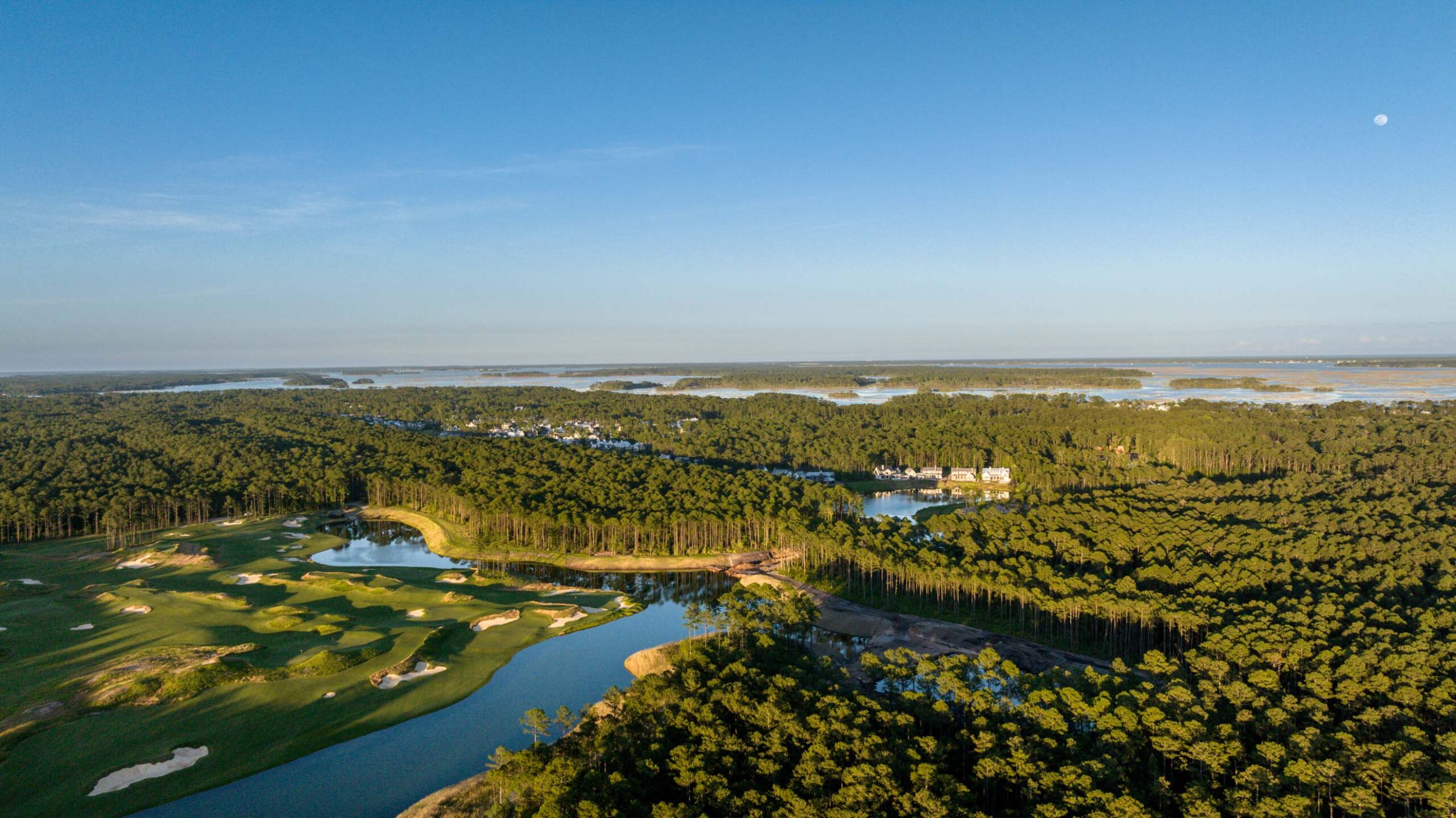
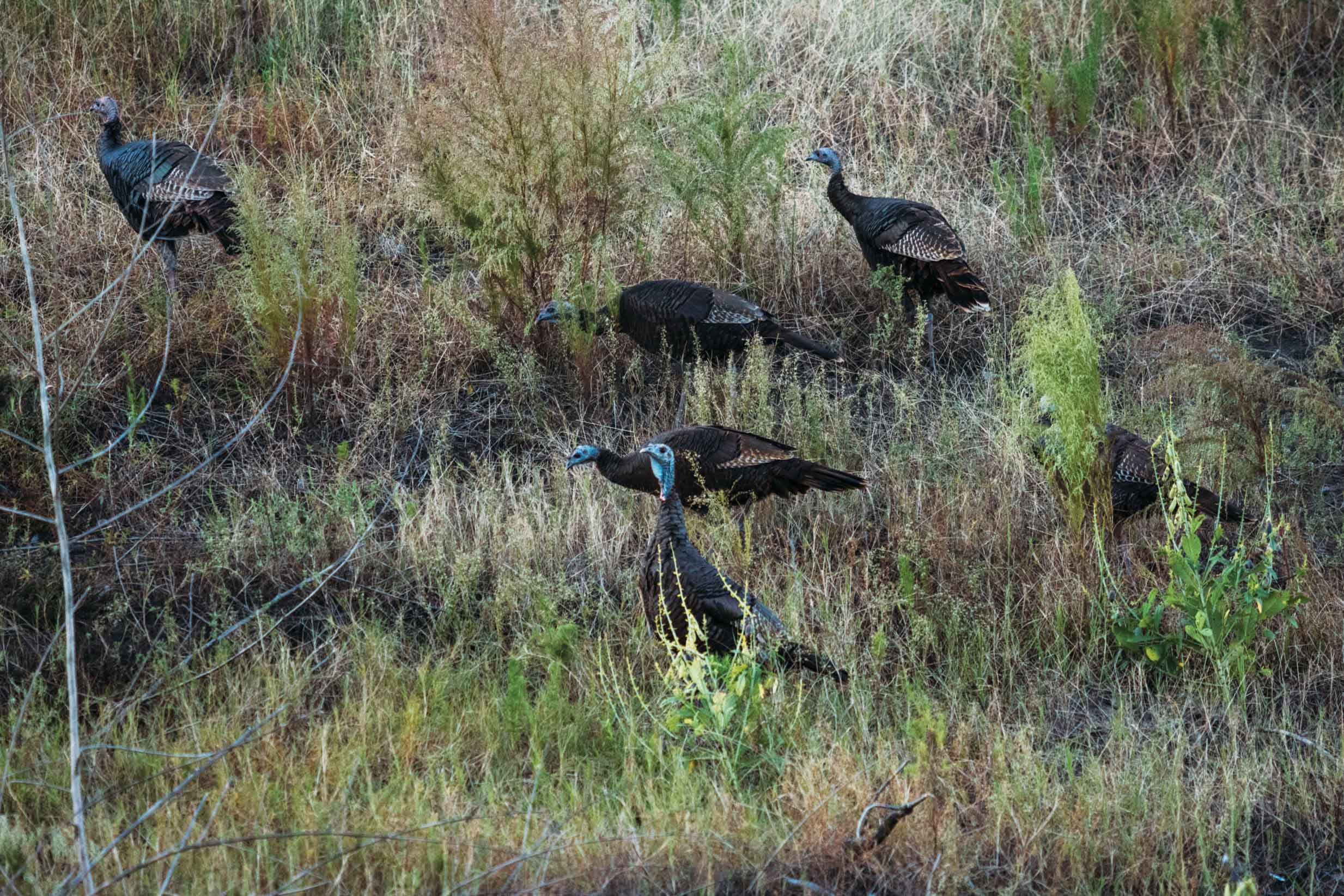
And then there is the land, the acres of dense maritime forest that make Palmetto Bluff feel a world apart. The trail system that winds through the property extends for miles. There are wildlife corridors and swaths of managed forest that the Conservancy protects in perpetuity. The inland waterway will eventually expand from Wilson Village all the way to Anson, Palmetto Bluff’s third and final village center at the south end of the property that will incorporate its own new design concept different from the other villages. All of this is meant to create an authentic relationship between the community and the natural world, connection points that make for a better way of life. “It’s not about creating a sense of place, but revealing the place,” says Permar.