Conservation // 6 min Read

Hidden History

Written by Palmetto Bluff

Over thousands of years, countless people have called this place home, and through ongoing archaeological work, their stories continue to surface—tangible pieces of the past that help us understand the Bluff’s remarkable continuum of life.

Story by Hailey Wist 

Photographs by Hailey Wist & Kathryn Ann Waller

Few places in the Lowcountry hold as complete or continuous a record of human history as Palmetto Bluff. Archaeological research here has uncovered evidence of habitation stretching back more than 10,000 years, and new discoveries continue to expand that story, revealing how generations of people have lived and worked on this land for centuries.

Archaeologist Katie Epps has spent years piecing together this history, linking physical evidence to human stories that span many millennia. Her work is both scientific and deeply human: part field excavation, part conservation, part archival research, and part storytelling.

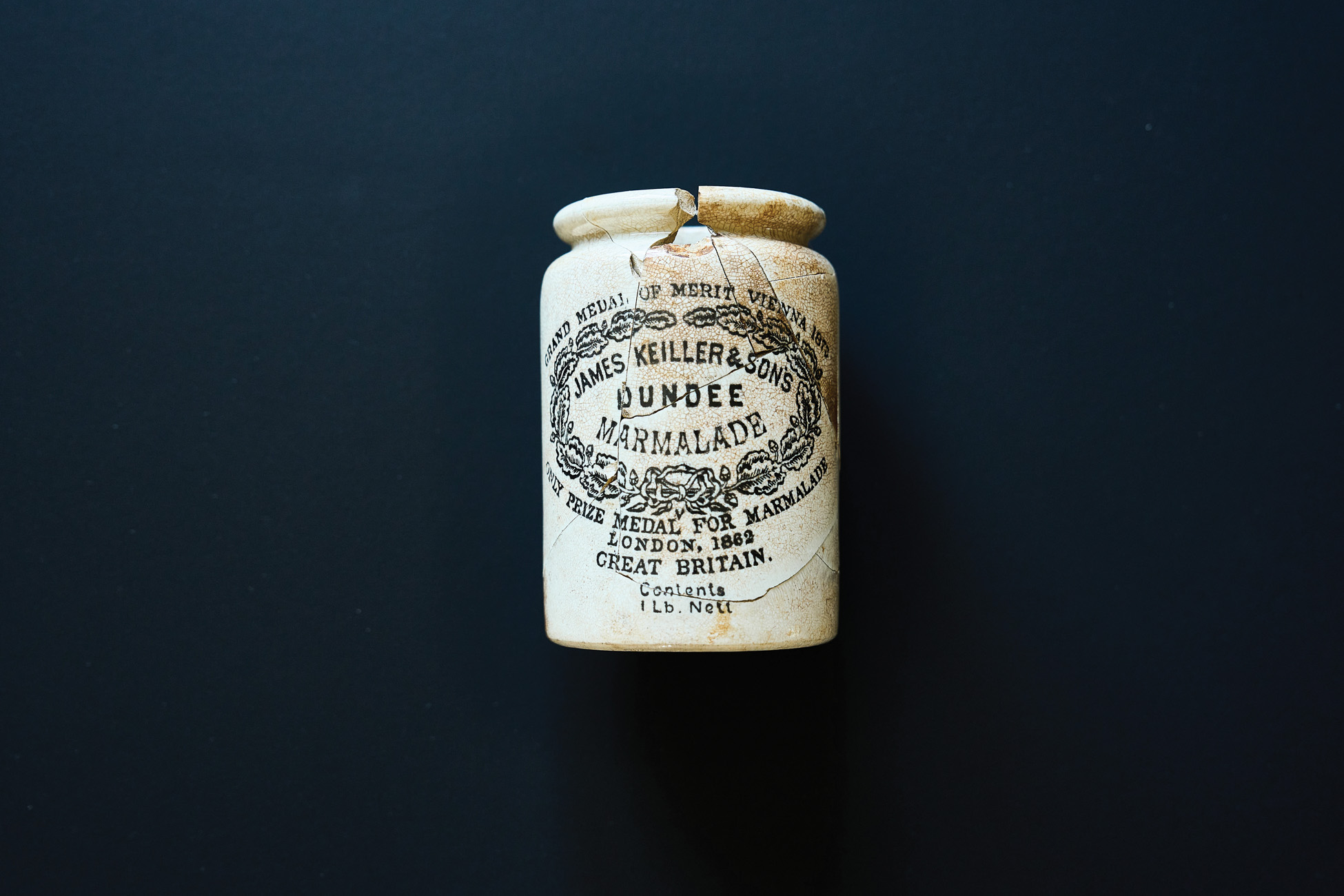
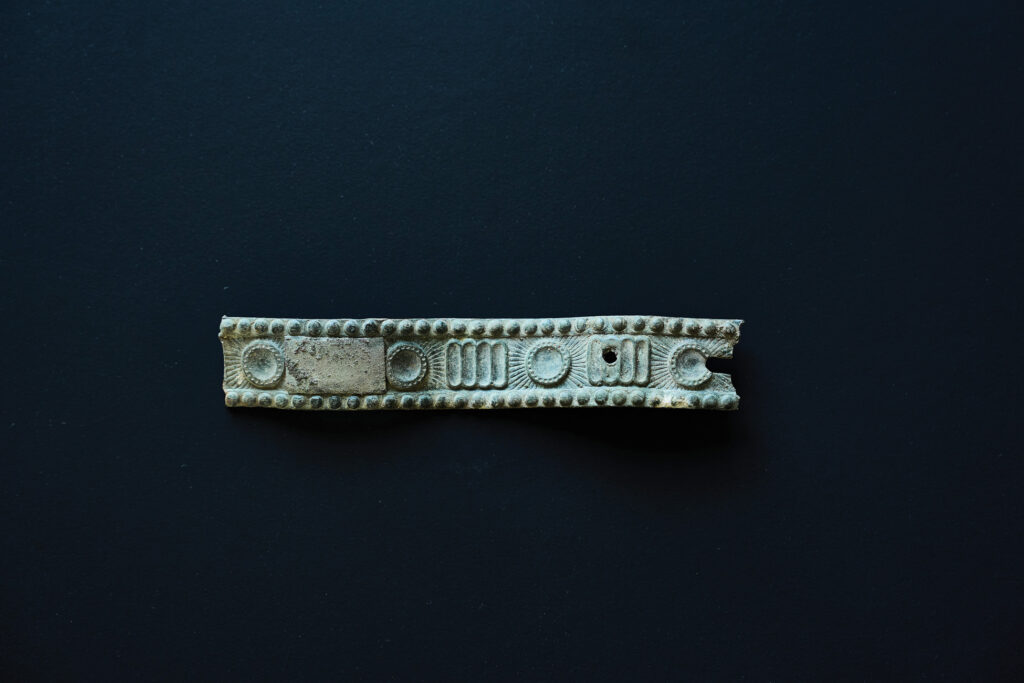
Much of Katie’s work begins in the field. Excavation across Palmetto Bluff has revealed an extraordinary timeline of habitation, beginning with Paleo-Indian peoples who shaped stone tools here over 10,000 years ago. Later prehistoric communities left behind the region’s earliest pottery—Stallings Island pottery, made roughly 4,500 years ago—and historic layers reveal the complex eras of plantation life, Freedmen communities following the Civil War, and the early twentieth century, when the property became a hunting retreat.

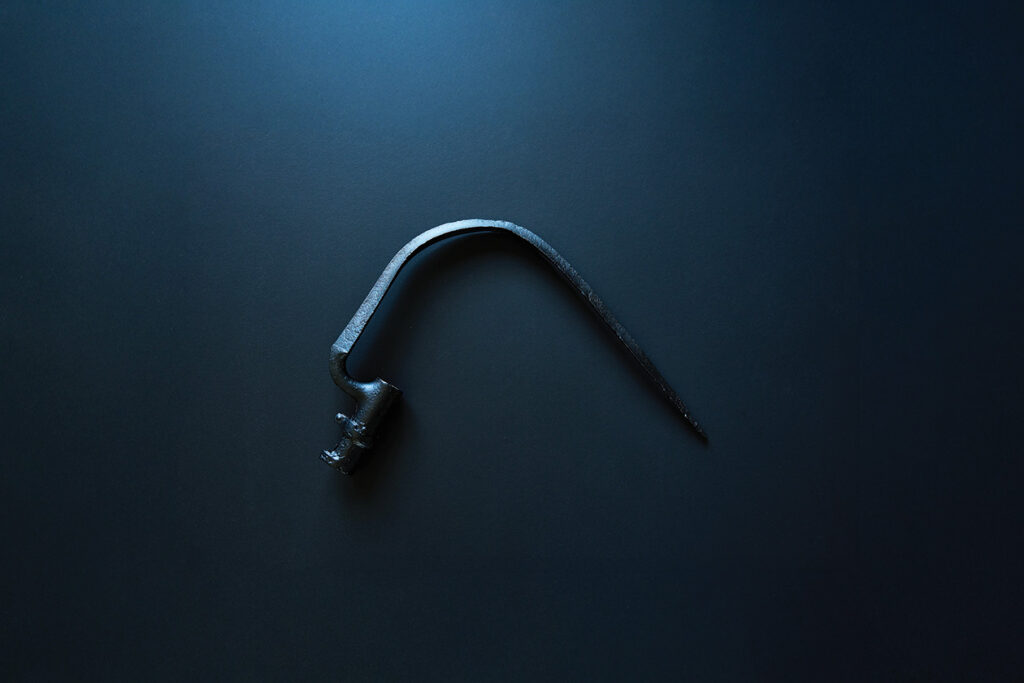
A bent Civil war-era socket bayonet
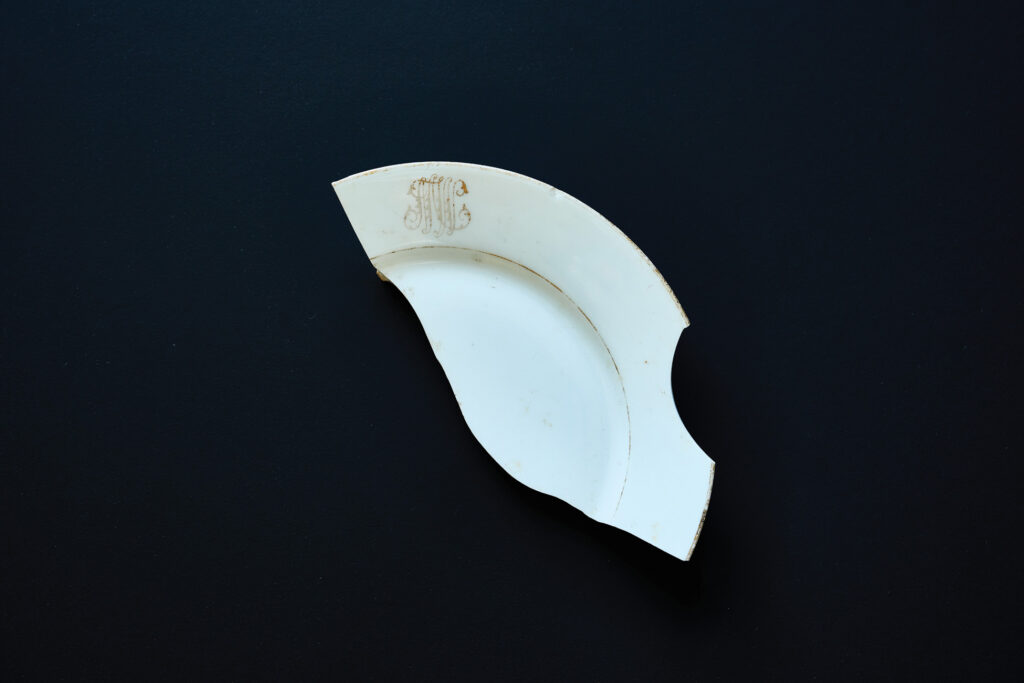
A Fragment of Marion Mason Wilson’s monogrammed dinner plate
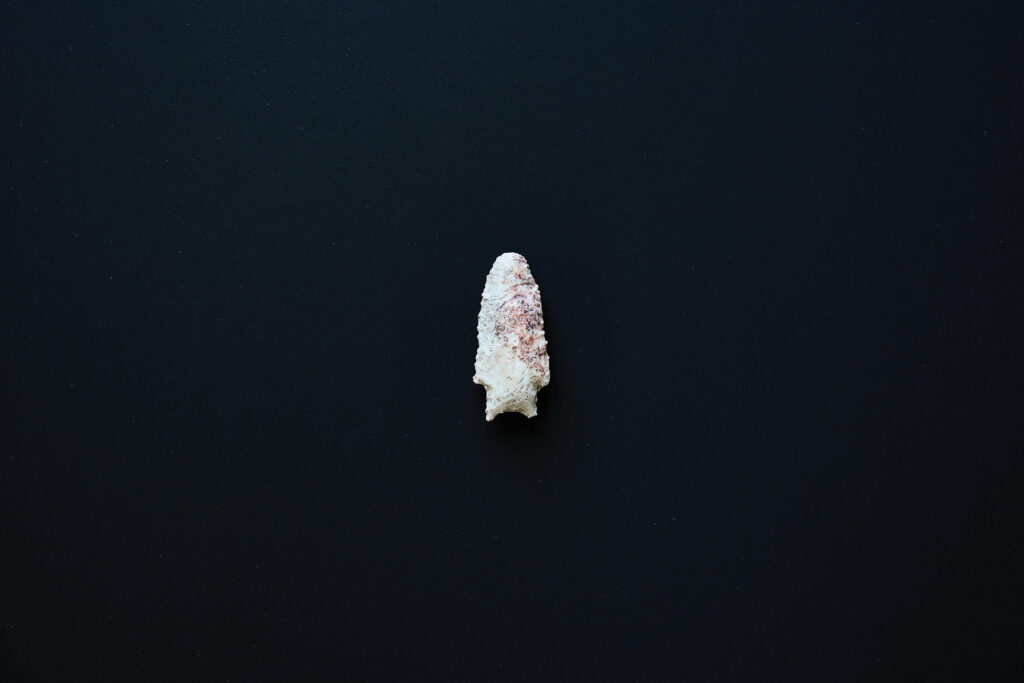
Late Archaic projectile point dating to approximately 4,000 years ago
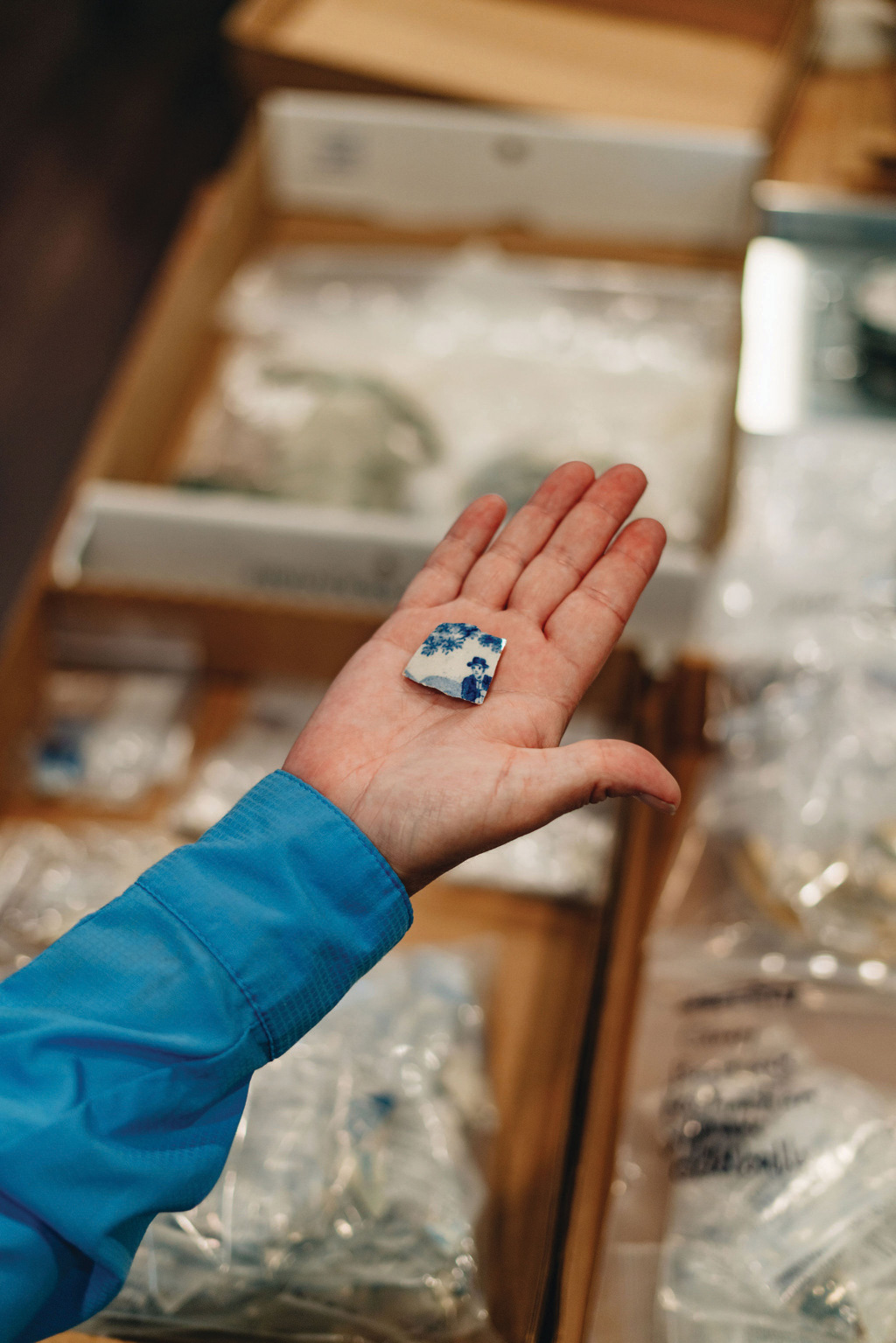
Creamware sherd of Washington #1 pattern produced between 1792 and 1796

The excavation process is slow, methodical, and precise. The value of an artifact is not simply what it is, but where it is found. “Context is everything for archaeologists,” Katie explains. “That’s why we ask people not to pick up artifacts. Artifacts are the puzzle pieces. If you remove pieces, you can’t complete the puzzle.”

Each excavation culminates in a comprehensive final report, a legal requirement submitted to and reviewed by the State Historic Preservation Office and the Tribal Historic Preservation Office. These reports evaluate not only the artifacts but also their spatial relationships—data that reveals how people lived, worked, built structures, used land, shared resources, and interacted with broader cultural networks.

If the field is where artifacts are found, the lab is where they become understandable. The lab at Palmetto Bluff is a quiet, light-filled upstairs studio where trays of pottery fragments, animal bone, glass, and corroded metal cover large work tables. “Lab work takes a lot of space and a lot of time,” Katie says. “We create displays and presentations, mend and conserve artifacts, write reports.”
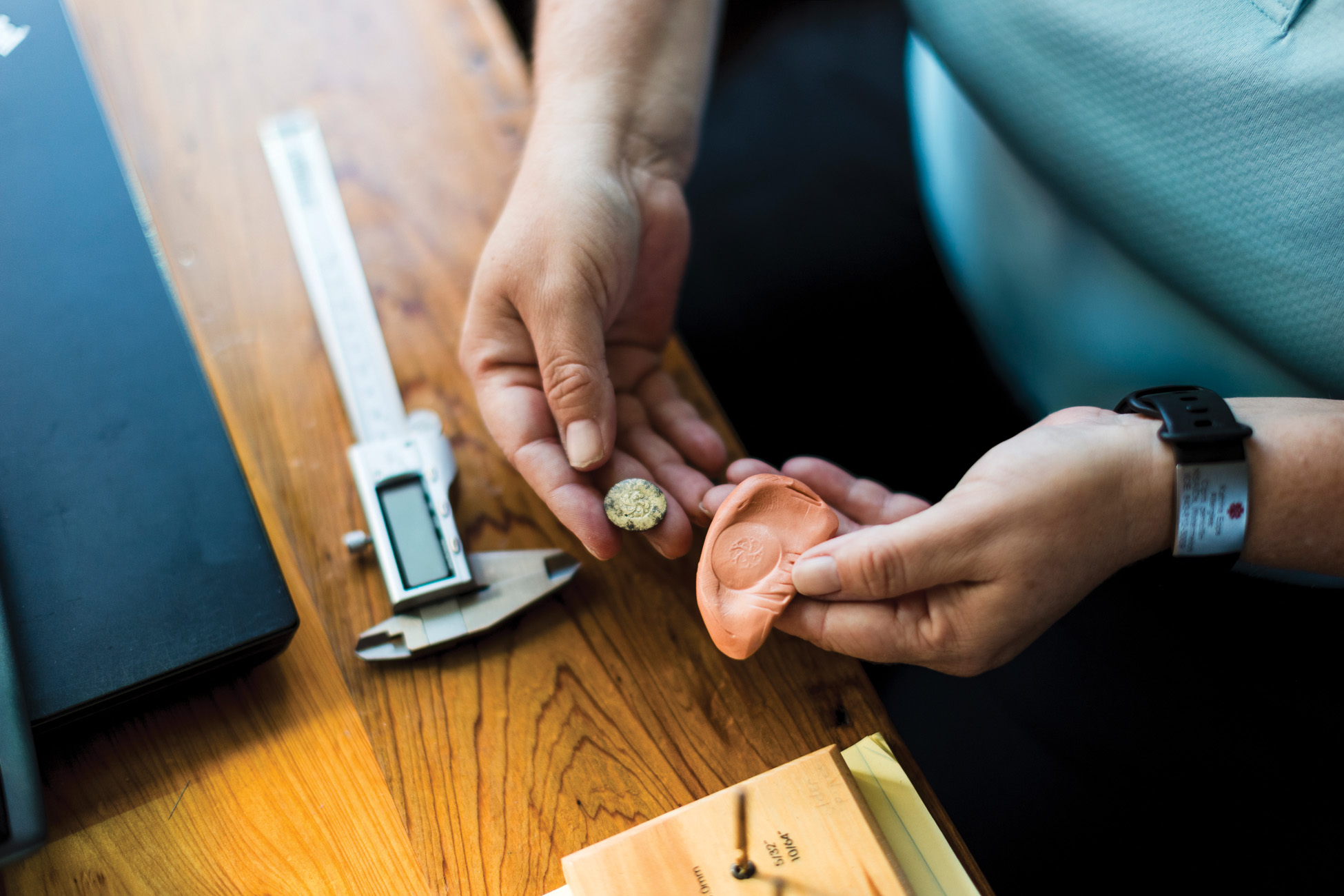
Each artifact is washed, sorted, identified, weighed, counted, and cataloged. These seemingly small details are essential to reconstructing the past, especially when objects have been damaged due to centuries of plowing, erosion, or exposure. “A lot of this property has been plowed for hundreds of years,” Katie notes, “and twentieth-century plowing really did a number on the ceramics. Many pieces are broken into smaller fragments than they originally would have been.”

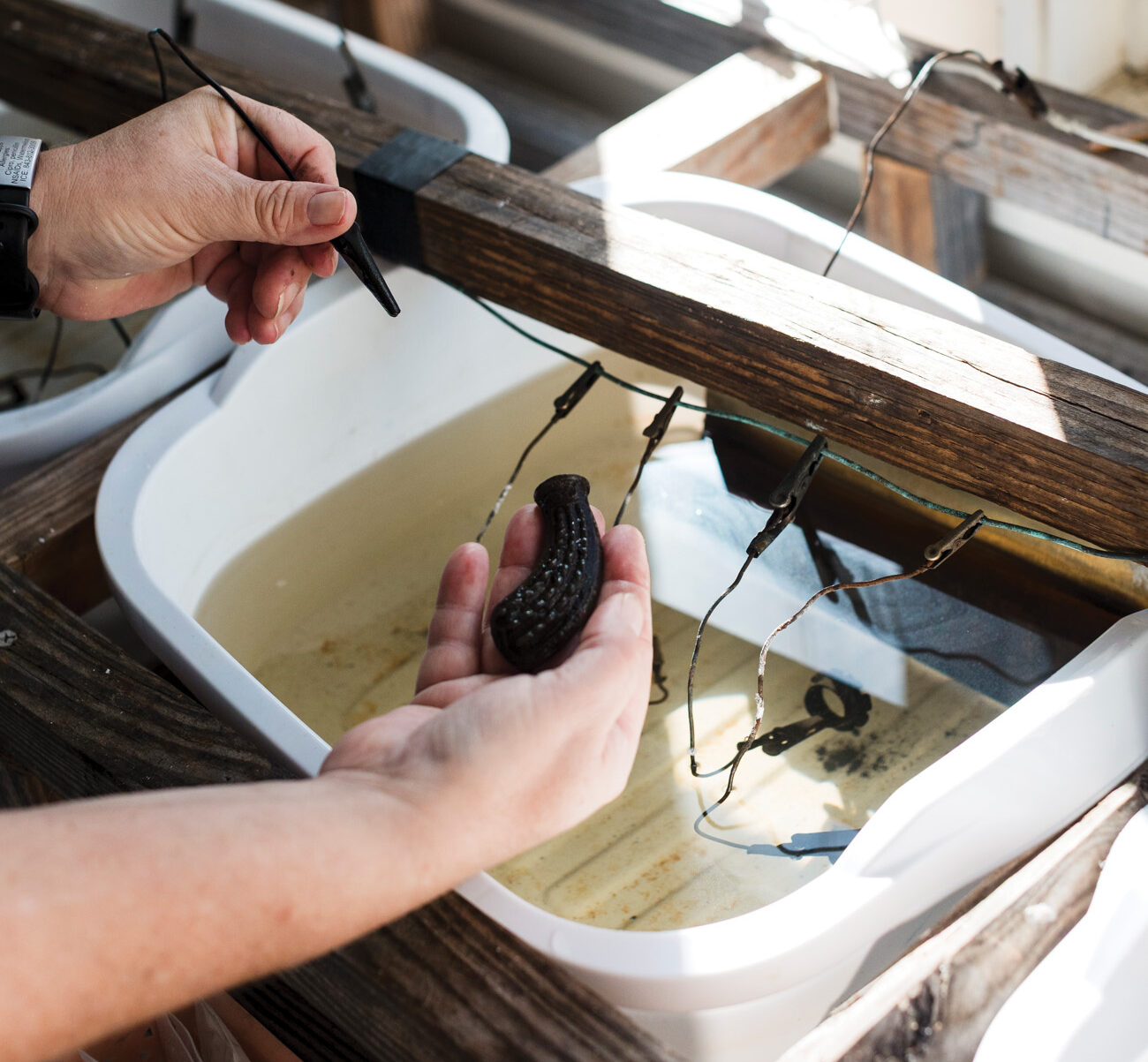
Despite the disruption, careful sorting and analysis can reveal how objects were made, used, traded, repurposed, and discarded. Ceramics are mended by Archaeological Technician Zoe Klauck, who reassembles pottery into larger fragments that reveal vessel shape, use, and cultural style. Glass is rarely mended—its smooth edges make it difficult to bond. Katie handles the conservation of metal artifacts, using a controlled electrolytic conversion process called electrolysis to stabilize items before they deteriorate.

“I choose artifacts that can survive electrolysis,” she says. “We don’t do every nail—we have thousands—but we conserve representative examples.” They also conserve objects like buttons, coins, hinges, locks, and lead shot. Some conserved items remain at Palmetto Bluff for educational programming and interpretive displays. Others are cataloged and transferred to a climate-controlled facility at Georgia Southern University.
One of the most meaningful dimensions of Katie’s work lies in interpreting the lives of the enslaved Africans and African Americans who lived and labored on the plantations that once occupied the Bluff. “The enslaved were responsible for the care of the land, the crops, the buildings, and the livestock,” she says. “Their presence was continuous. They left behind artifacts that help us understand their daily lives.”

But the historical record is often incomplete. “We know of the people who labored here,” Katie says, “but we don’t always know their names. One of our biggest challenges is finding out their names. We want to make sure they and their contributions are recognized.” Recent digitization of historical documents has begun to make previously inaccessible information available. Katie’s team recently recovered names associated with enslaved individuals at Oak Island Plantation. “Every time new documents are uploaded, we have a greater chance of making connections to the past,” she says. “The hope is to connect the people who lived here to their descendants today.”

For Katie, this work is not just archaeological—it is ethical. “We want to make sure they are recognized. Even if we don’t have their names, the work we do helps give them a voice.”

The lab may appear quiet, with its work tables and window light, but it is where stories are uncovered. Piece by piece. Layer by layer. Voice by voice.

Architecture & Design
Bunk Up

Story by Barry Kaufman Photographs by Anne Caufmann, Kelli Boyd, Corey Gibson, and Josh Gibson There have been numerous think pieces and articles that have celebrated Palmetto Bluff’s unique architecture. The way screened porches extend the living space ...

Jul 2026
bramble park palmetto bluff

Real Estate
Bramble Park: New Palmetto Bluff Homes for Sale

Inside Bramble Park: Palmetto Bluff’s Newest Neighborhood in Moreland Forest  Neighborhoods in Palmetto Bluff feel less like new additions and more like places that have always been there, waiting to be discovered. Bramble Park is the latest community to take...

Jul 2026
Waterways in south carolina

Waterways
The Waterways That Define Life at Palmetto Bluff

Exploring the South Carolina Waterways of Palmetto Bluff Water surrounds Palmetto Bluff on three sides. The May River wraps the north and northeast, while the Cooper River runs along the east and southeast, and the New River borders the south and southwest. A...

Jul 2026

Club Life
PBGO: Where Childhood Grows at Palmetto Bluff

At Palmetto Bluff, some of childhood's best moments begin outside. Days are measured by muddy shoes, saltwater adventures, and the excitement of discovering something new just beyond the next trail.That spirit is at the heart of PBGO (Palmetto Bluff Growing Ou...

Jul 2026

Food & Wine
Chef Beth Cosgrove’s Sun-Ripened Tomato and Rich Ricotta Tart

This simple tomato and ricotta tart recipe from Palmetto Bluff Club Executive Chef Beth Cosgrove is the perfect summertime dish for your next gathering. The flaky puff pastry crust is topped with a creamy ricotta mixture along with fresh herbs and sun-ripe...

Jul 2026

Real Estate
Contemporary Classics: Three Homes With a Modern Take on Lowcountry Architecture

Timeless Lowcountry architecture has always been defined by its connection to the landscape. Wide porches invite conversation and capture cool coastal breezes, while natural materials and sunlight filled interiors blur the line between indoors and out. As life...

Jul 2026

Club Life
Hampton Watts: Painting the South to Life

This August, Savannah-based painter Hampton Watts will join us at the Bluff to share his contemporary Southern art celebrating the landscapes, traditions, and enduring spirit of the South. Drawing inspiration from generations of Southern heritage, Hampton c...

Jul 2026

Food & Wine
Home Grown

From weekly harvests to farmers markets and seasonal dinners, The Farm plays a central role in Palmetto Bluff’s culinary program. Story by Joanny Palsson | Photographs by Summer Pagatpatan Most mornings at Palmetto Bluff begin at sunrise, before the kitche...

Jul 2026
Palmetto Bluff Real Estate

Real Estate
Inside 20 Butterweed Road: A New Moreland Forest Home Built for Lowcountry Living

Palmetto Bluff Real Estate: 20 Butterweed Road, Moreland Forest  Moreland Forest sits a short walk or ride from Moreland Village and Crossroads, Palmetto Bluff’s nine-hole reversible course. Moreland Forest centers around an intricate trail system and an ...

Jul 2026
Palmetto bluff golf

Club Life
Behind the Bluff: A Conversation with an Anson Point Golf Pro

Palmetto Bluff Golf: A Pro’s View of Anson Point   Anson Point doesn’t look as if it were man-made. The rolling dunes and sandy areas look as though they settled into the Lowcountry on their own, and the fairways follow the ground rather than fighting it. Thi...

Jul 2026

CURIOUS ABOUT LIFE AT THE BLUFF?
Sign up for our newsletter

LIVE
Community Villages
Experience
Palmetto Bluff Club
On The Water
The Arts Initiative
Events
Conserve
About Us