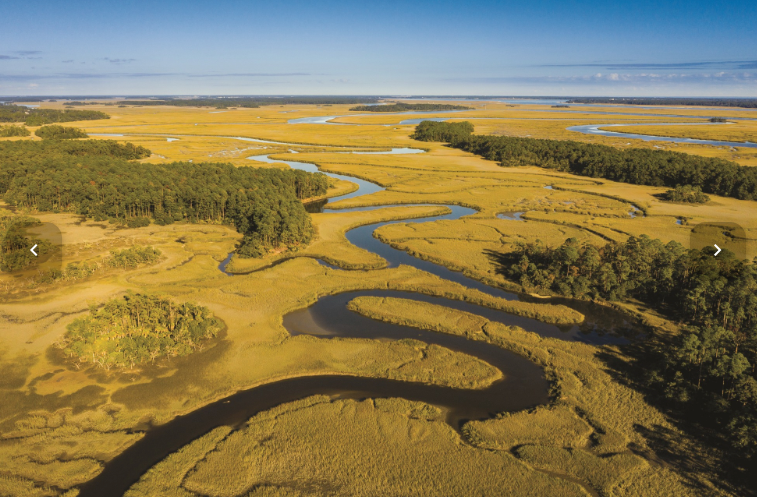
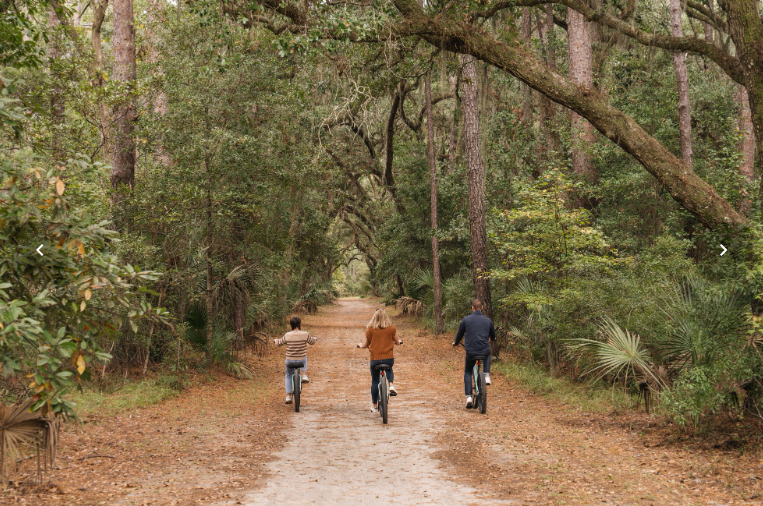
Palmetto Bluff is graced with a diversity of plants belonging to the Fabaceae family, better known as legumes. These plants are present in an array of habitats and are easily distinguishable by the seed pods they produce. What may be surprising is this group of plants is also diverse in their growth habits. From long twisting vines of butterfly pea and American wisteria to small woody shrubs of lespedeza and indigo, and even the beautiful Eastern redbud, are all classified as legumes. However, not all members of the Fabaceae family are great to have around as kudzu and Chinese wisteria are both highly invasive legumes that were introduced to North America.
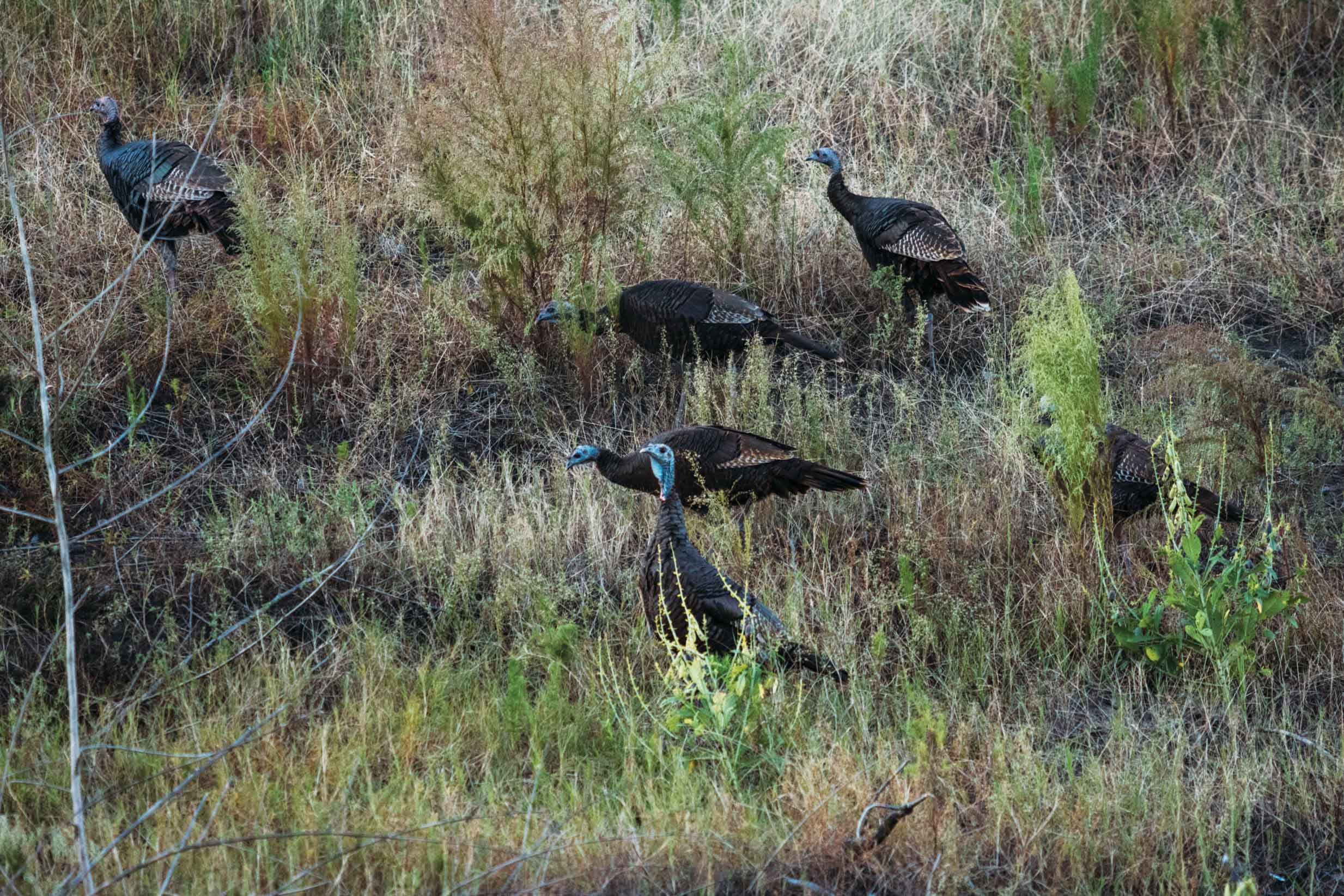
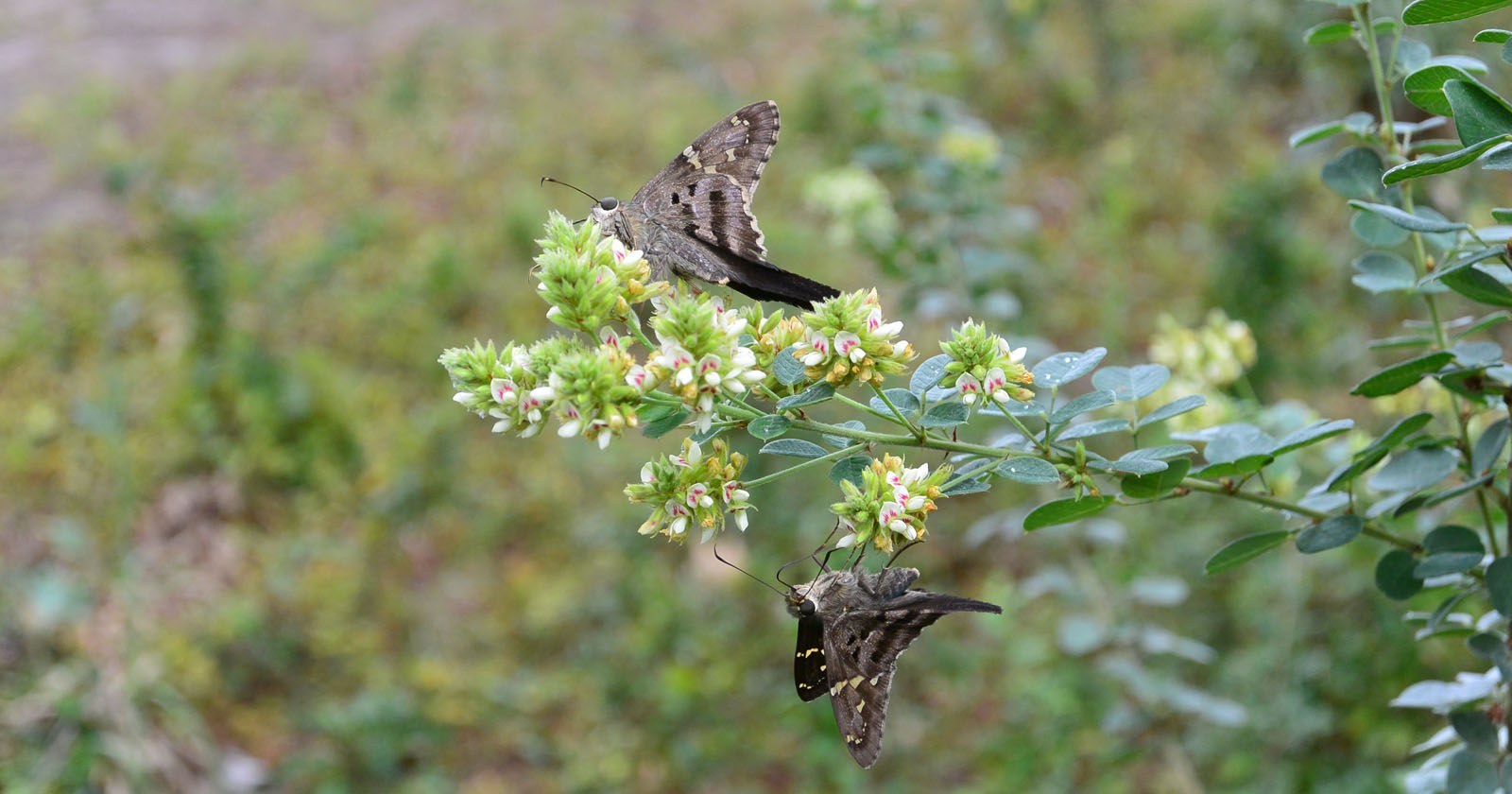
So why include native legumes in the garden? The biggest reason is they provide food for a wide range of organisms in multiple ways. All species of Fabaceae rely on insect pollinators, which involves providing nectar for these insects. The foliage itself is great forage for rabbits, deer, and young caterpillars while the seed pods provide food for quail, turkeys, and seed-eating songbirds. Not only are legumes providing food for wildlife, but they are also producing nutrients that neighboring plants can take advantage of. Legumes are nitrogen fixating plants and have the unique ability to convert nitrogen from the atmosphere into forms usable by other plants due to their relationship with soil bacteria called rhizobia. This adaptation introduces nitrogen into the soil which can provide food for other plants!
Interested in including legumes in the garden? Here is a handful of species native to Beaufort County that are good additions to your yard:
Eastern Redbud (Cercis canadensis) – deciduous tree
White Wild Indigo (Baptisia alba) – bushy perennial
Partridge Pea (Chamaecrista fasciculata) – annual forb*
Coralbean (Erythrina herbacea) – bushy perennial
Carolina Indigo (Indigofera caroliniana) – bushy perennial
Slender Lespedeza (Lespedeza virginica) – perennial forb*
Wild Lupine (Lupinus perennis) – perennial forb*
Goat’s Rue (Tephrosia virginiana) – perennial forb*
*Forbs are herbaceous flowering plants. They are neither grass-like nor woody in structure.
%GALLERY%
Palmetto Bluff Homes for Sale: Q1 2026 Market Update The Palmetto Bluff real estate market opened 2026 with momentum, and the numbers confirm what buyers already know: this is one of the most sought-after communities in the Lowcountry. 52 properties closed i...
Birds of the Lowcountry: A Guide to Summer Breeding Season at Palmetto Bluff By June, migration has wound down. What remains on the land are the species that chose the Lowcountry as their breeding ground—nesting, calling, and raising young across 20,000 acre...
For many residents, the story of life at Palmetto Bluff began with a short stay. For most Palmetto Bluff homeowners, the story begins the same way: a first visit becomes a lasting tradition the moment the community starts to feel like home. They stayed at ...
Dolphins return season after season to feed, calve, and navigate the familiar channels of our protected estuarine system. With Captain Boo Harrell of Outside Palmetto Bluff decoding tide cycles and surface shifts, the river becomes a map of intricate patterns ...
Imagine coming home to a vacation. Nestled within a maritime forest along the marsh, 415 Corley Street feels less like a residence and more like a secluded boutique retreat in the heart of the Lowcountry. Designed by Pearce Scott Architects, the home is define...
The summer months are packed with activity and cultural experiences at Palmetto Bluff and throughout the surrounding area. Just 30 minutes from Savannah/Hilton Head International Airport and a quick 15 minutes from Hilton Head Island Airport, Palmetto Bluff is...
Your Guide to Things to Do at Palmetto Bluff: Spring Events, Activities, and Experiences in May and June Spring runs long at Palmetto Bluff. From early May through the end of June, the calendar fills up with music, markets, kids’ camps, waterway excursions, a...
Savannah is a historic city in the truest sense. Its riverfront location, shady squares, and remarkably intact architecture create an atmosphere that is completely distinct.There is a slightly mysterious quality, an old Southern allure supported by genuine cul...
The Standard for Luxury Community Living in the Lowcountry In places where luxury is a given, the idea of “amenities” tends to lose its meaning. “Golf,” “spa,” and “clubhouse” are no longer differentiators but expectations. What truly sets a place apart isn’...
Anson Point: A Coore & Crenshaw Masterpiece Across 500 Acres of Lowcountry After years of anticipation and careful stewardship, Anson Point golf course is officially open at Palmetto Bluff. This isn’t just another addition to the Lowcountry’s golf landsc...