Written by Palmetto Bluff
May 07, 2024

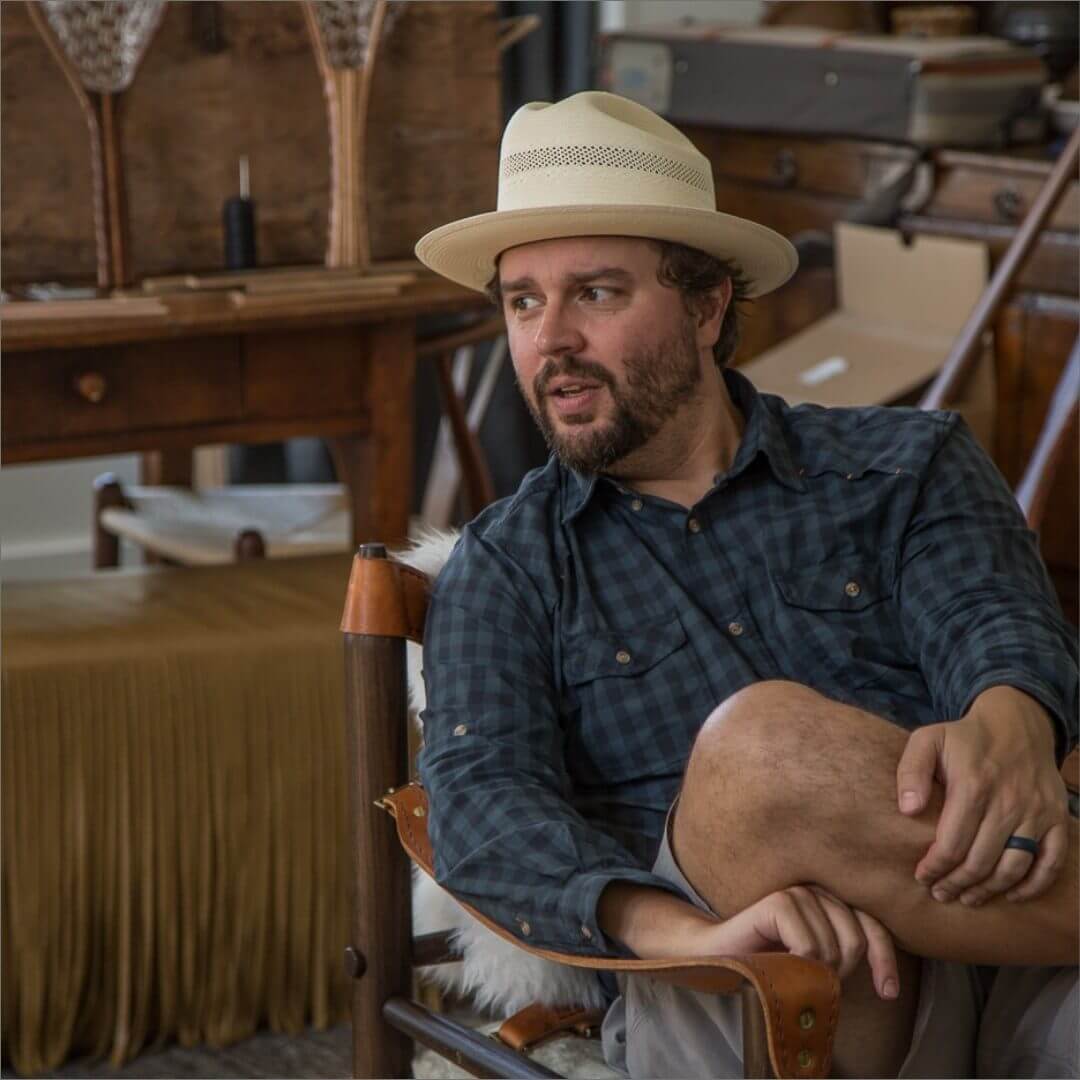
Marion “Rollen” Chalmers has been garnering a lot of well-deserved attention of late. Garden & Gun, the Blue Zones project, and even the TODAY show have made the trip to Rollen’s native Hardeeville, South Carolina, to spend time with the man credited with playing an instrumental role in the rebirth of Carolina Gold rice, the grain that put the South Carolina Lowcountry on the map and generated massive amounts of wealth for plantation owners in the colonial period. An African variety cultivated by enslaved people, Carolina Gold was a cash crop until the Civil War, subsequently declining in popularity until the final commercial crop was harvested in 1927. In the 1980s, Dr. Richard Schulze Sr. became interested in the grain, discovered that a USDA rice research center in Texas still retained seeds, and began the restoration of a rice field at a property in Hardeeville. The rest is history.
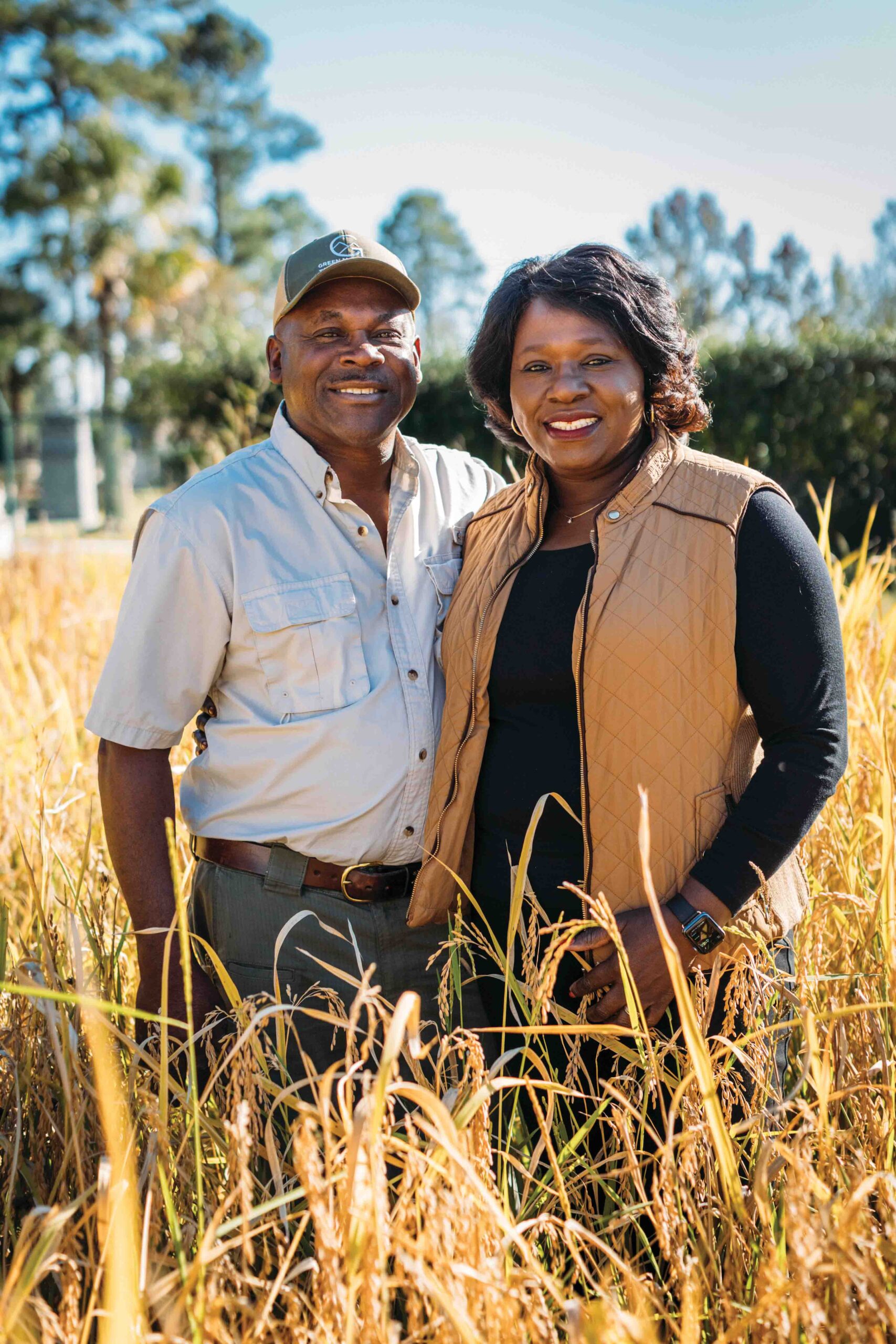
Rollen, along with his wife and business partner of forty years, Frances, operate Rollen’s RAW Grains, just a few miles south of where he was raised. Both at the store and online, you can buy the fruits of their labor—rice, grains, peas, and corn. Rollen and Frances also sell their goods at the Palmetto Bluff and Port Royal farmers markets and supply their grains to chefs at Palmetto Bluff and nearby Savannah and Hilton Head.
Unknown to Rollen until recently, rice cultivation is deeply embedded in his family history. His role in resurrecting Carolina Gold set him on a path to uncover his ancestry, which is intertwined with the grain and its enduring popularity.
Still rural, Hardeeville has “grown up some,” in Rollen’s estimation, from the backwoods highway town of his youth. As a kid, there were two fast food outfits. Hardee World, “a restaurant, gas station, gift shop, fireworks-selling, travel-center bonanza,” was central to his childhood. From a young age, Rollen worked there, either in the restaurant or manning the gas pumps. Later, Rollen and his father were employed at a lumber plant in nearby Savannah, while his mother worked part-time at various jobs. They weren’t professional farmers, but the Chalmers always had crops growing, maybe five or ten acres of the same vegetables the family had grown for generations: sugarcane, peanuts, watermelon, okra, and corn.
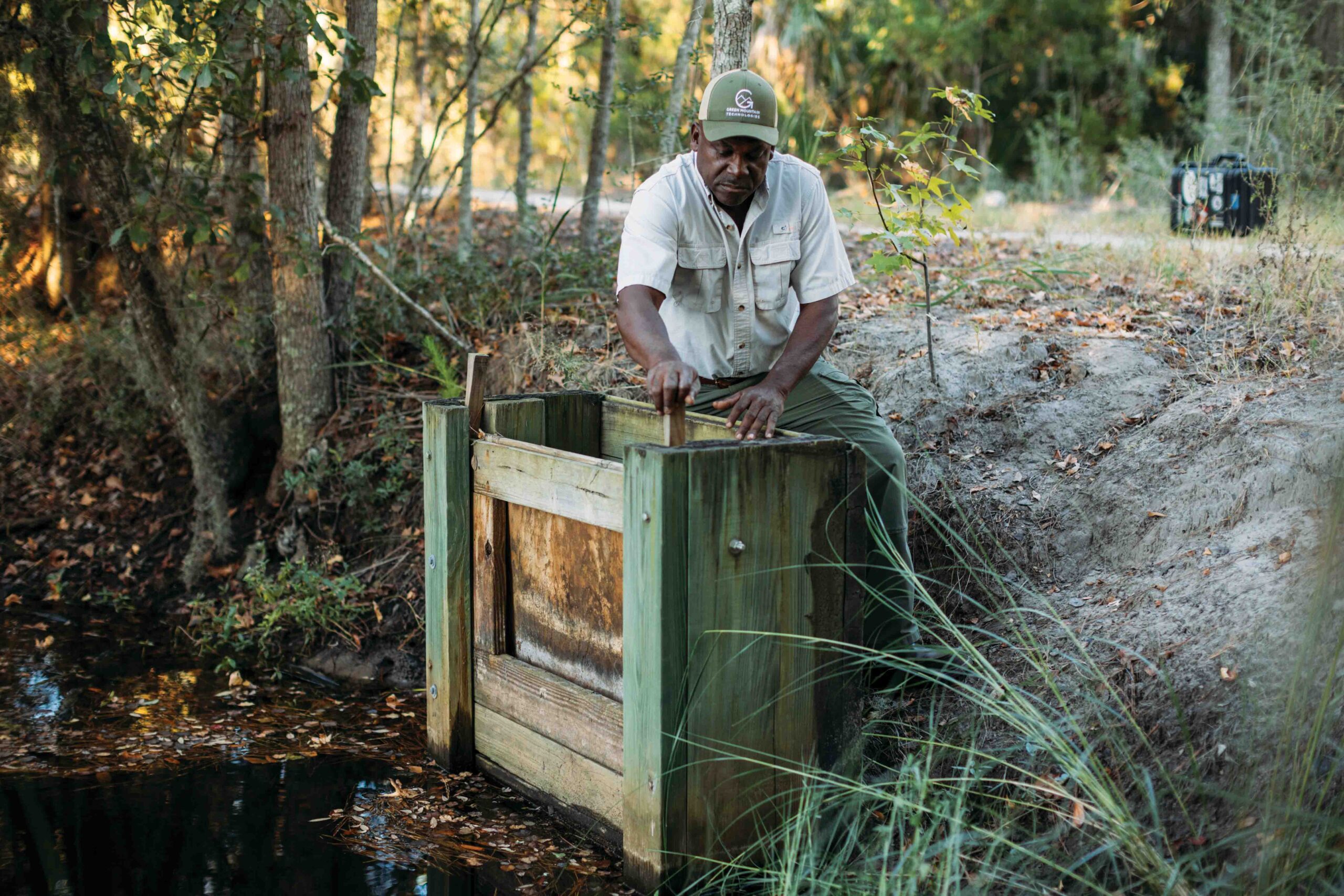
An artistic kid who won awards in school for drawing and painting, Rollen was encouraged to go to college. But Rollen, making money at Hardee World, had other ideas—including buying and drag racing motorcycles. He never pursued his education and instead joined his dad at the plant in Georgia. Developing a wide variety of skills over a decade and a half spent working a series of skill-building jobs, Rollen purchased heavy equipment and struck out on his own in his early thirties as an earth mover. Clearing land, digging ponds, and building driveways, you name it. If you had a job that needed doing, Rollen was the man to call.
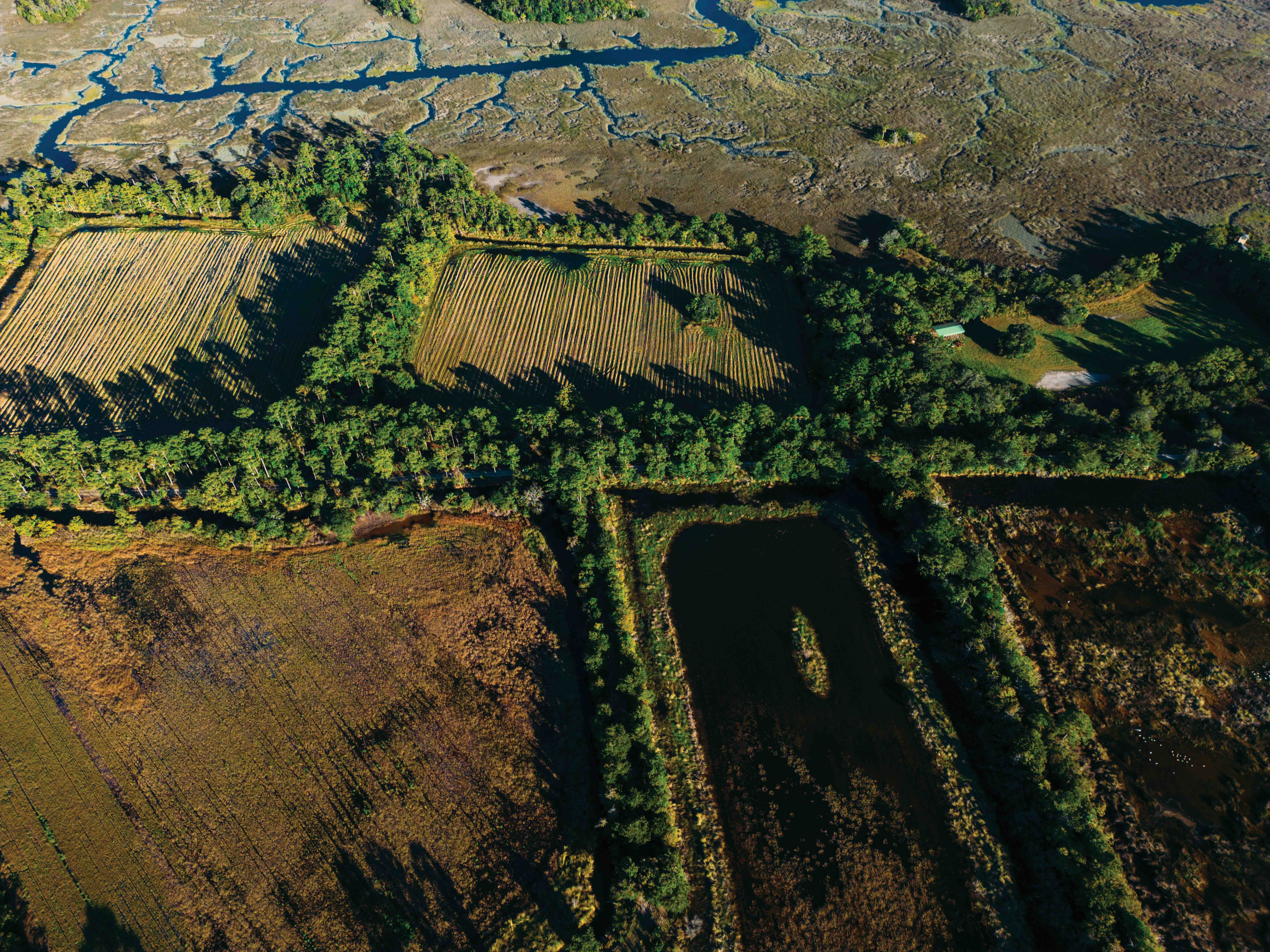
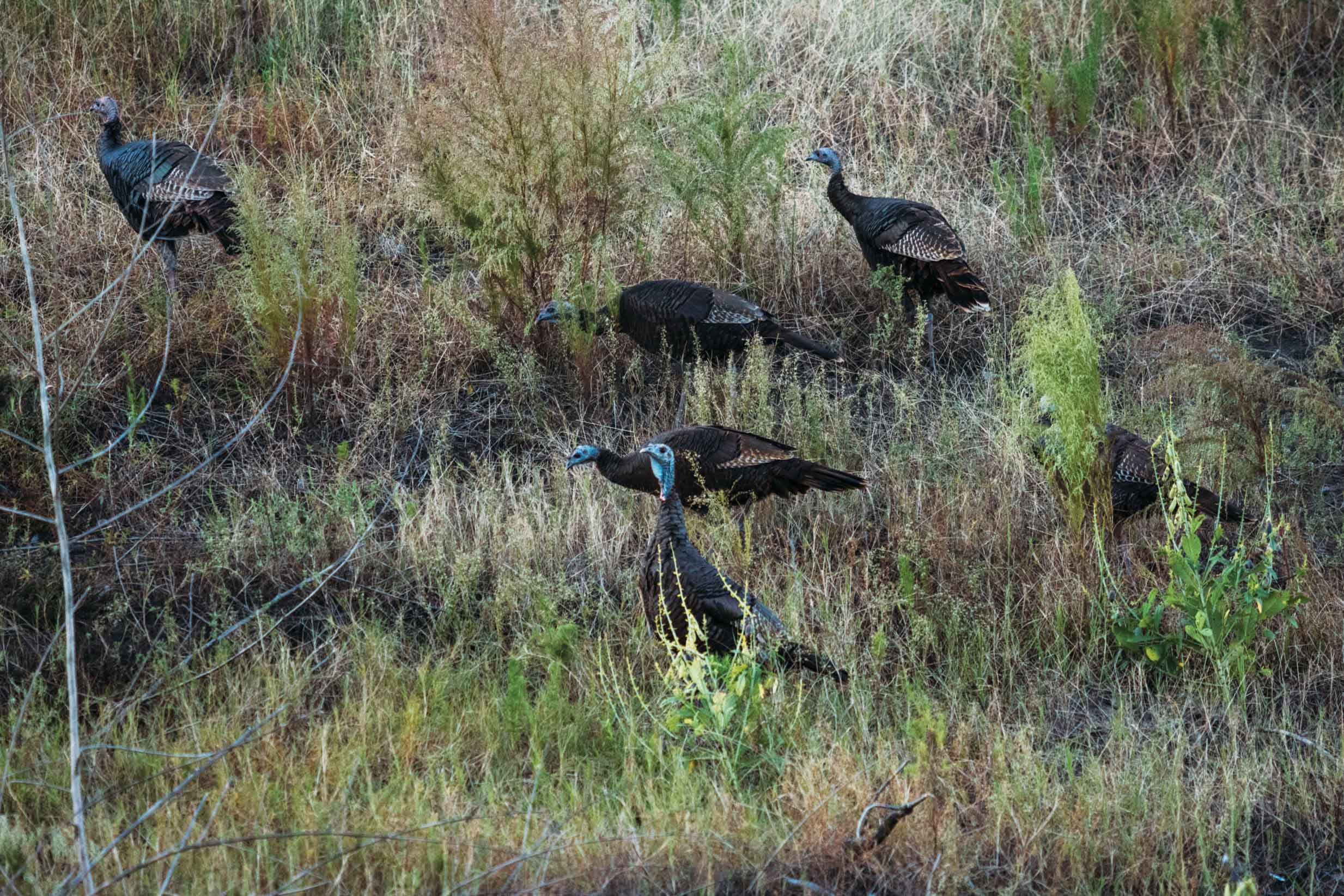
Back before everything went “grocery store bought,” Rollen’s parents and grandparents had cultivated rice for family consumption. “My mother would always tell me about rice growing and what they had to do—planting it, harvesting it, milling it themselves—just to have food to eat.” Despite this family history of food self-sufficiency, his introduction into the rice world actually came by way of managing wealthy people’s land for hunting purposes: digging rice impoundments, setting up controlled flooding, and growing rice to attract ducks, deer, and turkey. Rice is temperamental, and impoundments must be perfectly level to ensure even distribution of water and require endless maintenance.
Eventually, Rollen met Dr. Richard Schulze Jr. whose parents—Dr. Schulze Sr. and his wife, Patricia—had begun the revitalization of Carolina Gold on their Turnbridge property. Dr. Schulze Jr. had a friend interested in growing rice for research and wanted Rollen to be involved. That friend turned out to be Glenn Roberts.
Glenn is an heirloom grain expert and owner of Anson Mills in Columbia, South Carolina. Glenn made the drive to Hardeeville, took Rollen and Frances to dinner, and pitched them on the idea of growing Carolina Gold. “Glenn tells me that he’s starting up Anson Mills and needs someone like me in research to get this thing going,” Rollen says. The Chalmers agreed, and Glenn got them the seeds and fish for fertilizer, everything they needed to start growing at Turnbridge.
“People want Carolina Gold because of the flavor,” Rollen says. “I love growing it because of the history.” But he had no idea how closely linked his family was to that history. In 2023, Dr. Mary Socci, a Palmetto Bluff archaeologist, invited Rollen to the property to discuss putting in a rice field. Over lunch, Mary told Rollen she had something to show him. “Mary takes me to a small cemetery on the bluff with a little iron fence around it. A beautiful setting.” They walked through the gate and approached a headstone that read, “Maria Chalmers, wife of William Chalmers.” “I was blown away,” Rollen says. “That was my great-grandmother buried there, and it was the first my family knew about it.”
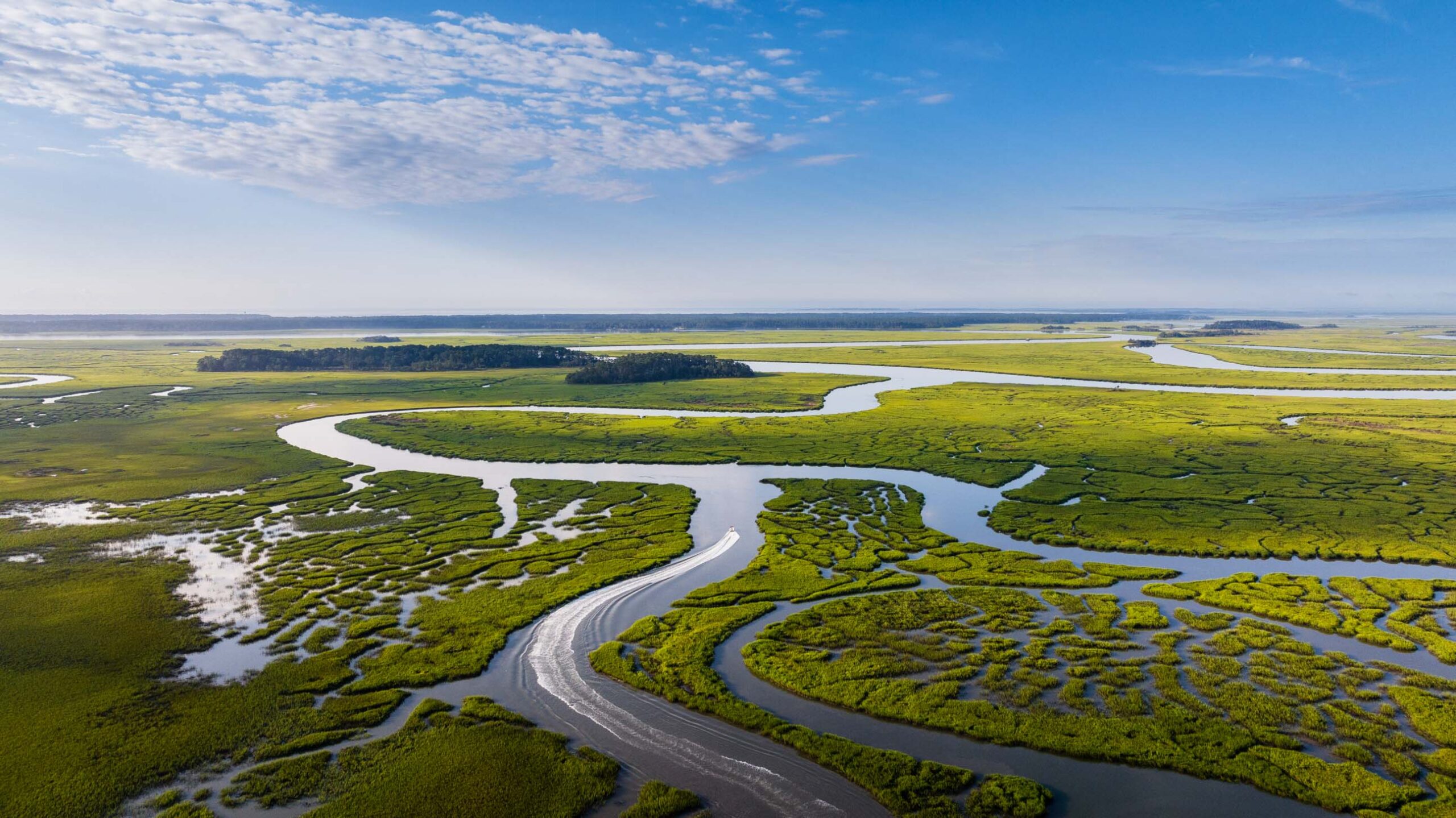
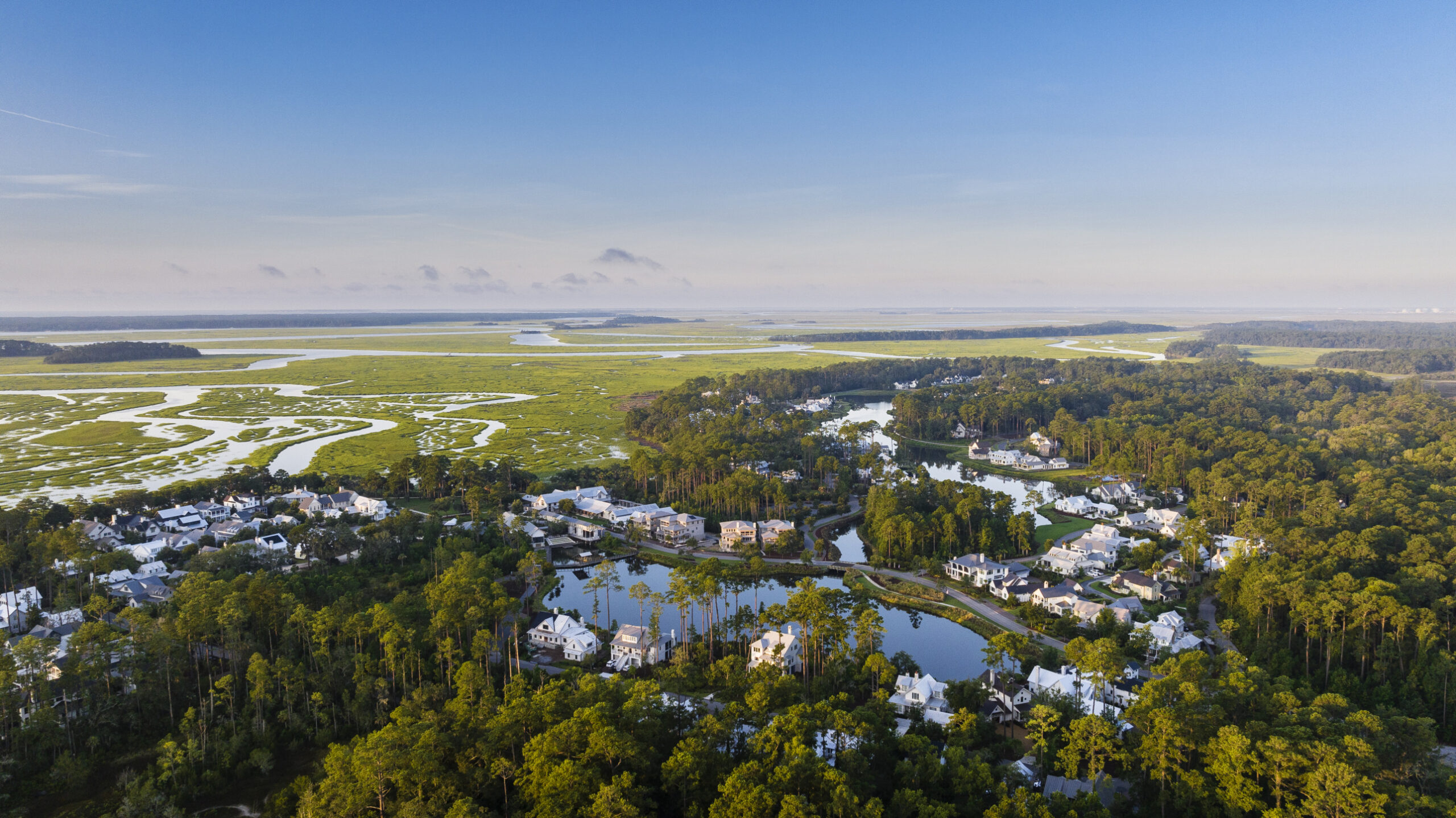
Palmetto Bluff was a large producer of rice in the seventeenth century. William and Maria Chalmers were enslaved cultivators of Carolina Gold until they moved to Bluffton after emancipation. Shortly thereafter, William Chalmers leased land in Palmetto Bluff and started growing rice. “In the future, I hope to grow rice on the same land that my great-grandfather did five generations earlier. I can’t believe it.”
For the past twenty years, Rollen has stewarded the land and performed research at Turnbridge. In the winter months, he maintains embankments and cover crops to enrich and protect the soil. At the end of February and into March, he turns over the fields and controls weeds by pulling a cultivator behind his tractor. In mid-to-late April, he plants after the last frost. The fields are flooded, and the rice grows throughout the summer months. In mid-September, the water is drained from the fields, and Rollen harvests with a combine. He delivers the crop to Anson Mills, where it is cleaned and milled. Water on, water off. Plant, harvest, and mill. This is the rebirth of Carolina Gold.