Written by Palmetto Bluff
Oct 13, 2022
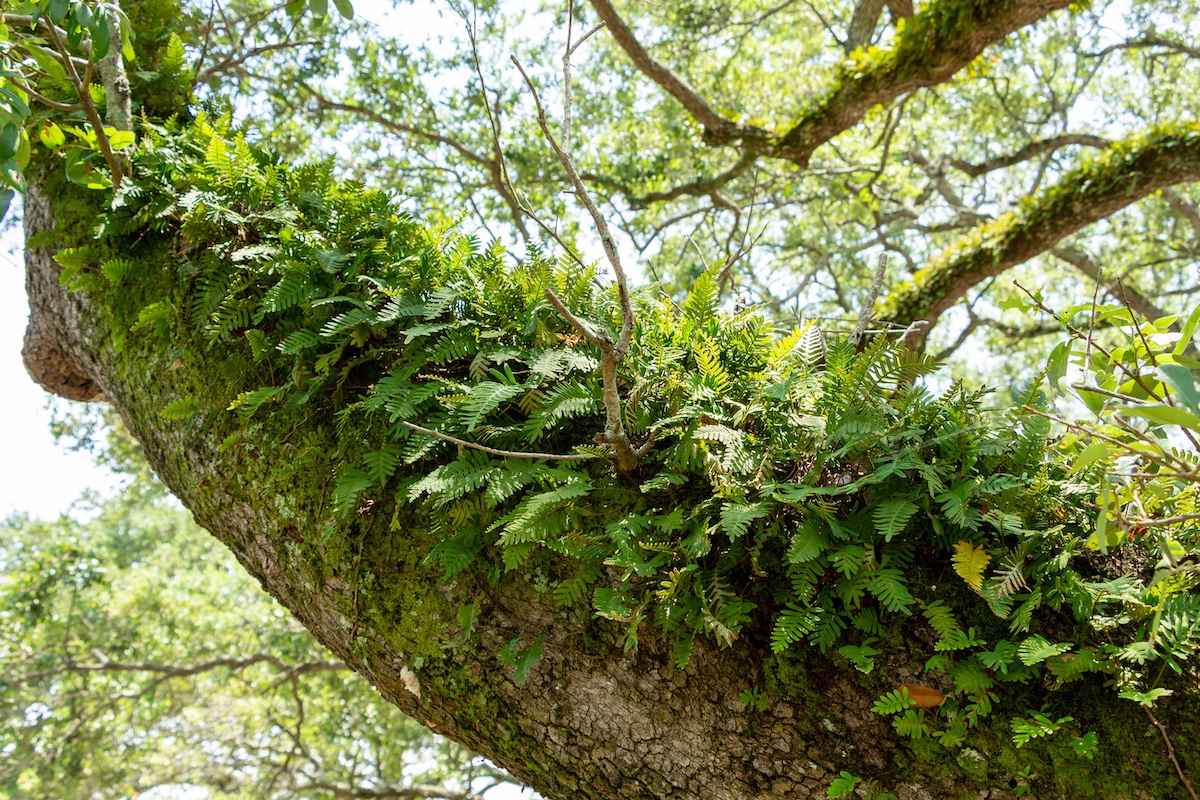
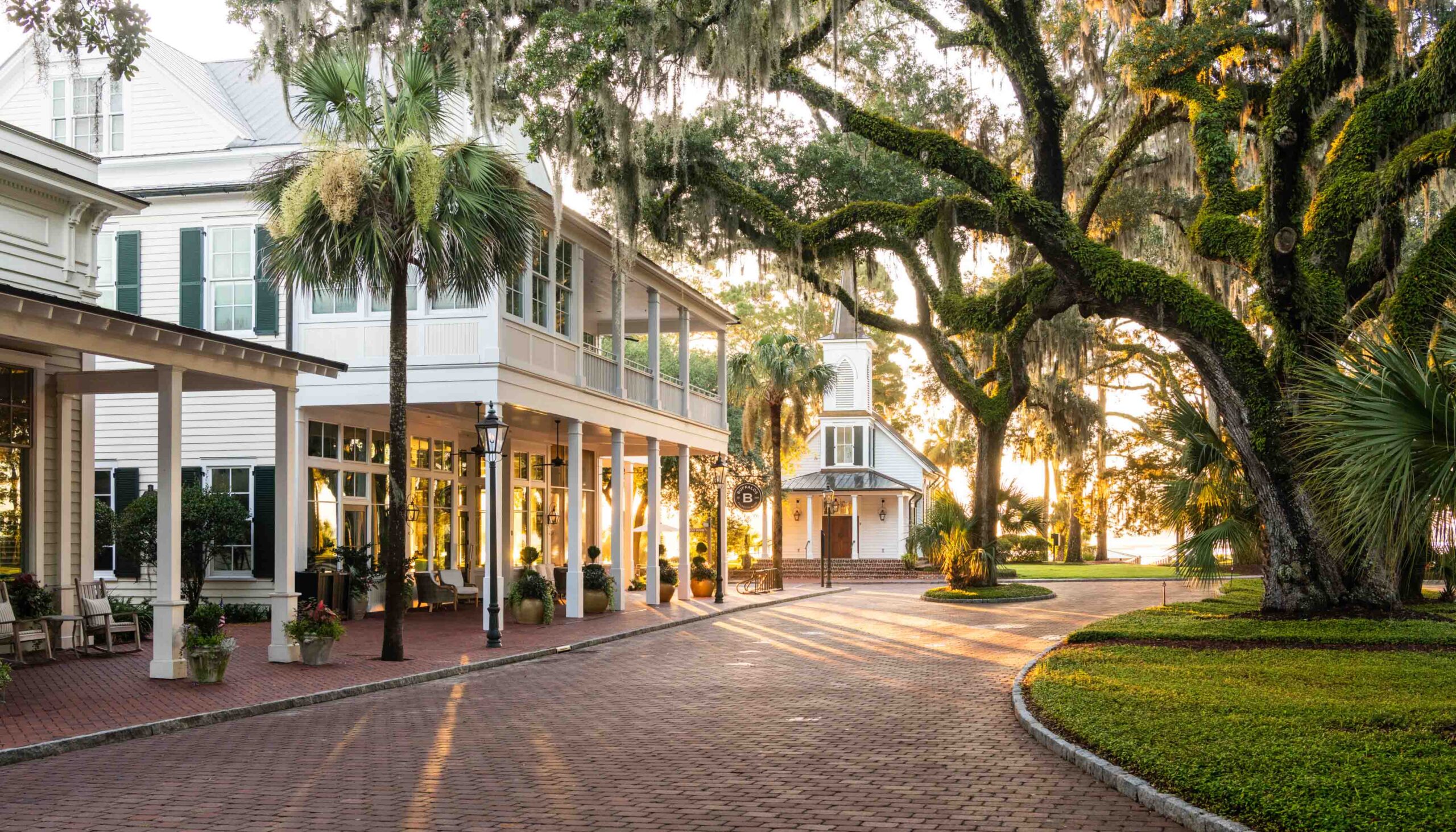
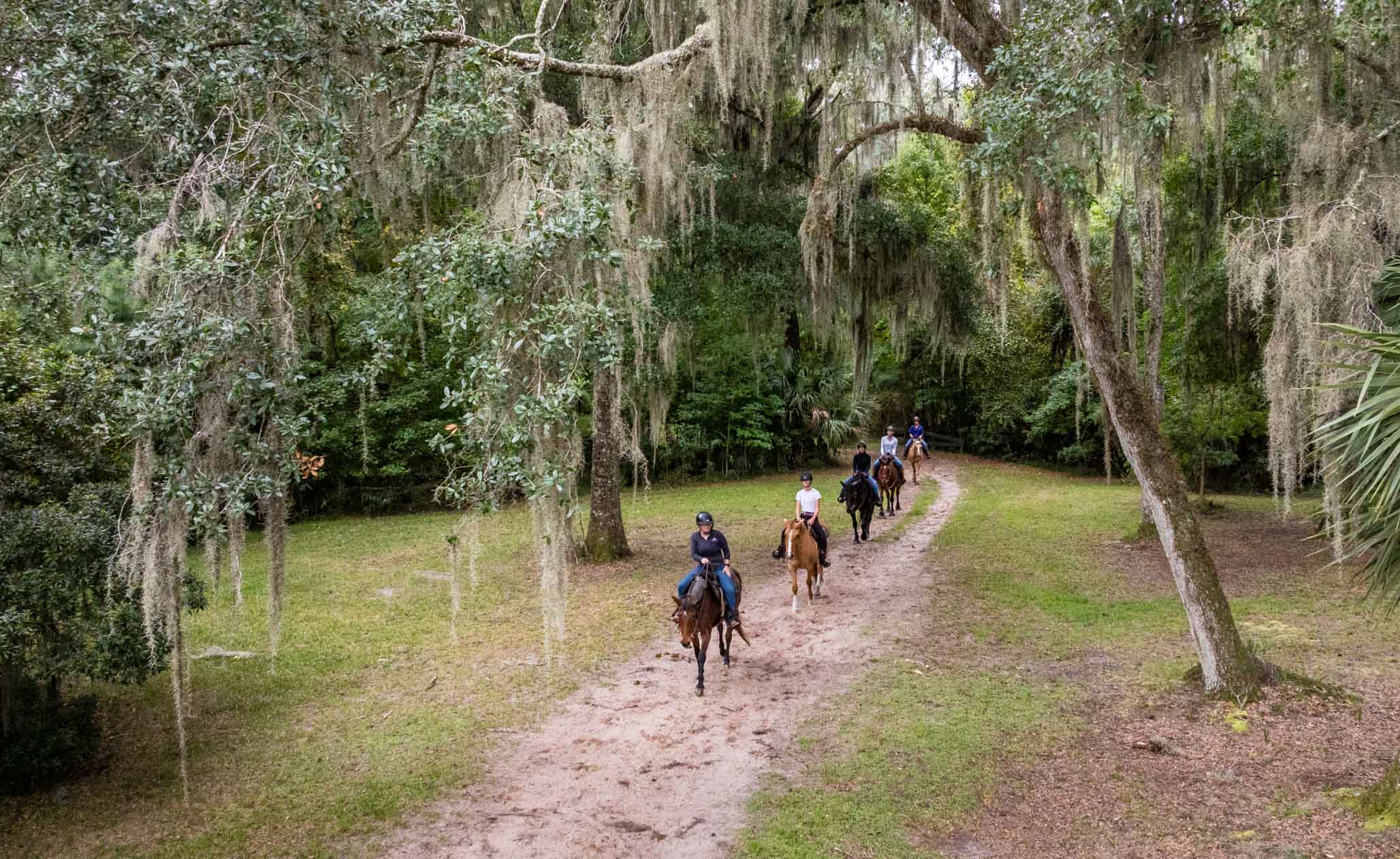
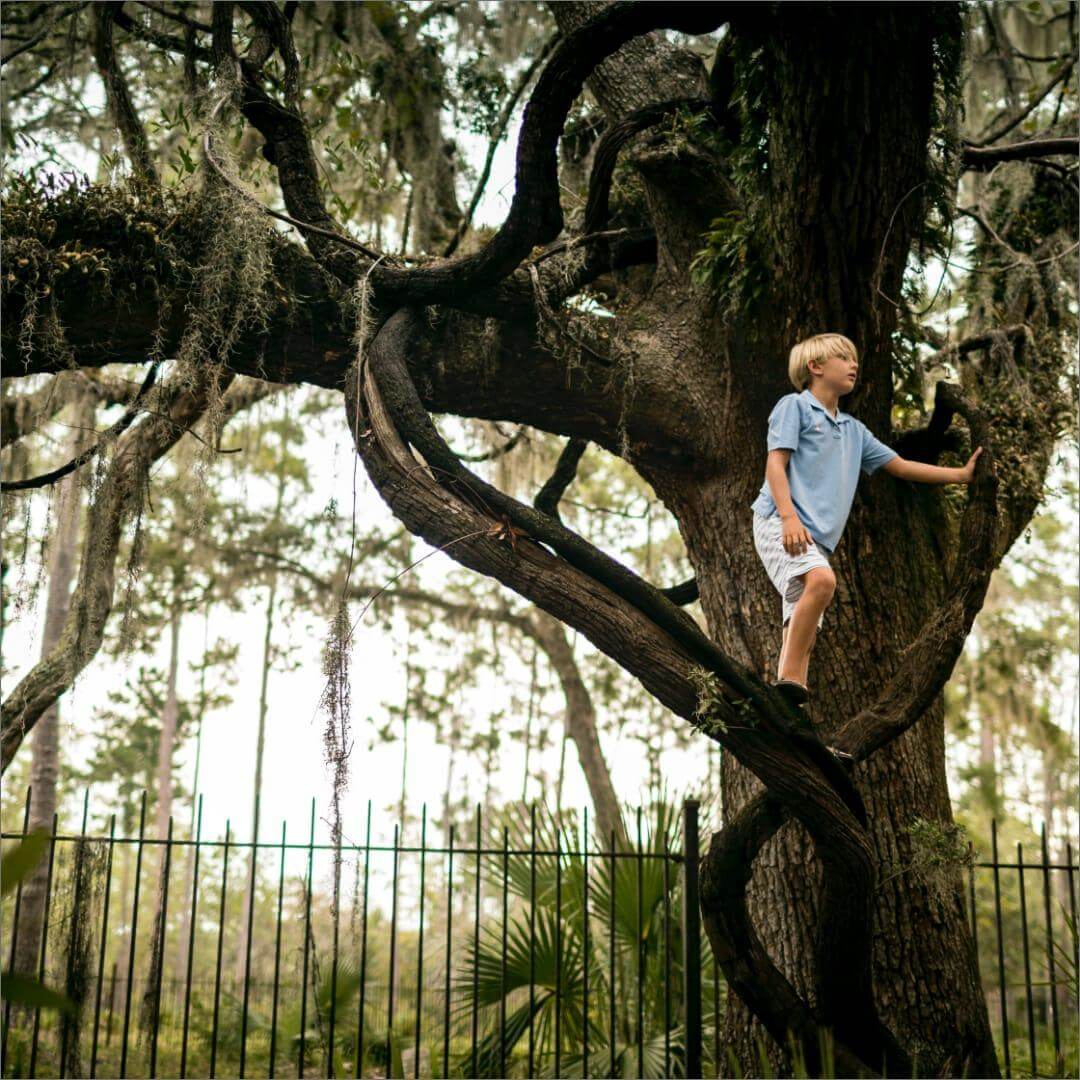
If you’ve ever wandered the streets of Palmetto Bluff and gazed up at our centuries-old live oaks, you probably noticed delicate green fronds creeping up and curling around the massive trunks and branches, carpeting the trees in a lush green coat. This iconic image often seen throughout Southern landscapes is resurrection fern.

During periods of drought in the Lowcountry, folks not familiar with the magical ability of resurrection fern may spy its curly, brown leaves growing on the branches of a live oak and think it’s beyond hope. But then the rain comes, and with it, the miracle of resurrection fern…

The common name of the species Pleopeltis polypodioides, the resurrection fern is an evergreen fern that is typically found growing on trees, fallen logs, stumps, ledges, and rocks; however, in the Lowcountry, one of its most popular host plants is the live oak.
Like the Spanish moss that also makes its home on oak trees, the resurrection fern is an epiphyte, or air plant, which means it is dependent on its host plant for support but not nutrition. It grows on the surface of other plants and trees and derives its moisture and nutrients from the air, rain, water, or from debris accumulating around it. The flora is not parasitic and causes no injury to host trees; rather, it’s an integral part of the habitats that provide food and shelter for birds, lizards, insects, and mammals alike.

Found mostly throughout the Southeast, resurrection fern can be found in a variety of habitats, including as far north as New York and as far west as Texas. And, due to its ability to withstand drought, this tiny fern can do what few plants can: look dead one day and completely alive the next.
Pleopeltis polypodioides is called “resurrection fern” because, in periods without water, the fern appears to die. It shrivels up, its fronds turning brown and curling inward to minimize the surface area exposed to the element—that is, until the next rain, when the resurrection fern will miraculously spring to life within a matter of hours, uncurling and resurrecting to a live, healthy, green fern.

An old Southern favorite that grows four to 12 inches long, spreads widely by slender, creeping rhizomes, and is often found on the massive limbs of live oaks, this remarkable plant can lose 75-97% of its water content during extreme droughts and still survive! (By contrast, most other plants can lose only 10 percent of their water content before they die.) And while the plant gets its name from this supposed “resurrection,” it never actually dies during the process. It shrivels up to a grayish brown clump of leaves, coming back to life when it is exposed to water again—looking green and healthy.
Even more miraculous? It is thought that this Southeastern native can live as long as 100 years without water.

Here at Palmetto Bluff, resurrection fern is growing on most of the live oaks on property, as well as a few other species of trees, like cypress and magnolias. And, depending on recent rain conditions, there is an opportunity to observe the fern in both forms—desiccated and lush—all on the same day.