Written by Palmetto Bluff
Aug 17, 2026
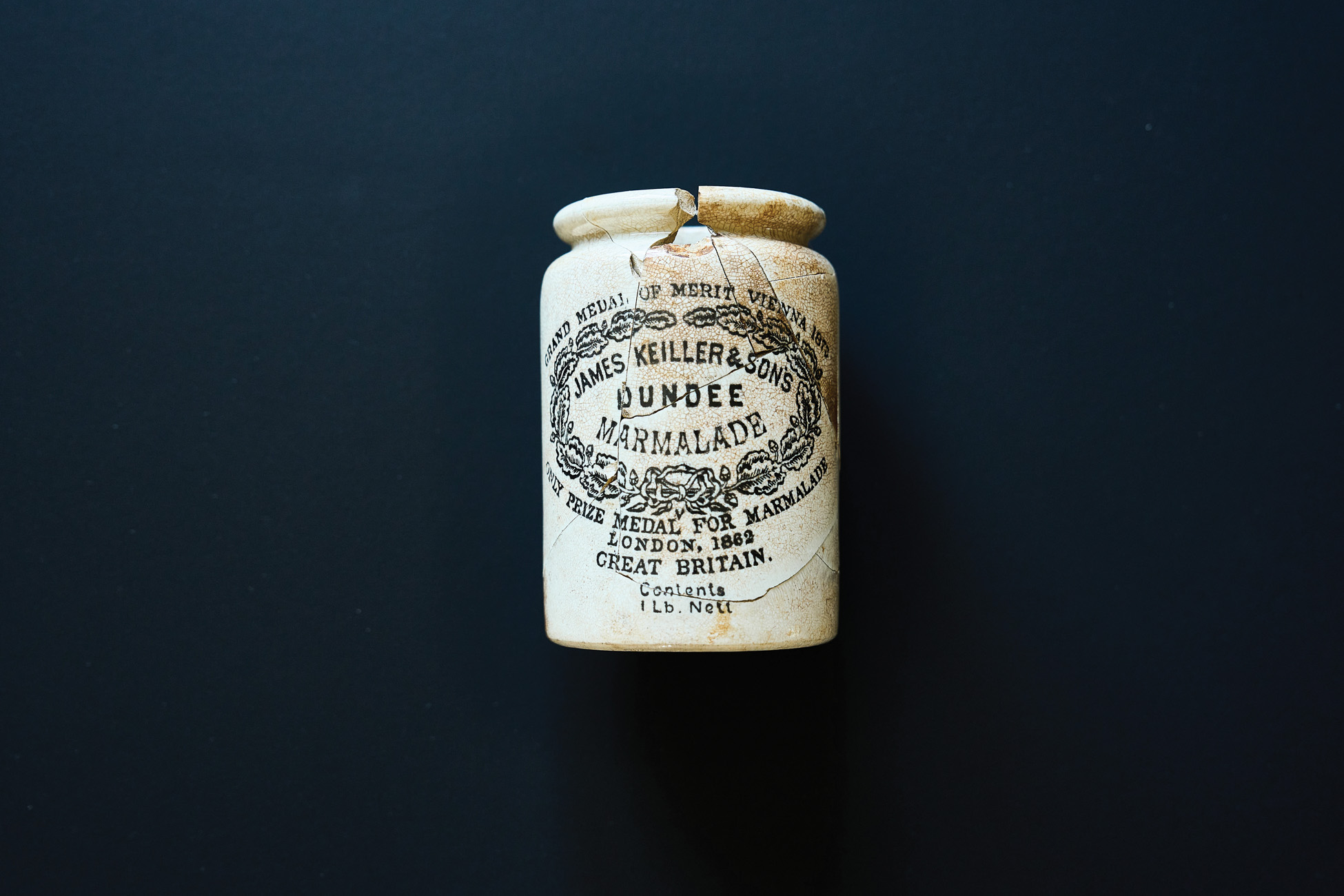
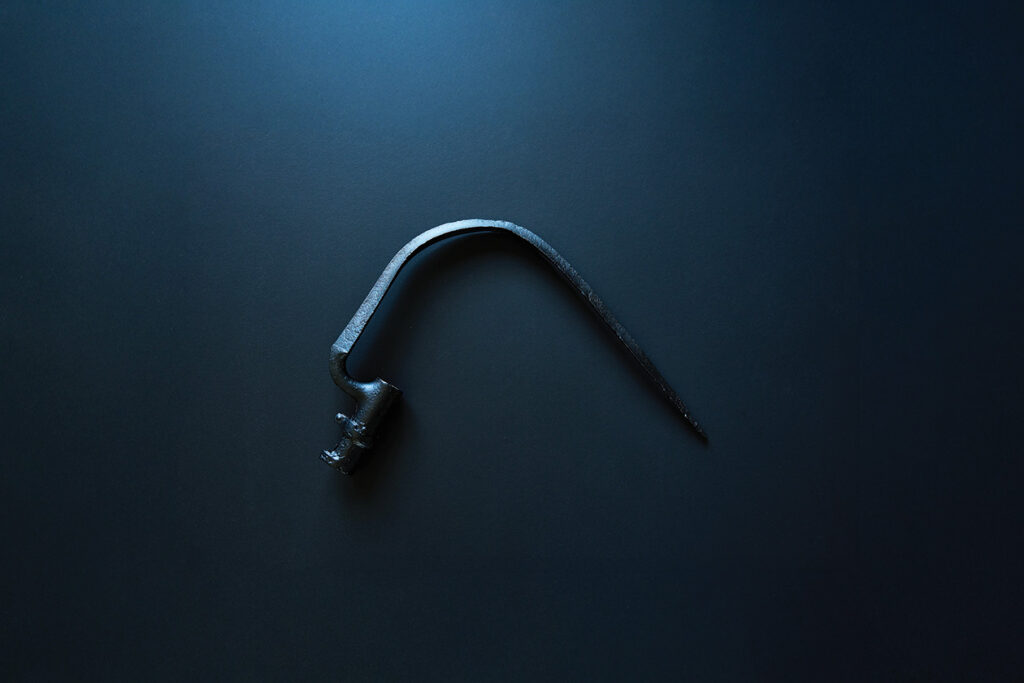
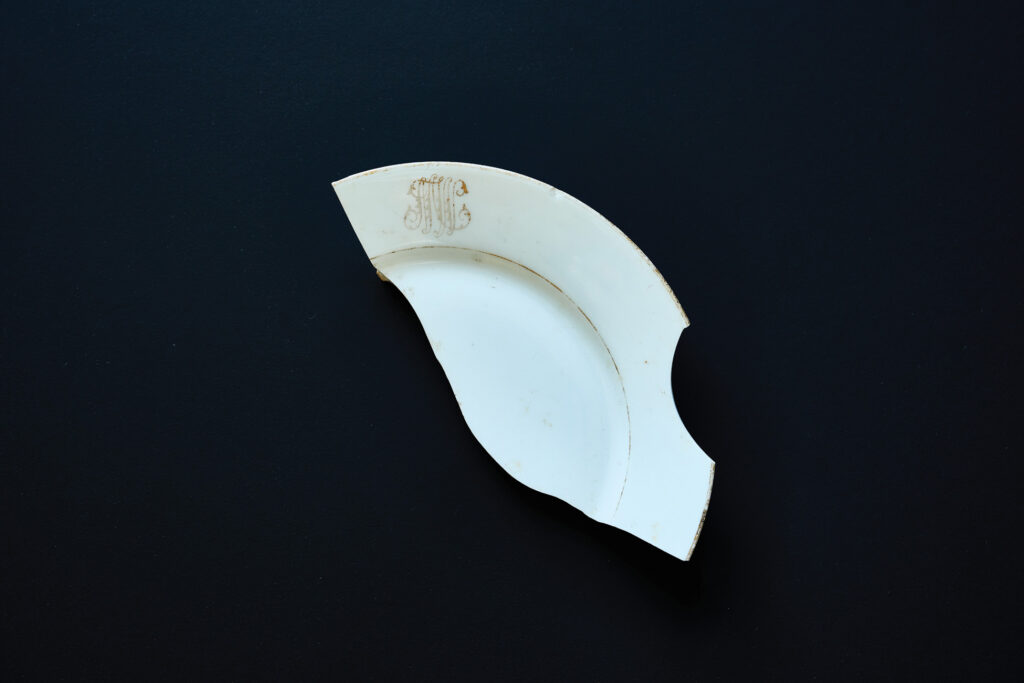
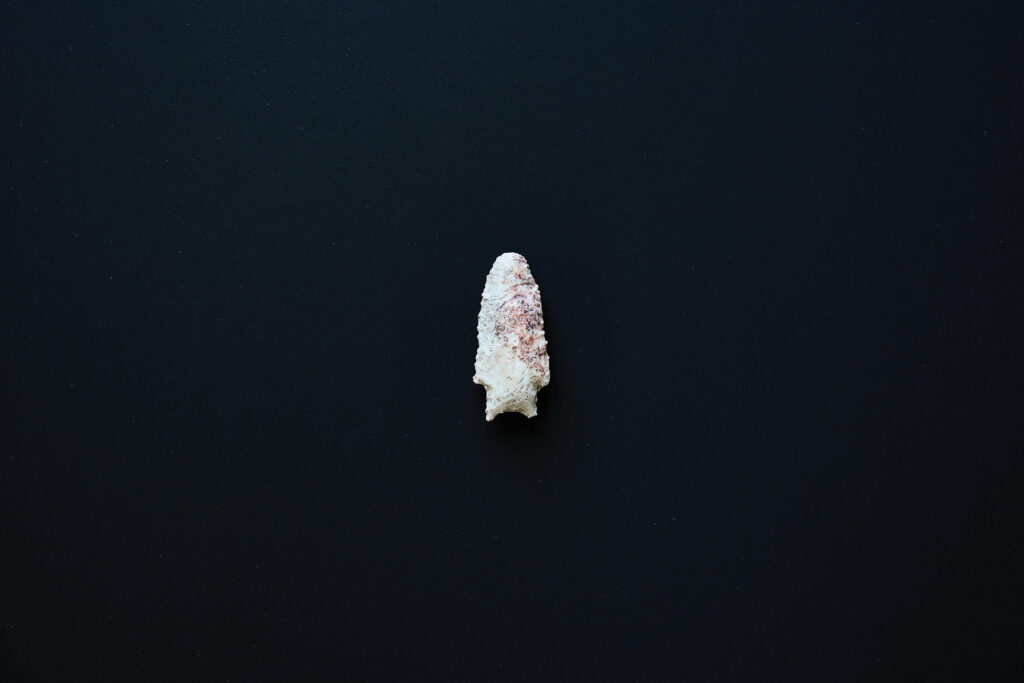
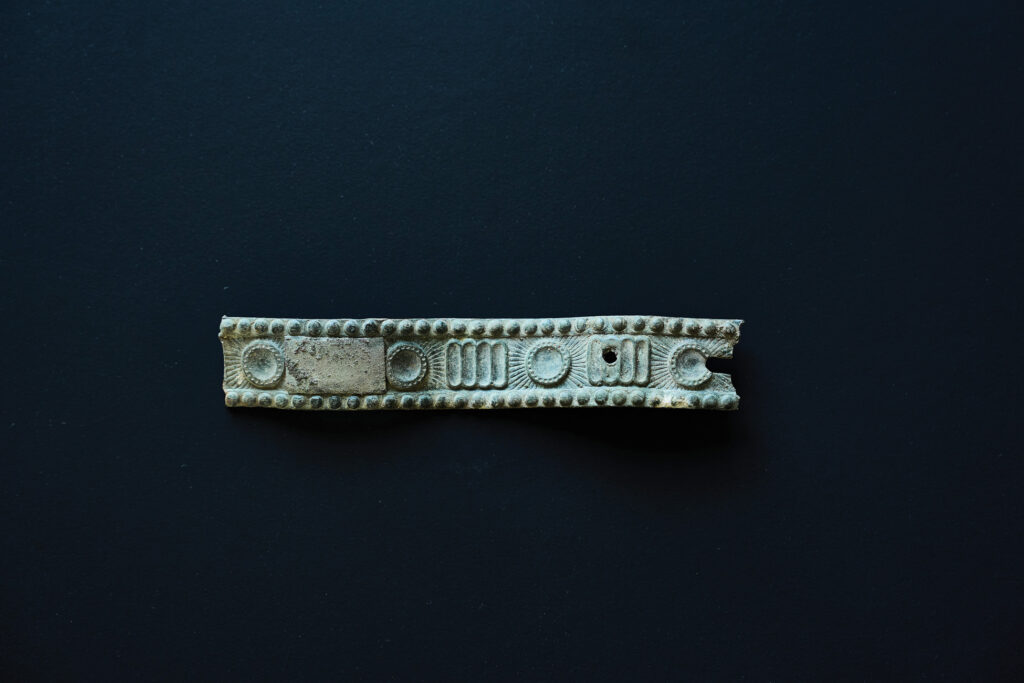
The excavation process is slow, methodical, and precise. The value of an artifact is not simply what it is, but where it is found. “Context is everything for archaeologists,” Katie explains. “That’s why we ask people not to pick up artifacts. Artifacts are the puzzle pieces. If you remove pieces, you can’t complete the puzzle.”
Each excavation culminates in a comprehensive final report, a legal requirement submitted to and reviewed by the State Historic Preservation Office and the Tribal Historic Preservation Office. These reports evaluate not only the artifacts but also their spatial relationships—data that reveals how people lived, worked, built structures, used land, shared resources, and interacted with broader cultural networks.
If the field is where artifacts are found, the lab is where they become understandable. The lab at Palmetto Bluff is a quiet, light-filled upstairs studio where trays of pottery fragments, animal bone, glass, and corroded metal cover large work tables. “Lab work takes a lot of space and a lot of time,” Katie says. “We create displays and presentations, mend and conserve artifacts, write reports.”
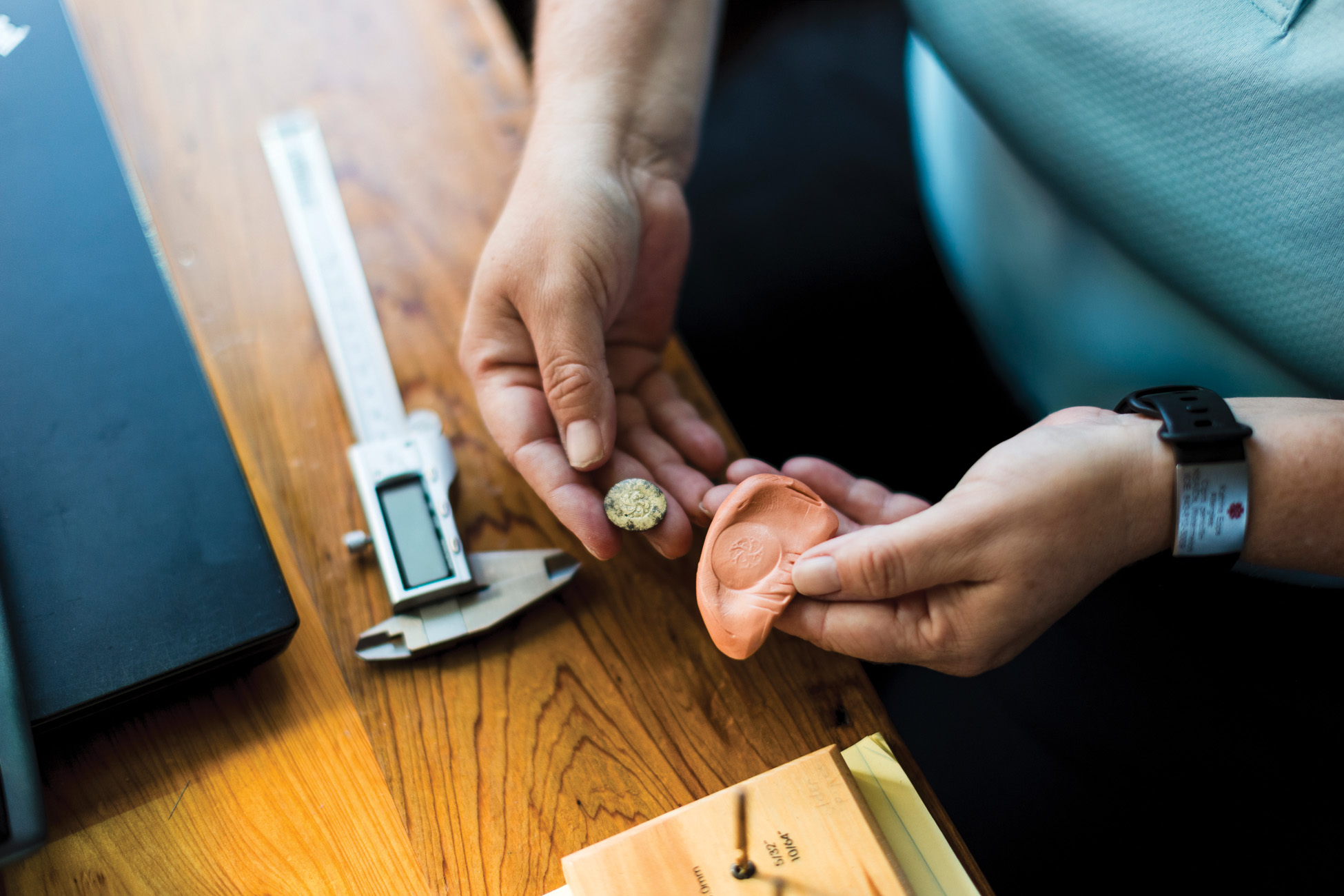
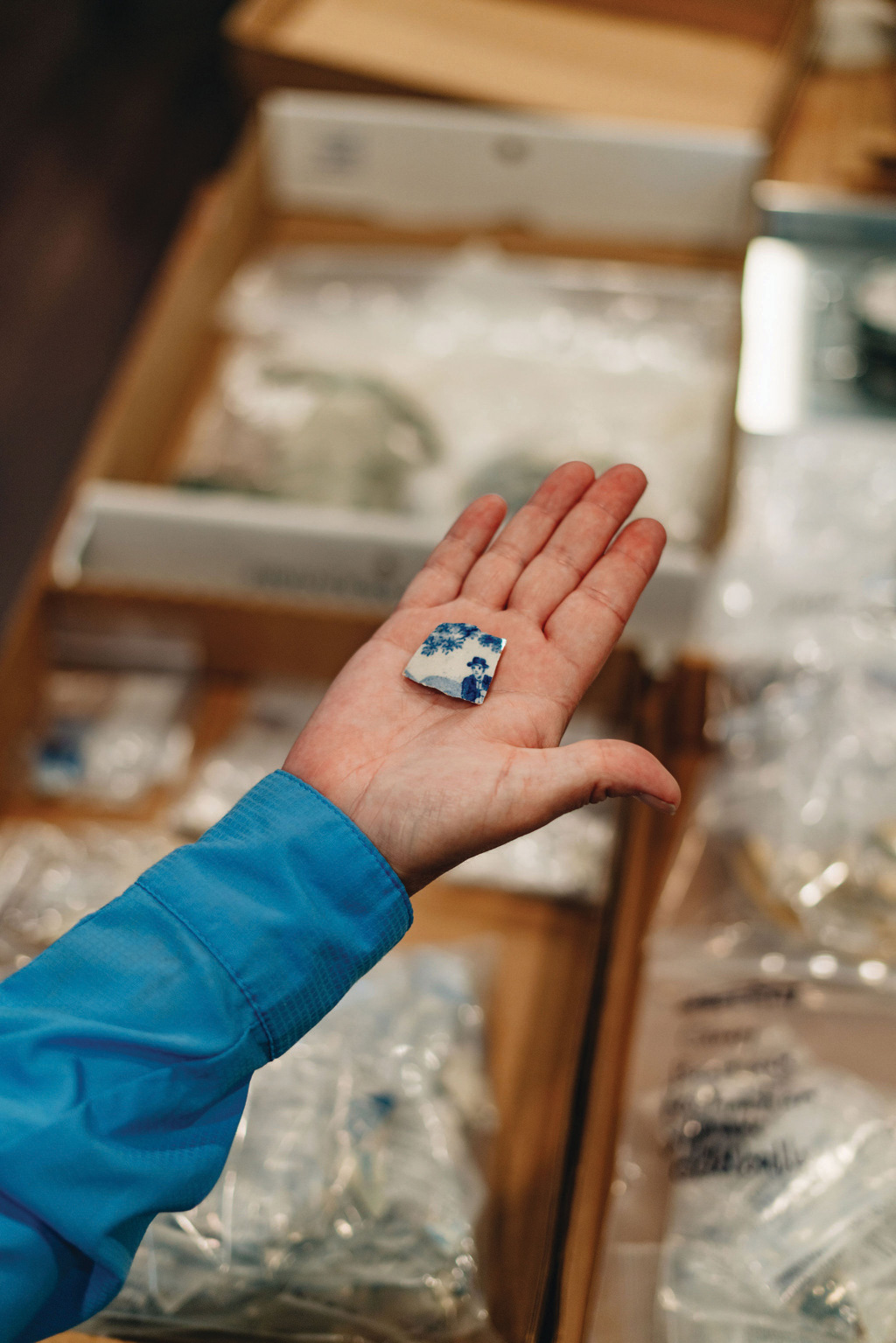
Each artifact is washed, sorted, identified, weighed, counted, and cataloged. These seemingly small details are essential to reconstructing the past, especially when objects have been damaged due to centuries of plowing, erosion, or exposure. “A lot of this property has been plowed for hundreds of years,” Katie notes, “and twentieth-century plowing really did a number on the ceramics. Many pieces are broken into smaller fragments than they originally would have been.”
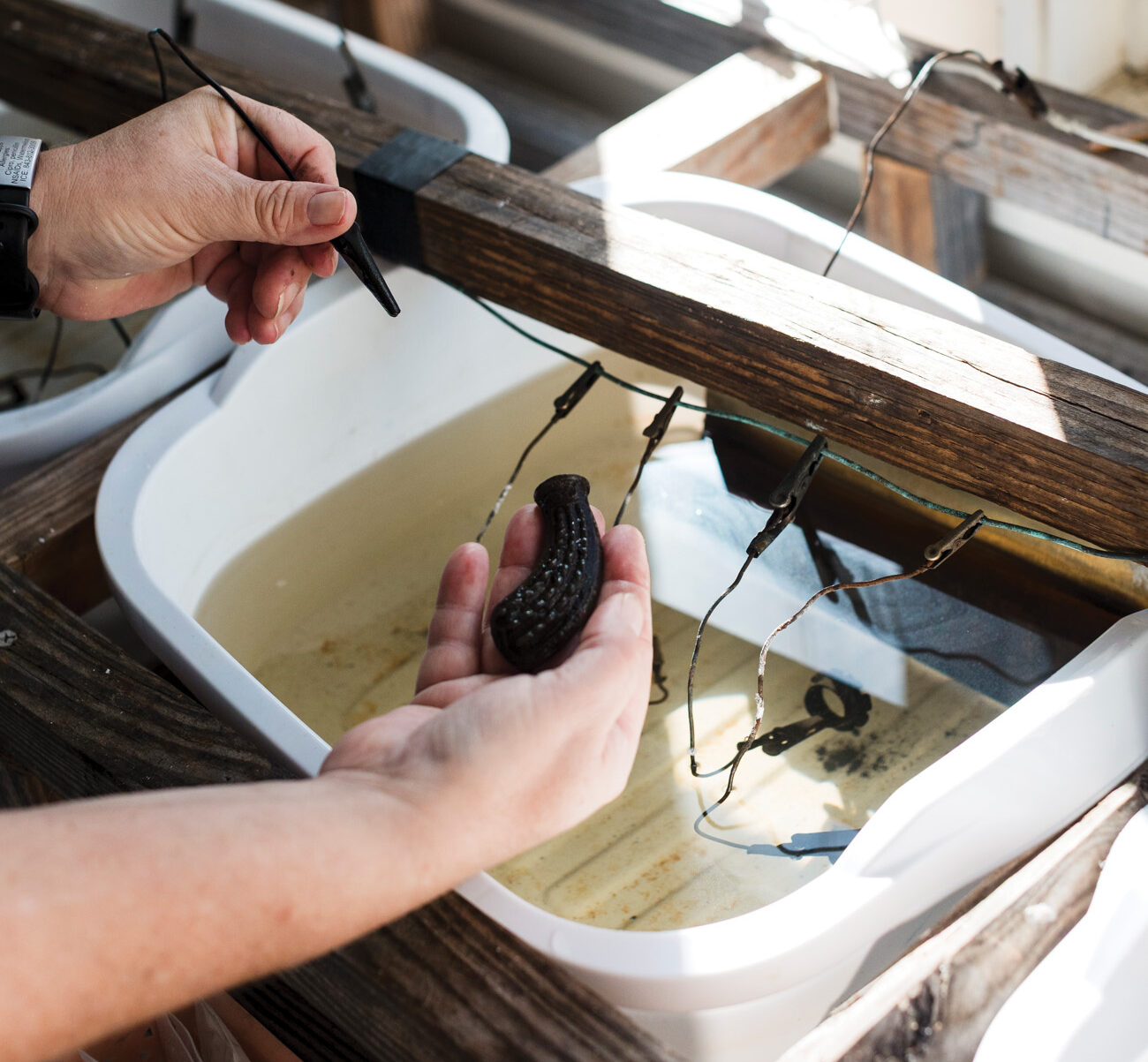
Despite the disruption, careful sorting and analysis can reveal how objects were made, used, traded, repurposed, and discarded. Ceramics are mended by Archaeological Technician Zoe Klauck, who reassembles pottery into larger fragments that reveal vessel shape, use, and cultural style. Glass is rarely mended—its smooth edges make it difficult to bond. Katie handles the conservation of metal artifacts, using a controlled electrolytic conversion process called electrolysis to stabilize items before they deteriorate.
“I choose artifacts that can survive electrolysis,” she says. “We don’t do every nail—we have thousands—but we conserve representative examples.” They also conserve objects like buttons, coins, hinges, locks, and lead shot. Some conserved items remain at Palmetto Bluff for educational programming and interpretive displays. Others are cataloged and transferred to a climate-controlled facility at Georgia Southern University.
One of the most meaningful dimensions of Katie’s work lies in interpreting the lives of the enslaved Africans and African Americans who lived and labored on the plantations that once occupied the Bluff. “The enslaved were responsible for the care of the land, the crops, the buildings, and the livestock,” she says. “Their presence was continuous. They left behind artifacts that help us understand their daily lives.”
But the historical record is often incomplete. “We know of the people who labored here,” Katie says, “but we don’t always know their names. One of our biggest challenges is finding out their names. We want to make sure they and their contributions are recognized.” Recent digitization of historical documents has begun to make previously inaccessible information available. Katie’s team recently recovered names associated with enslaved individuals at Oak Island Plantation. “Every time new documents are uploaded, we have a greater chance of making connections to the past,” she says. “The hope is to connect the people who lived here to their descendants today.”
For Katie, this work is not just archaeological—it is ethical. “We want to make sure they are recognized. Even if we don’t have their names, the work we do helps give them a voice.”
The lab may appear quiet, with its work tables and window light, but it is where stories are uncovered. Piece by piece. Layer by layer. Voice by voice.
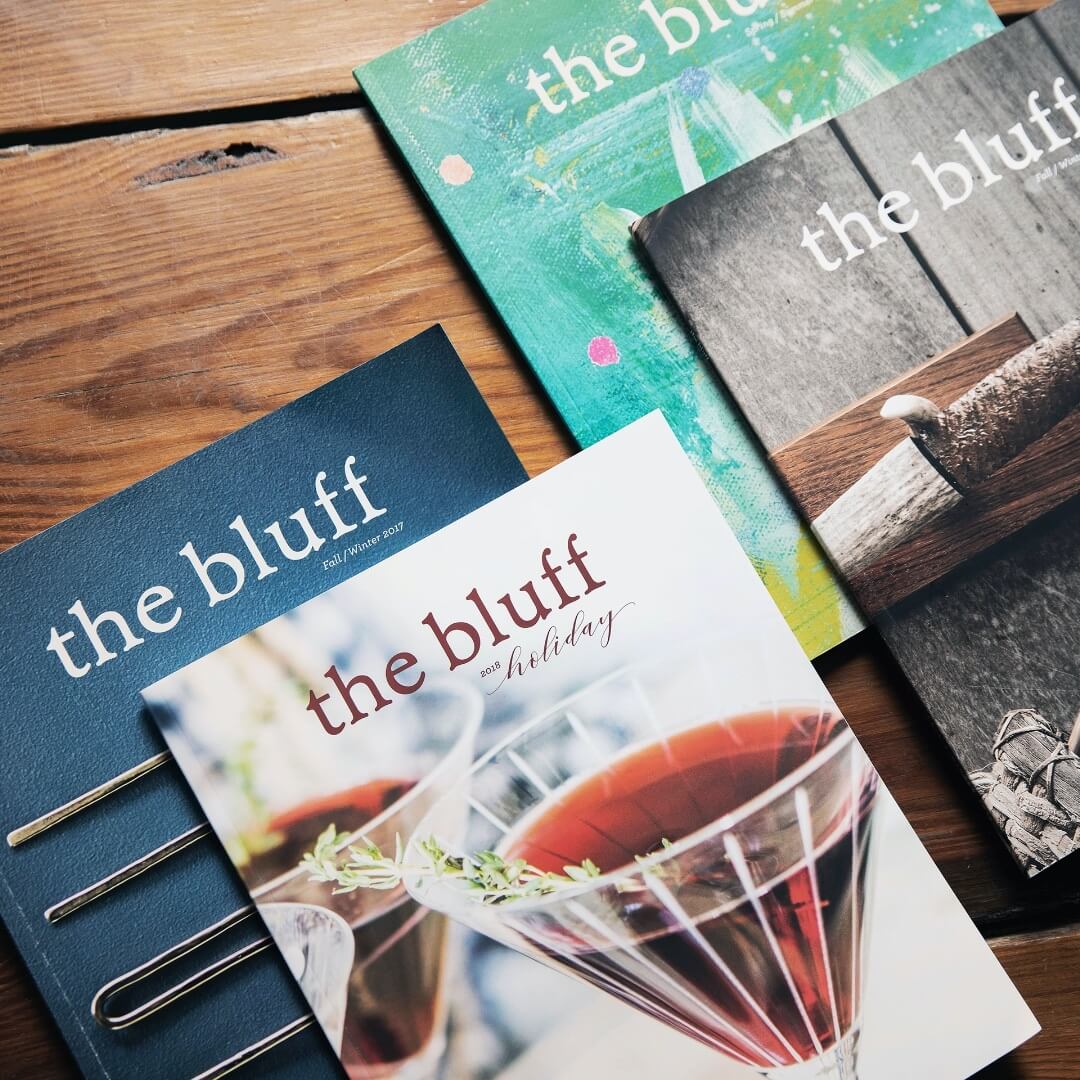
This story appeared in the Spring/Summer 2026 issue of the bluff magazine.
CLICK HERE TO READ MORE