The South has long been an abundance of resources. From rice and indigo to cotton and timber, the South has always been one with the land. As Southerners looked for ways to make a dollar during the 19th century, all they had to do was look up – a look towards the sky at the tall Southern Longleaf Pines.
And then the South went to work. Chopping down tree after tree to make ends meet. Many of these trees made their way to the North and specifically to the state of New York. Some even made their way to Brooklyn and stood tall and firm in the building of an iconic American company.
Domino Sugar built its Brooklyn factory in 1856 using timber as a top construction material. By the end of the Civil War, it was the largest sugar factory in the world. For the next nearly 150 years, this building transformed and became a landmark for those passing by along the East River. The iconic Domino Sugar yellow logo was added in the 1950s.
But in 2004, the factory closed its doors for good. After nearly 150 years of workers pouring their heart and soul into their work every day, walking along the floor, standing under the beams, the factory closed to become condominiums a decade later.
But in 2014, when plans were made to develop the factory, the South had money again. And according to an article in The New York Times, the South wanted its wood back. The Southern Longleaf Pine, referred to by Pat Fontenot as “the best wood the Lord ever made,” found a new purpose. Some of the timber from the factory stayed in New York City: The Whitney Museum and Patagonia’s flagship store both repurposed this Southern charm. And some traveled a little further from Jefferson’s Monticello, to the Maryland chamber where the Continental Congress once met. But then some went well past the Mason Dixon line.
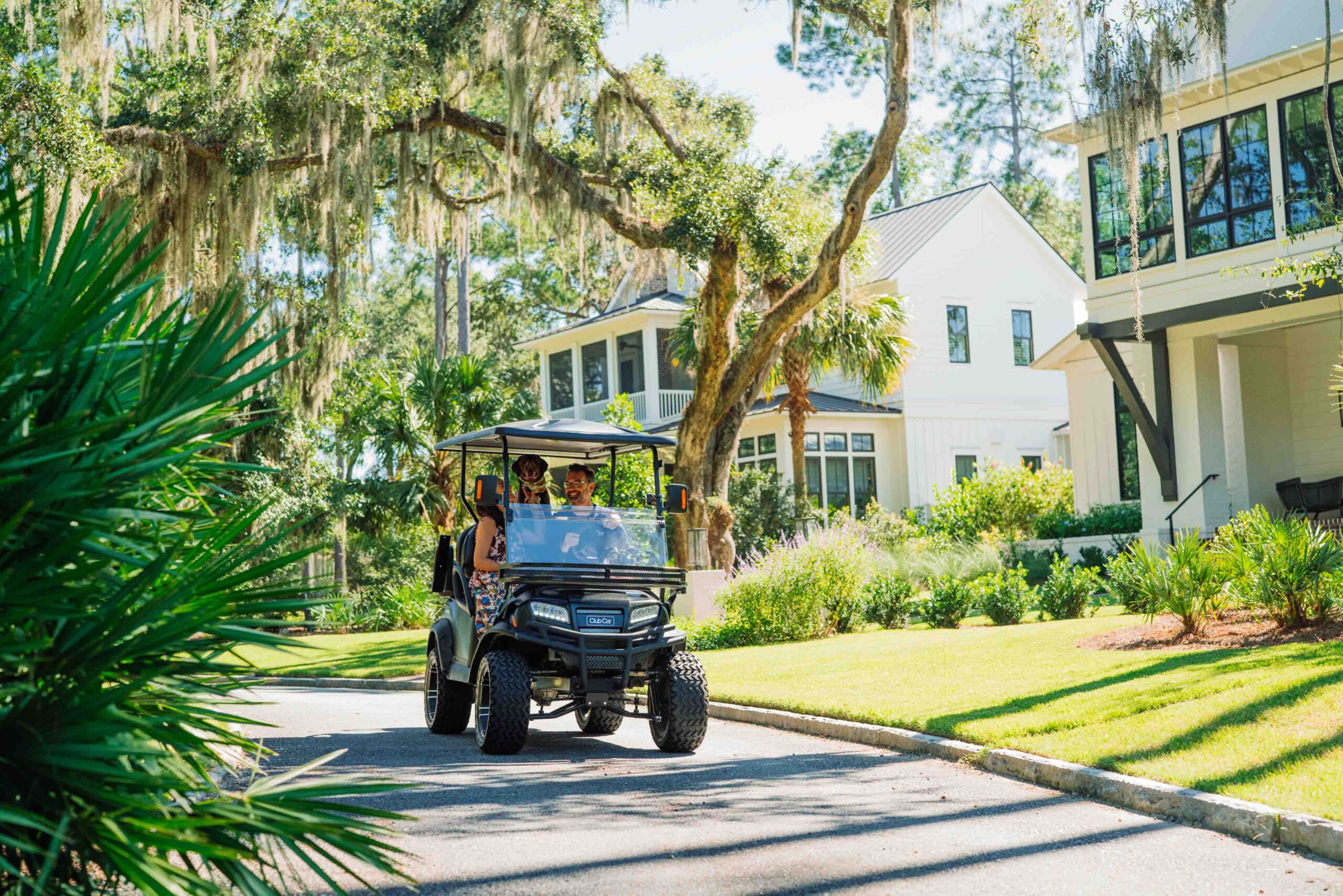
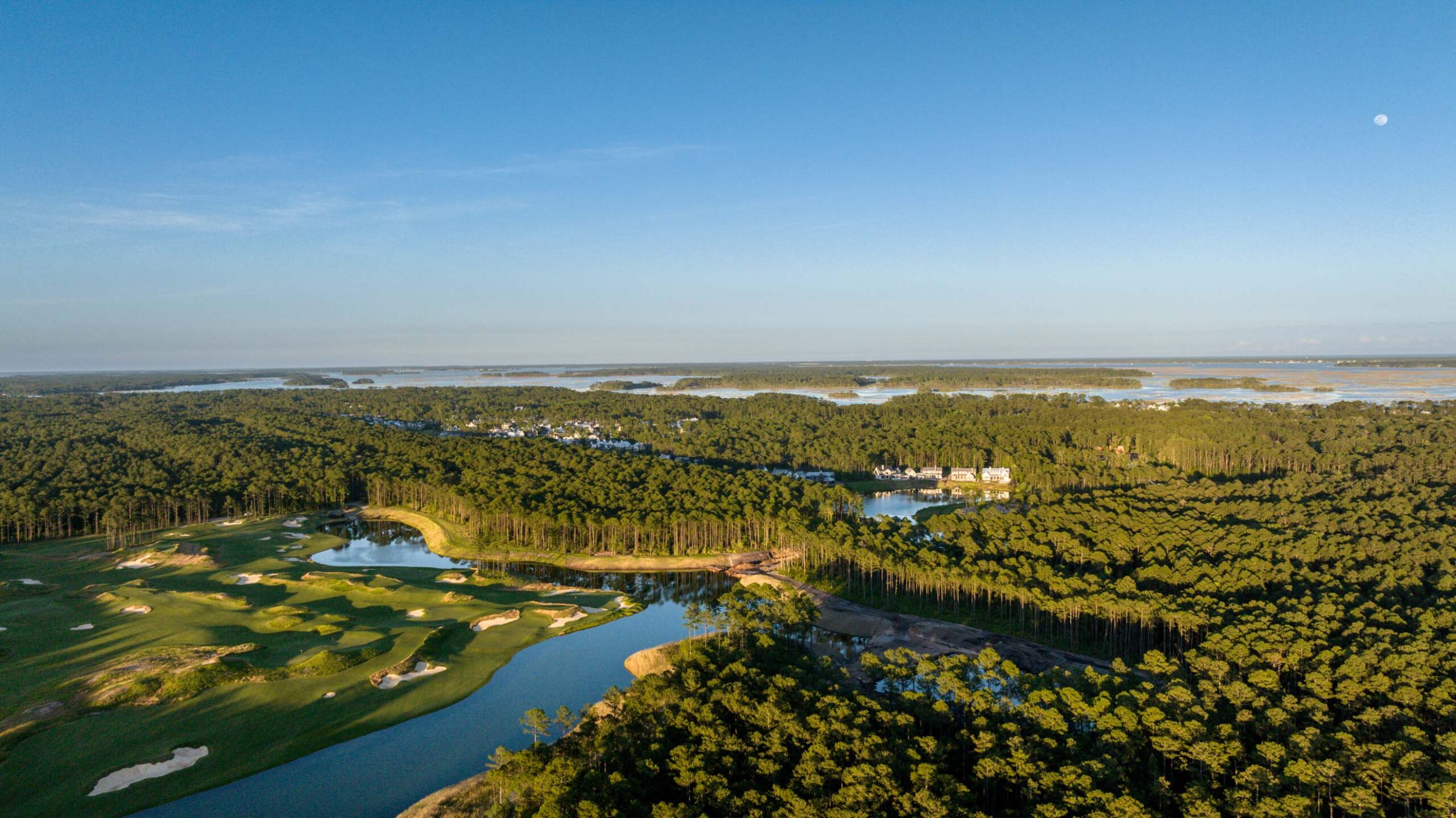
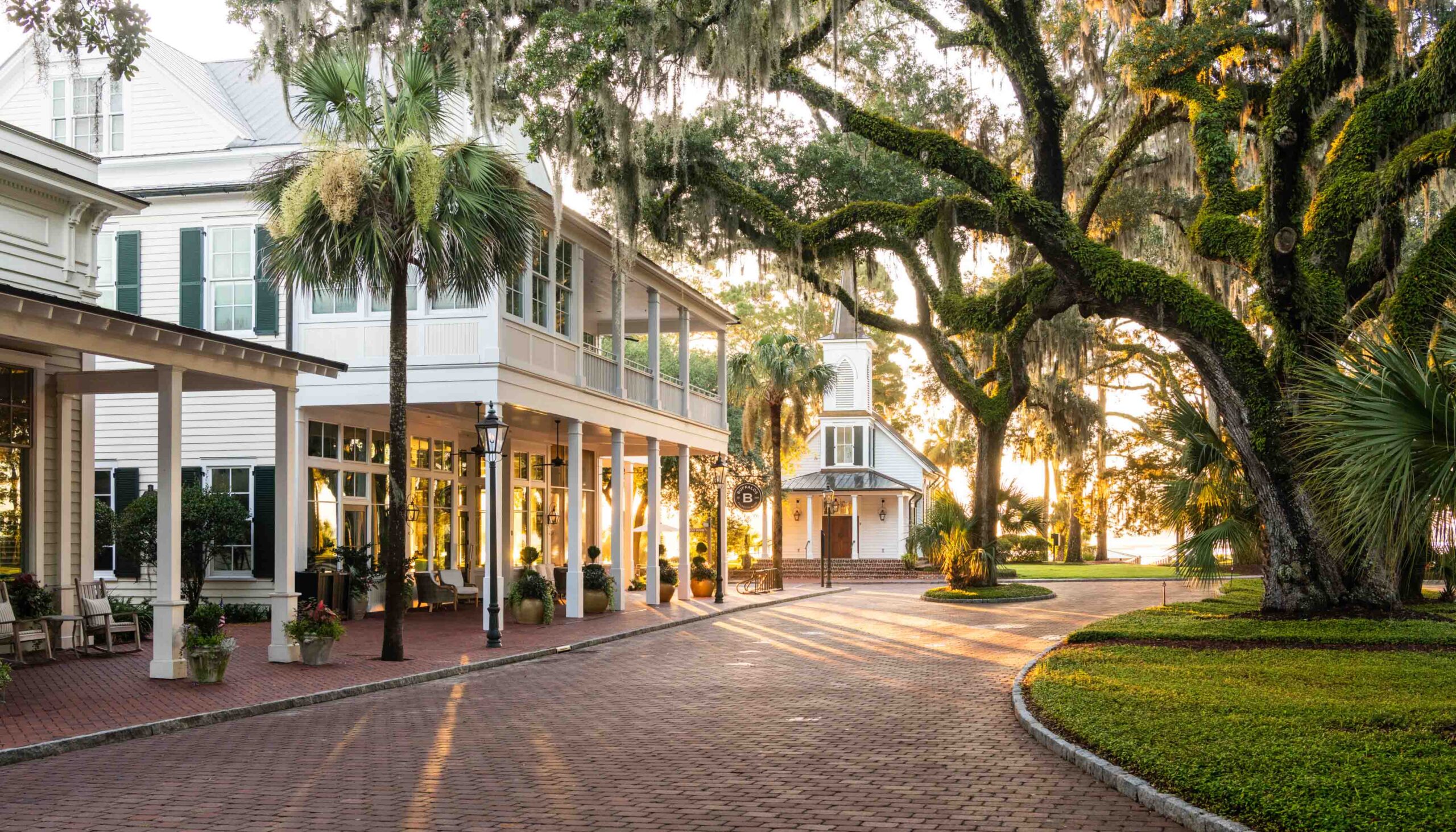
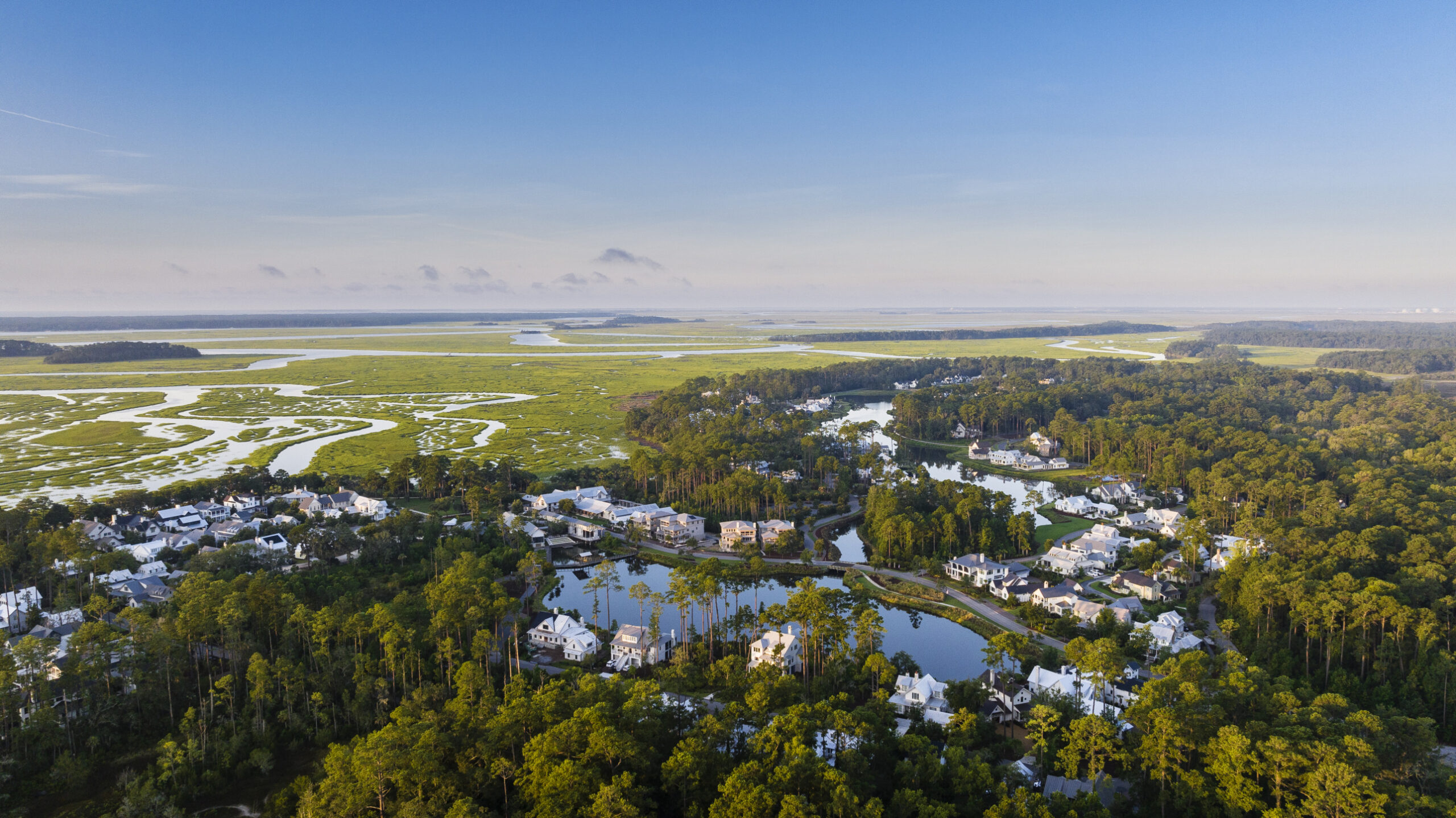
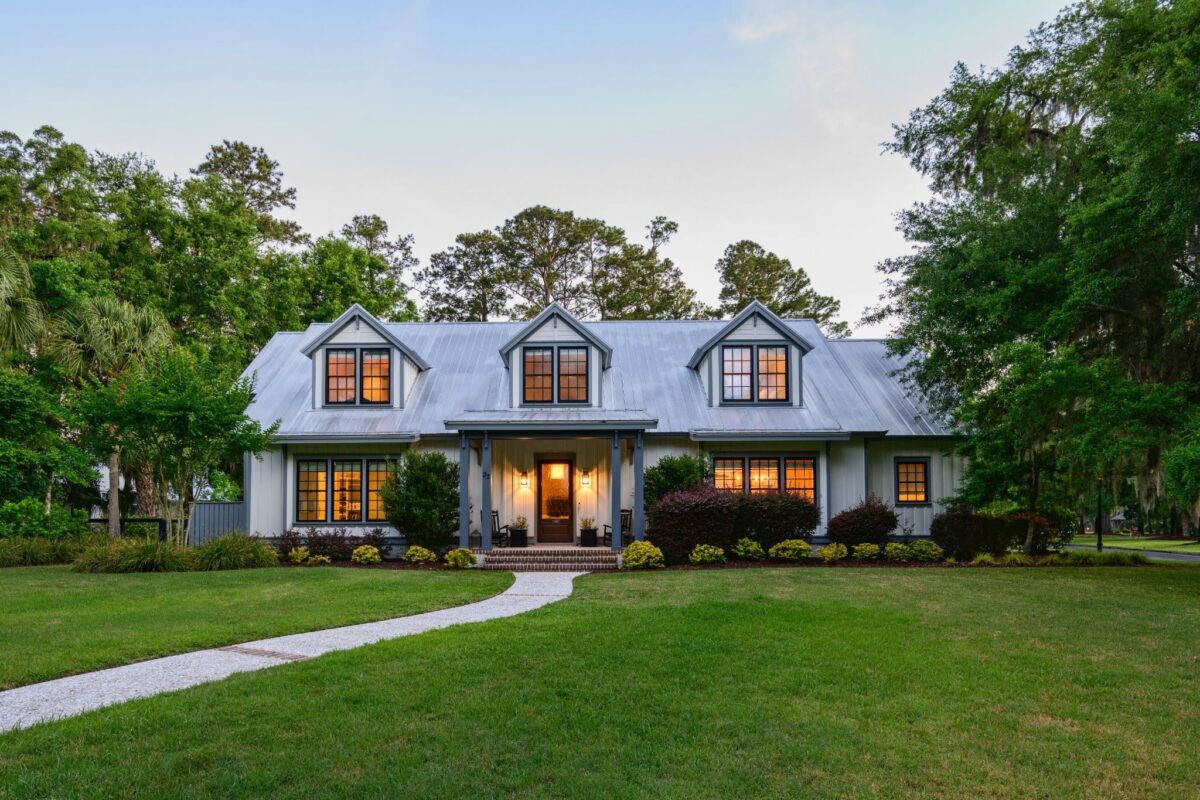
Some of this Southern treasure traveled all the way to a little Lowcountry town of Bluffton, South Carolina. It took a turn onto Old Palmetto Bluff Road, took a right on Old Moreland Road and then took another right onto Corley Street where it found its new home. 470 Corley Street.
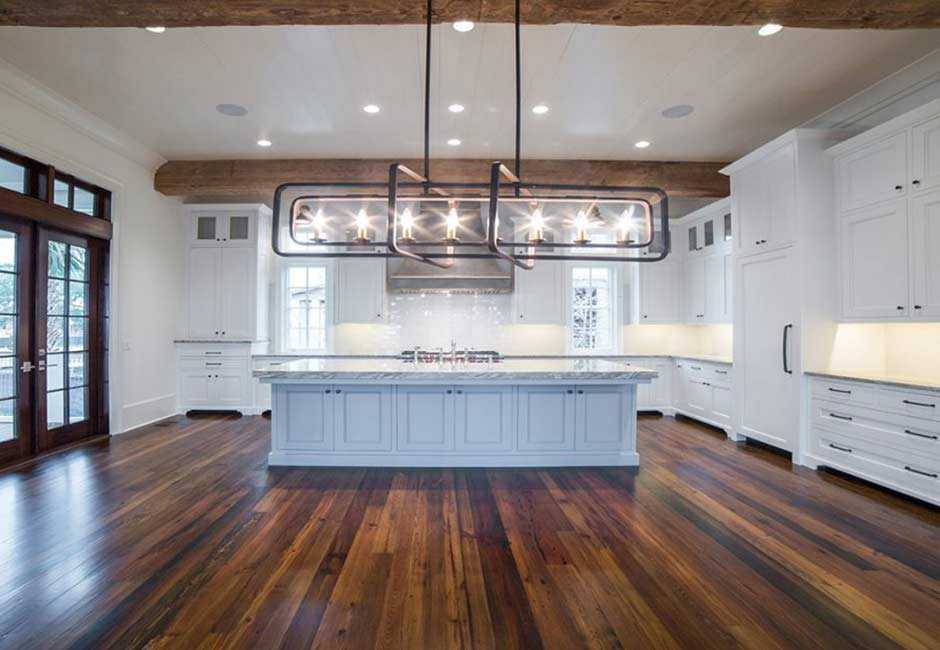
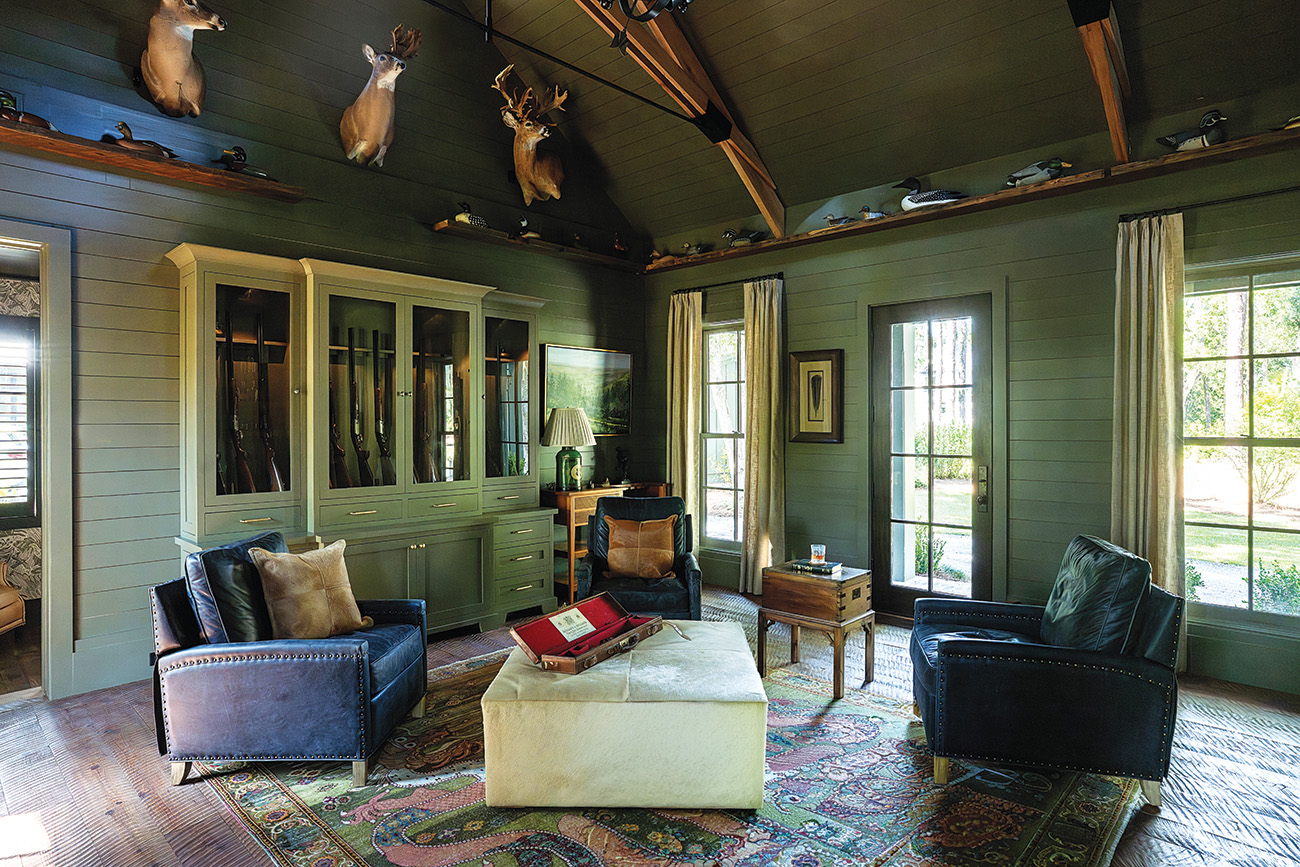
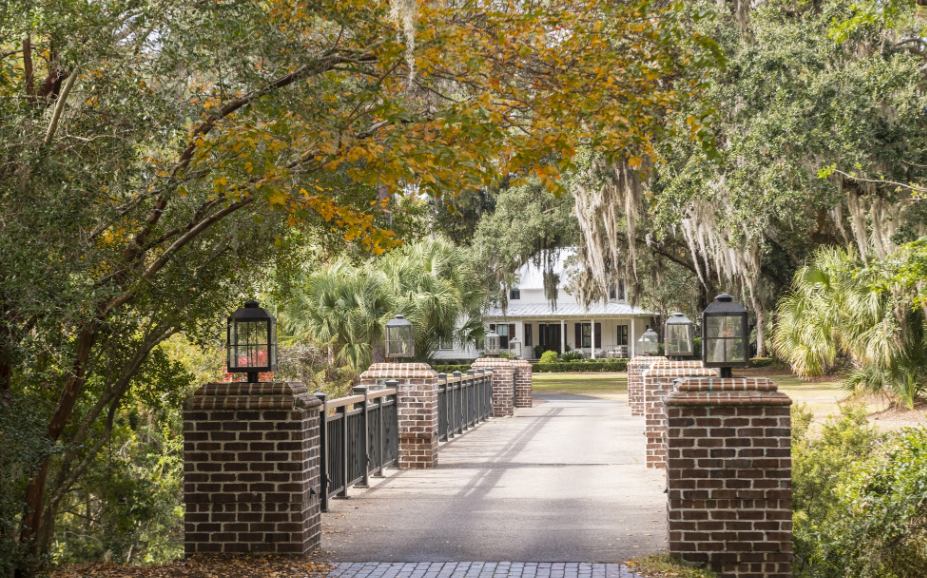
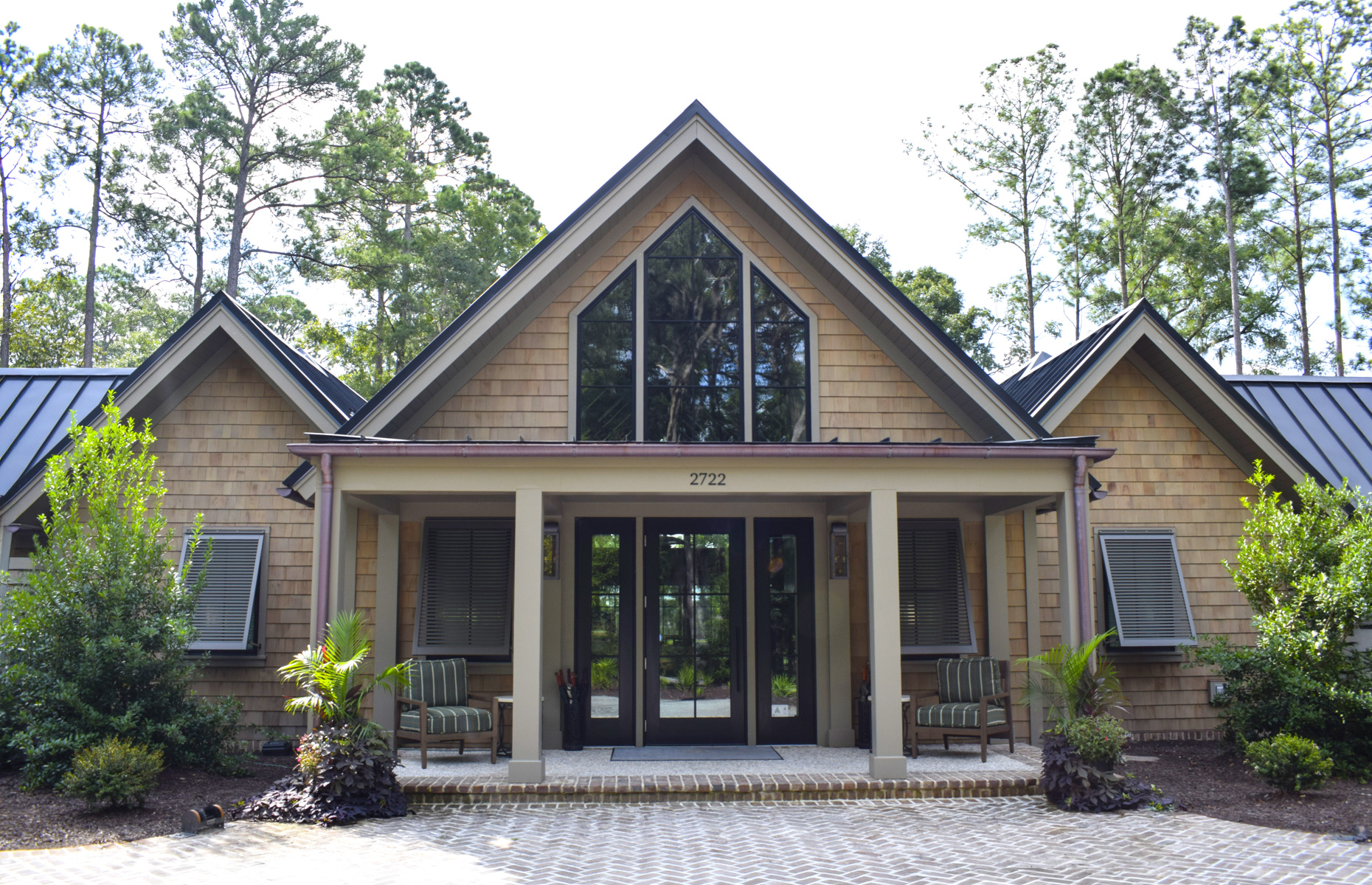
These beams now grace the ceilings of a home on the banks of Cauley’s Creek in Moreland Village on land that has a rich history of its own. Builder Richard Best took great care to preserve the character of these ceiling beams and the history behind them by putting them to use in this four bedroom, four-and-two-half bathroom custom home. In true Southern fashion, this home welcomes all invited guests with double front doors, an open-concept kitchen and great room, and a separate guest suite across the breezeway.
To learn more about this beautiful home and other homes Palmetto Bluff has to offer, visit www.palmettobluff.com/live.aspx
%GALLERY%