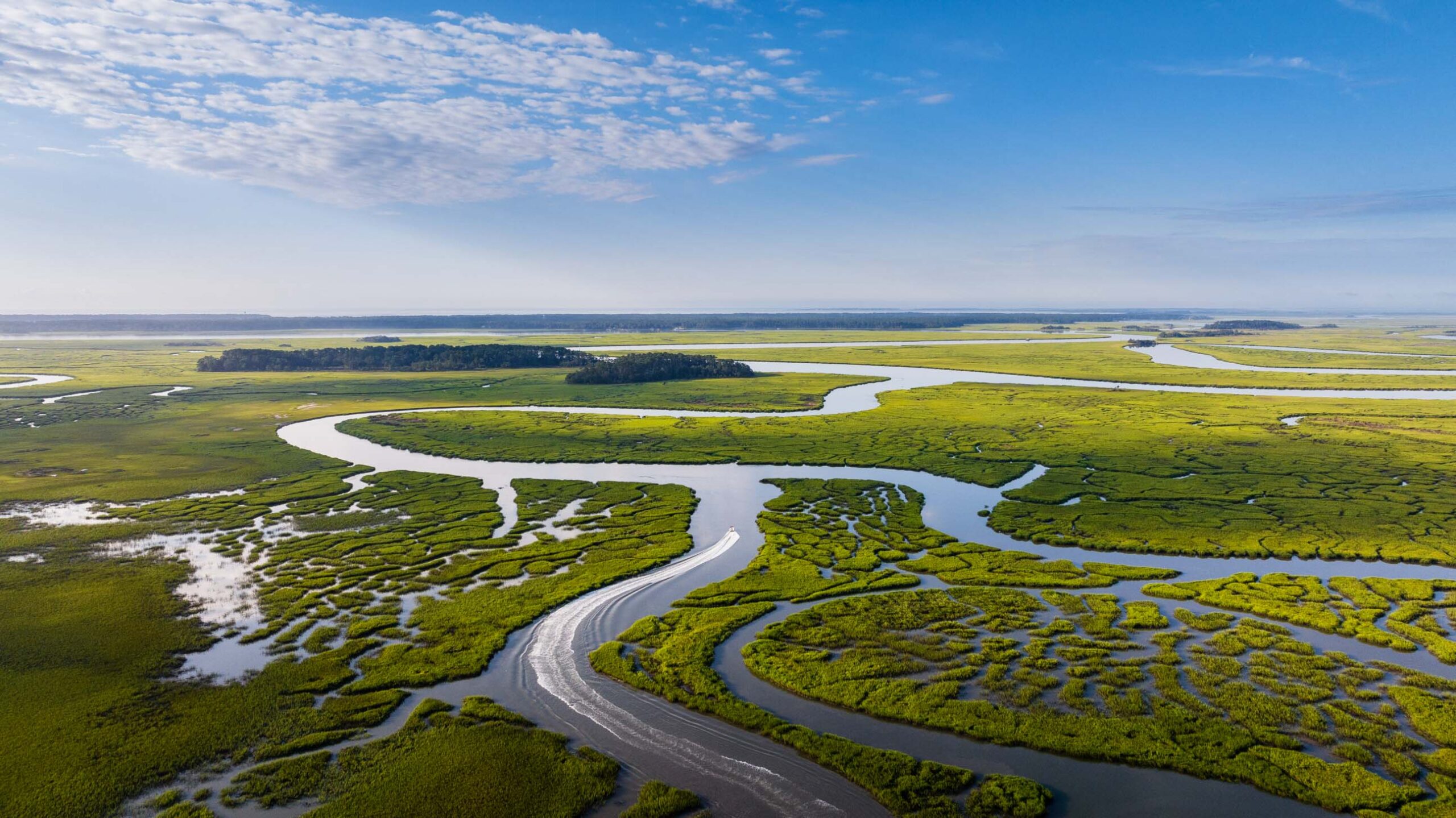
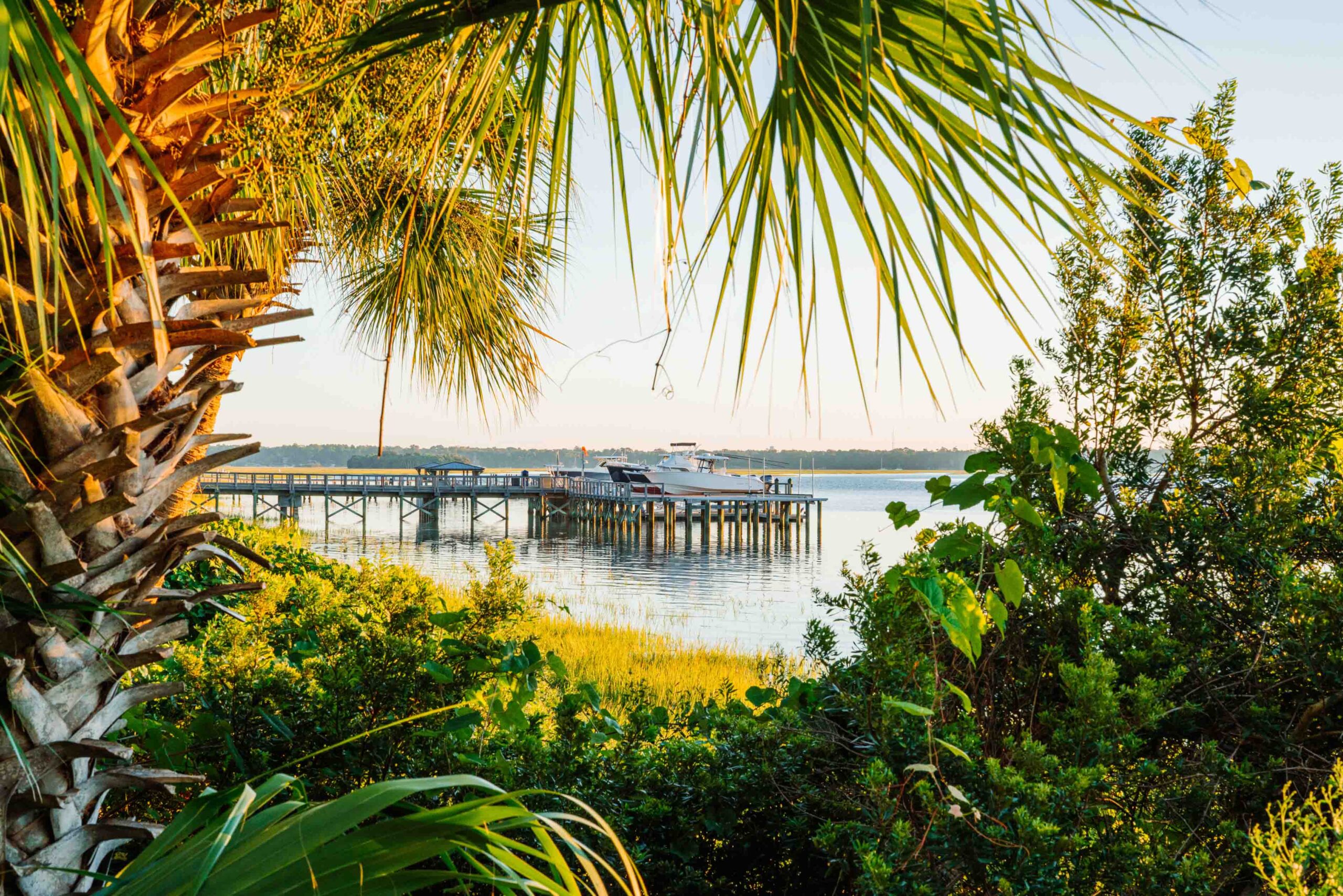
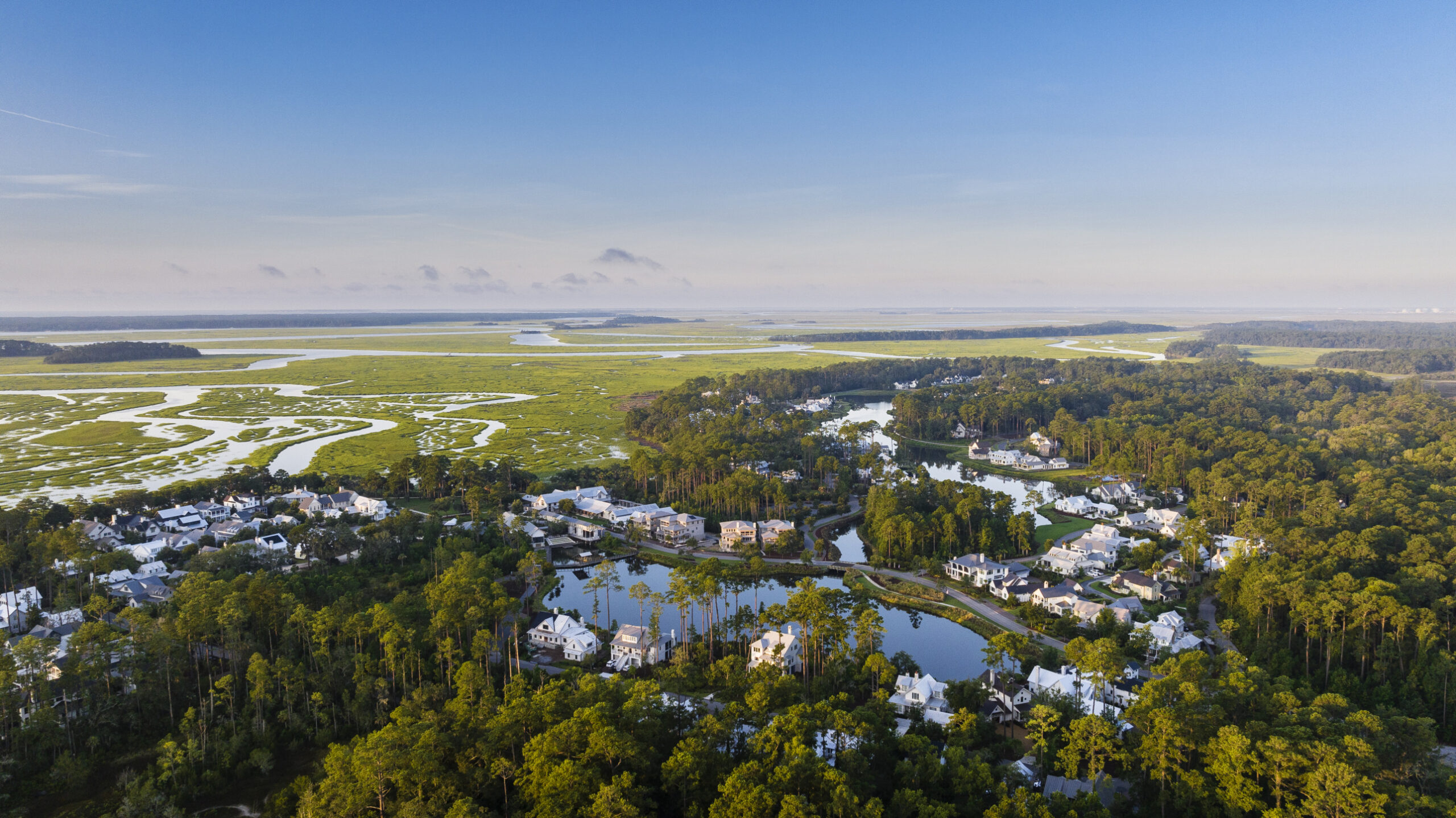
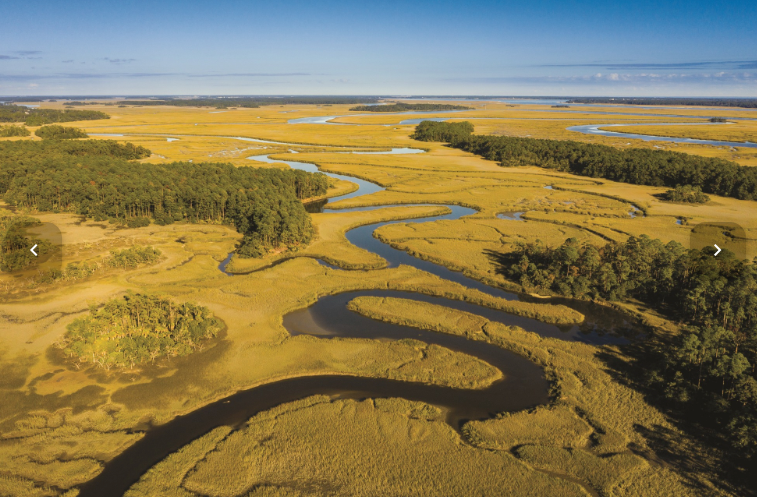
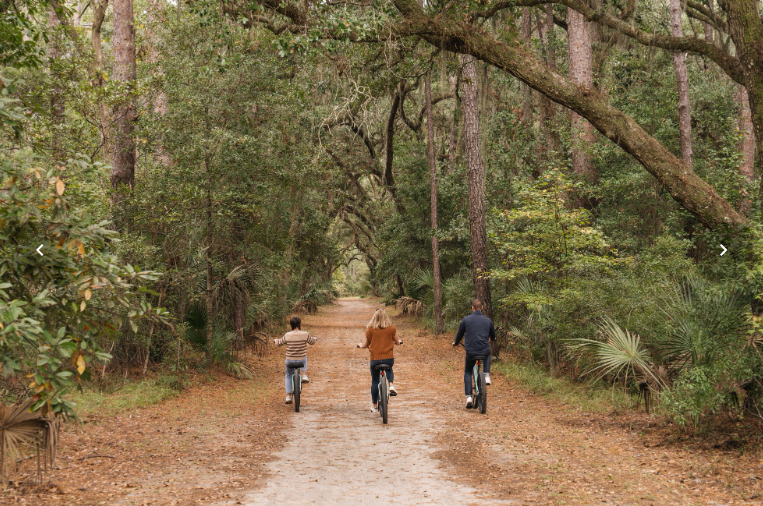
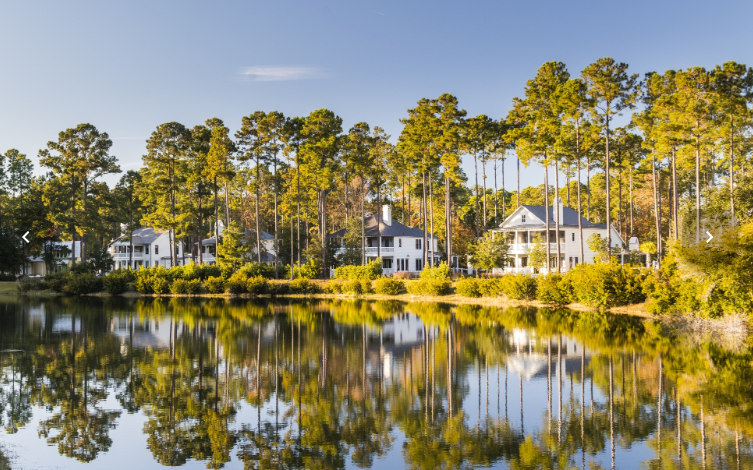
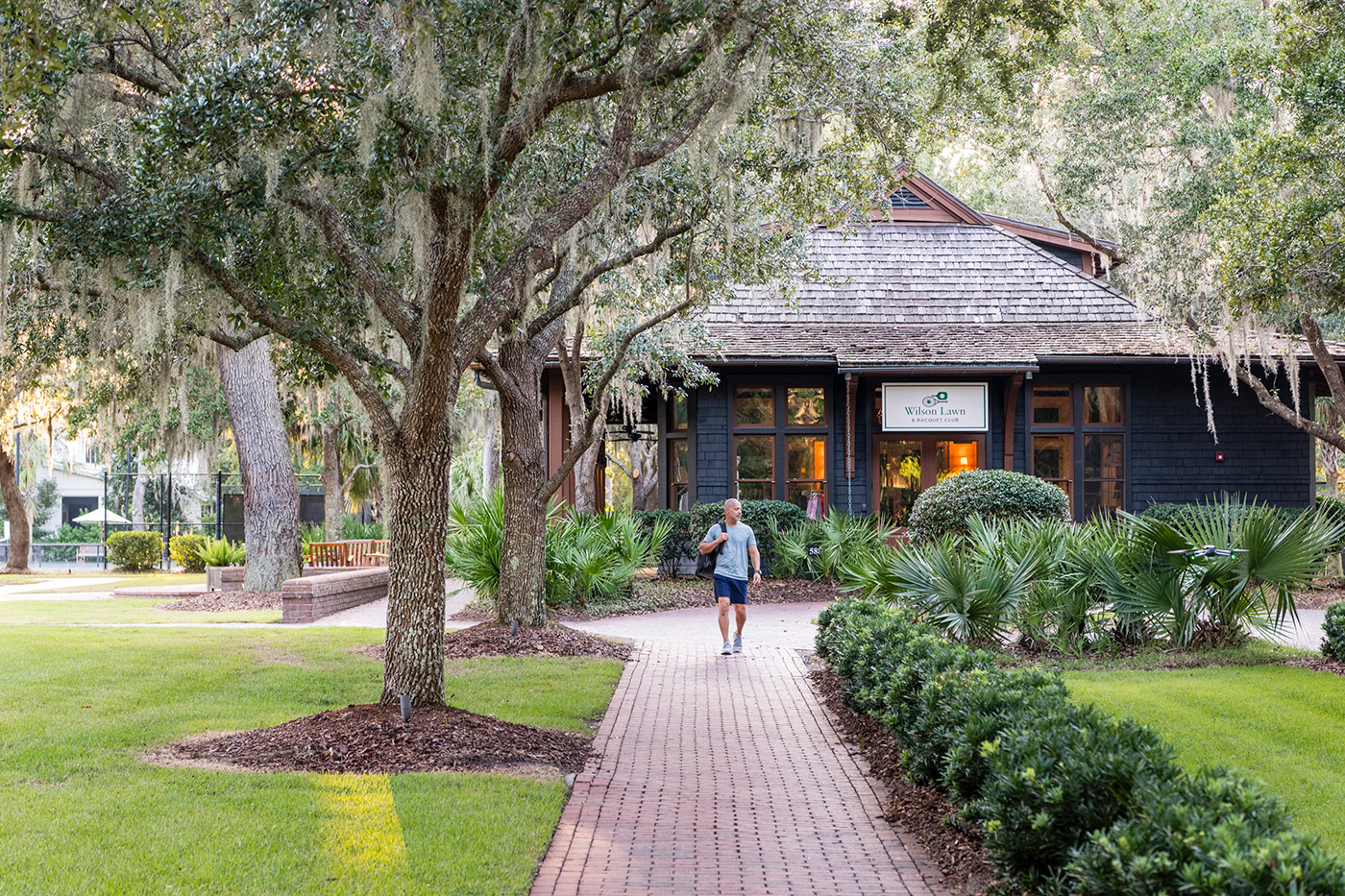
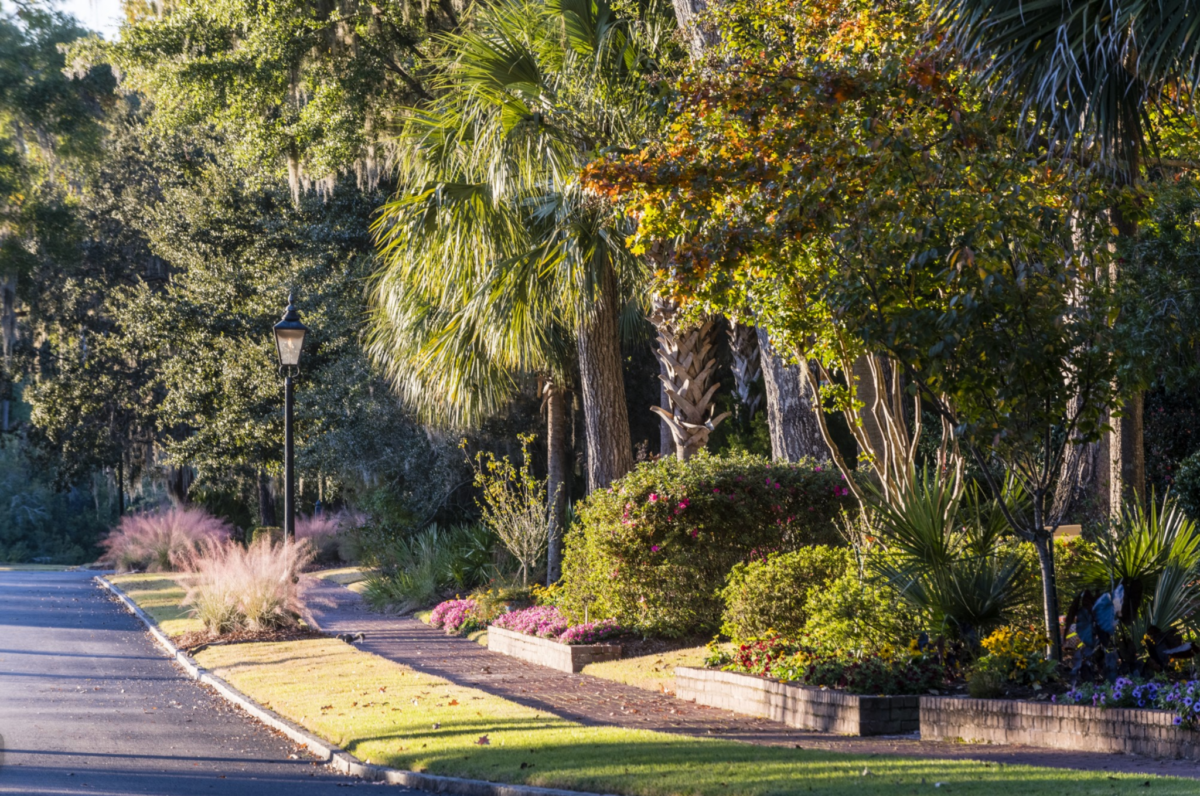
For over a millennium, people have gathered in the low-lying land that makes up the South Carolina Lowcountry. Native Americans settled here for its bountiful wildlife and temperate climate, while colonists lived here for its proximity to water and coastal breezes. The Lowcountry has always provided sustenance to its inhabitants, and not just through food and shelter—there are hundreds of plant species growing wild in this part of the country with medicinal properties that promote good health, too. Several plant species native to the Lowcountry, and Palmetto Bluff in particular, promote human health not just in being edible, but also in their chemical makeup. So the next time you find yourself with the common cold, you might not reach for the medicine cabinet—you might just venture into your backyard instead.
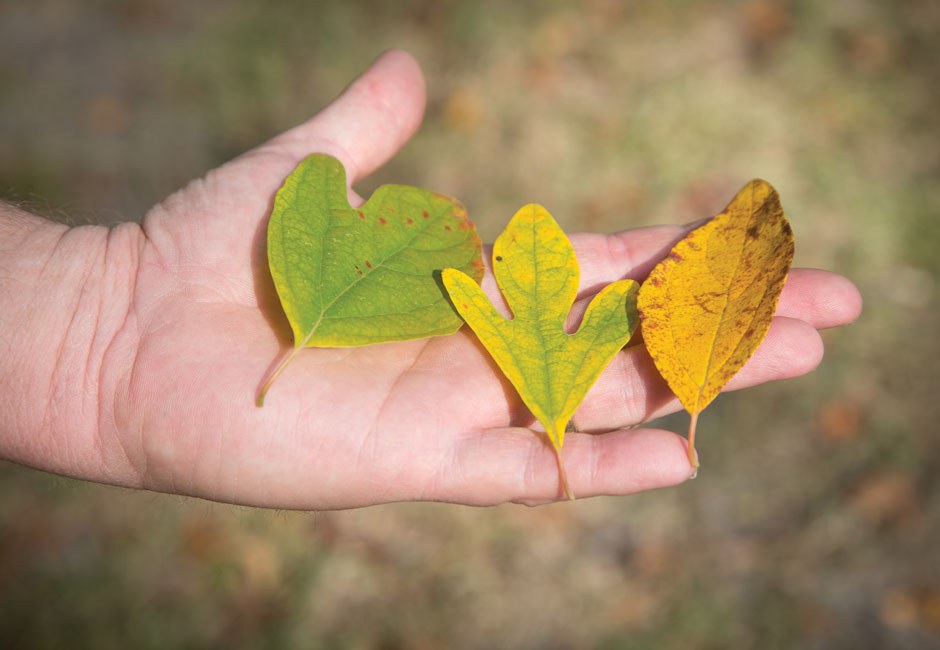
Sassafras (Sassafras albidum) is a small deciduous tree that grows in abundance on Palmetto Bluff’s upland areas that has been used for both edible and medicinal values for centuries. This tree species has three different leaf patterns that appear all on the same tree: a regular ovate leaf, a leaf shaped like a kitchen spatula, and a leaf shaped like a mitten. Yes, you are reading that correctly. But the real medicinal values lie in the root of the tree, which has been used for hundreds of years to produce sassafras tea, a refreshing drink enjoyed by many. Historically, in the South, sassafras was used as a cure-all for treating everything from acne to urinary tract infections. The root was also used to make tonics that aided in stomach disorders and for calming fevers. Sassafras was even used in the production of root beer, but was banned in 1960 by the FDA because it was found to be a slight carcinogen. The leaves of the sassafras can also be dried and used as the thickening agent in gumbos and salads.
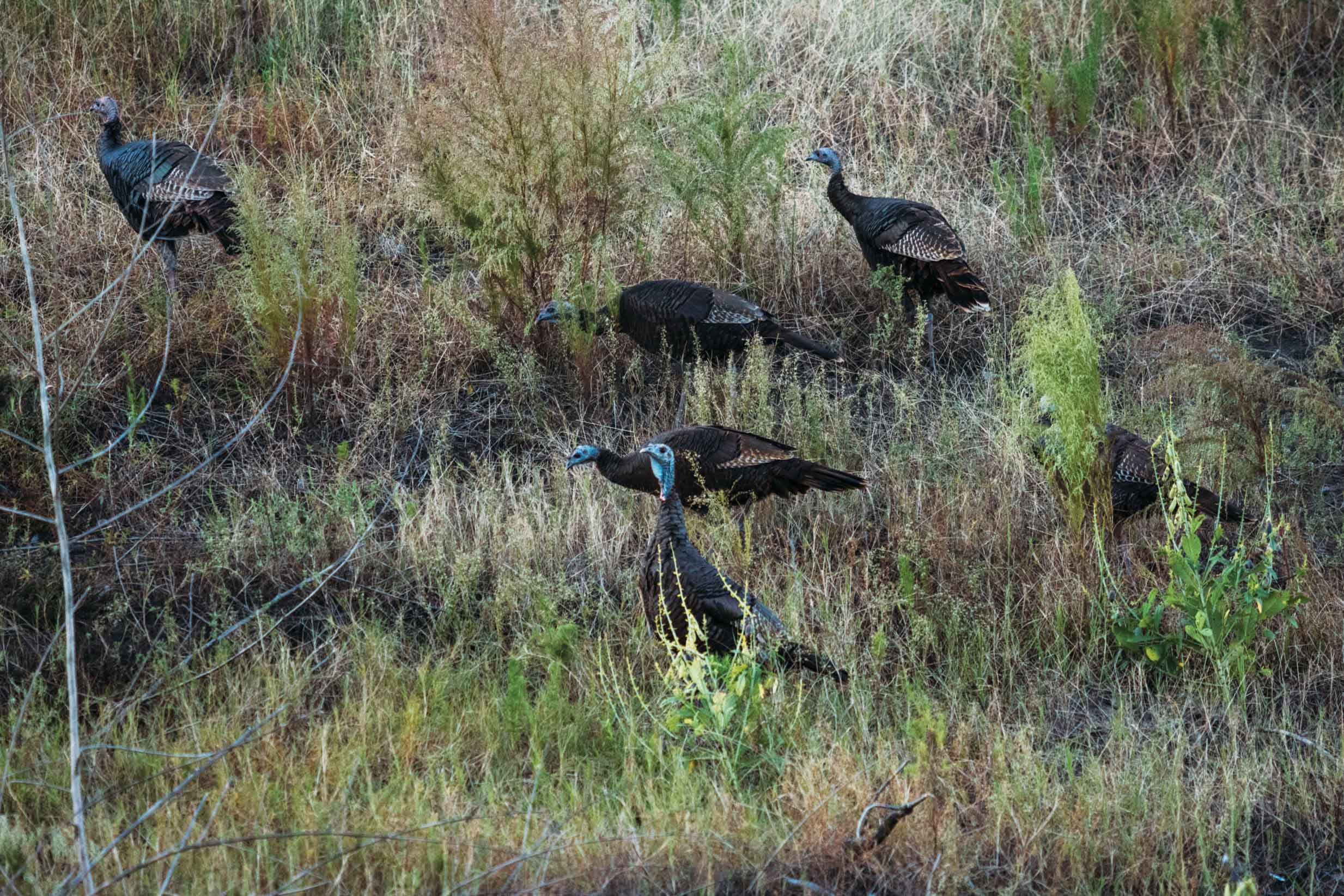
Wax myrtle (Myrica cerifera) is a small evergreen tree that grows in the ancient maritime forests of Palmetto Bluff. This plant species is a fast-growing evergreen that is often utilized in native plantings around homes. Wax myrtle leaves are a natural insect repellent and can be crushed and rubbed on the skin to aid in repelling biting flies and mosquitoes. This tree is also known as a bayberry. Fragrant bayberry berries are made into candles, capturing their beautiful aroma, and also serve as food for wildlife during the fall and winter months. Bobwhite quails, eastern wild turkeys, and Carolina wrens are all species that feed on these berries.
The root bark of this plant has many medicinal properties. The bark was used to fight infectious diseases, and tonics made from this bark aided in curing diarrhea as well as treating convulsions, colic, and seizures.
Camphor tree (Cinnamomum camphora) is a non-native evergreen tree species found along the East Coast that has also made a home here in the Lowcountry. This species made it to North America from China around 1875. Brought here because of its healing properties, the camphor tree has flourished, so much so that it is even considered invasive in some areas. The oil from the leaves and the bark is where the healing properties are derived, which is used in wound healing as well as sinus and respiratory infections. Camphor is also a natural insect repellent and is used as a flea-killing substance.
Common persimmon (Diospyros virginiana) is a deciduous tree common to Palmetto Bluff. This species takes both male and female plants to produce fruit, which is eaten by all Lowcountry wildlife, from the smallest mice species to the white-tailed deer. The fruit resembles miniature pumpkins and is delicious. The sweet, pulpy fruit is used for making pies, jellies, and cakes or can be eaten alone—but be forewarned, the fruit must be allowed to ripen completely before eating due to its tannic acid content in its early stages of growth. The fruit can be found on the tree starting in the fall, but doesn’t ripen completely until the winter months.
Red bay (Persea borbonia) is an evergreen tree species that is abundant in Palmetto Bluff. This species is edible, and several parts of the plant can be utilized for different purposes. The leaves of the red bay can be dried and used to season a variety of foods, from hearty stews to grilled proteins. The wood has been used for hundreds of years to smoke meats. It is said that the best smoked fish from Florida is the smoked mullet that locals smoke entirely with red bay wood. Red bay is also commonly used as a native landscaping plant.
Yaupon holly (Ilex vomitoria) is a small native evergreen tree that resides in the Bluff’s maritime forests that has been used for hundreds of years for its medicinal properties. Native Americans made a tea they coined “The Black Drink” and utilized this tonic as a part of their tribe rituals. This species is the only native plant species in North America that has a natural caffeine—America’s first Red Bull. Yaupon tea is produced by boiling the dried leaves and provides a caffeine kick akin to coffee. Our European ancestors also made a purgative out of the red berries to induce vomiting. Years ago, it was believed by many that one could purge him or herself of an illness simply by vomiting the illness out, which can be induced by eating the berries, hence the Latin name vomitoria.
Written by Jay Walea
Photography by Krisztian Lonyai%GALLERY%