By Luana M. Graves Sellars
Sometimes the smallest thing can tip the tides of history. During the Colonial era, the cultivation of a single, tiny grain shaped the geography and economy of the Lowcountry for centuries to come: rice. Yet, to accurately chronicle the history of the region, you must include the story of the transatlantic slave trade, one of incredible strength and endurance. Slave labor and West African technological farming traditions significantly influenced the transformation of the Southeastern colonies, and later, the nation. The incredible success of rice in America rests largely on the shoulders of enslaved people. Yet, it’s a story often forgotten and overshadowed by the “Cotton is King” era that followed in the nineteenth century. Rice cultivation in Colonial America created the vast wealth that built the affluence, influence, and political clout that South Carolina and much of the southeastern states enjoyed. It was this wealth that bore and bred several constitution signers in 1787.
Early in the 1700s, the British crown demanded that South Carolina colonies grow rice and indigo (the latter, primarily to dye uniforms). These alternating crops precipitated the need for increased and continuous streams of labor. Harvest after harvest, attempts at farming rice failed until West African enslaved labor and farming technologies arrived in the Lowcountry.
Slave traders began to search for specific skills in the slaves they captured. They deliberately sought West Africans that were highly educated and well-versed in cultivating rice and paramount was the type of engineered farming necessary for it to thrive. The value of this knowledge increased output, demand, and purchase price.
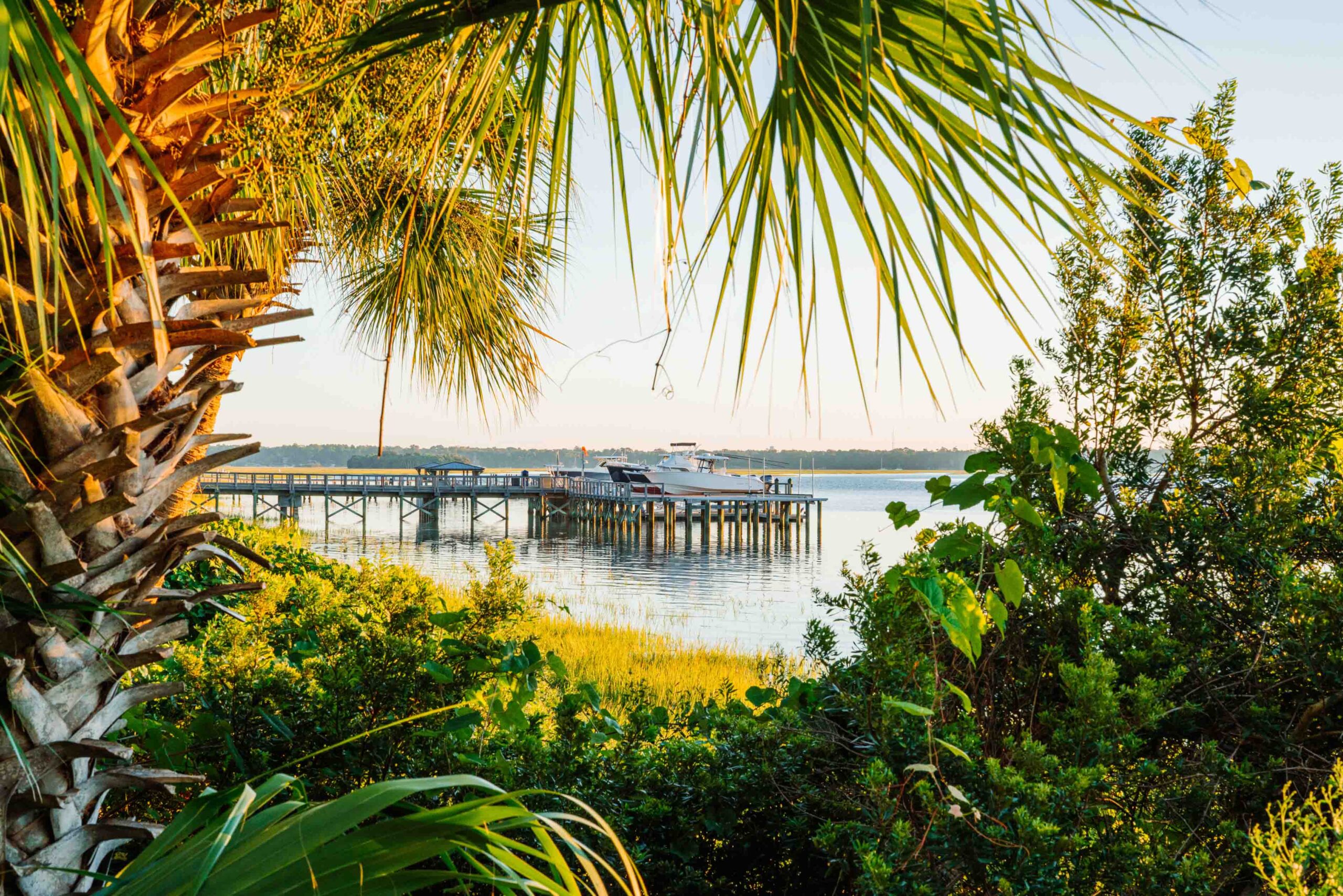
South Carolina’s coastline, with its sea islands, has the perfect topography and temperature for rice. In the early 1700s, Charleston, Beaufort, and Georgetown Counties were the primary rice growing regions. But as the tremendous profits became evident, rice fields stretched from southern North Carolina to northern Florida. By the late 1700s, Georgetown County was the largest producer of rice worldwide.
Carolina Gold rice was the ubiquitous strain for nearly two centuries. A long-grain rice with a golden hue, the original plants come from Africa. A unique blend of soil and freshwater lends itself to the rich, nutty scent and flavor. Eventually, Carolina Gold became the world’s standard for quality, and the increased demand led to pressure for increased production. A combination of wealth, location, and free labor commenced the plantation era. As a direct result, Charleston’s harbor became the most active slave port in the United States.
***
Rice requires continuous moisture and intermittent flooding, often to a foot or more in depth. In West Africa, water was controlled by hollowing out a large tree, similar to a natural pipe system, to block or release water flow, like a floodgate. Enslaved people brought this technology to the Lowcountry, and it developed into what is called the “rice trunk.” Farms still use these water management systems today.
The entire process of cultivation was extremely dangerous. Laborers had to clear huge cypress and gum trees that grew up to eight feet in diameter and had a thick, condensed root base. Clearing a field could take up to seven years. Enslaved people prepared the soil and harvested by hand, often in deep, swampy water. They commonly encountered alligators and poisonous snakes. And after they readied the land for cultivation, they had to construct elaborate irrigation systems. Ringworm, severe skin ailments, malaria, and yellow fever were rampant. Death was common in these dreadful conditions and fueled a constant turnover of laborers.
Slave labor was divided by gender, similar to West African tradition. Men cleared the swampy fields of cypress and gum trees, built trenches, and manned rice trunks. Women protected and planted the seeds with their bare feet, harvested the crops, and separated the husk from the grain. Even very young children worked, banging pots to scare away birds.
Tens of millions of pounds of rice were produced in the Lowcountry each year for nearly two centuries.
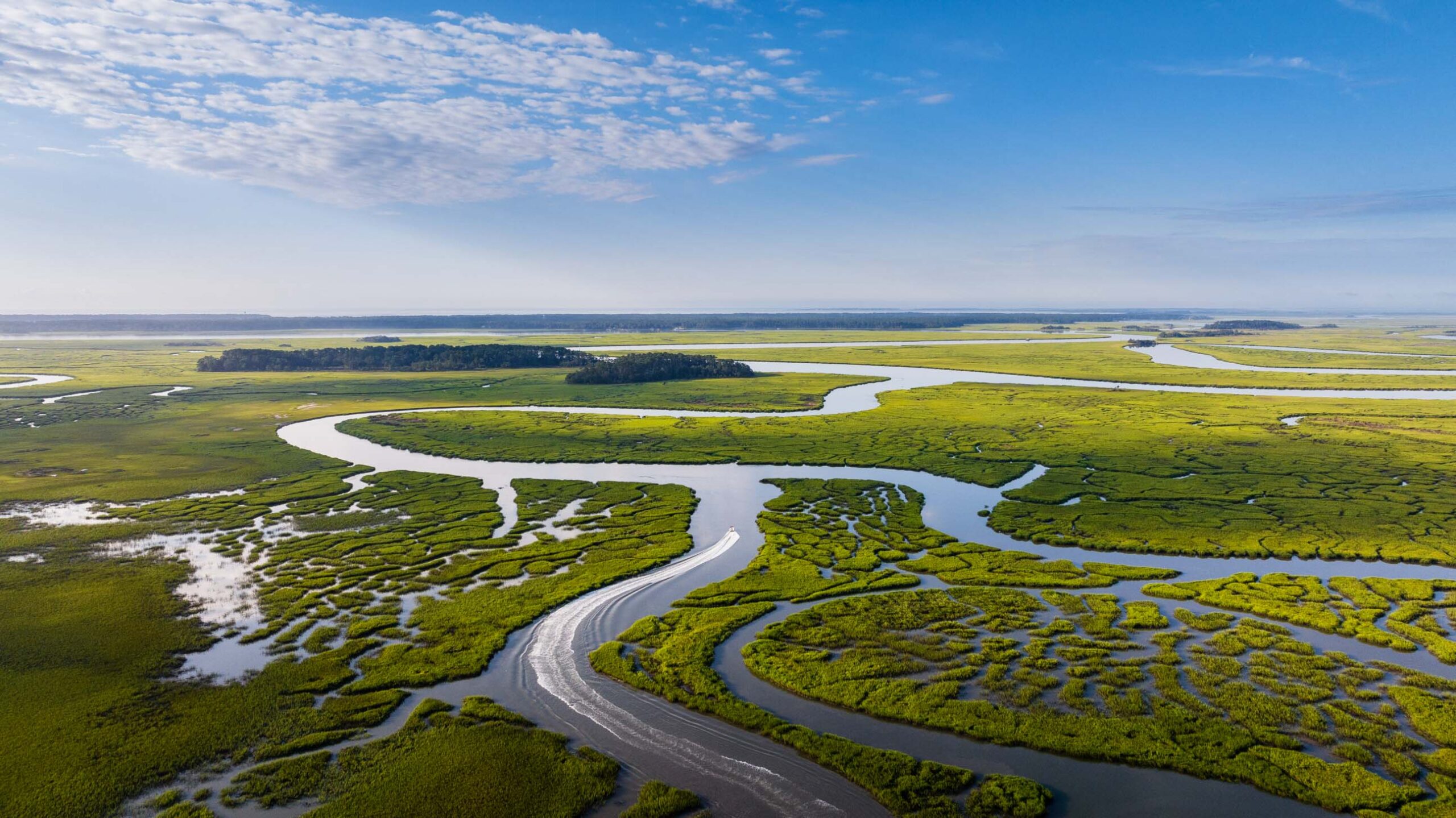
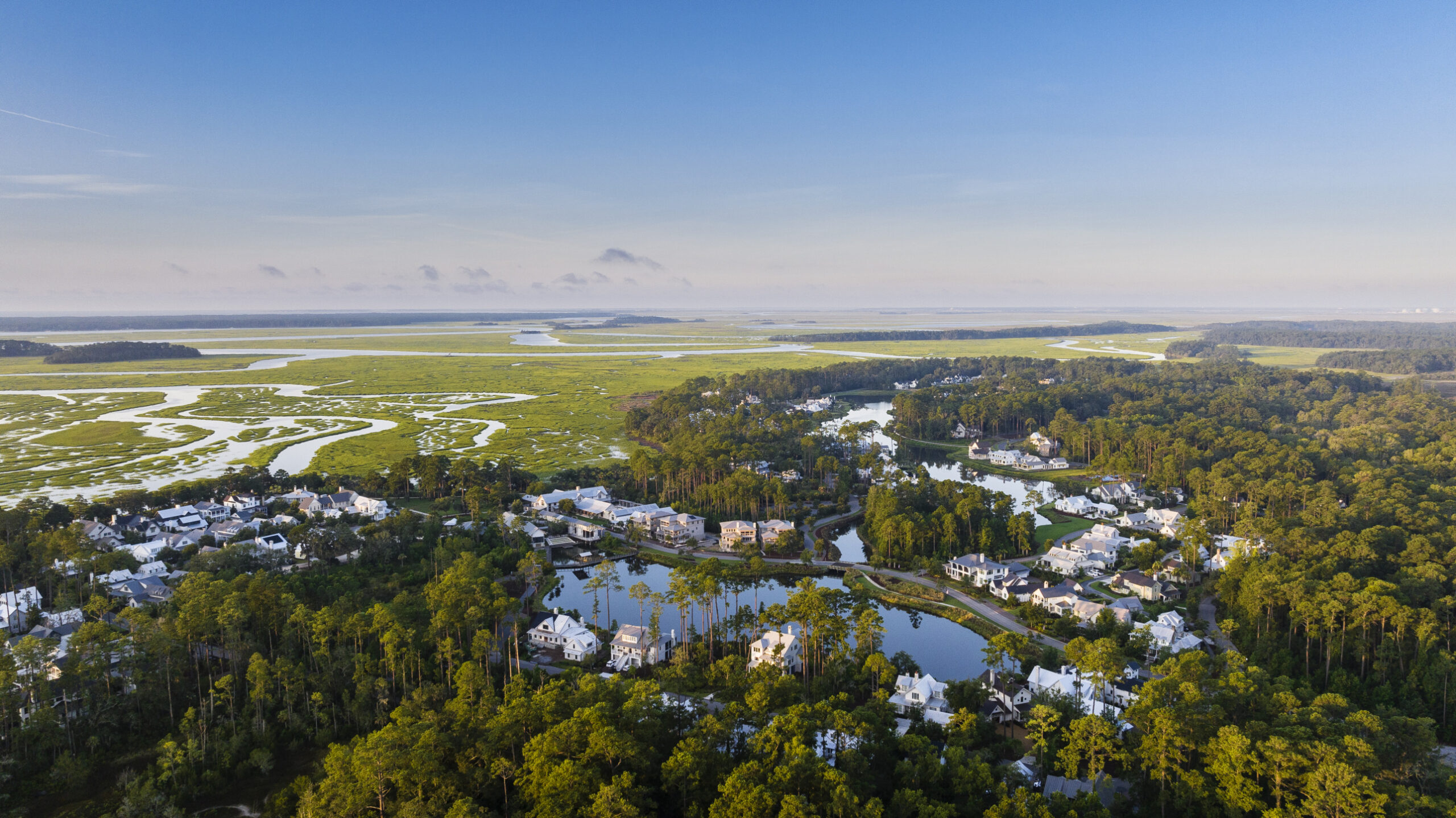
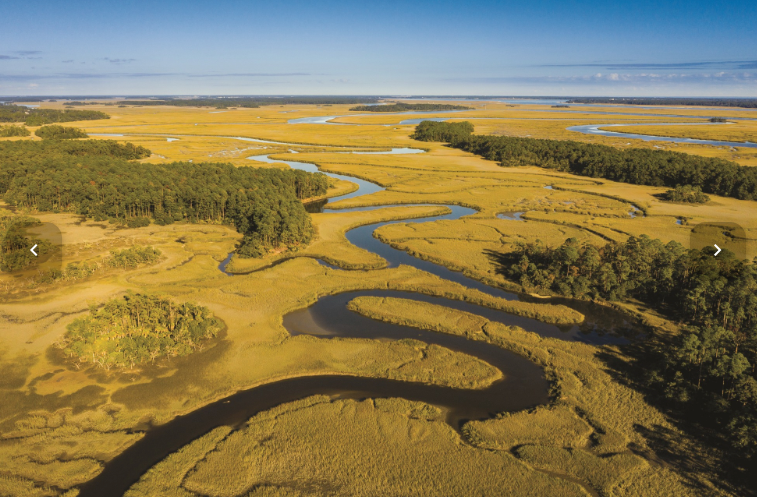
The rice story is a vital chapter in American history. Today, the Lowcountry’s lush landscapes often include wide expanses of open terrain, which in more cases than not, are abandoned rice fields that were cleared tree by tree by the hands of enslaved men.
Palmetto Bluff is no different. As you enter the gates and drive the tree-lined road, you pass over what looks like a bridge. It is actually where you’ll find a remnant of the rice history and slavery story: a rice trunk.