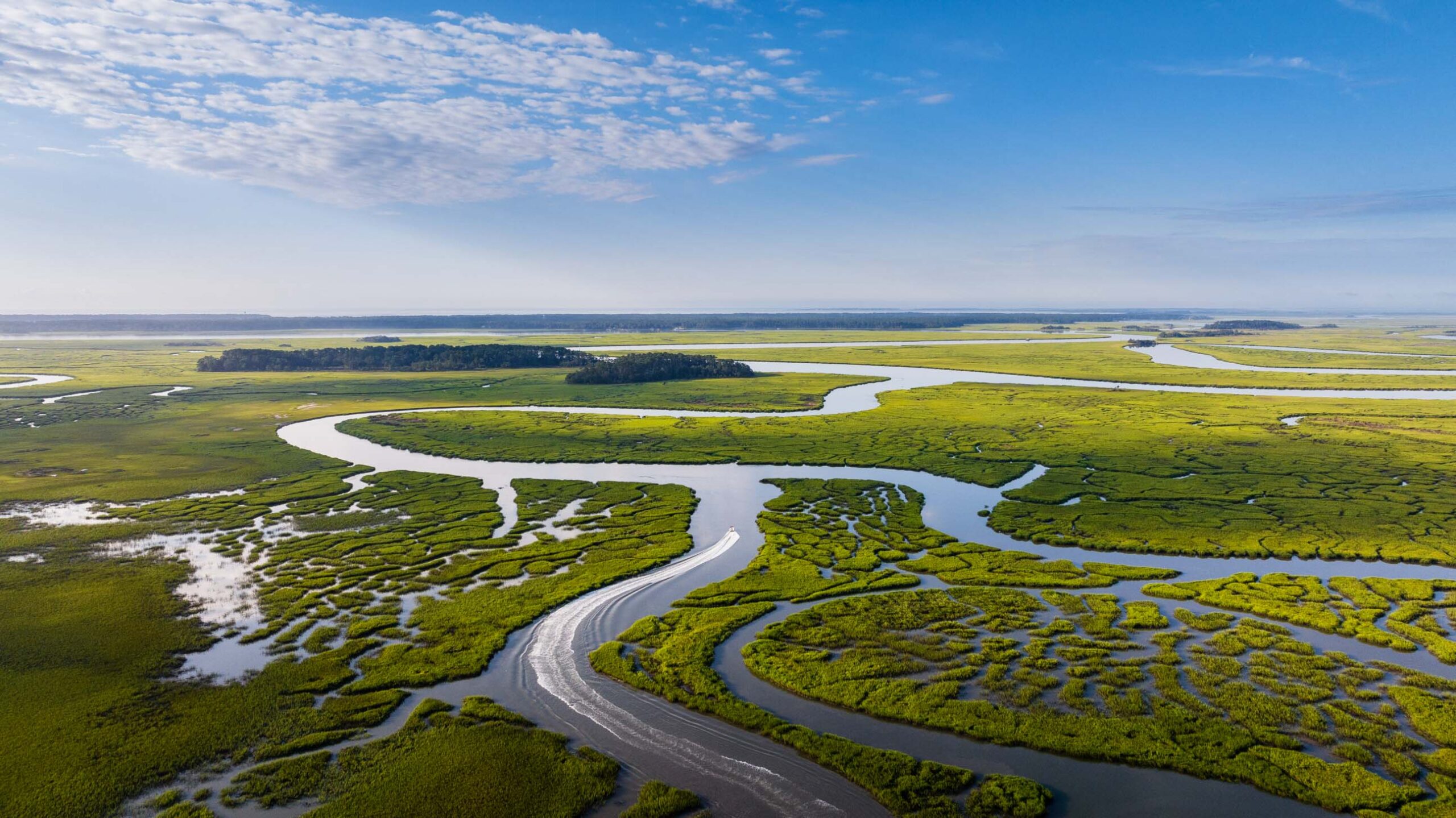
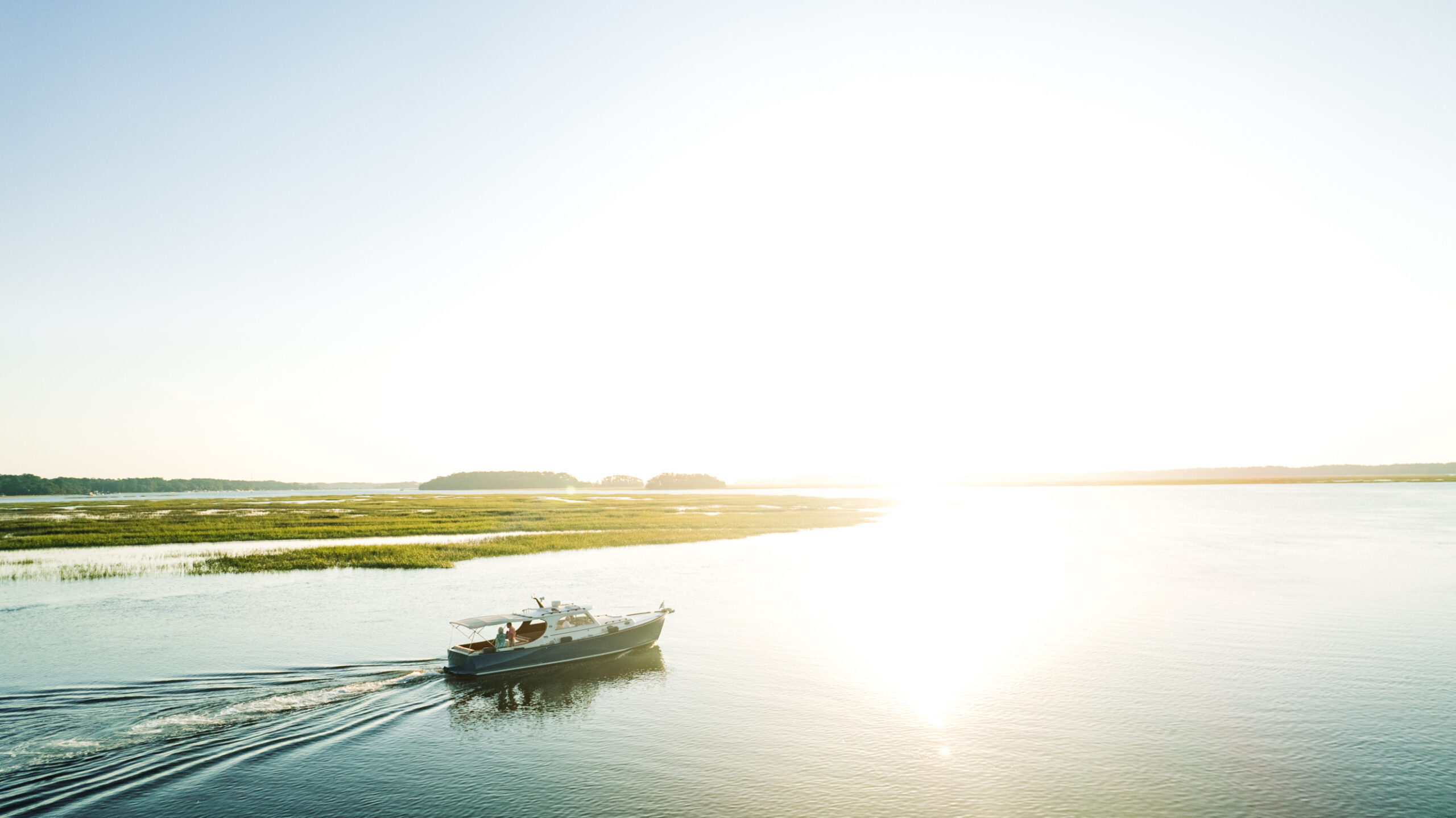
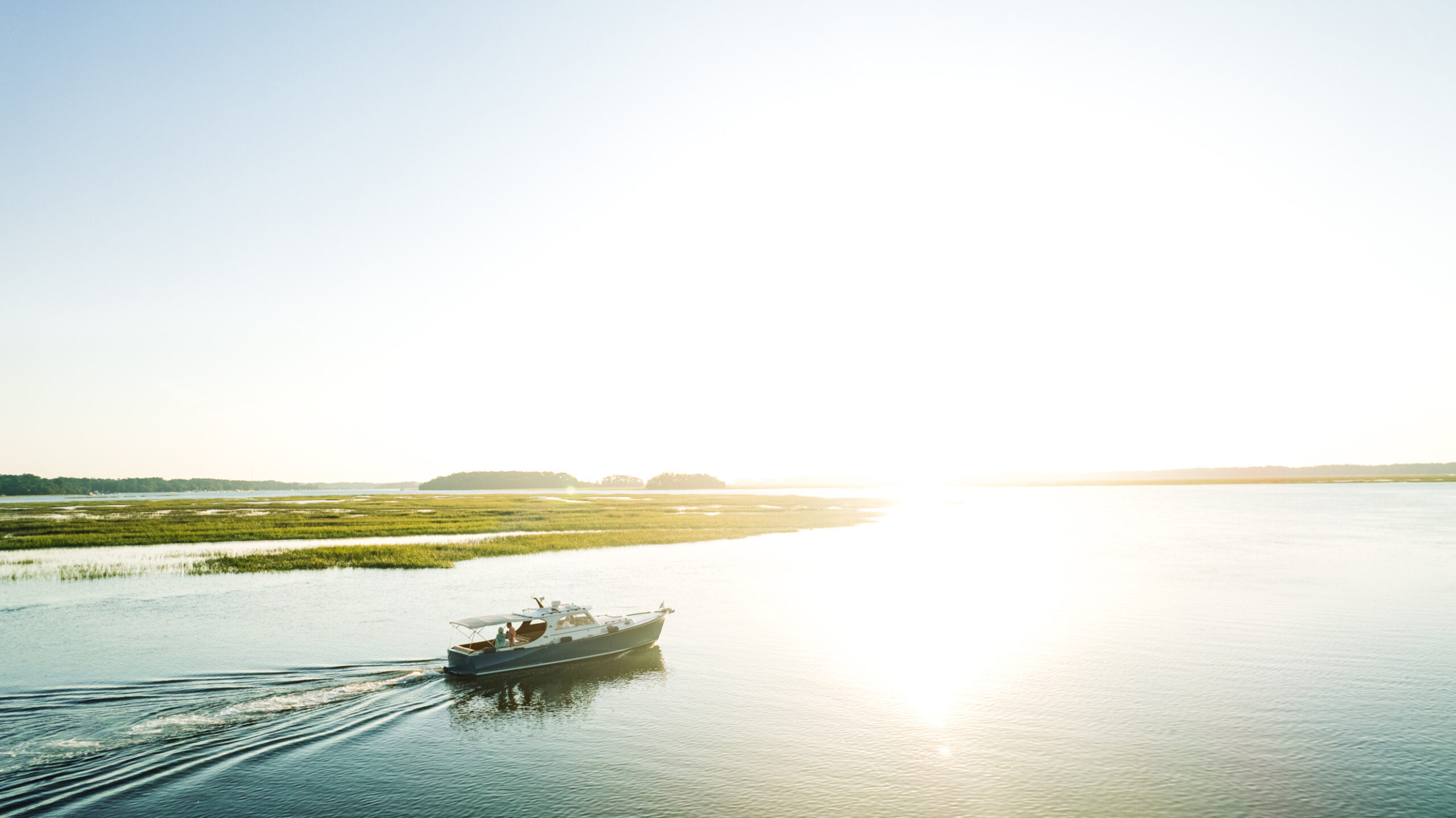
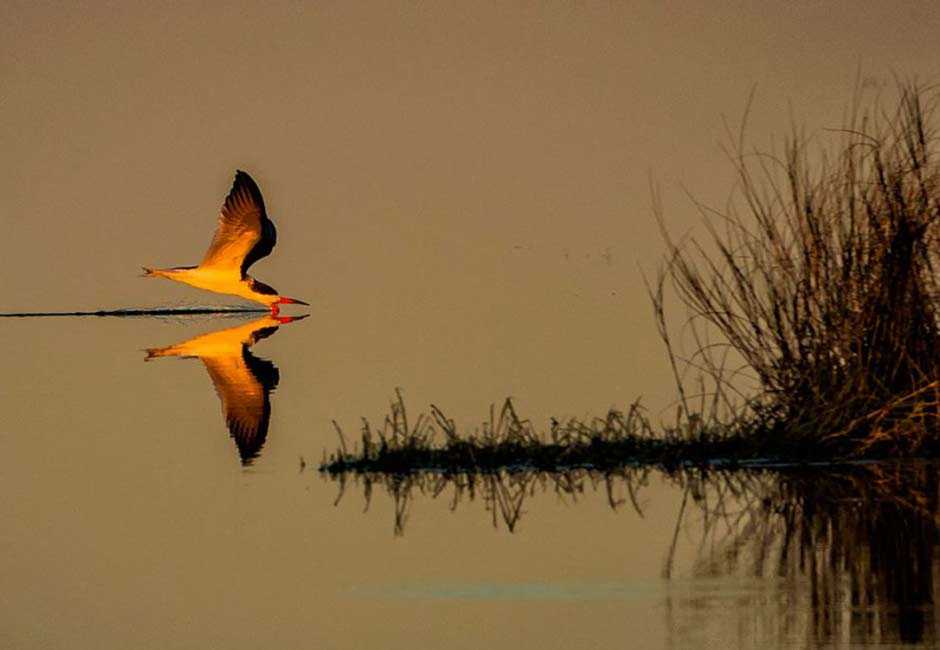
A man steers his boat through a narrow tidal creek in the wee hours of the morning. As the hum of the motor echoes through the delta, an orange sun rises in front of him. Suddenly, a bird calls, and he shuts off the motor. As he sits quietly, two black skimmers glide across the sky above him, darting back and forth, completely unaware of his presence. Silently, he retrieves a camera from his bag and points it at the birds. *Click*
What exactly is the life of a wildlife photographer like? What does it take to make a career taking pictures and educating people about the natural world? Pictures of a soaring egret or a nesting bluebird are iconic, but what type of person goes out and captures these shots? How does a photographer develop the eye to meld the movement, the drama and the artistry of the natural world and capture this in a nanosecond?
Hilton Head-based photographer Eric Horan grew up on a 120-acre ranch in the Switzerland of America area in southwest Colorado. The stomping ground of his youth was the surrounding countryside, in all of its mountainous and rugged glory, where he explored the landscape and fell in love with nature’s intricate beauty. “My brothers and I used to ride in rodeos in Arizona,” Horan says. “We would rope calves and run the bulls; we did team roping and all the cowboy stuff. I was always outside.”
From his childhood spent in the great outdoors, Horan’s passion for the natural world bloomed. He earned his degree in Commercial Art and Photography at Colorado Mountain College, and immediately after graduating, he landed his dream job. When the Colorado Parks and Wildlife documentarian became ill, Horan was brought on to fulfill the documentarian’s remaining year-long assignment to photograph the state’s parks. His career as a wildlife photographer was born. “It was an amazing opportunity. I was just this green boy thrust into a man’s job,” Horan recalls wistfully.
For one of his first assignments, Horan was asked to photograph an elk count. The best time to count the local elk population is during their rut, a period in the fall when mating occurs, and males fight for females. Horan and the rest of the survey team traveled on horseback to find the elk herd, and they camped there for two weeks. “[The elk] were big, and there were about 1,500 of them. We were there observing, doing counts … doing a visual inventory of all the animals,” says Horan. “We camped right next to where the herd was. So after a long day of photographing and counting, we would hear them at night. They allowed us to be there.”
As wonderful as it was to explore nature on a horse, working from horseback had its drawbacks. One time, a coyote spooked his horse, which could have ended in disaster. But ever the photographer, Horan’s first concern wasn’t for himself. “Luckily,” he says, “the camera was unharmed.”%GALLERY%As he finished his documentation of the elk herds, Horan moved on to a project photographing Colorado’s bighorn sheep, which brought a change in topography and added a new challenge. Instead of photographing the grasslands of the western Great Plains, he was now capturing the steep Rocky Mountain habitat of the sheep, and Horan had to take his photographs from a helicopter. Or rather, below the helicopter, in a special rig with a seat, so that photographs were not obstructed by the glass windows of the cockpit. An umbrella-like shield protected him from the chopper’s downdraft, but he still felt terrifyingly exposed.
Horan called the man for whom he was standing in. “[Fortunately] I could talk to him on the phone. He just said, ‘Oh, don’t be ridiculous. You know how to work the cameras. You’ve got all these people around you who have done this before.’ I sort of just eventually became comfortable being able to do this. I thought it was all really fun.” As well as documenting new material, Horan was exposed to new techniques. “I shot film and stills. I hadn’t done any movie-making at all in school, so that was a first,” he said.
Part of working for Colorado Parks and Wildlife meant that Horan had to learn the habits and habitats of each animal, and the field biologists who accompanied him on his expeditions were happy to help teach him. Understanding the life histories of his subjects was the first step toward becoming a naturalist. But all good things must end, and the state didn’t have enough money to pay for two full-time photographers. After about a year, when the documentarian had fully recovered, Horan had to move on.
Horan worked in construction between jobs, and in his free time, he skied in Aspen. While there he met athletes and photographers, and slowly began to pick up work as a freelance sports photographer. “I loved it. It was action-packed. I was photographing the best people in the world and what they do. I was green again,” Horan remembered. “There was a whole group of photographers who just do that. They pick a sport to specialize in, and they are really good … and they would take me out and show me the ropes.”
Skiing was always his favorite sport to photograph, although he emphasized that it was also risky. Standing in the wrong place could end terribly, and so he followed the leadership of the more experienced photographers. “We photographed people on the downhill going 70 miles an hour,” he says. “We were on the course, and they were coming toward the camera … but [we] got some spectacular pictures.”
“Believe it or not, there really are a lot of similarities between wildlife photography and sports photography. It’s peak action stuff. You really have to learn enough about the sport [or] behavior … to know when is the optimal time to take a picture.”
His endeavor in sports photography took him around the country, from the slopes of Colorado to the shores of Rhode Island and Florida, where he photographed sailing regattas. Through it all, he continued taking pictures of wildlife and learning about the natural world. “I got really into birds,” he says. “People would see my landscape photography and my birds, and they’d sell it to the resorts. The birds really helped [me] become a total marketing package.”
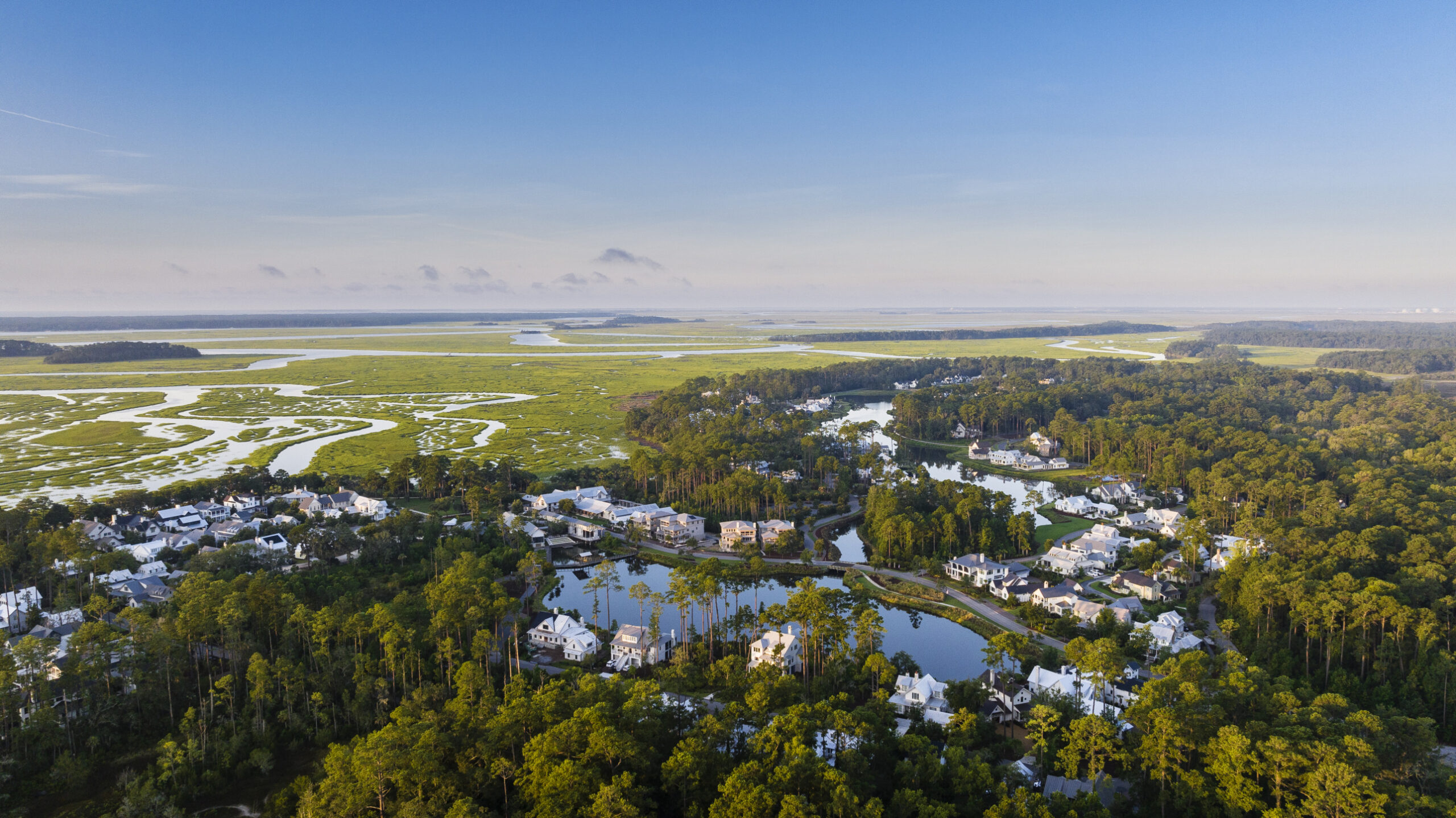
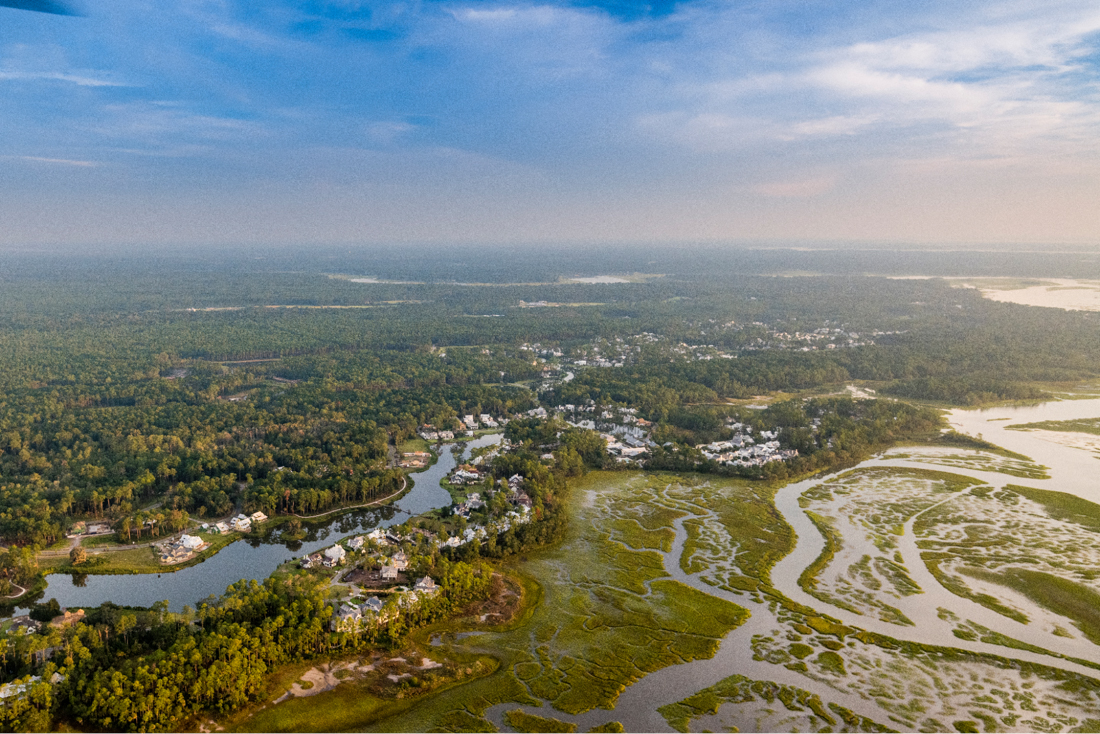
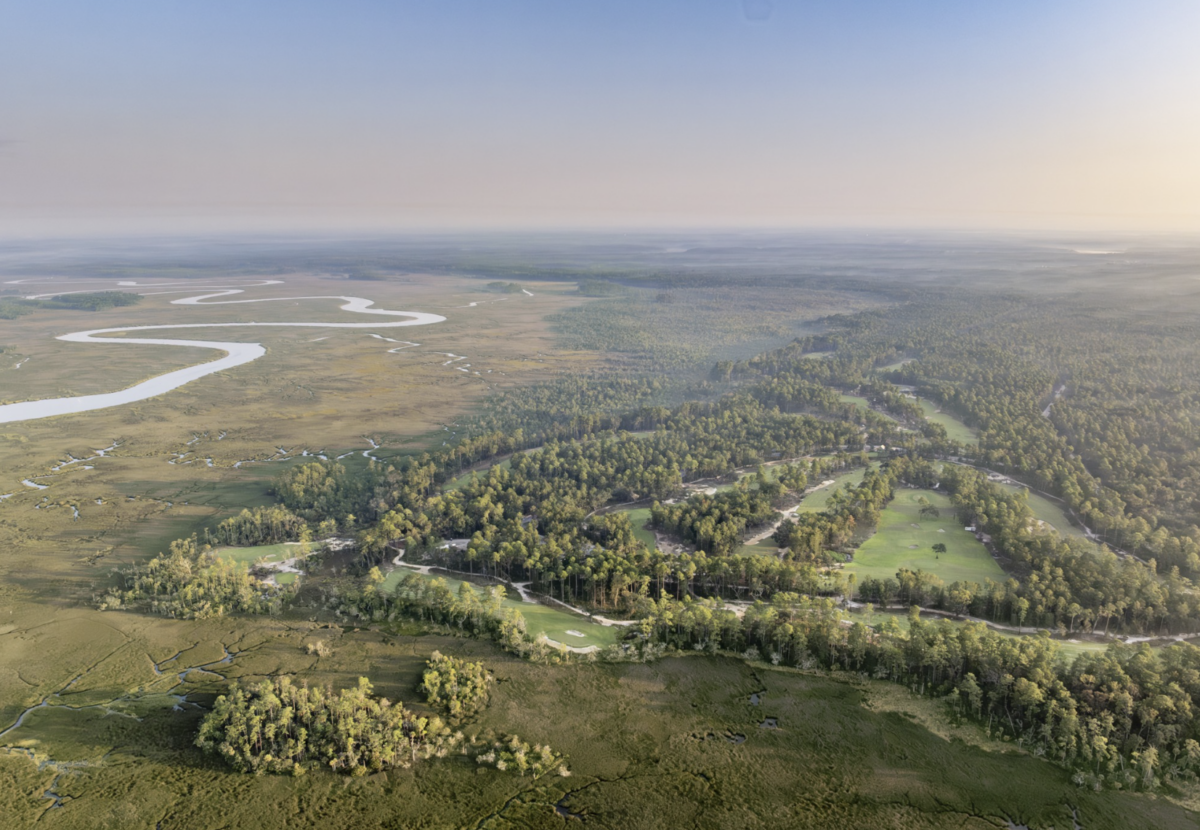
By the time Horan moved to Hilton Head Island, he knew the photography ropes much better than he had as a young apprentice at Colorado Parks and Wildlife. After working various lifestyle photography jobs in the area, he decided to open his own studio. On Hilton Head, though, he faced a new set of challenges. “Colorado is big. It has a huge dramatic beauty with its elevations. When I got to the Lowcountry, I was like, ‘What do I do with this? It’s so flat! You know what I need? I need a ladder, a plane and a boat.’ So I started to get out and get nice water scenes. I started hiring an airplane and getting pictures of the land from high above. I could do that by climbing mountains as a kid, but now I learned to love flying.”
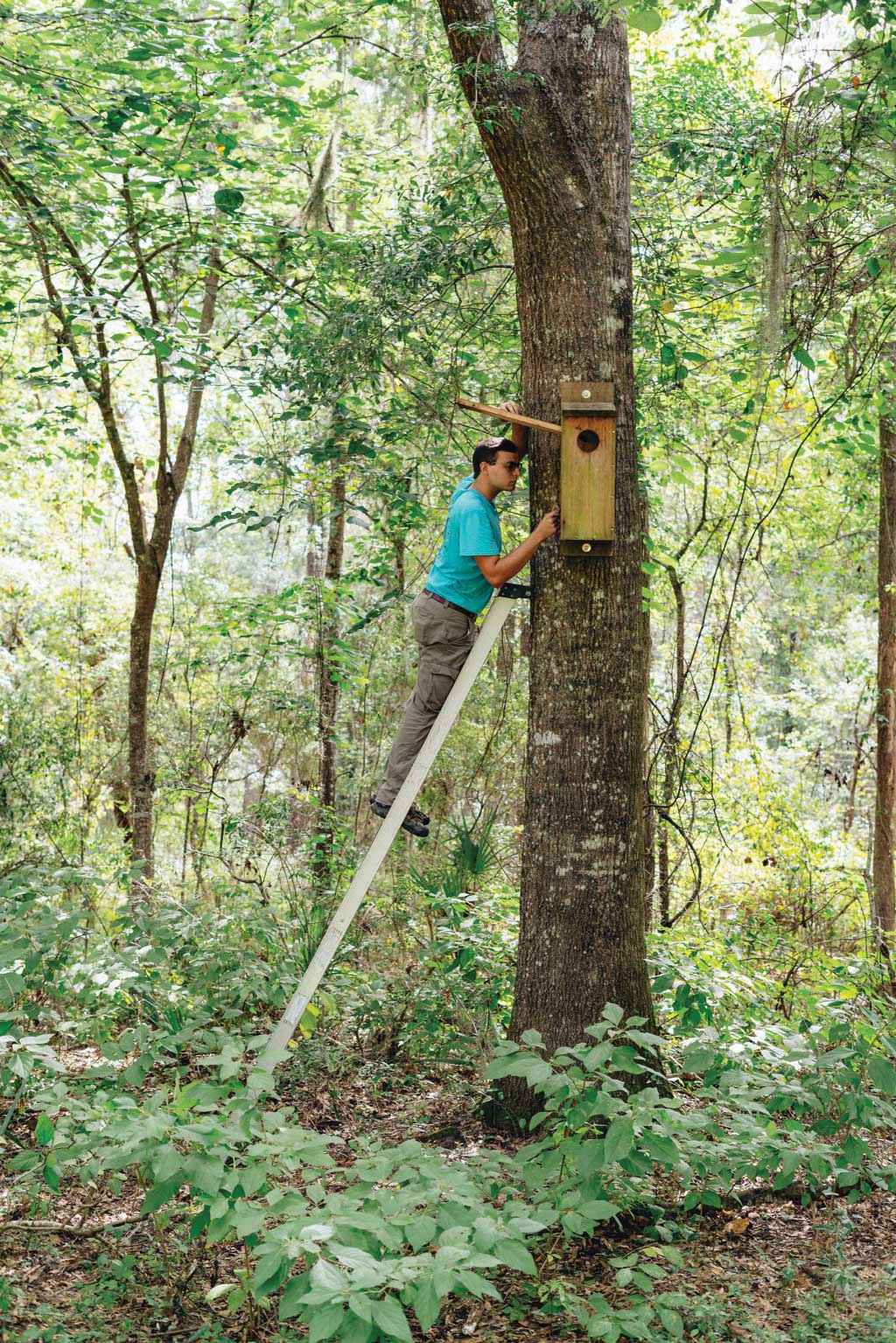
Just as his mentors had known years ago where to get the best photos of Colorado wildlife or competing skiers, Horan needed to know where he could get the best photos of the Lowcountry birds and other wildlife. To hone these skills he enrolled in the Master Naturalist Program through the Clemson Extension at the Lowcountry Institute. “I took the class because it was a natural fit after my younger years. It was more than just a commitment to my practice and making a living in wildlife photography.”
Using his local knowledge of native wildlife, Horan continues his love for photographing birds. “Right now I’m taking pictures of spring shorebird migrations. After they are gone, we go into seabird nesting season, which [involves] seven species of birds. Birds that nest communally on the islands. There are brown pelicans, three different kinds of terns, laughing gulls, oystercatchers, and of course, black skimmers.”
It’s this depth of knowledge, Horan emphasizes, that helps the photographer be successful. “You have to get people to educate themselves on what they want to photograph.”
Although his photography studio now occupies much of his time, Horan says that his focus has shifted from photography to education. “I can take people to awe-inspiring imagery and maybe help another person get connected and become part of the management team that it will require to save the earth.”
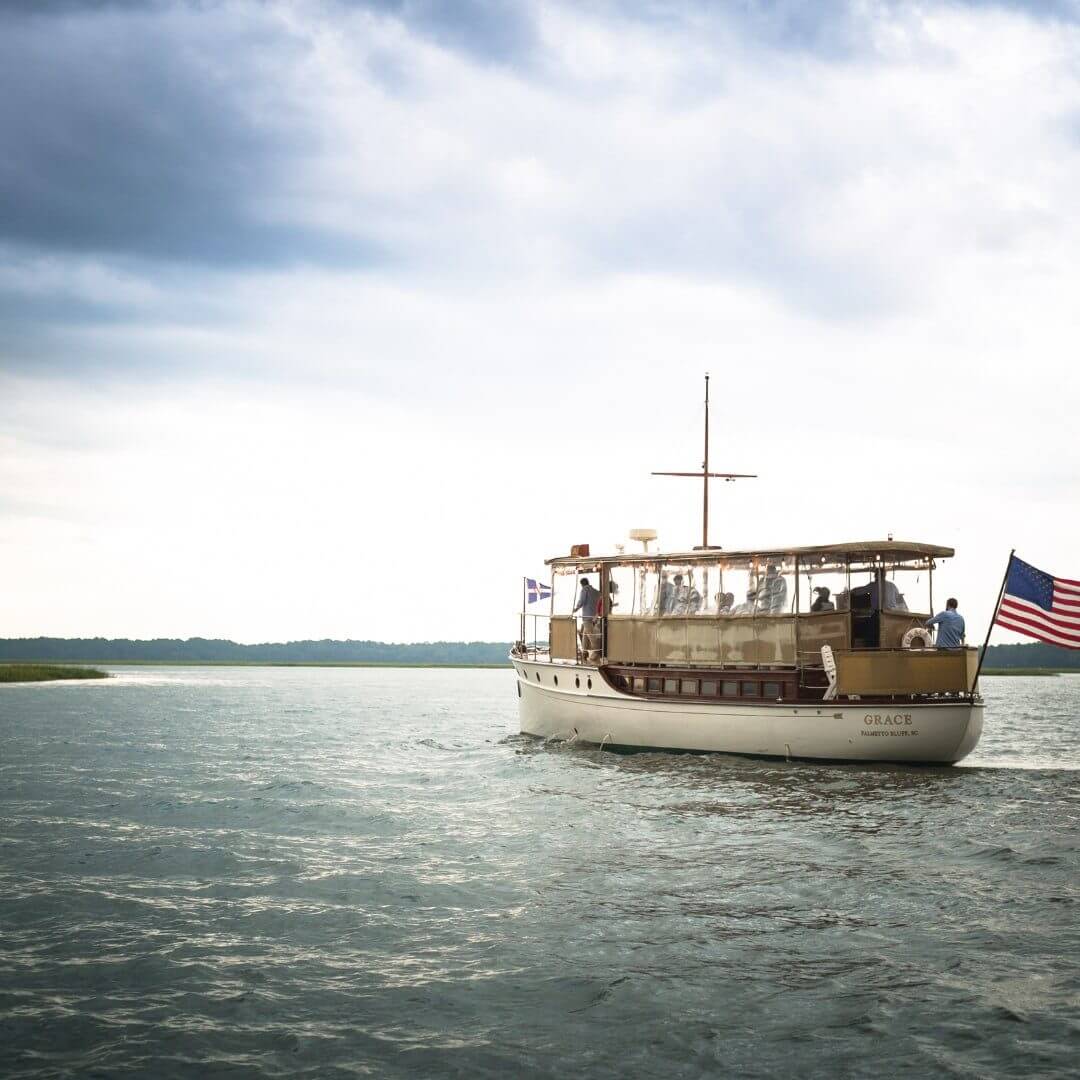
When Horan leads tour participants on his boat to an optimal location, he advises them to turn off their cellphones. The silence and the visual beauty are breathtaking, and relaxation comes easily. “My participants accuse me of having all the birds on the payroll. I just share what I know so others hopefully can get their creative juices flowing and their passion going … We are making them focus on the here and now. It is gratifying to do that. Even if I just move them one step further on their path, it is gratifying for me to be a part of that.”
Eric Horan has recently published his stunning photography in a new book, “Beholding Nature.” Copies can be purchased through his website at www.horanphoto.com. To sign up for one of his wildlife tours, visit his website.
Photography by Eric Horan