Written by Palmetto Bluff
Nov 02, 2022
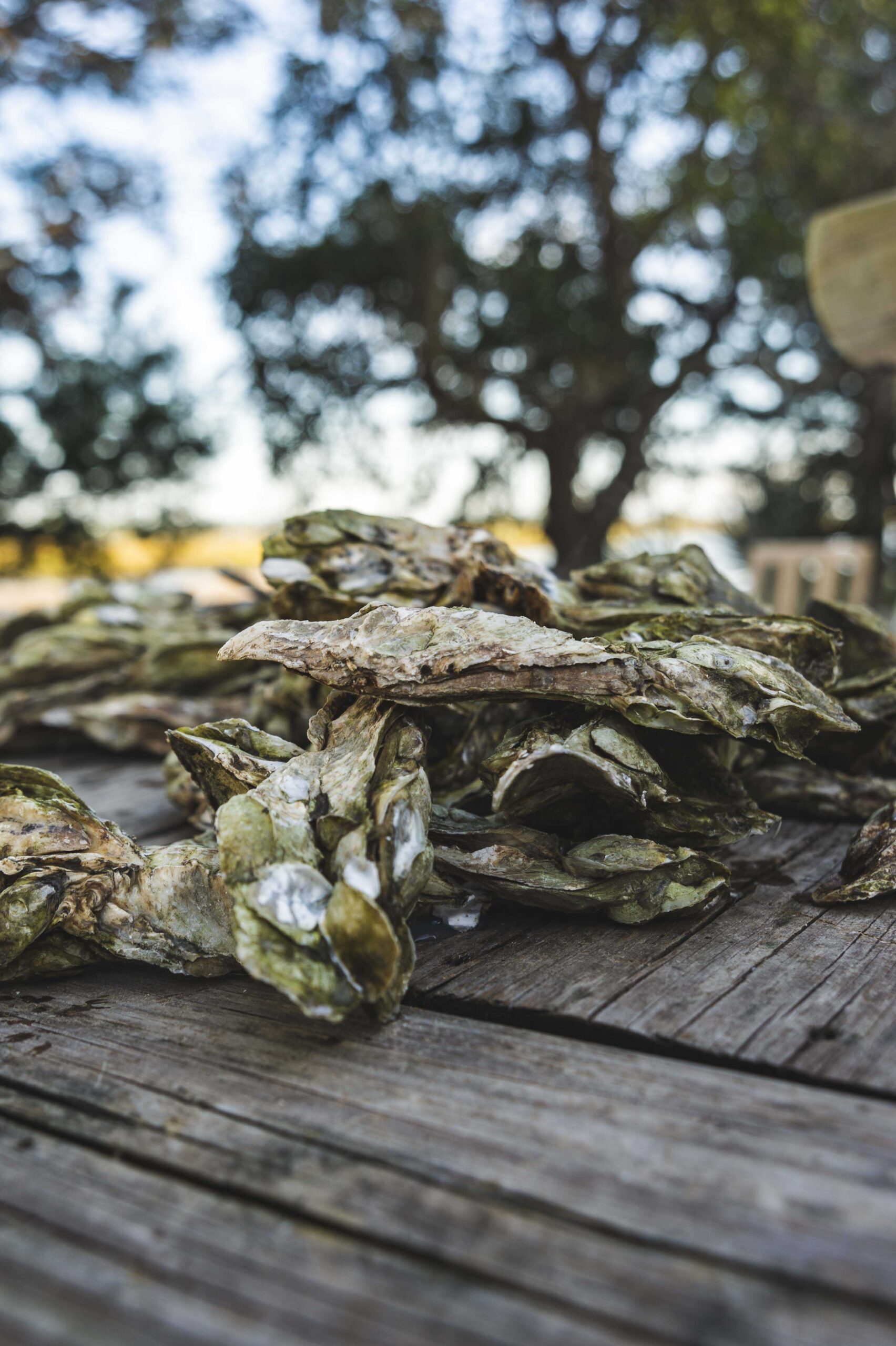
“He was a bold man who first ate an oyster.” — Jonathan Swift

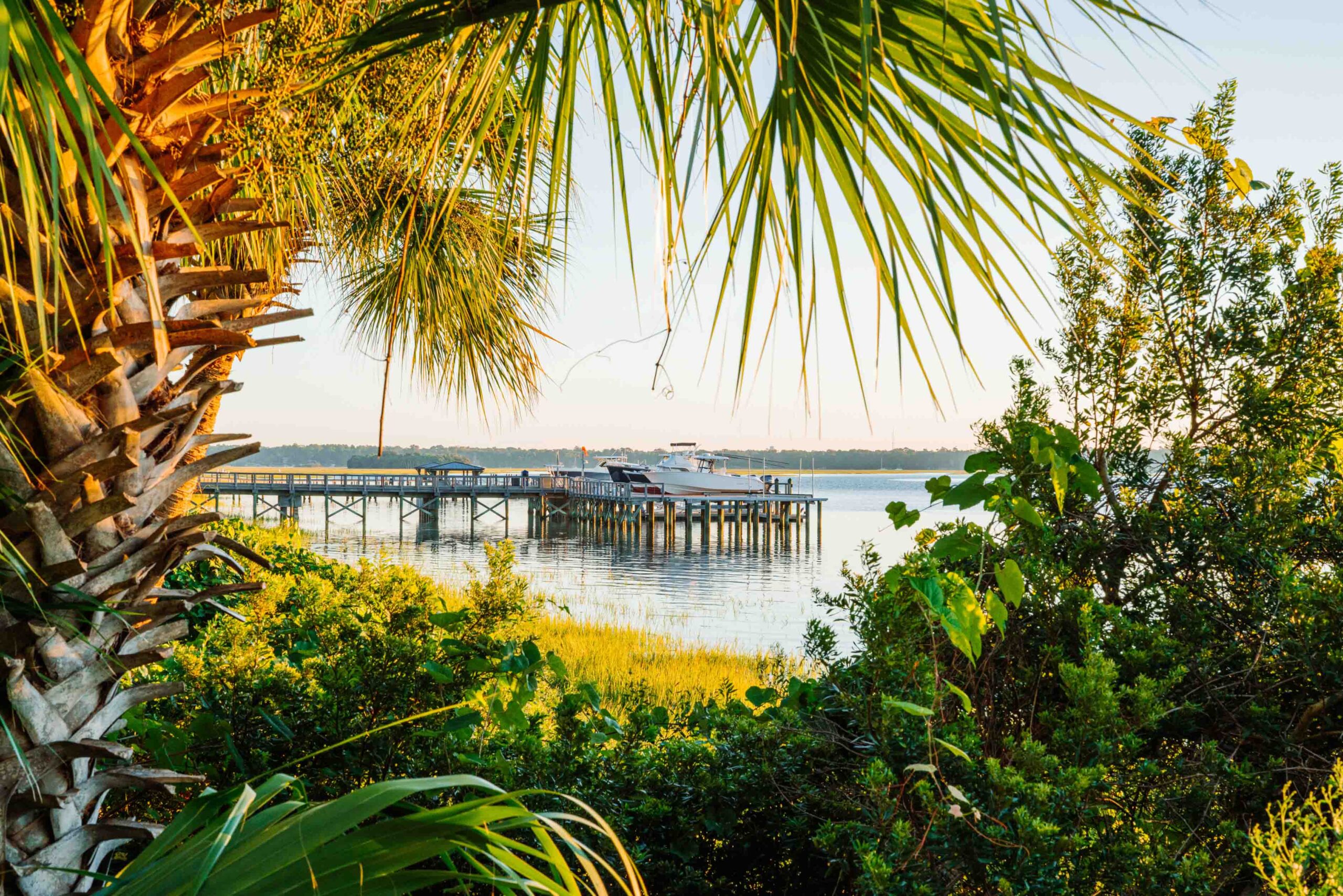
Fall and winter in South Carolina bring cooler temps, bird migrations, and the golden glow of spartina grass in the salt marsh. It also brings steaming buckets of oysters and camaraderie with friends. Oyster roasts: the ultimate in casual, outdoor entertaining in the fall and winter and the perfect way to spend a chilly afternoon in the Lowcountry.
Oysters. Love ’em or hate ’em, these bivalve mollusks (cousins to clams, scallops, and mussels) are much more than a tasty treat. Playing quite the role in world history, these nautical delicacies have been valued for centuries as treasures, building materials, economy boosters, champions of the environment, ecosystem engineers, and, of course, food.

Thriving along coasts all over the world, oysters boast complex flavor profiles with no two quite the same. Each bivalve expresses certain features that are characteristic of their environment: sea water, currents, tides, temperature, algae, rainfall, season, and location are all responsible for the nuanced flavors in each oyster. Similar to the sense of place that is used to describe the tastes of different wines, a term known as terroir, the diverse mystique of oysters around the world can be attributed to their respective “merroir.” (Like terroir, merroir takes the same idea but modifies it to incorporate the French word for sea, “mer.”) These ever-changing characteristics and unique environmental conditions, explain why the same type of oyster can taste different depending on the time of the year.
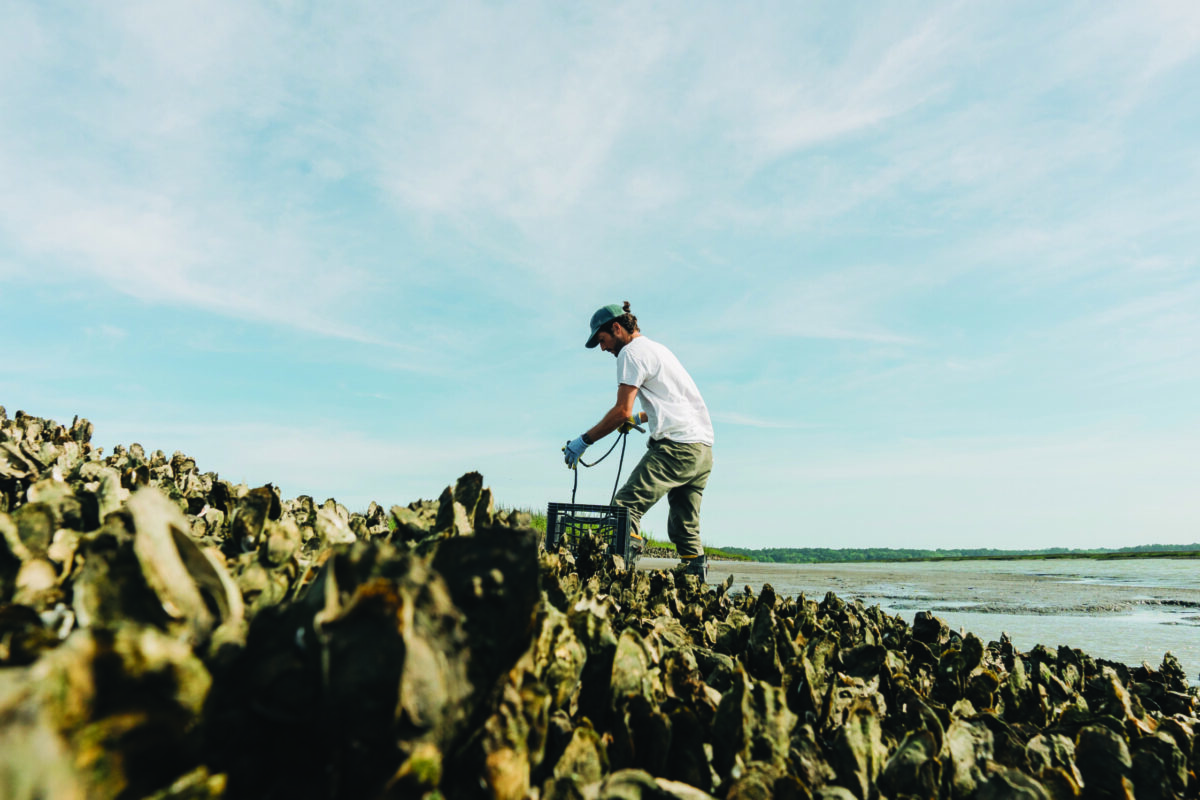
A culinary tradition in South Carolina’s Lowcountry, oyster roasts are typically held from October to March, but roasting oysters dates much farther back. Native Americans created shell mounds all along the Lowcountry coast, evidence that oysters have been cooked over fire and eaten for long before it was even called Lowcountry, and mounds of oyster shells dating back thousands of years have been found at Palmetto Bluff—proving that oyster roasts are nothing new in this region.

Living in the Lowcountry of South Carolina, you’ve probably attended your fair share of oyster roasts and may even have a good idea what’s needed to host one. Hosting an oyster roast not only gives us an excuse to consume briny bivalves in vast quantities, but also it allows us to share the distinct merroir and cultural traditions of the Lowcountry with friends and family—one shell at a time.
With fall here and oyster season upon us, we’re here with everything you need to know to ensure a successful oyster roast.
Before You Roast
While it might seem a daunting task, you really only need a few items to host your own oyster roast. From cooking to shucking to eating, here’s what you’ll need for the perfect Lowcountry oyster roast.
Cooking Materials
To roast your oysters, you’ll need to construct a roasting area. For this, you will need:
Firewood
4 cinder blocks
1 large sheet of steel, either 4 feet square or 4-by-6-feet (at least 1/4-inch thick)
Burlap sacks to layer across the metal sheet (thick beach towels will also work)
5-gallon bucket of water (to soak the burlap)
Square-point metal shovel
Oysters
It can be difficult to determine how many oysters to provide, because oysters come in different sizes, configurations, and price points. We usually figure a bushel (about 50 pounds) for every five people. You can also ask your local seafood purveyor for their recommendation.
If you’re not harvesting your own oysters, local seafood and meat markets, farmers markets, and large grocers are good places to find oysters. Tip: make sure you plan in advance. Call at least a couple of weeks before your roast and find out how much time they need. When it’s time to pick up your oysters, make sure you bring a cooler.
An Outdoor Table
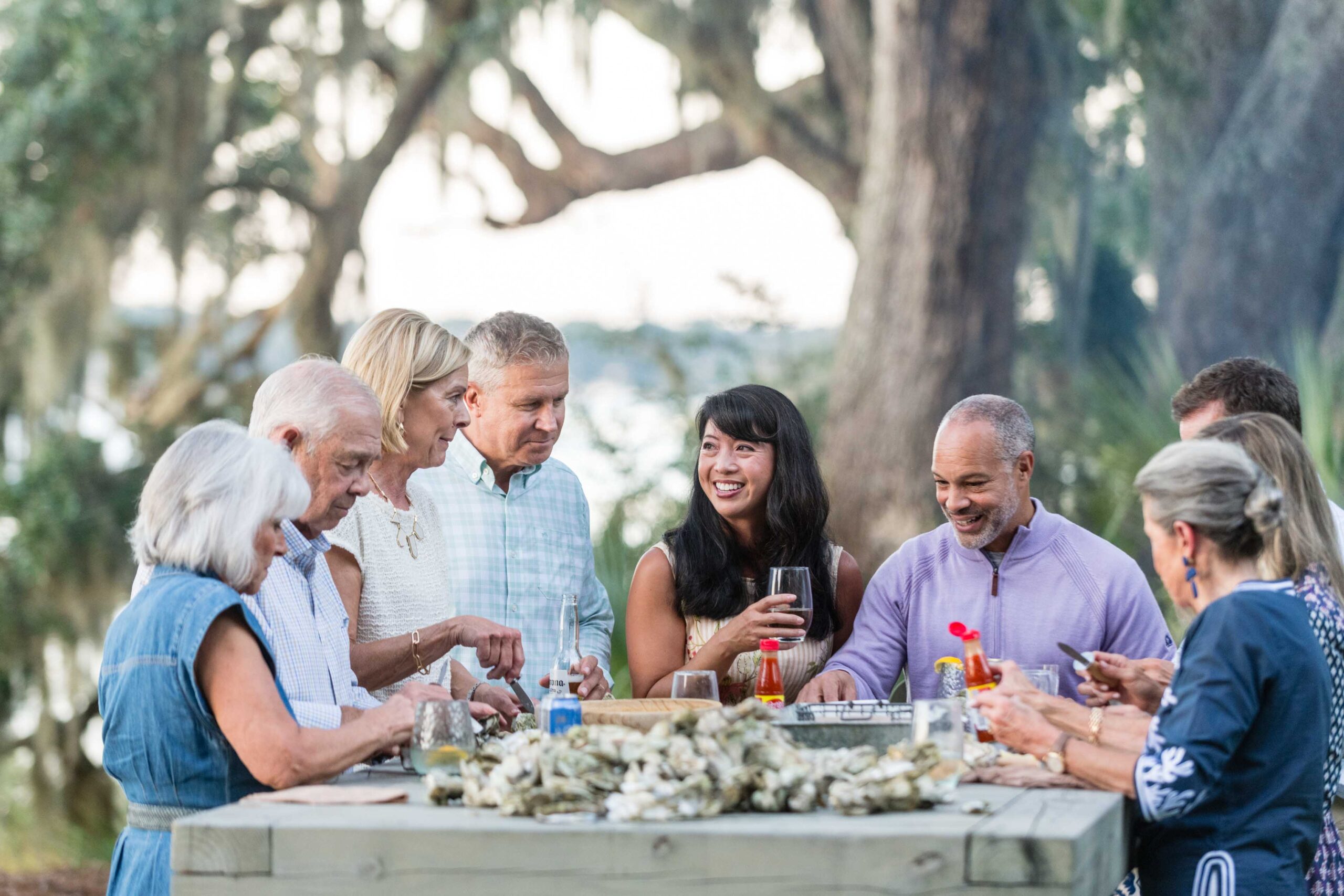
A traditional Lowcountry oyster roast takes place outside, so a long table, preferably bar or counter height, is perfect for allowing people to gather around and shuck oysters. On top of the table should be several oyster knives, gloves, paper towels, and accoutrements. In a pinch? An inexpensive solution is to top two sawhorses with a sheet of plywood.

Trash Can
Place a trash can lined with a heavy-duty plastic trash bag nearby the table to dispose of the spent shells.
Oyster Knives
Living in the Lowcountry, it’s safe to assume that many of your fellow oyster connoisseurs have their own oyster knives, so encourage seasoned shuckers to BYOOK (Bring Your Own Oyster Knife)! However, you should also provide several additional oyster knives for any guests who don’t have their own.
Gloves
Oyster shucking gloves aren’t a fashion accessory, but wearing them is the only real way to protect yourself while you shuck. Make sure you have several pairs of heavy gloves (thick, cotton-lined rubber gloves are best) for your guests.
Accoutrements
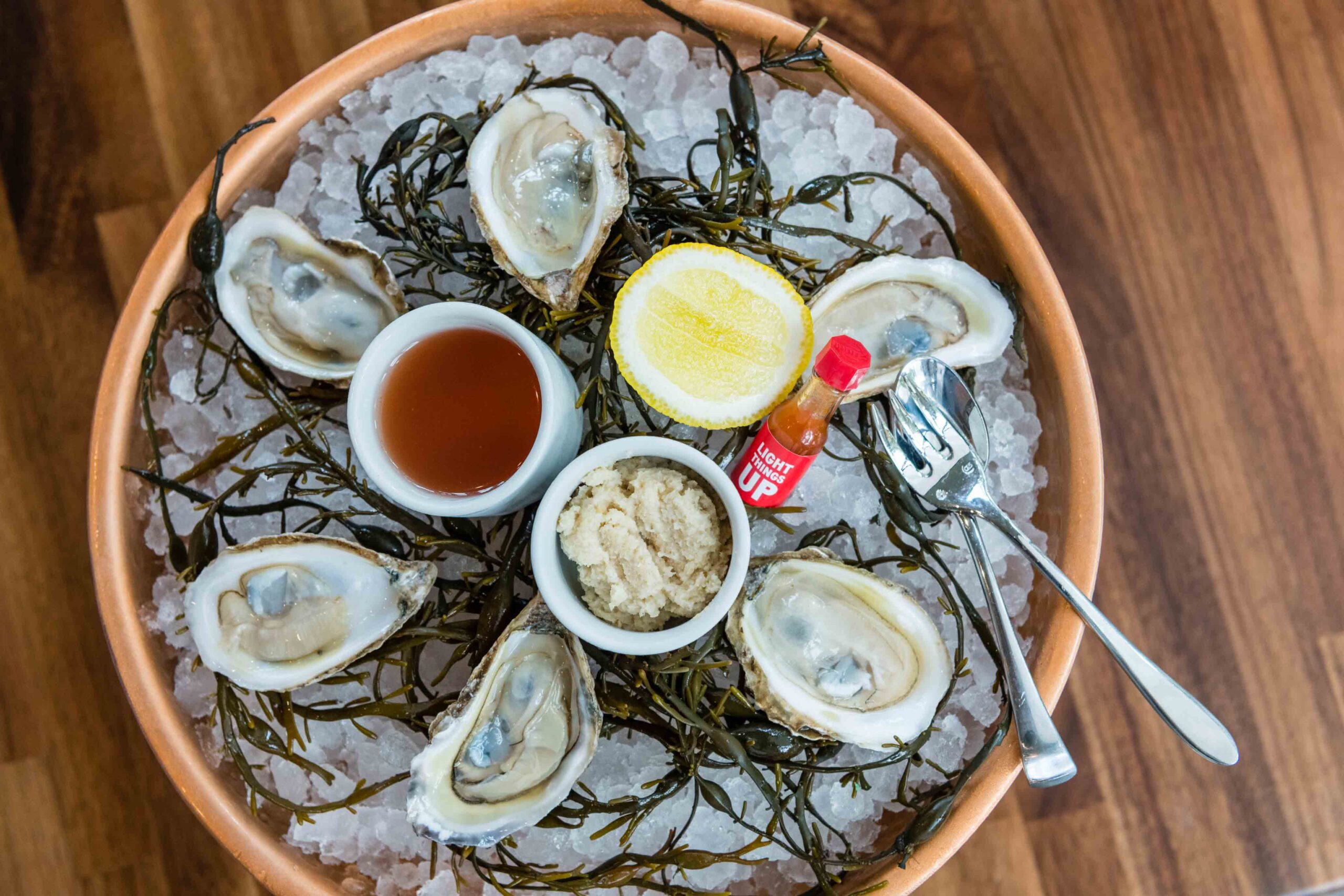
Classic roasted oysters are the main event; however, hot sauce, lemons, cocktail sauce, and saltine crackers are traditional staples guests enjoy.

Preparing to Roast
One of the biggest mistakes people make is forgetting to clean their oysters. Oysters from a purveyor or seafood store have more than likely already been washed, but if you’re lucky enough to have oysters that you harvested yourself, make sure you wash them off with a hose. You should also be sure to keep an eye out for open, dry, or sand-filled oysters.

Contrary to its name, the traditional way to “roast” oysters is actually to steam them over a fire. Before you start roasting, you’ll need to create a clear, level area on the ground large enough for your metal sheet—this will be your roasting area. Place the cinder blocks upright so that they form the corners of a rectangle to support the metal sheet. Place the metal on top of the cinder blocks and test it to make sure it’s secure.
Remove the metal sheet and build a fire appropriate for the size of your sheet metal. As the flames begin to die down, place the metal sheet back on the cinder blocks and put the burlap bags in the bucket of water to soak.
Time to Roast
The guests have arrived, your table is set with tools and accoutrements, you’ve got your roasting area ready, and you’ve got your oysters….now it’s time to roast!
You’re ready to start roasting when a handful of water tossed on the metal sizzles. Place two to three shovels of oysters in a single layer on the metal sheet and cover them with the soaking wet burlap. (Hello, steam!)
How long to cook the oysters is up to you, but a simple rule of thumb is to remove the oysters when some of them begin to open (about ¼ to ½ inch). A good place to start is 8-10 minutes, but experiment with your steaming time and figure out how well-done you like yours. Just keep in mind that the wider they crack open, the less juicy they will be. Since the oyster’s flavorful liquor is one of its most hallowed qualities, it’s important not to overcook them.
Next, remove the burlap and return it to the water bucket to soak for the next round. Transfer the oysters with a clean shovel to the table for shucking. Allow the metal to reheat and then repeat the procedure until all of the oysters have been steamed—making sure you add more wood as needed.
Shuck Yeah…Time to Eat
Wearing gloves, pry open the oysters by sliding an oyster knife into the small opening—popping open the oyster. Run the knife under the oyster meat to release it, discarding the empty half shells. Enjoy naked or top with one of the provided accoutrements!

Note: before discarding the oyster shells after your roast, check to see if there is an oyster shell recycling program available. Oyster shells are the best way to replenish the dwindling oyster beds along our coastlines, and many communities, particularly in the Lowcountry, have programs. The South Carolina Department of Natural Resources oversees the South Carolina Oyster Restoration and Enhancement (SCORE) program, which obtains oyster shells from citizens through shell drop-off centers, then quarantines and recycles them through the creation of new reefs.
To learn more about SCORE, visit score.dnr.sc.gov.