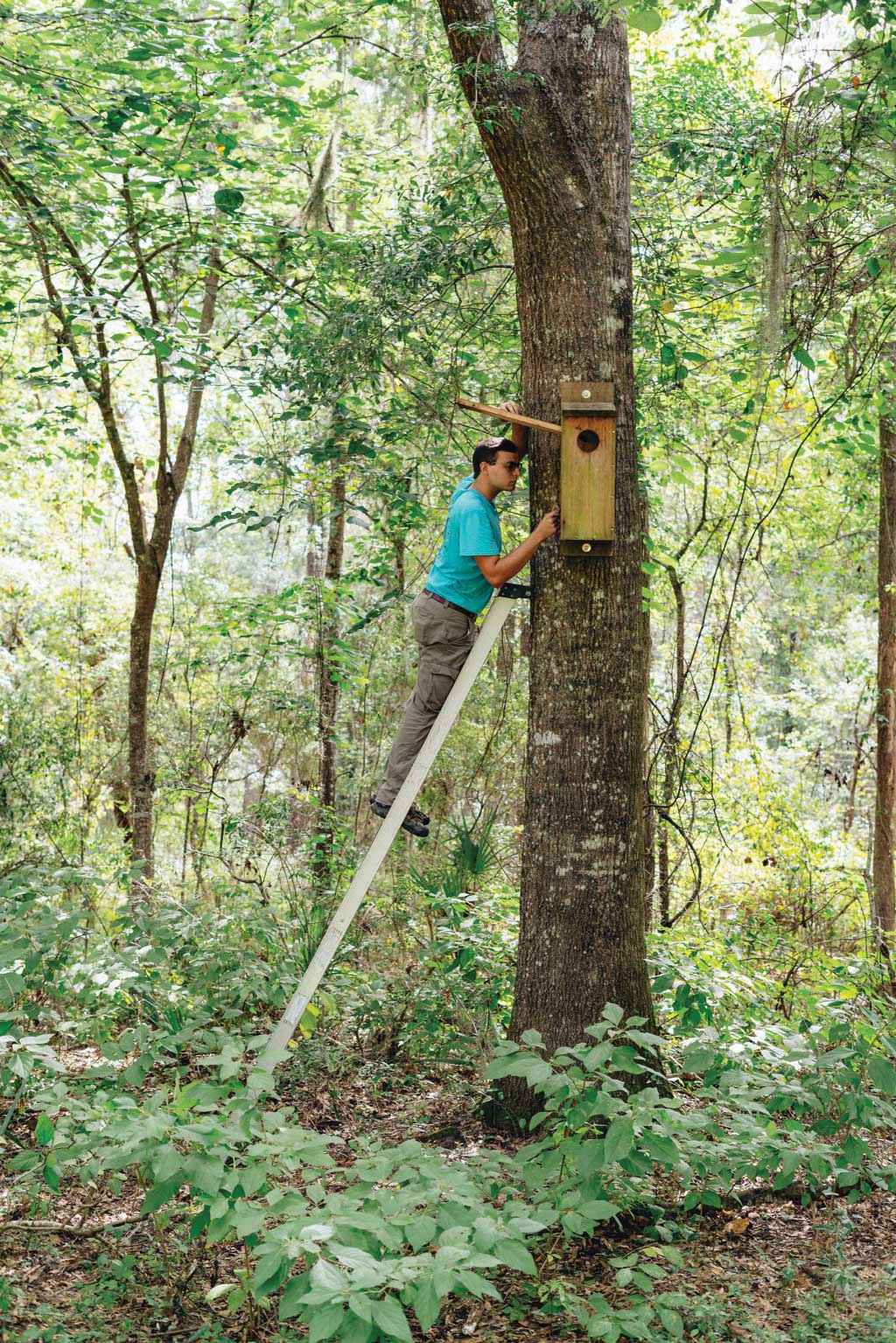
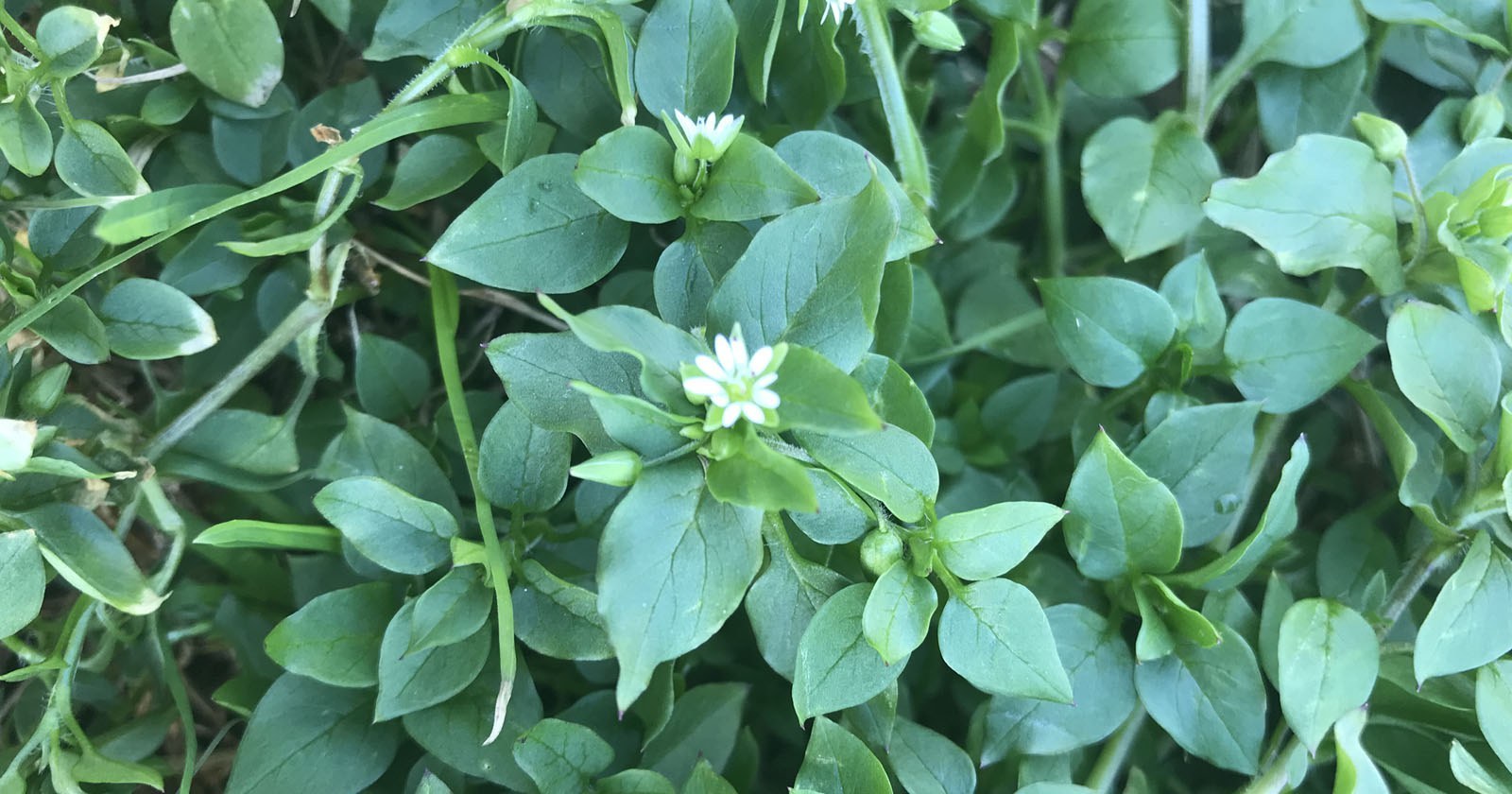
Spring is all about new growth – like the flowers we found blooming out in the field and the baby bluebirds we discovered in our birdbox last week. It’s also the time when the summer food plots that Jay and the Conservancy team planted start to sprout. As land managers, it’s important not just to plant these summer food plots, but also to monitor the growth and the amount of grazing pressure that is occurring. As any of our food plots begin to grow (summer or fall), the amount of deer browse can be difficult to judge. This is where an exclusion device comes in.
What is an exclusion device?
We’ll let Justin explain more in the video below, but generally speaking, an exclusion device is used to block any deer or other animal from eating the plants. Dimensions vary but the device acts as a control – showing what the crop would look like if there were no deer to graze on the plants. The plants outside of the device will be eaten naturally.
Why is it important to have?
The practice of using exclusion devices is popular among land managers as it allows us to gain insight into the amount of plant productivity and grazing pressure within our food plots.
And here is a short video of what an established winter food plot looks like.
But wait! There’s more! What is that fence around food plot? If we want to provide a nutritional buffet for the wildlife at the Bluff, why are we roping off what we just planted? We’ll let Big Jay explain more in the video below…
Spring is a busy time at the Bluff – especially for the Conservancy team. Stay tuned for more videos of what the team is currently working on out in the field.

Inside Bramble Park: Palmetto Bluff’s Newest Neighborhood in Moreland Forest Neighborhoods in Palmetto Bluff feel less like new additions and more like places that have always been there, waiting to be discovered. Bramble Park is the latest community to take...

Palmetto Bluff Restaurants: A Guide to Summer Dining Dining at Palmetto Bluff offers a range of options from small cafes to fine dining. From a coffee run at Canteen in Moreland Village to a sunset dinner at Canoe Club overlooking the May River, each restaur...
Exploring the South Carolina Waterways of Palmetto Bluff Water surrounds Palmetto Bluff on three sides. The May River wraps the north and northeast, while the Cooper River runs along the east and southeast, and the New River borders the south and southwest. A...
At Palmetto Bluff, some of childhood's best moments begin outside. Days are measured by muddy shoes, saltwater adventures, and the excitement of discovering something new just beyond the next trail.That spirit is at the heart of PBGO (Palmetto Bluff Growing Ou...
This simple tomato and ricotta tart recipe from Palmetto Bluff Club Executive Chef Beth Cosgrove is the perfect summertime dish for your next gathering. The flaky puff pastry crust is topped with a creamy ricotta mixture along with fresh herbs and sun-ripe...
Timeless Lowcountry architecture has always been defined by its connection to the landscape. Wide porches invite conversation and capture cool coastal breezes, while natural materials and sunlight filled interiors blur the line between indoors and out. As life...
This August, Savannah-based painter Hampton Watts will join us at the Bluff to share his contemporary Southern art celebrating the landscapes, traditions, and enduring spirit of the South. Drawing inspiration from generations of Southern heritage, Hampton c...
From weekly harvests to farmers markets and seasonal dinners, The Farm plays a central role in Palmetto Bluff’s culinary program. Story by Joanny Palsson | Photographs by Summer Pagatpatan Most mornings at Palmetto Bluff begin at sunrise, before the kitche...
Palmetto Bluff Real Estate: 20 Butterweed Road, Moreland Forest Moreland Forest sits a short walk or ride from Moreland Village and Crossroads, Palmetto Bluff’s nine-hole reversible course. Moreland Forest centers around an intricate trail system and an ...
Palmetto Bluff Golf: A Pro’s View of Anson Point Anson Point doesn’t look as if it were man-made. The rolling dunes and sandy areas look as though they settled into the Lowcountry on their own, and the fairways follow the ground rather than fighting it. Thi...