Written by Palmetto Bluff
Oct 05, 2021
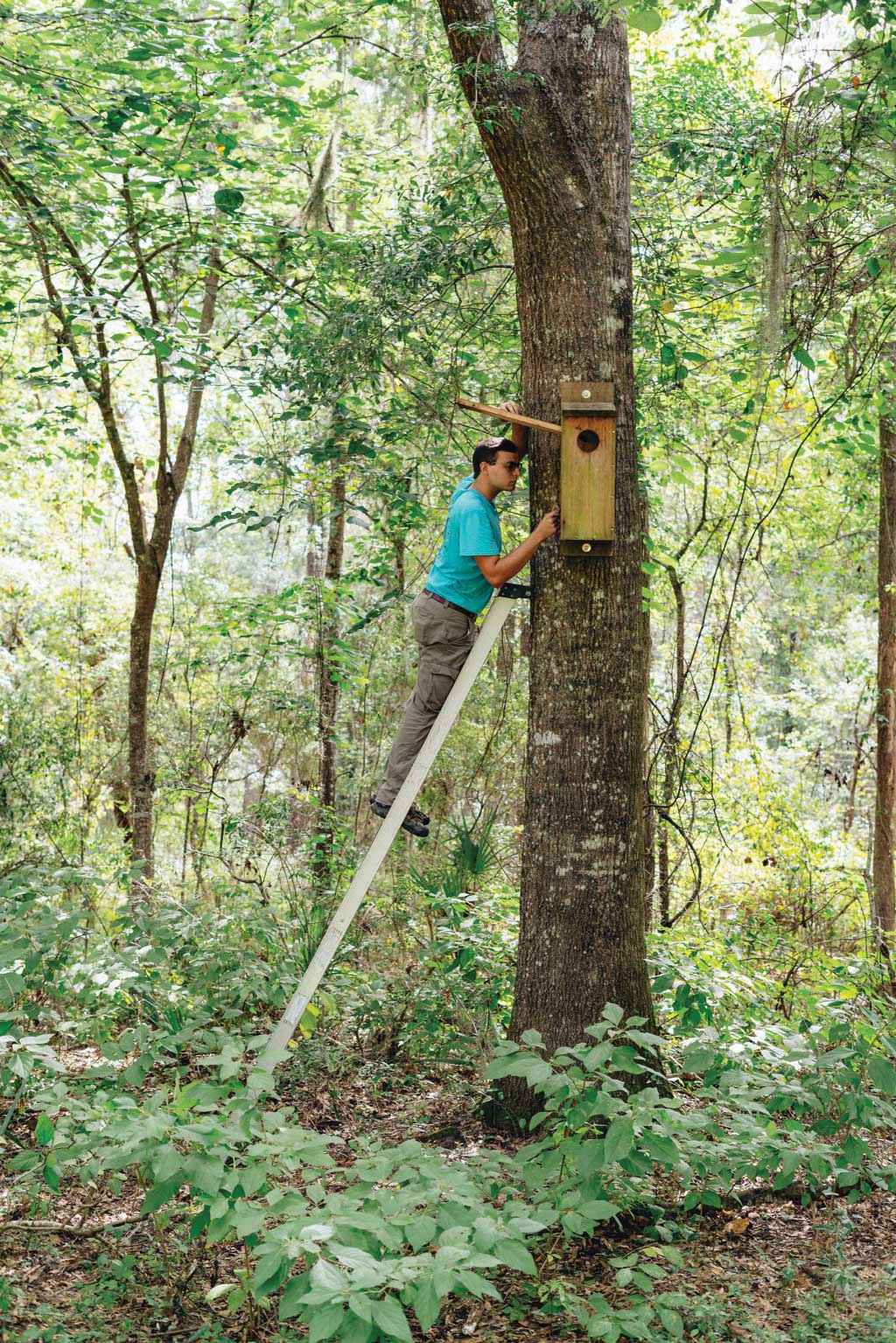
September was an exciting month for me for four reasons: the fall migration began, PBC Birding started back up, the Winter Finch Forecast came out, and the black-bellied whistling-ducks hatched! We checked in on the whistling-ducks during the September cavity nest box survey, which had no other bird-related activity. As I mentioned in last month’s Eye to the Sky, we placed two cameras around the tree they were using in hopes of capturing footage of the ducklings leaving the box.

We only obtained two photos of the adults, but it was still exciting nonetheless! When we peeked inside the nest box, we found five unhatched eggs and pieces of shell from the eggs that hatched. Finding unhatched eggs in a bird’s nest is not unusual. I have personally observed unhatched eggs while checking bluebird boxes, especially near the end of the nesting season, but I am unsure if there is any correlation there. Regardless, we can consider the whistling-ducks to have successfully fledged some ducklings! The cavity nest boxes will most likely be absent of bird activity until late November or mid-December when the eastern screech-owls begin roosting in the boxes again.

September was the official start of the fall migration and some of the anticipated migrants appeared at Palmetto Bluff. Pied-billed grebes made their first appearance in late September on the Inland Waterway, and they should begin popping up more frequently over the next few weeks.

The black-throated blue warblers stayed true to their seasonal arrival as a handful of female birds were spotted in River Road Preserve. American redstarts were also seen flitting about the oak and hickory leaves in the Preserve. Meanwhile, ovenbirds were seen darting through the brush of River Road Preserve and Headwaters Nature Trail. The aforementioned birds are not out of the ordinary for this time of year, but they are unique species worth mentioning. Often, species that appear outside of their range or early in the season are what we consider unusual. An example of this was a sighting of a ruby-crowned kinglet in mid-September. They are a common species during the winter, but they typically arrive in mid-October.
During the Conservancy’s September 23rd bird walk, white-eyed vireos made quite a racket! Their boisterous calls were likely telling the influx of new birds to stay out of their turf. Above the noisy vireos, foraging flocks of chickadees and titmice were heard and seen moving through the canopy. I always recommend stopping and watching these flocks as they meander through. These groups often contain a mix of common species seen throughout the year, but sometimes a unique migratory bird may be hiding among the common species. In fact, this was how we documented the first chestnut-sided warbler at Palmetto Bluff back in 2020!


Lastly, I will wrap up September by talking about the Winter Finch Forecast. This forecast is a collaboration of multiple people and organizations in the northern United States and Canada looking at boreal bird activity and cone crop production of northern conifers. This information is used, alongside wildfire activity and beetle infestations, to form a general idea of what boreal bird activity will look like for the winter. A year with poor cone crop production usually indicates an irruption year, which is when many of the boreal species move farther south in search of food. The first Winter Finch Forecast went out at the end of September and gave a basic overview of what to expect for each species. According to their first post, it sounds like we will not see an irruption this year. While the first forecast did not cover American goldfinches, the purple finches were the only mentioned species that may make a good showing in Beaufort County during the 2021-2022 winter.
Soaring into October, keep an eye out for the stark white heads of our nation’s national symbol, the bald eagle. Bald eagles, while a year-round resident, become more prevalent in early October as individuals that left during the summer return to their breeding grounds. Eagles use the same nest every year and continue to add on to the structure. These annual additions can result in gargantuan nests; the record bald eagle nest being 9.5 ft in diameter, 20 feet deep, and weighing close to 6,000 pounds!

Southern eagles tend to start earlier than their northern relatives with some individuals laying eggs as early as November, compared to February for northern populations. I often have great luck spotting eagles around Lake Bales in Moreland Village or Longfield Stables, but you may actually hear more eagles than you would expect. Listen out for their whiny call, which may not be the nicest way to describe it, but it is more accurate than what is commonly known from TV and movies. Most of the “eagles” we hear in media are actually the calls of red-tailed hawks, which sound more majestic than the true eagle sounds.

We can expect to see more migratory birds passing through Palmetto Bluff this month. The peak of the fall migration occurs in October with most species being on the move at this point. There is the exception of waterfowl and the boreal birds mentioned in the finch forecast, but we will talk about them in the November Eye to the Sky!


A common warbler that will arrive in October is the yellow-rumped warbler, which has the best colloquial name of all… butter butts! As both names suggest, they have a yellow patch of feathers at the base of their tail, or rump, and this feature is present in their breeding and winter plumage. Now is a good time to make note of which wax myrtles around the Bluff have a ton of berries on them, as yellow-rumped warblers are one of the main avian consumers of this fruit. They can digest up to 80% of the wax content of the berries, and you will sometimes see the shrubs “come alive” from all of the butter butt activity.

The yellow-bellied sapsuckers, another fun name to say, also arrive in October. Sapsuckers are a species of woodpecker that feed heavily on the sap of trees, creating wells in the bark that allow sap to ooze to the surface and be consumed. Something to note with sapsuckers is the main trees they target are usually damaged or weakened from another cause, though they do love sweetgums due to the excessive sap they produce. To find these birds by sound, listen out for their nasally meows from up high compared to the harsh meows of gray catbirds hiding in the brush below.

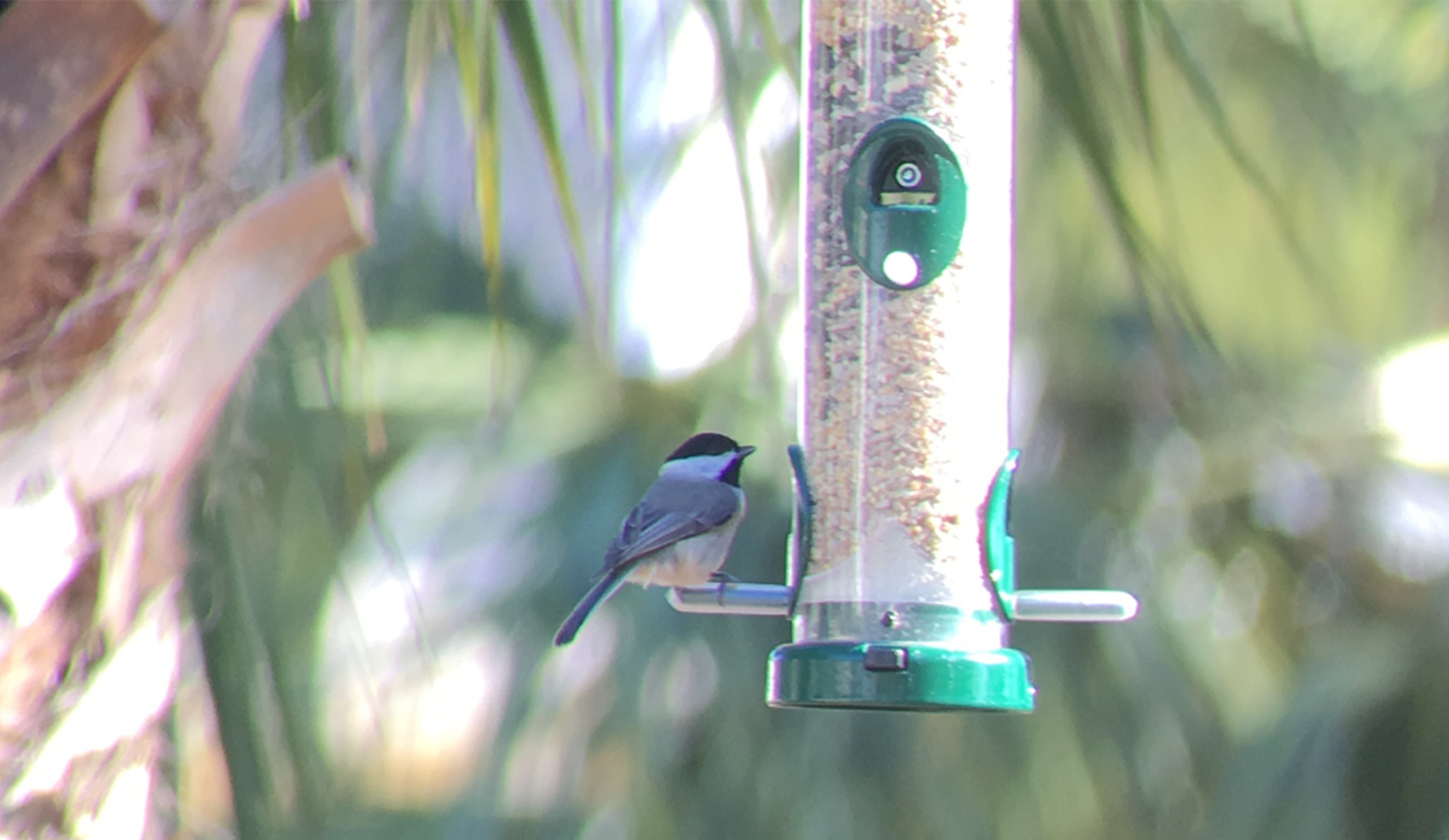
Nasally meow and harsh meow… really Aaron? Yes, really! Bird songs and calls come in a slew of chirps, chips, peeps, meows, whines, screams, trills, and other wild sounds. I always equate learning the diversity of bird vocalizations to learning a second language, and, just like when you learn a second language, if you don’t use it, you lose it. Every year I have to refresh my memory on the sounds of seasonal species, and I will be the first to admit that I have been stumped by birds that I was able to easily identify 6 months prior all because I had forgotten their sounds. Some people find identifying birds by sound to be overwhelming and for those who have asked for advice, my response is always this: master the songs and calls of northern cardinals, Carolina chickadees, tufted titmice, and Carolina wrens. These four species are some of the most common birds that you will hear and see in your backyard and along nature trails in Bluffton and Hilton Head. All four of them have a slew of vocalizations with some even sounding similar to each other. These are also some of the more vocal species, which means the less time you spend trying to identify them, the more time you can focus on the unique migratory birds moving about the woods this fall.
The fall migration has officially begun, and we hope you have a lot of luck spotting migratory warblers! If you see or photograph something you wish to share, you can submit your sightings to Aaron Palmieri at apalmieri@pbconservancy.org and they may appear in next month’s update.
September’s Unique Sightings:
September Contributors:
Brian Byrne