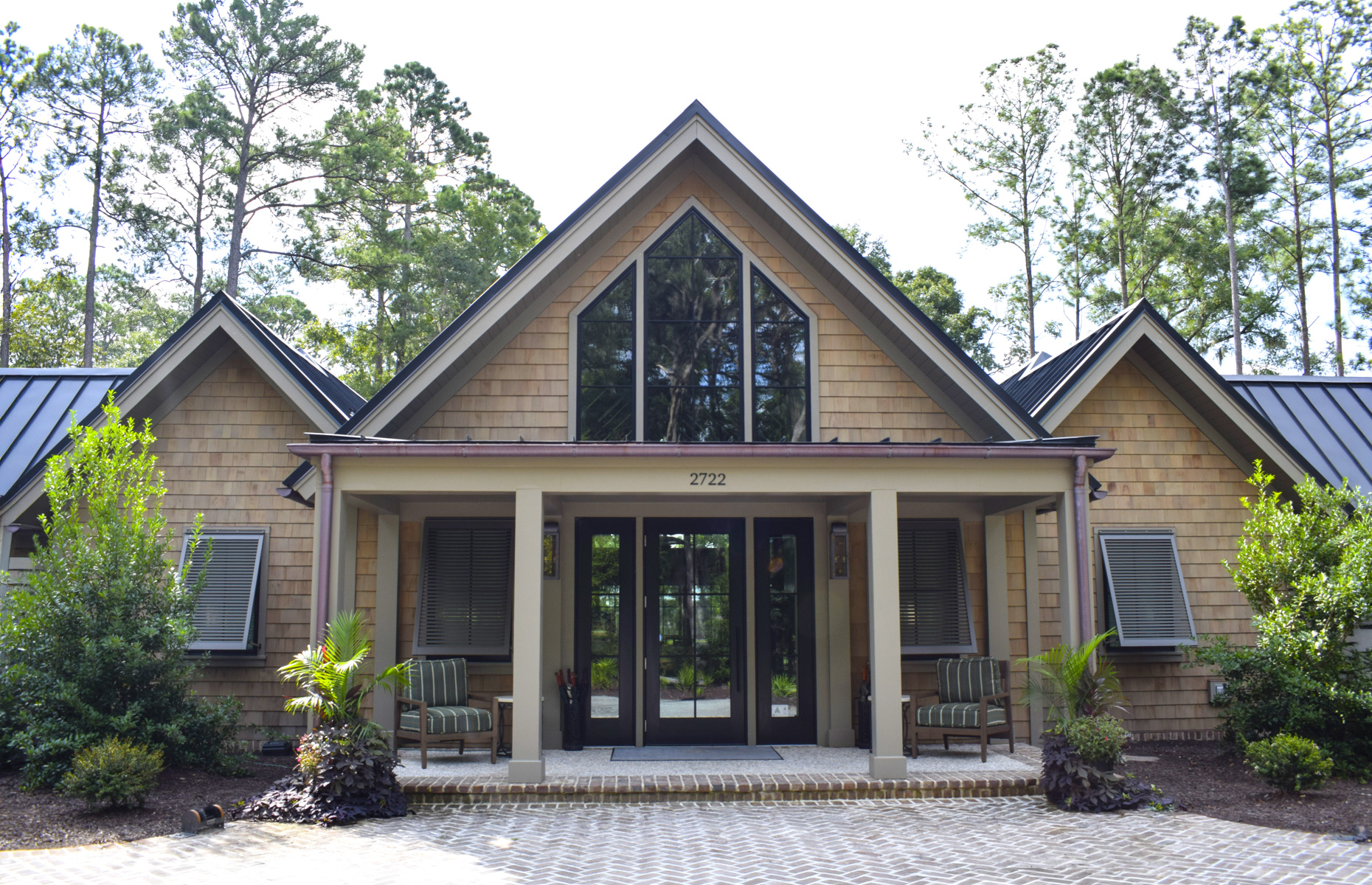
Palmetto Bluff Real Estate Company Sales Office
Office Hours
Monday-Friday 9am - 5pm
Saturday 9am - 4pm
Sunday 12 - 4pm
Saturday 9am - 4pm
Sunday 12 - 4pm
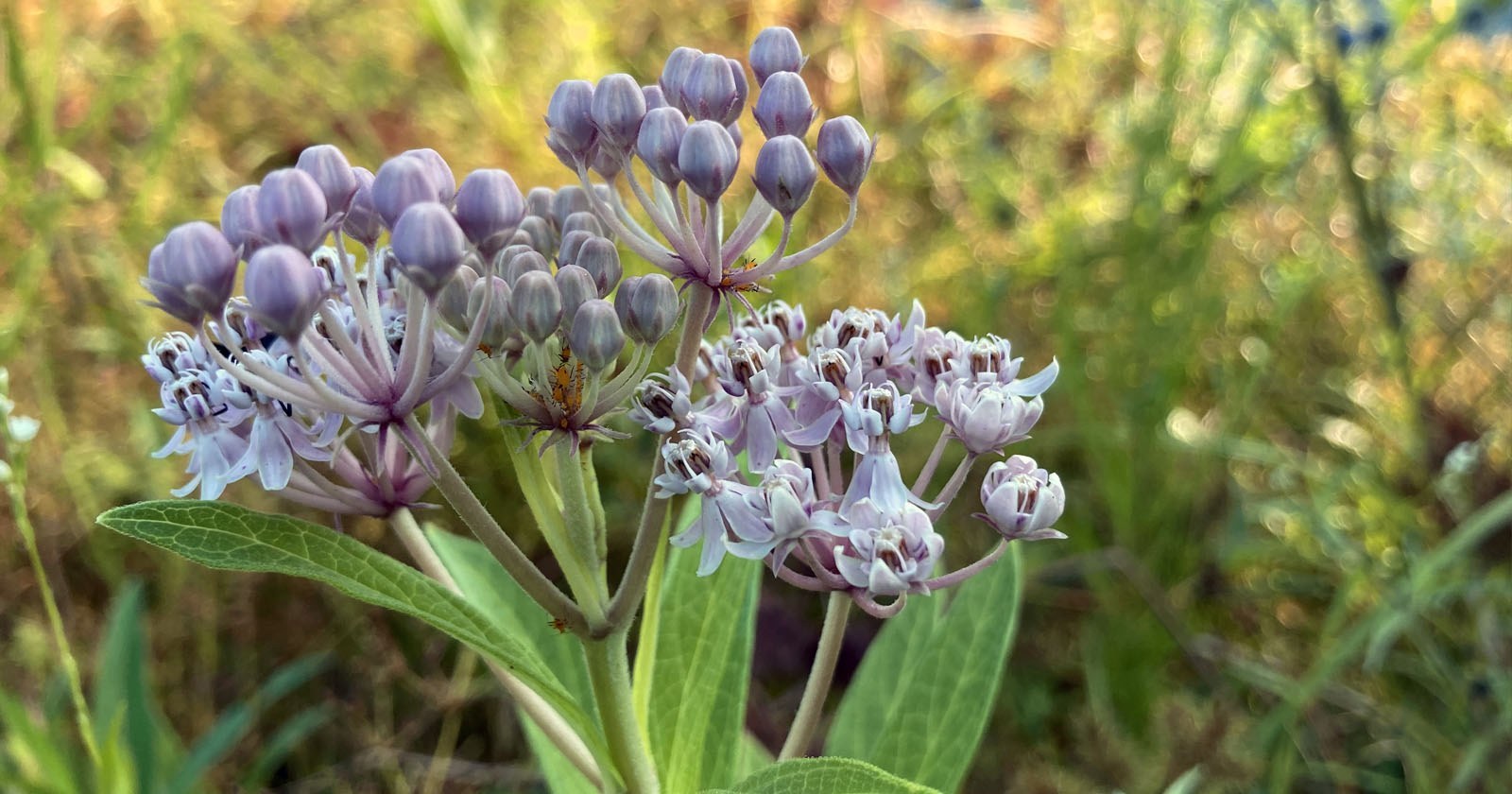
Beaufort County is home to roughly a dozen species of milkweed, three of which have been documented growing wild at Palmetto Bluff.
The genus Asclepias earned the common name “milkweed” from the sticky, milky-white substance that is excreted from broken parts of the plant. This substance is toxic if ingested by people and dogs, but monarch butterfly caterpillars have adapted to consume the leaves and toxins found within this plant. In return, their diet makes the young monarchs unpalatable to birds and other predators. However, monarch populations have been in decline, as a result of a loss of habitat and loss of milkweed. This downward trend in monarch sightings and the joy people experience from watching them flit around the garden has inspired many homeowners to plant milkweed in their flower beds. This unique addition to the garden provides food for both the caterpillars and the adults.
The efforts to attract monarchs and help their population has increased the availability of some species of milkweed at local nurseries. Butterfly milkweed (Asclepias tuberosa) is one of the most common species sold in the Southeast, while common milkweed (Asclepias syriaca) is more prominent in northern plant nurseries. Other species commonly sold at nurseries include whorled milkweed (Asclepias verticillata) and swamp milkweed (Asclepias incarnata).
There is one more species of milkweed that has become commonplace at nurseries, and it is known as tropical milkweed or blood flower (Asclepias curassavica). This species, native to Central and South America, has become highly popular in North America due to its more evergreen behavior and ease of cultivation. However, this has been connected with an increase in monarchs becoming non-migratory and staying year-round in places with an abundance of tropical milkweed. It has also been linked to some monarch pathogens becoming more prevalent as the pathogens would typically die back with the plants in winter, but this is not the case with tropical milkweed. The easiest and best solution is to plant native species, as these plants will die back close to winter, killing the pathogens along with them, and the monarchs will be more inclined to migrate.
Residents of Beaufort County may be interested in planting any of the following native species of milkweed:
• Aquatic Milkweed (Asclepias perennis)
• Butterfly Milkweed (Asclepias tuberosa) – documented at Palmetto Bluff
• Carolina Milkweed (Asclepias cinerea)
• Clasping Milkweed (Asclepias amplexicaulis) – documented at Palmetto Bluff
• Fewflower Milkweed (Asclepias lanceolata)
• Longleaf Milkweed (Asclepias longifolia)
• Michaux’s Milkweed (Asclepias michauxii)
• Pineland Milkweed (Asclepias obovata)
• Pinewoods Milkweed (Asclepias humistrata) – documented at Palmetto Bluff
• Savannah Milkweed (Asclepias pedicellata)
• Swamp Milkweed (Asclepias incarnata)
• Whorled Milkweed (Asclepias verticillata)
%GALLERY%
Must-Do 2025 Holiday Events in the Lowcountry There’s no better way to embrace the magic of the holidays than spending them in the heart of the Lowcountry. With its sparkling waterways, moss-draped oaks, and warm coastal charm, Palmetto Bluff transforms into ...
Rebecca’s Journey to Palmetto Bluff For Rebecca McCorkendale, life on the water isn’t just a career—it’s a calling that runs through generations. Growing up on Hog Island, nestled between Hilton Head and Bluffton, Rebecca was raised with salt air in her lungs...
Headwaters Community in Palmetto Bluff Tucked deep within Palmetto Bluff’s untouched maritime forest, Headwaters stands apart as the community’s most private and pristine enclave. With just ten family compounds spread across more than 600 acres of scenic mars...
The golden glow of the marshes, the crisp air, and the sense of calm after a busy summer season all make this time of year unforgettable. Whether you’re enjoying the Bluff or exploring the wider coastal region, here are five reasons why fall is when the Lowcou...
David's Journey to Palmetto BluffBorn and raised in Lewisburg, West Virginia, David Johnson’s career path began with a moment of chance. While studying Finance and Economics at Marshall University, he walked into the Greenbrier Sporting Club’s real estate offi...
Palmetto Bluff Club: Finding Your Perfect Fit Tucked into the heart of the Lowcountry, Palmetto Bluff is a place where life unfolds at its finest pace—unhurried, connected, and deeply rooted in community. Membership here goes beyond access to world-class...
4 Ways to Incorporate Coastal Fall Decor into Your Home in 2025 If you are planning to decorate your home for fall, you might feel limited to warm colors and chilly weather. But if you live on the coast, you can easily incorporate coastal fall décor into your...
Here in the Lowcountry, the Conservancy brings FeederWatch to life with guided sessions at the Conservancy’s bird feeders. Education and Outreach Manager Aaron Palmieri leads these gatherings, teaching attendees how to identify wintering species, choose the ri...
Chef Beth Cosgrove shares her favorite game day dip—with a Southern twist. Ingredients 2 cups cooked sea island red peas, crushed with a fork 1 recipe of pimento cheese dip (recipe below), room temperature 2 cups crème fraiche 1 cup fire-roast...
At Palmetto Bluff, newly built homes are more than residences—they are carefully crafted retreats offering the best of Lowcountry living. Palmetto Bluff Real Estate Co. Agent, Amanda Cutrer, shares the benefits of buying “new” in the Bluff. Builder Support ...
Learn about the Palmetto Bluff Conservancy and how we keep the vision of our land in place.
On land or water, there is an ever-evolving variety of activities.
We do not attempt to independently verify the currency, completeness, accuracy or authenticity of the data contained herein. All area measurements and calculations are approximate and should be independently verified. Data may be subject to transcription and transmission errors. Accordingly, the data is provided on an “as is” “as available” basis only and may not reflect all real estate activity in the market”. © [2023] REsides, Inc. All rights reserved. Certain information contained herein is derived from information, which is the licensed property of, and copyrighted by, REsides, Inc.