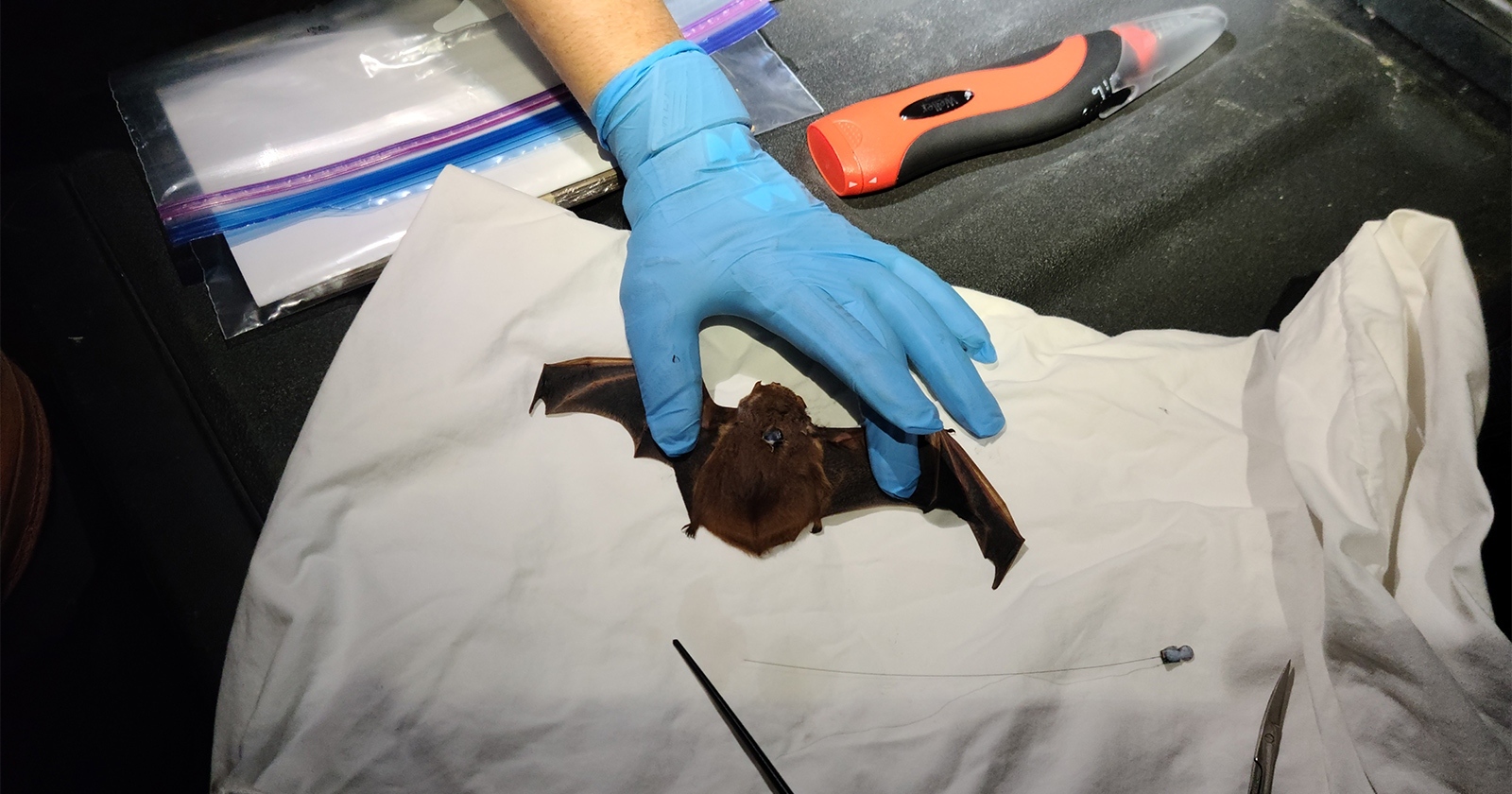
Bats are mysterious creatures of the night. Flying silently above our heads, they swoop and dive, snatching insects and eating them mid-air. Bats, misunderstood and unfairly feared, have an extraordinary ability to navigate through the dark. They silently scream echolocation calls into the night in a range above what we can hear. They are the only mammals that took to the skies, using a vertical, aerial landscape inaccessible to most nocturnal vertebrates. Their silent, nocturnal lifestyle makes us blind to their presence – they are all around us and we hardly notice them.

I have been studying bats for about a decade and I have been asked all sorts of questions over the years. Some of the most common queries I have encountered include:

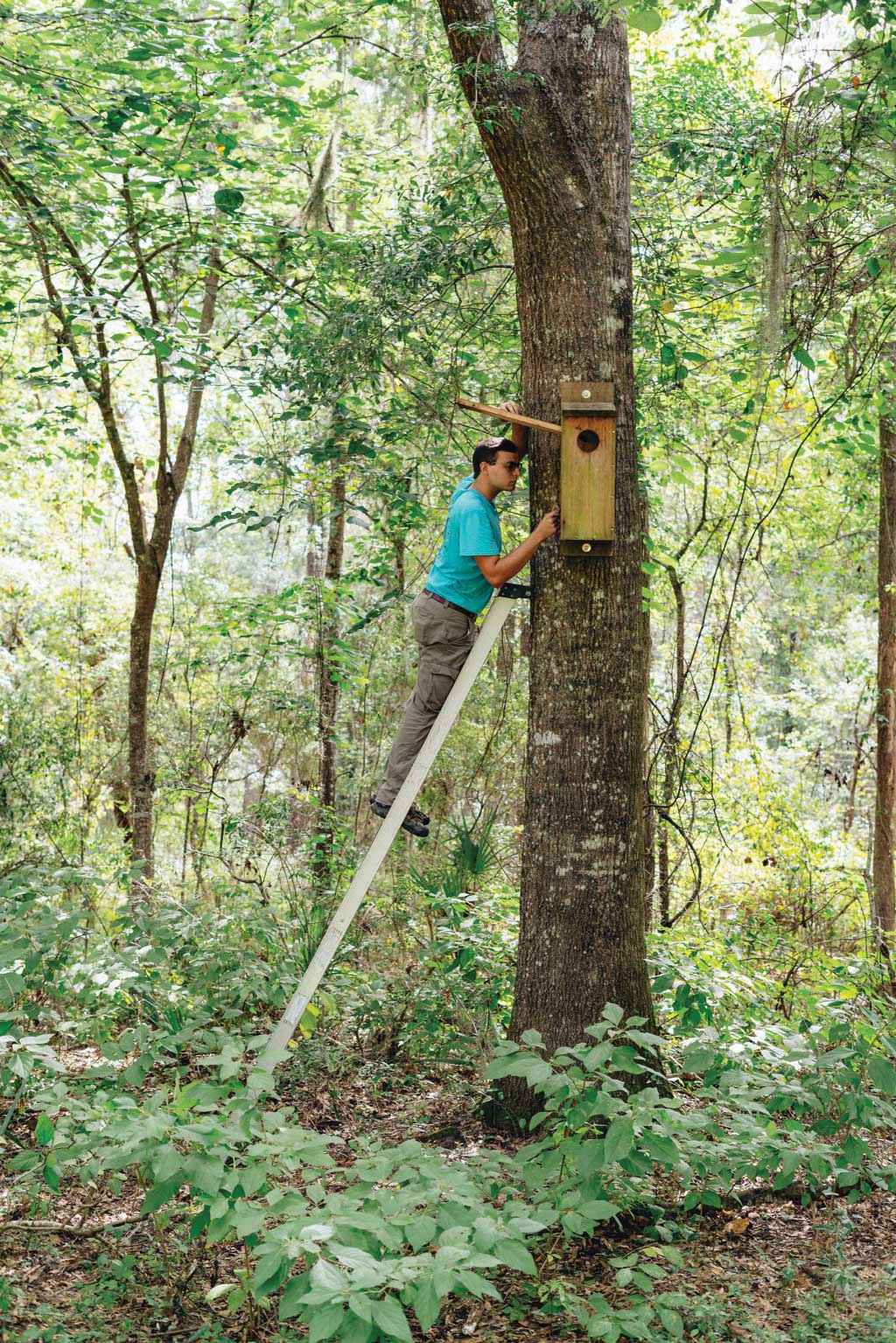
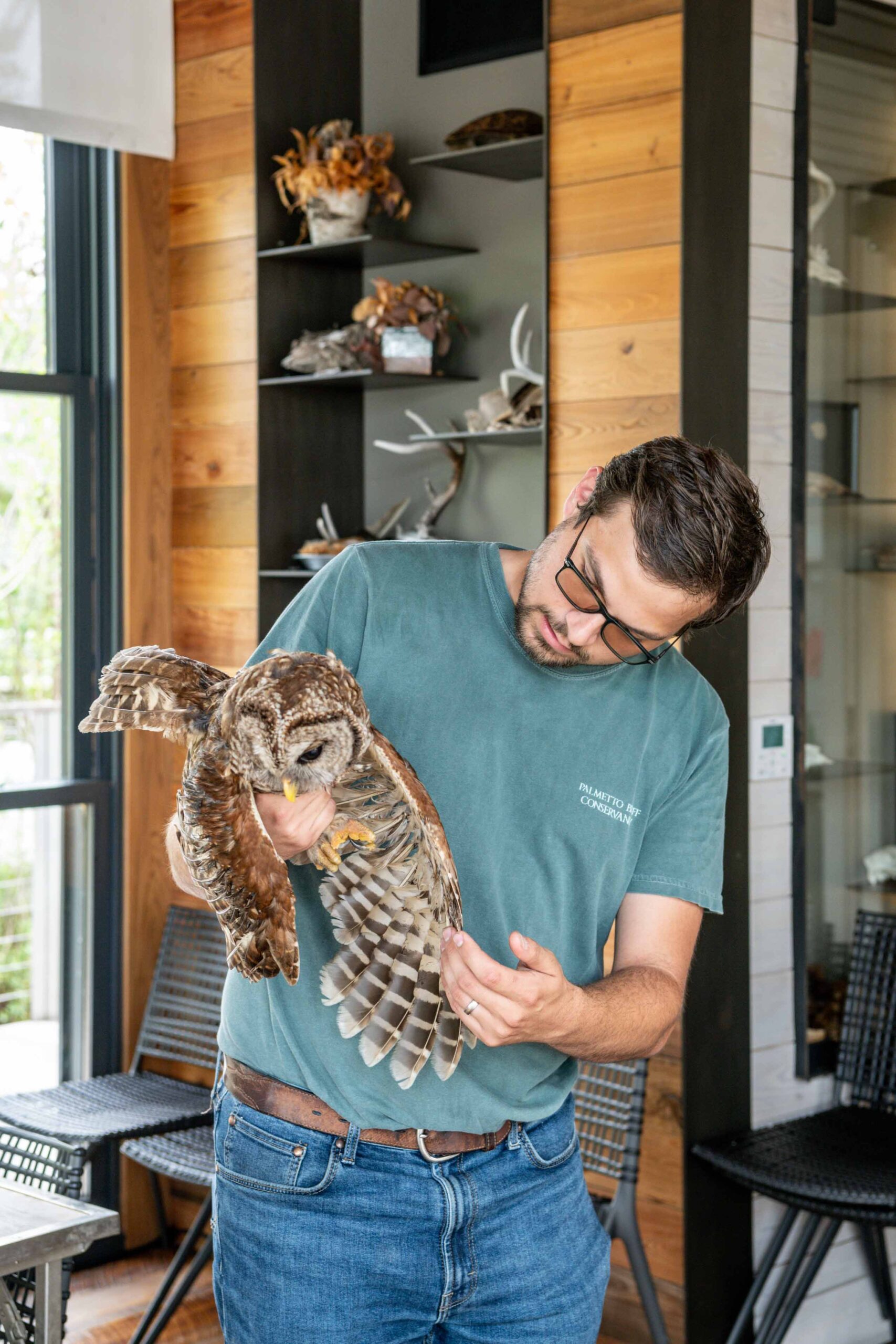
These frequently asked questions have made me realize that most of us are not well versed in the lives of bats. Unfortunately, what we usually hear about bats (if we hear anything at all) are negative stereotypes that promote fearmongering. Throughout this monthly series, we will learn what these mysterious creatures are really like. I will tell you all about bats, why they are important, and what we can do to protect them. Bats are a major focus of our research at Palmetto Bluff, and some of our monthly posts will be descriptions of our research projects or updates on what we captured during our last netting session. Some of these captures are not bats, so stay tuned for surprise guests!
I’m looking forward to embarking on this journey with you. Please email me at lmoore@pbconservancy.org
with any bat-related questions you have. I may even focus a future post on your question.
Up next month: busting myths about bats.
Story by Barry Kaufman Photographs by Anne Caufmann, Kelli Boyd, Corey Gibson, and Josh Gibson There have been numerous think pieces and articles that have celebrated Palmetto Bluff’s unique architecture. The way screened porches extend the living space ...
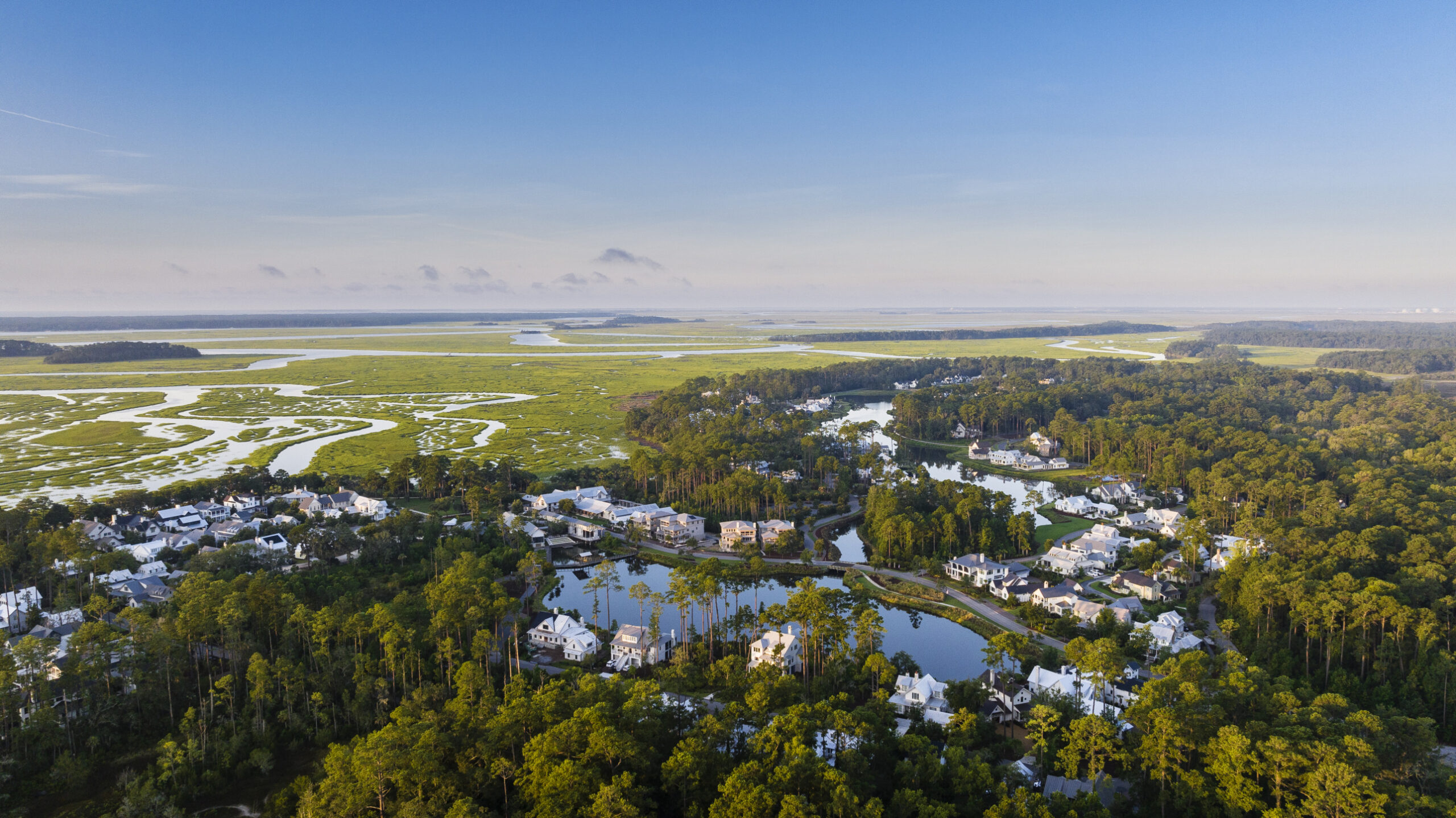
Inside Bramble Park: Palmetto Bluff’s Newest Neighborhood in Moreland Forest Neighborhoods in Palmetto Bluff feel less like new additions and more like places that have always been there, waiting to be discovered. Bramble Park is the latest community to take...
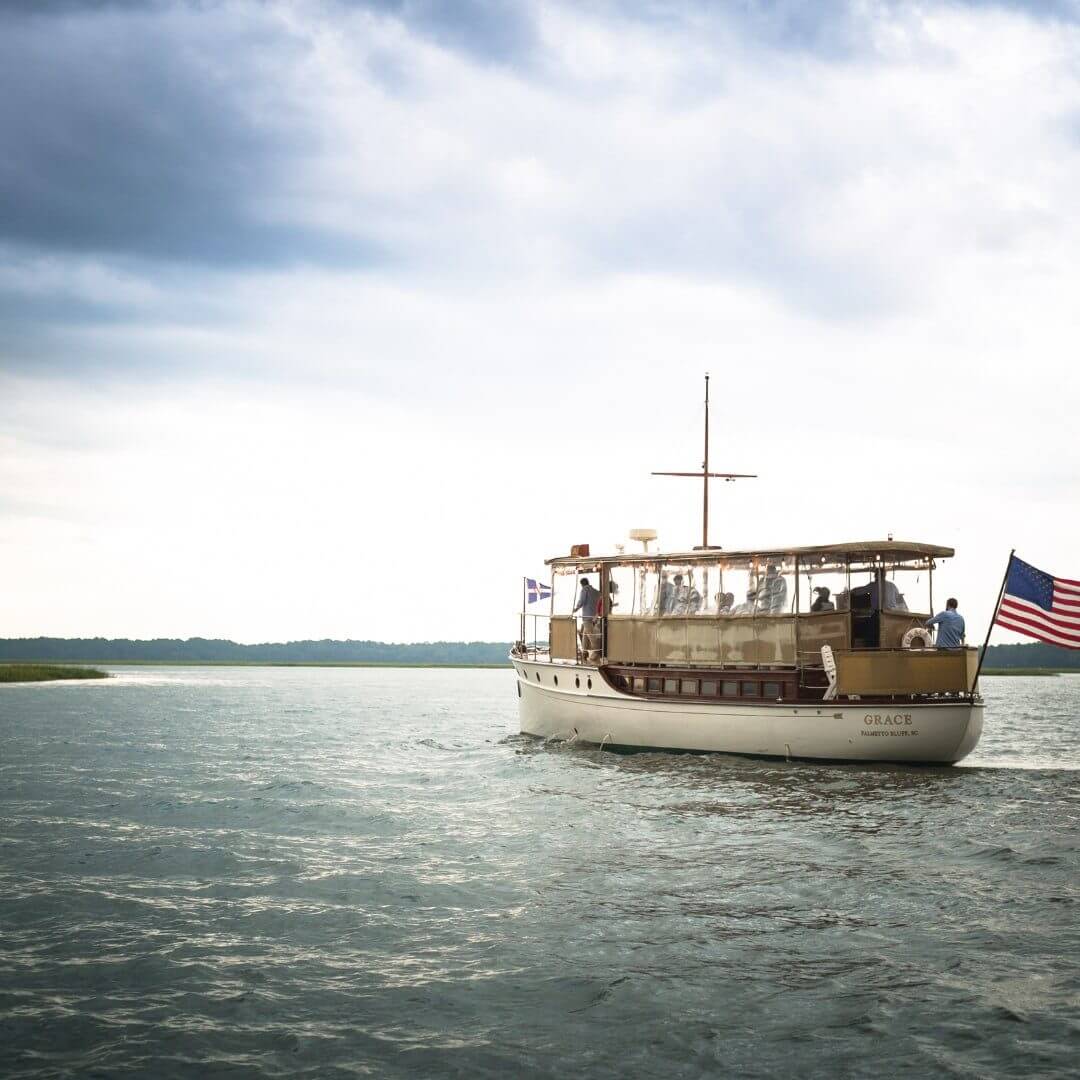
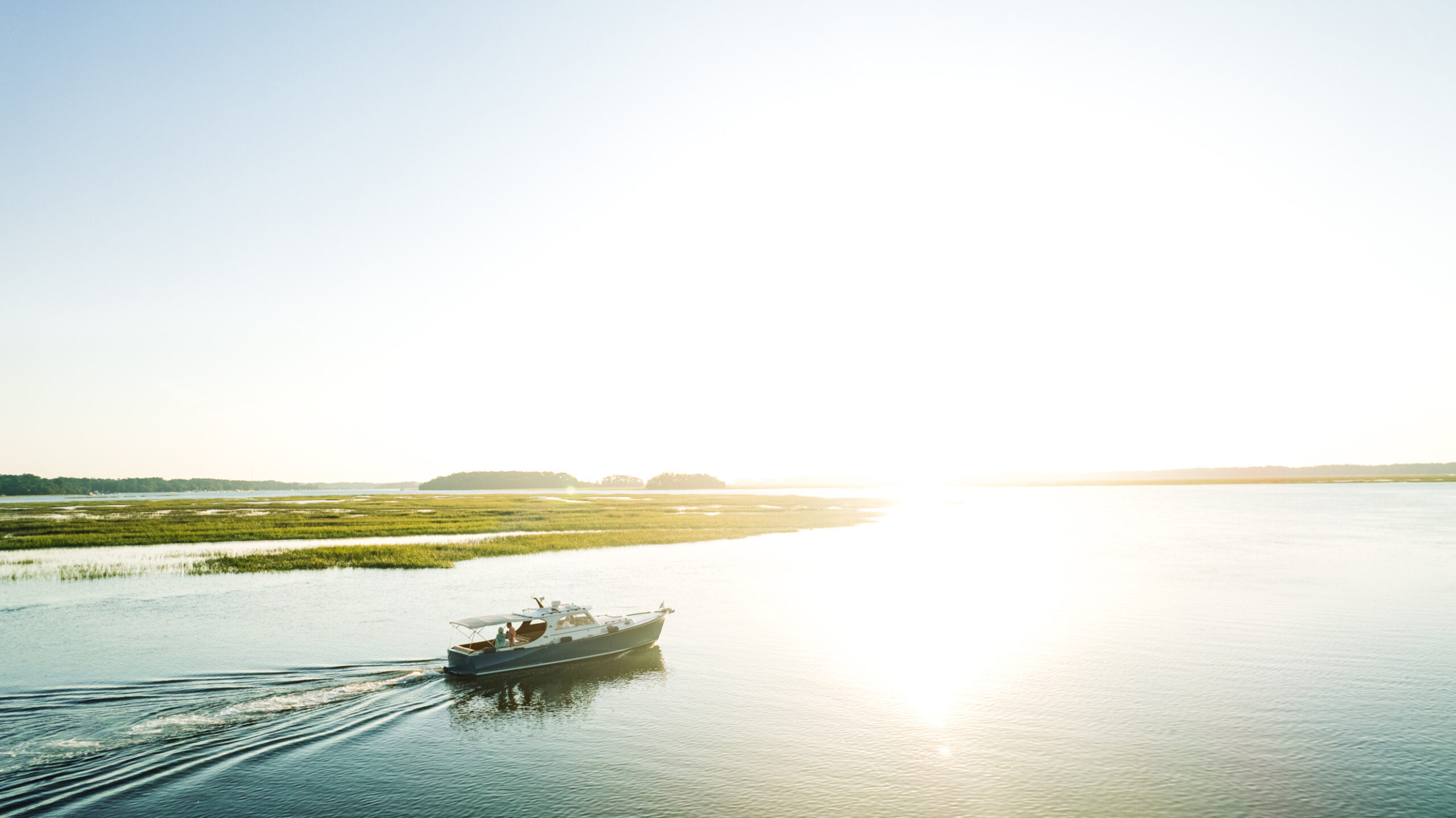
Exploring the South Carolina Waterways of Palmetto Bluff Water surrounds Palmetto Bluff on three sides. The May River wraps the north and northeast, while the Cooper River runs along the east and southeast, and the New River borders the south and southwest. A...

At Palmetto Bluff, some of childhood's best moments begin outside. Days are measured by muddy shoes, saltwater adventures, and the excitement of discovering something new just beyond the next trail.That spirit is at the heart of PBGO (Palmetto Bluff Growing Ou...
This simple tomato and ricotta tart recipe from Palmetto Bluff Club Executive Chef Beth Cosgrove is the perfect summertime dish for your next gathering. The flaky puff pastry crust is topped with a creamy ricotta mixture along with fresh herbs and sun-ripe...
Timeless Lowcountry architecture has always been defined by its connection to the landscape. Wide porches invite conversation and capture cool coastal breezes, while natural materials and sunlight filled interiors blur the line between indoors and out. As life...
This August, Savannah-based painter Hampton Watts will join us at the Bluff to share his contemporary Southern art celebrating the landscapes, traditions, and enduring spirit of the South. Drawing inspiration from generations of Southern heritage, Hampton c...
From weekly harvests to farmers markets and seasonal dinners, The Farm plays a central role in Palmetto Bluff’s culinary program. Story by Joanny Palsson | Photographs by Summer Pagatpatan Most mornings at Palmetto Bluff begin at sunrise, before the kitche...
Palmetto Bluff Real Estate: 20 Butterweed Road, Moreland Forest Moreland Forest sits a short walk or ride from Moreland Village and Crossroads, Palmetto Bluff’s nine-hole reversible course. Moreland Forest centers around an intricate trail system and an ...
Palmetto Bluff Golf: A Pro’s View of Anson Point Anson Point doesn’t look as if it were man-made. The rolling dunes and sandy areas look as though they settled into the Lowcountry on their own, and the fairways follow the ground rather than fighting it. Thi...