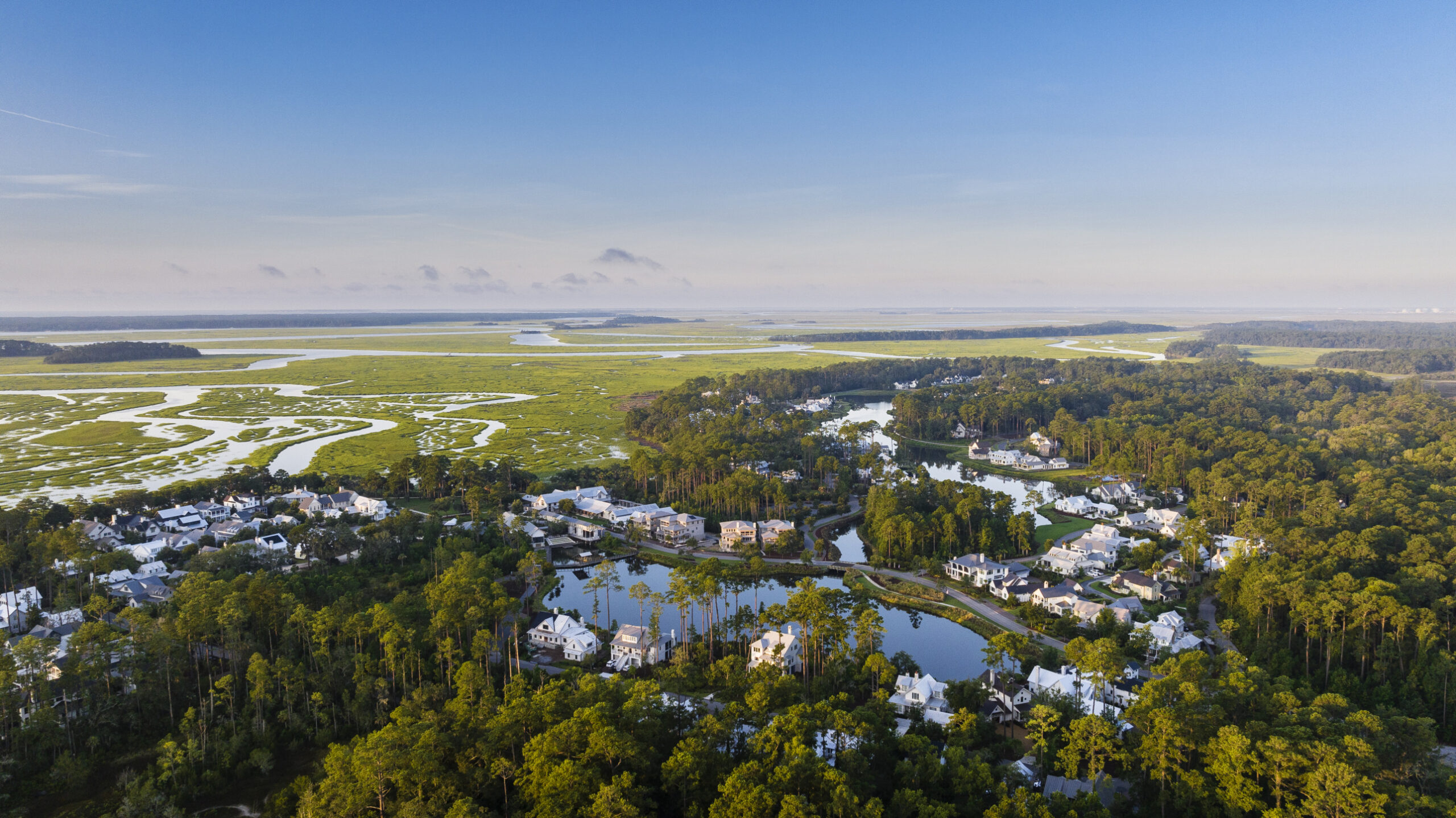
Just behind the new home of the Palmetto Bluff Conservancy in Moreland Village is one of those special places on property where an ancient beach evolved into a modern wetland. I am particularly drawn to this landscape and its subtleties, where mere inches in elevation result in dramatically different habitats and give us an opportunity to explore the Bluff’s unique ecology and history.
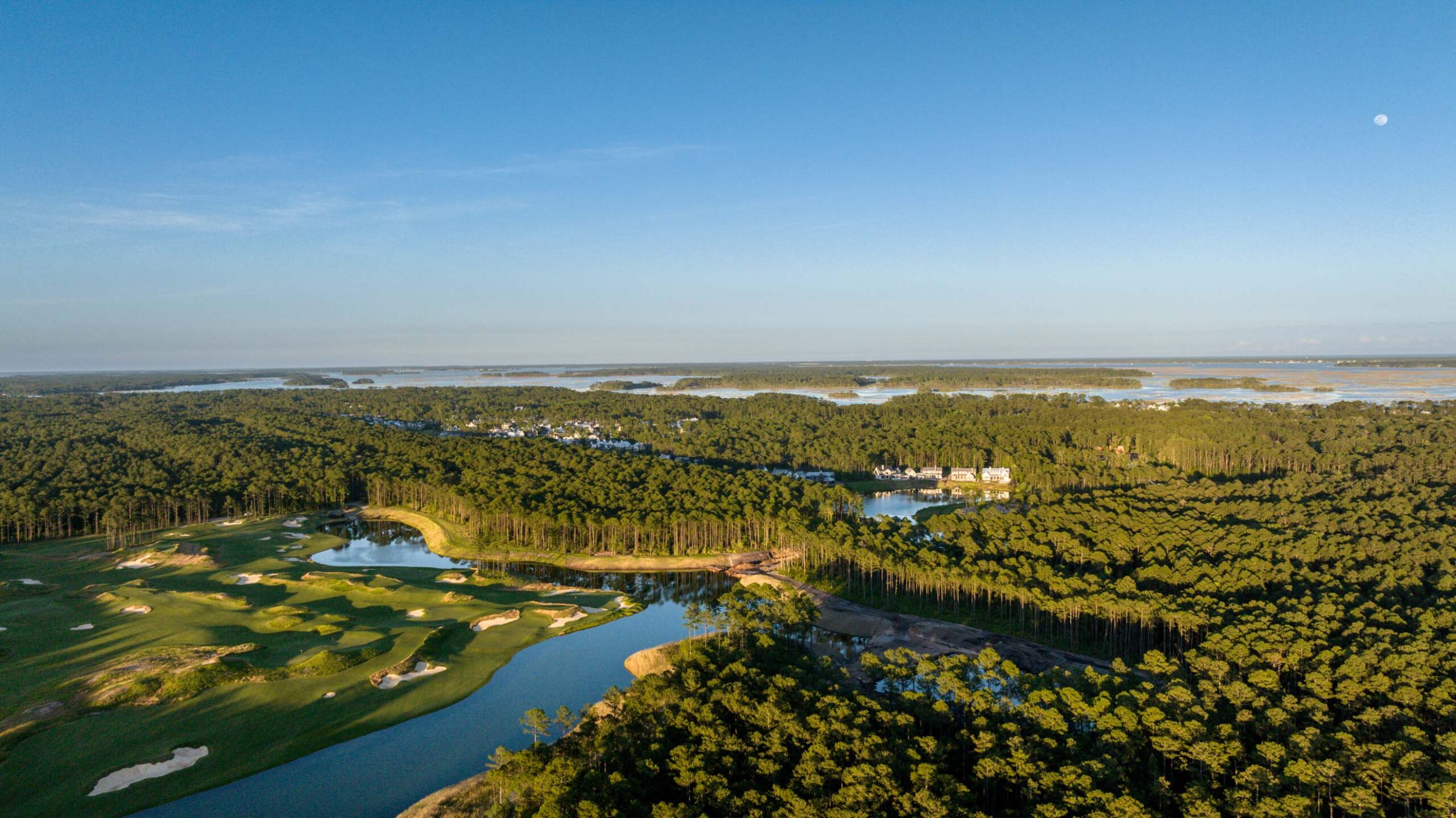
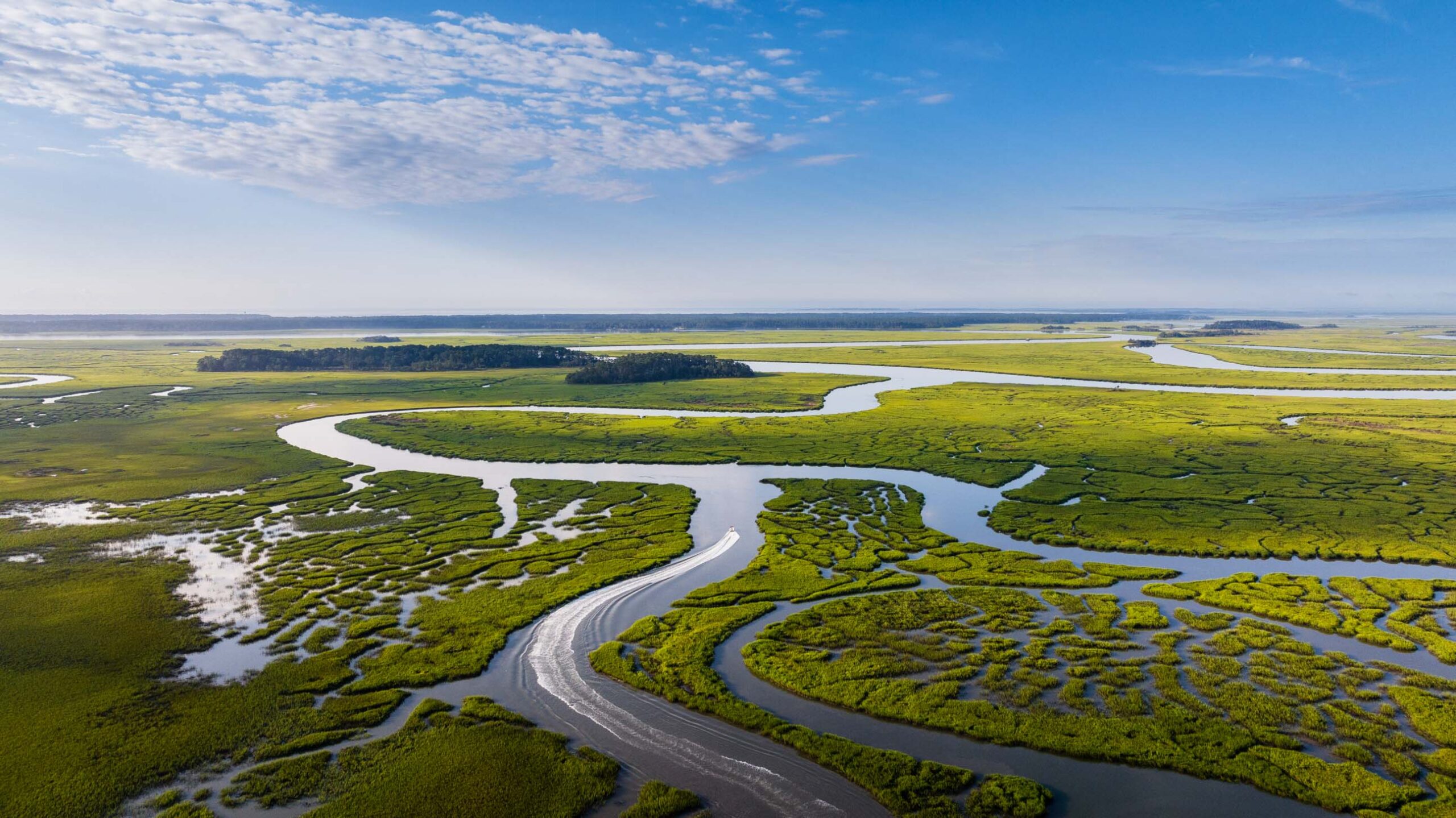
If you look closely at a topography map of Palmetto Bluff, you’ll notice that the land seems to undulate, with parallel lines of high ground running from northeast to southwest. These lines are archaic dunes, the remnants of prehistoric beaches formed long before the first human set foot in North America. Between these dune lines are low spots, some of which are now wetlands that are some of the richest ecological areas of Palmetto Bluff.
Wetlands of Wonder
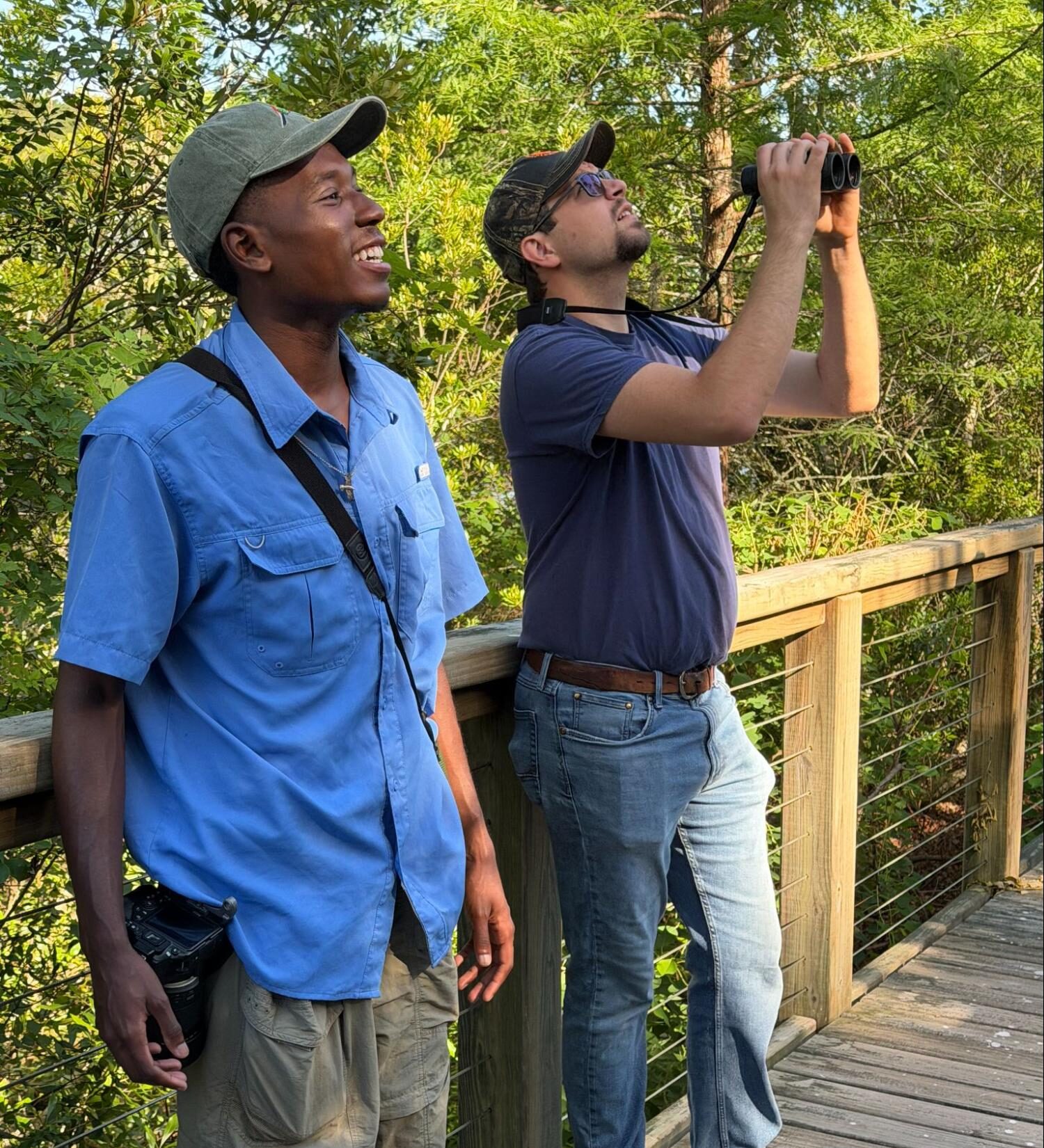
As you stand on the boardwalk near the Outfitters in Moreland Village looking out over maples and sweetgums and listening to a chorus of frogs, it’s hard to imagine that these wetlands need more than just preservation, but they do. In many places on the Bluff, including Moreland, the Conservancy is overseeing a project of environmental restoration to help preserve these unique environments. As in other areas in the Lowcountry, this work centers around repairing the consequences of those who came before us. For example, behind the new Conservancy headquarters is a wetland that, during the Antebellum era, was used as a rice field, and then after the Civil War, was a place for cattle to graze, and later was used for turpentine and timber production.
Over the next few years, the Conservancy team will begin the process of reclaiming and enhancing this wetland area by restoring drainage features, removing invasive species and replanting native plants. One of the biggest threats to wetlands at the Bluff is the Chinese tallow, a tree species brought over by European settlers that was used for making candles and soap. Unfortunately, the Chinese tallow tree thrives in the South, and it chokes out native species as it soaks up water and nutrients in marshes, along rivers or in wetlands. Left unchecked, the Chinese tallow soon becomes the dominant plant in an ecosystem; native plants are edged out, and animals follow. Removal of the tallow is difficult but not impossible, and it involves hand-clearing as well as chemical treatments. Perseverance is the key to success, however, and the Conservancy is committed to eliminating this invader.
Drainage patterns leading to and from the marsh will also be restored, which will allow for more salt-tolerant species to creep into the landscape and create a new, more diverse edge than what is there today. Finally, native plants such as buttonbush and grasses will be returned to the wetlands, providing important filtration of surface water as well as food and cover for a variety of creatures that call the Bluff home.
The Transitional Zone
At the edge of this wetland lies a transitional zone that leads to the upland ecosystem. This is where a second project is necessary: the restoration of the wetland buffer. Every wetland in Palmetto Bluff is surrounded by a protected area of gradually increasing elevation. These areas vary in size, but each is large enough to slow down and filter surface water as it enters the wetland. In many cases, the buffer consists of pine forests left behind from intensive forest management, and such is the case for the Moreland Village wetland.
The Conservancy’s goal here is to bring this transitional zone back to its native state and to apply what we learn here to other areas at Palmetto Bluff. Virginia sweetspire and coastal doghobble, as well as other species, will be planted and studied, helping the team better understand how to maintain a healthy ecosystem in these vital buffer areas. Wetland edges are also important wildlife travel corridors, and we hope to learn which plant species provide the best forage and cover.
Rice Crop
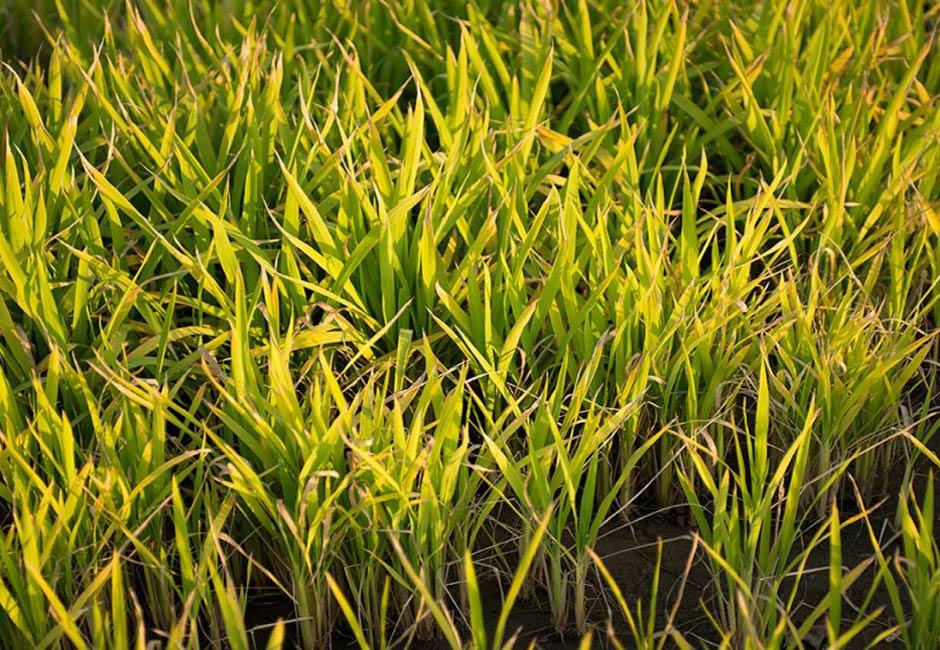
As you walk along the wetland edge at the Outfitters in Moreland, behind the Conservancy’s classroom, you’ll notice that a tall grass is growing in rectangular plots. This is Carolina Gold rice, a crop that at one time provided prosperity to a few and caused enslavement for thousands in South Carolina. Historically, rice was grown in two different ecosystems at Palmetto Bluff: in the interior freshwater wetlands and along marsh edges where freshwater wetlands drained into the tidal estuaries. Along the marsh edges, dikes were built to prevent the fresh water from draining away. (After you go through the entrance gate of Palmetto Bluff, you drive across an old dike of one such impoundment.)
Antebellum rice cultivation was backbreaking and dangerous work: venomous snakes and disease-carrying mosquitoes thrived in fields that were partially flooded to control weeds. Here at the Bluff, rice was grown as a staple rather than a major cash crop (Sea Island cotton was more lucrative), but rice still demanded the arduous labor of enslaved people. The small plots of rice outside the Conservancy are intended as an educational resource and as an opening into a discussion of our history and ecology.
Waterways of the Bluff
The wetland and transitional zone behind the Outfitters gives way to one of the most exciting features of the Conservancy complex: the interpretive pond (and the best fishing hole on property). In addition to the recreational opportunities our ponds and waterways provide, their primary purpose is to catch and treat the surface water flowing from natural environments as well as developed areas. These bodies of water capture runoff and slow it down so that particulates can settle out of the water column, allowing clean water to flow out or be filtered through the soil. The ponds also create an additional edge for wildlife and plants providing cover and allowing safer access to water.
The interpretative pond at Moreland proves that protecting our ecosystems from runoff can provide opportunities for fun and discovery. Come down and find out more about the freshwater fish (and maybe reel one in), about how the plants growing at the water’s edge form the littoral shelf habitat, and about how the Conservancy is experimenting to find new ways of conserving and enhancing our natural world.
We do not know who will inherit this property from us or what their needs will be; we can only act with respect and listen to the land, restoring what we can and embracing our history while making environmentally responsible decisions. Our hope is that you will allow the landscape to reveal its story to you and that you will come to love it as much as we do.
Rediscovering Carolina Gold
One of Palmetto Bluff’s property owners, Dr. Richard Schulze, is responsible for reviving the production of Carolina Gold rice. Schulze tracked down seeds of Carolina Gold rice in Houston, Texas, in 1985 and started growing it on his land. He documented the history of the crop in Carolina Gold Rice: The Ebb and Flow History of a Lowcountry Cash Crop. Pick up a copy for a fascinating read on an important piece of history.
Photos by Rob Kaufman%GALLERY%