Written by Palmetto Bluff
Feb 09, 2022
What do bats in South Carolina do in the winter?
The winter activities of southeastern bats are as diverse as the bats themselves. If you are in the habit of looking at the Lowcountry sky at dusk, you may have noticed fewer bats fluttering about when temperatures cool. This begs the question, “where do bats go in the winter?”

Spending energy to stay warm
Like all mammals, bats are endotherms, meaning they can produce and maintain their warm body temperature by digesting and metabolizing food. Each mammalian species has a unique basal metabolic rate, or the rate at which their body uses energy to perform basic functions while at rest (like breathing and maintaining a heartbeat). The energy that fuels these life-sustaining bodily functions comes from food.
Size and diet play a major role in the energetic cost of staying warm. Mammals lose heat through their skin, which can be thought of as the mammal’s surface area. Small mammals have a larger surface area to volume ratio than large mammals (think of this ratio on a mouse compared to an elephant). To compensate for this rapid heat loss, small mammals have a faster basal metabolic rate than large mammals, meaning they require a greater amount of energy (i.e., food) relative to their size than a large mammal does. Being small mammals, bats follow this rule and lose heat quickly. As a result, it takes a large quantity of food to keep bats active and warm.
Add to the issue of size the fact that all our bats in South Carolina eat insects – a food source that is both ephemeral and seasonal. Insectivorous bats must maintain their body temperature, even when surrounding conditions cool, by eating large quantities of insects. Unfortunately, cold temperatures cause many insects to become dormant and unavailable to bats during a time they need that energy the most. Bats cannot eat enough to stay warm if their ephemeral food source is not available.
There are several ways bats in the United States deal with cold temperatures and reduced or nonexistent food sources. Some bats hibernate, some migrate to warmer climates, and some do both. In this post we will focus on hibernation, but I do want to mention that we have a migratory species that is found in South Carolina during winter and is absent during summer. Silver-haired bats roost in trees and can spend their summers as far north as Canada but migrate to warmer areas – including our coast! – to hibernate.
Hibernation
What is hibernation? Hibernation is a period of metabolic inactivity that can last for months at a time. The necessity of hibernation is largely dependent on temperature and food availability.
As temperatures decline during winter, the difference between ambient temperature and a bat’s body temperature increases. Because heat moves from hot areas to cold ones, this temperature difference causes heat from a bat’s body to be lost to the surrounding air, making the ability of a bat to maintain its body temperature increasingly difficult as ambient temperatures drop. Bats can deal with this by decreasing their body temperature and lowering their metabolic requirements through the process of hibernation, which limits oxygen consumption and focuses blood flow to a few vital organs. For example, the heart rate of a big brown bat at rest is 250-450 beats per minute (bpm), compared to 800 bpm in flight and only 42-62 bpm while hibernating. This allows bats to conserve their energy without needing to consume food, which is largely unavailable during this time (check out Bats: From Evolution to Conservation by John Altringham to learn more about the physiology of hibernation).
Torpor
A common misconception is that ALL bats hibernate. Whether a bat hibernates really depends on the climate in which it lives. Bats cover a vast geographic area and live in a wide range of temperatures. Bats living through the frigid winters of the northeastern United States hibernate for long stretches, while bats in warm, tropical climes may not hibernate at all. In South Carolina, we have bats that live in the mountains of the Blue Ridge as well as those that live on islands along the coast – two very different environments.
Bats in the upstate of South Carolina hibernate through long stretches of cold winter weather, but what about bats on the coast? We tend to have mild winters and, while insects are not abundant on cold nights, we do have insects that fly on warm winter evenings. Our mild winters and available food mean that 1) bats are not losing large amounts of body heat to ambient air and 2) there is a food source for coastal bats during winter.
Our less challenging winters enable coastal bats to forego hibernation for torpor, a shortened period of metabolic inactivity. The purpose and process of torpor is the same as that of hibernation – bats reduce their body temperature and metabolic requirements when temperatures drop and food is scarce. Unlike hibernation, which can last for months at a time, torpor may last for a few hours, a day, a few days, or a couple of weeks. Once temperatures increase, coastal bats will arouse from torpor and forage during early winter evenings. They can return to and emerge from torpor many times during winter, following fluctuations in temperature.
Hibernacula
The hibernacula, or location of a hibernating or torpid bat, is species-specific, with some species liking cooler areas and some species selecting slightly warmer areas. In all instances, however, these hibernacula provide refugia from extreme temperatures while also providing consistency in temperature range. Due to their enclosed nature, caves and mines provide fantastic hibernacula for bats and protect these tiny mammals from the elements.
But wait! We don’t have caves along our coast. Where do Lowcountry bats roost during torpor? Coastal bats have a variety of hibernacula. Bridges, culverts, tree cavities, buildings, exfoliating bark, and even leaf litter are excellent roosts for a torpid bat. Some bats, like the southeastern myotis pictured here, like to roost in groups when hibernating or in torpor. Others, like eastern red bats, like to roost by themselves, sometimes under leaf litter.

As roosting habitat is altered due to increasing development, urbanization, and other land use changes, some species of bats have been able to adapt by adjusting their hibernacula. We have several species in our state that will use culverts under roadways, including the tri-colored bat pictured above, a species proposed for listing under the Endangered Species Act.

The South Carolina Department of Natural Resources (SCDNR) surveys culverts during winter and they can always use volunteers – especially along the coast. If you are interested in volunteering, you can contact Jennifer Kindel, state bat biologist with DNR, at KindleJ@dnr.sc.gov.

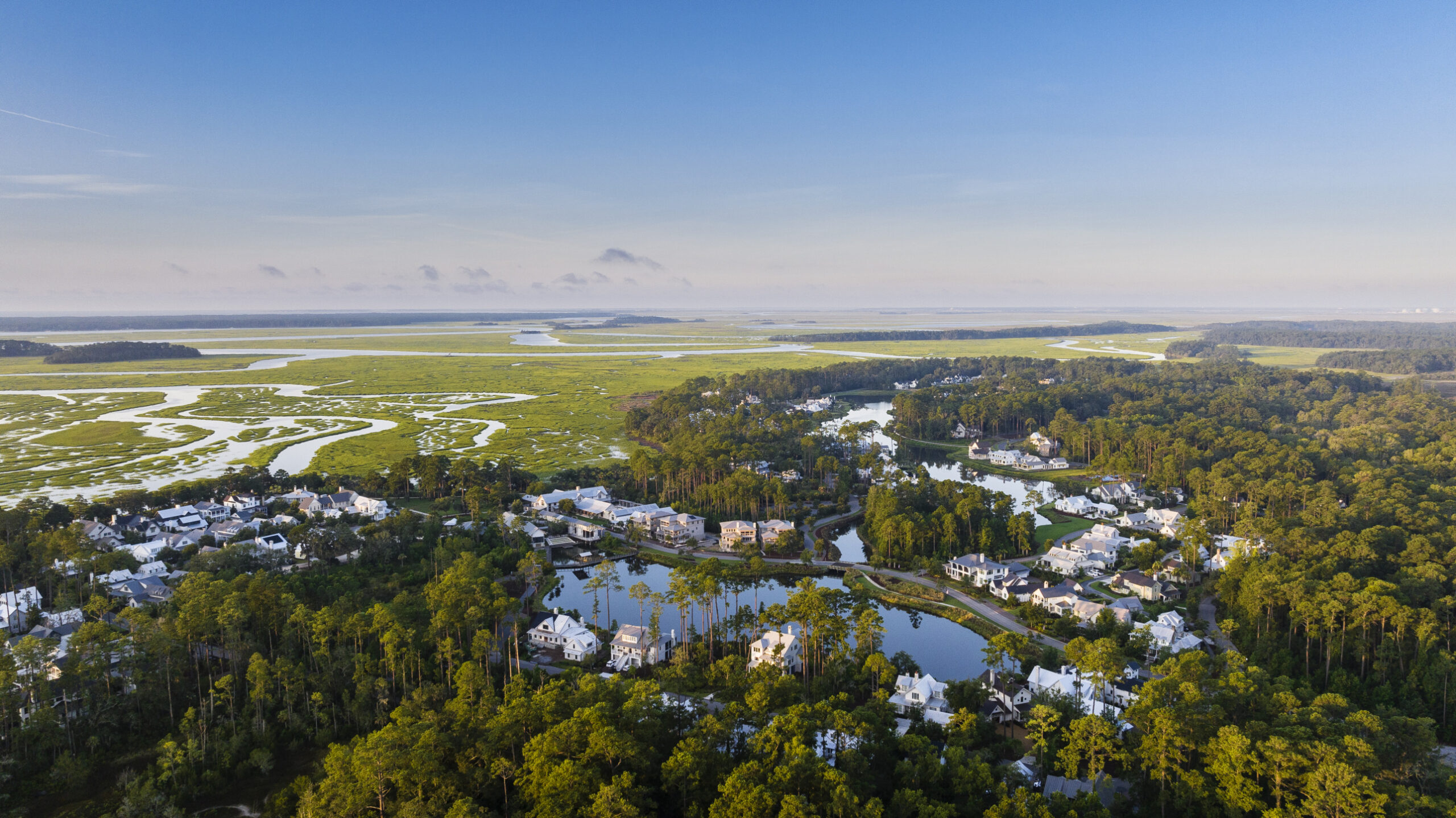
We only have a few culverts at Palmetto Bluff large enough for us to enter. We surveyed each of our accessible culverts once in December 2021 and once in January 2022.
We found a solitary tri-colored bat during each survey. This individual (or individuals) was unbanded, meaning it has not been captured during our mist net surveys.
I hope you enjoyed learning about hibernation and torpor! Next post, we will highlight one of the 14 species in our state: the tri-colored bat.