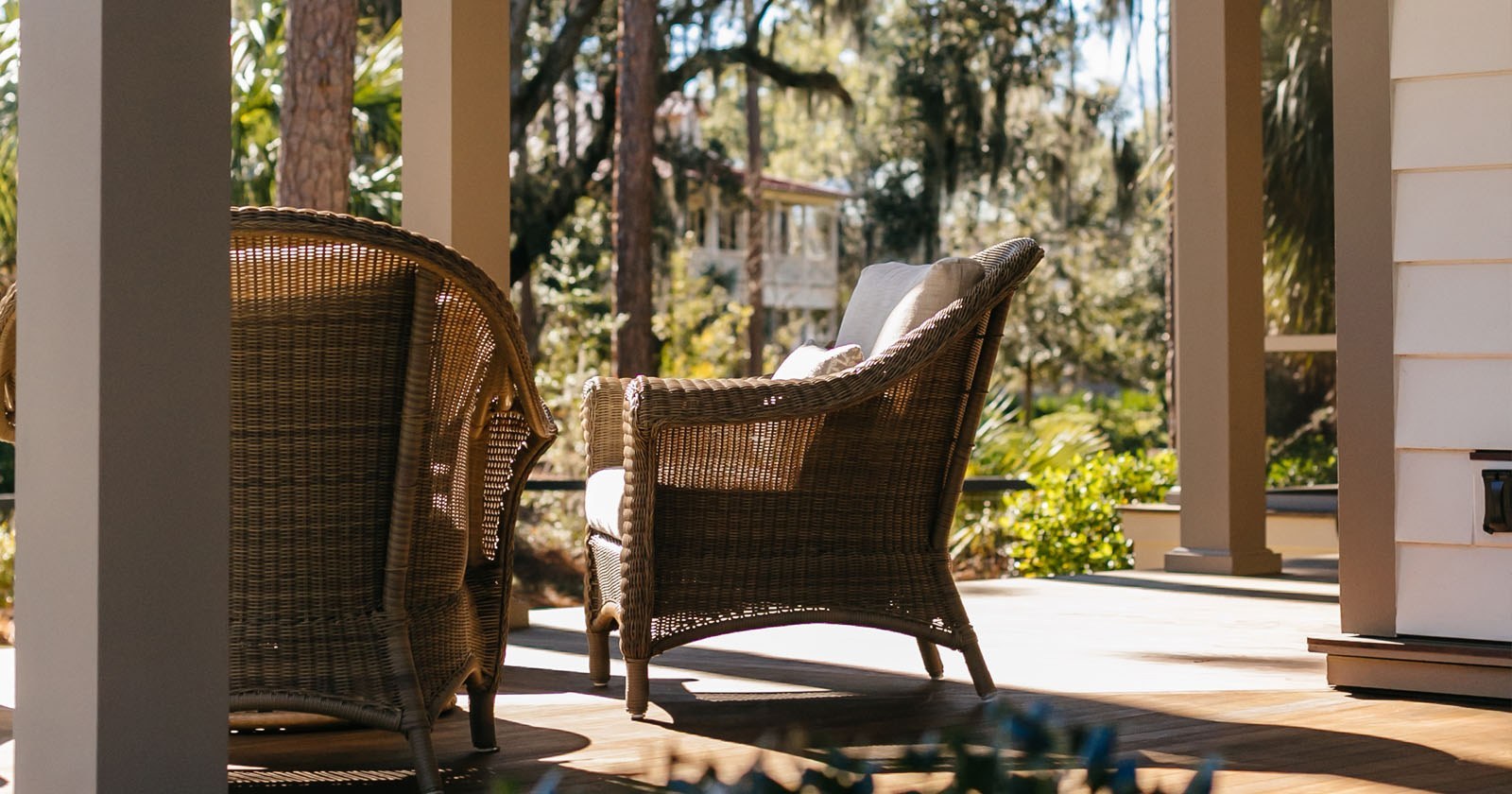
A front porch is as synonymous with the South as a fresh, salty batch of boiled peanuts or the syrupy sweetness of pecan pie. The structural version of hospitality in every home, a porch welcomes owners and guests as they come and go, offering shelter from a bit of rain or a shady place to rest a spell. Spanning the length of the home, porches extend the living space—offering the ultimate outdoor living room. Catching cool breezes rolling off the river, they’re the perfect place to enjoy a slow sunset (and perhaps a nip or two) and chat about the day with family and friends. A good porch captures a moment in time, pressing pause on the ever-quickening pace of life and asking us to slow down and breathe in the salty air before stepping inside. A good porch is also a place of possibility, growing and changing to adapt to the family in which it serves, while always acting as the ever-perfect backdrop for an impromptu gathering to host those we love most.
Hearkening back to the earliest settlements, porches are a vital element of the architectural vernacular of each region in the South. Like any good invention, porches were born out of necessity, a requirement for any homeowner to withstand the sweltering heat and humidity of Southern springs and summers (and sometimes, falls and winters), creating an outdoor living room that wasn’t nearly as hot as the one inside. The bonus living space provided by porches gave families the opportunity to enjoy the cooler temperatures as well as each other’s company, lending itself to the porch’s legend of being the place for relaxation and winding down at the end of a long day.
Here in the Lowcountry, porches were (and many still are) elevated, built off the ground to capture breezes underneath the porch floor and often strategically positioned facing the river or tidal creeks to take advantage of nature’s air conditioning. Deep, wide porch spaces throughout the Lowcountry provided welcome shade from the sun, some with louvered ceilings that stretched high enough to also create proper airflow and ventilation to help alleviate the hot Lowcountry weather. Porches in downtown Charleston, however, follow the trim profile of traditional townhomes and typically feature a double-decker porch that extends down the side of the home rather than the front facade.
Many New Orleans porches follow suit, trading traditional wooden banisters for ornate black iron that curls and flowers into a tapestry of designs. Traditional Georgian columns flank the Greek Revival porches of many stately Southern homes of old. These porches are usually flat, lower platforms that serve not only as a formal greeting place but also as an ideal spot to celebrate special occasions and host cocktail parties.
We would be remiss in discussing the vernacular of porches if we didn’t mention the haint blue porch ceilings found throughout the South. A blend of light blue with a hint of green, “haint blue,” first produced from indigo grown on Lowcountry plantations, was originally used by enslaved Africans to ward off evil spirits or “haints,” which some believe to be a variation of the word “haunt.”
Different folklore explains why this blue color will deter evil spirits—some believe the blue was representative of water, which spirits cannot traverse, while others say the color helps keep restless souls away from the home. While indigo and the use of the color blue to protect against evil spirits is deeply ingrained in African culture, the color haint blue remains a popular paint choice—lightening many porch ceilings across the South to this day.
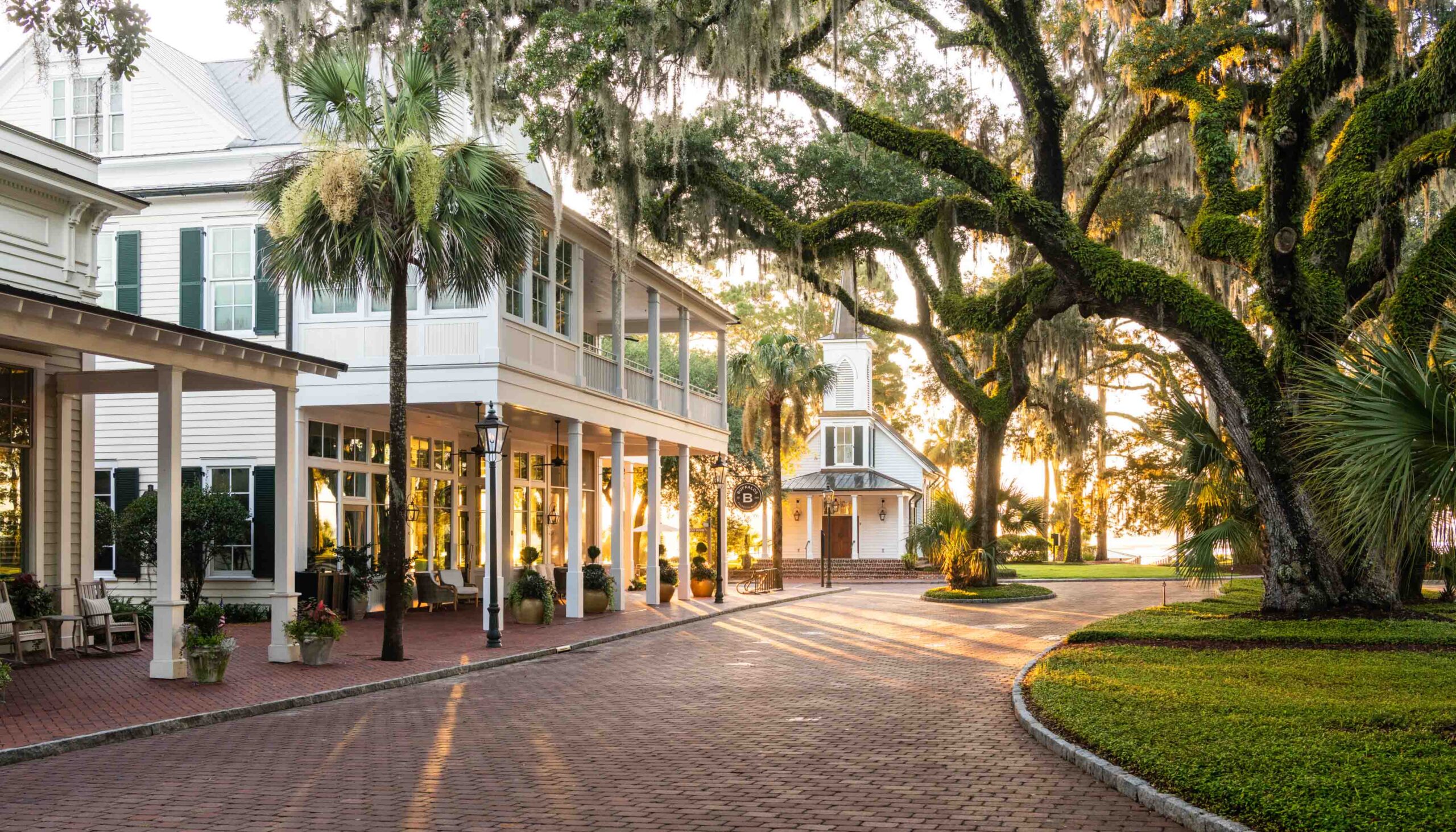
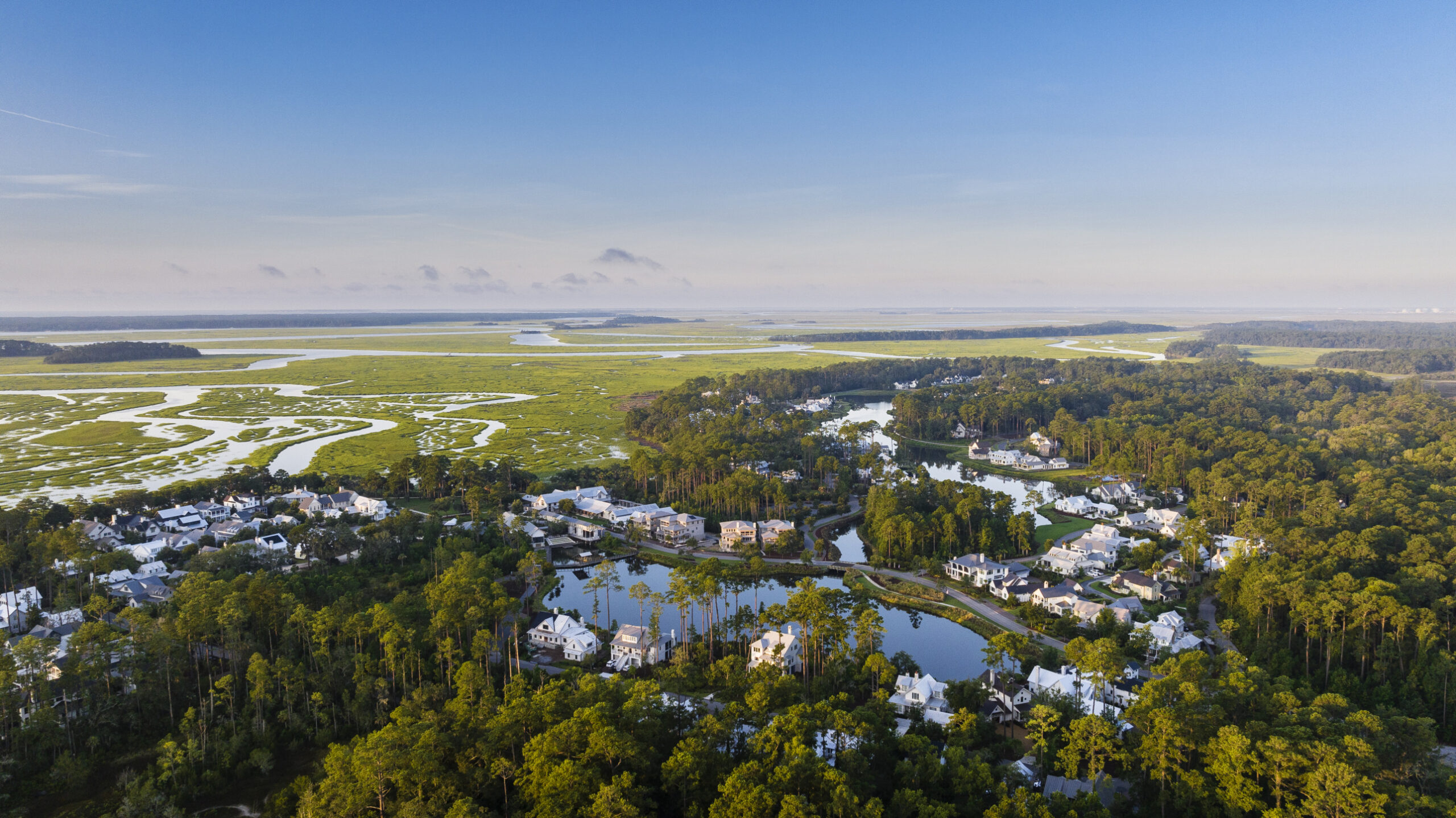
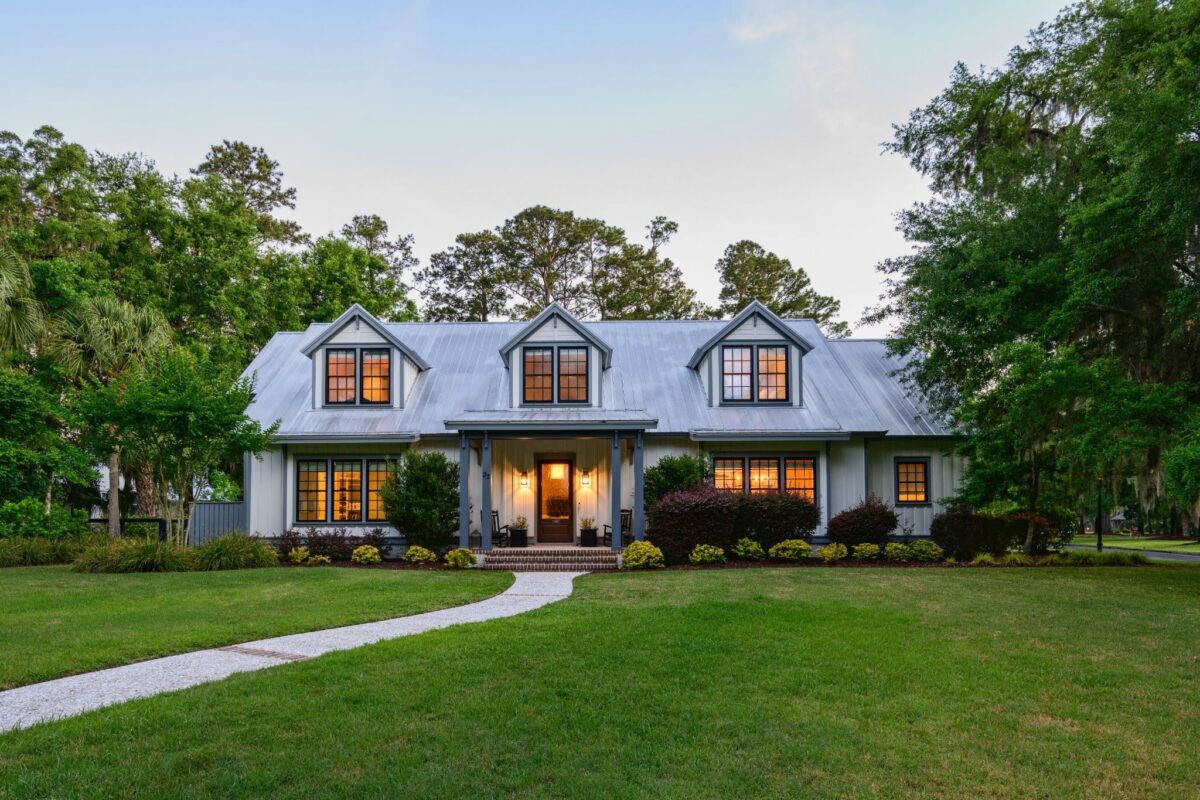
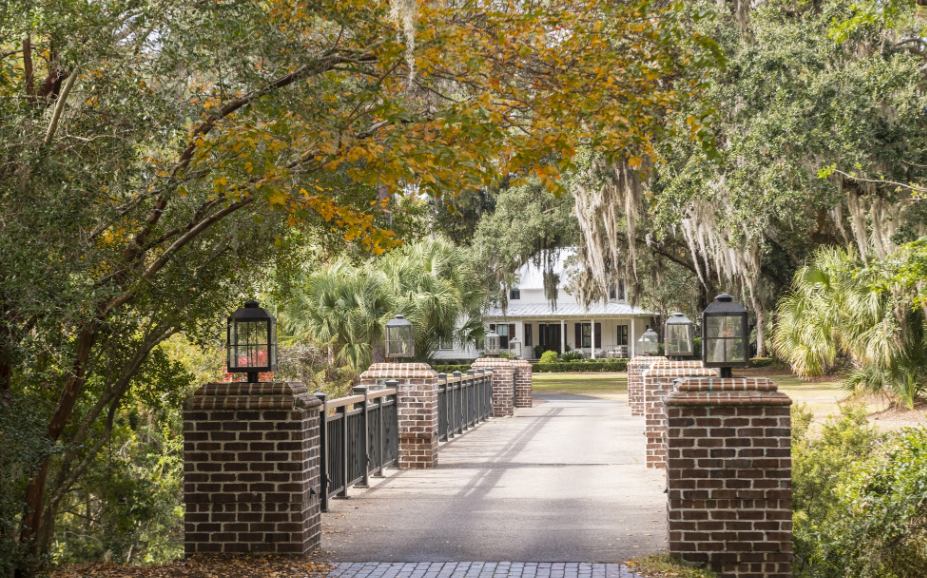
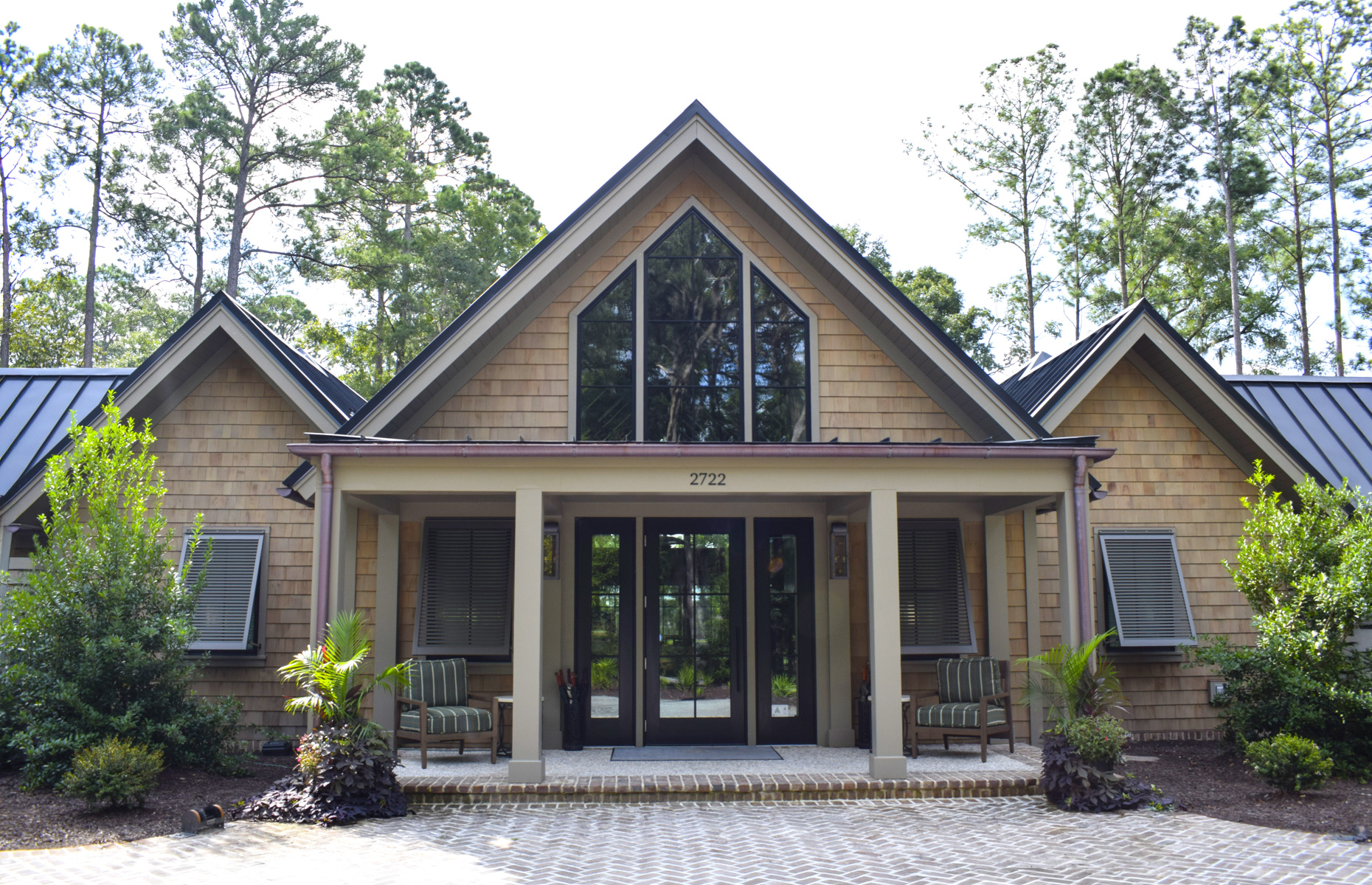
Front porches are especially important to the architectural aesthetic of the Bluff, as they offer a signature look to the front facade on almost every home in the community. Here at Palmetto Bluff, the Design Review Board goes to great lengths to preserve and uphold the elegant history of Southern architectural vernacular, and this certainly includes the thoughtful construction of porches within the community. Porches in Palmetto Bluff must be at least 8 feet in depth to give them substance and space, lending a more authentic aesthetic to the front of the house and keeping in line with traditional Lowcountry architecture. (Plus, since many homes have vehicular access from back alleys, the beauty of the front porch is unobstructed by any cars, and therefore creates a welcome greeting for each home.)
“Porches at Palmetto Bluff come in all shapes and sizes—screened, unscreened, louvered. Some are in the rear of the home, some are on the upper levels, some are on both,” said Stephanie Gentemann, director of the Palmetto Bluff Design Review Board. “Front porches are especially important at the Bluff, as they emphasize community and connection, one of the four cornerstones of our company.”
And this cornerstone is everywhere. Cavernous porches line the sidewalks of the Bluff’s neighborhoods, ensuring each porch is as livable and functional as it is beautiful. As welcoming and transparent living spaces, front porches offer the ideal place for sincere and impromptu interactions between neighbors and guests in the community, a vital dimension of the original vision of Palmetto Bluff.
The sense of community a front porch provides is undeniable. Walk down any street of the Bluff, and you’ll understand why they are the heartbeat of this community—where neighbors stop by to say hello, where books are read on a swing, where stories are shared under the cool shade. (Just make sure you don’t have to be anywhere anytime soon, as “porching” usually lingers longer than you might expect.)
Photography by Newport653.
%GALLERY%